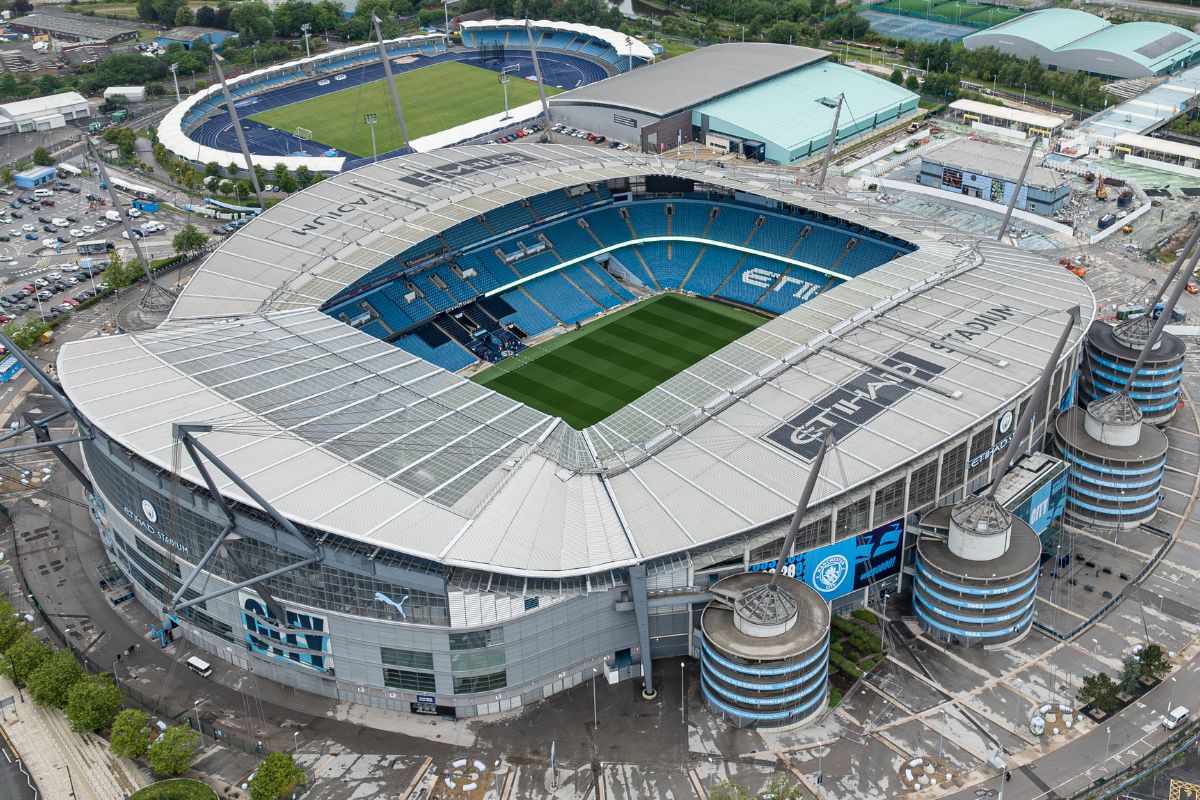
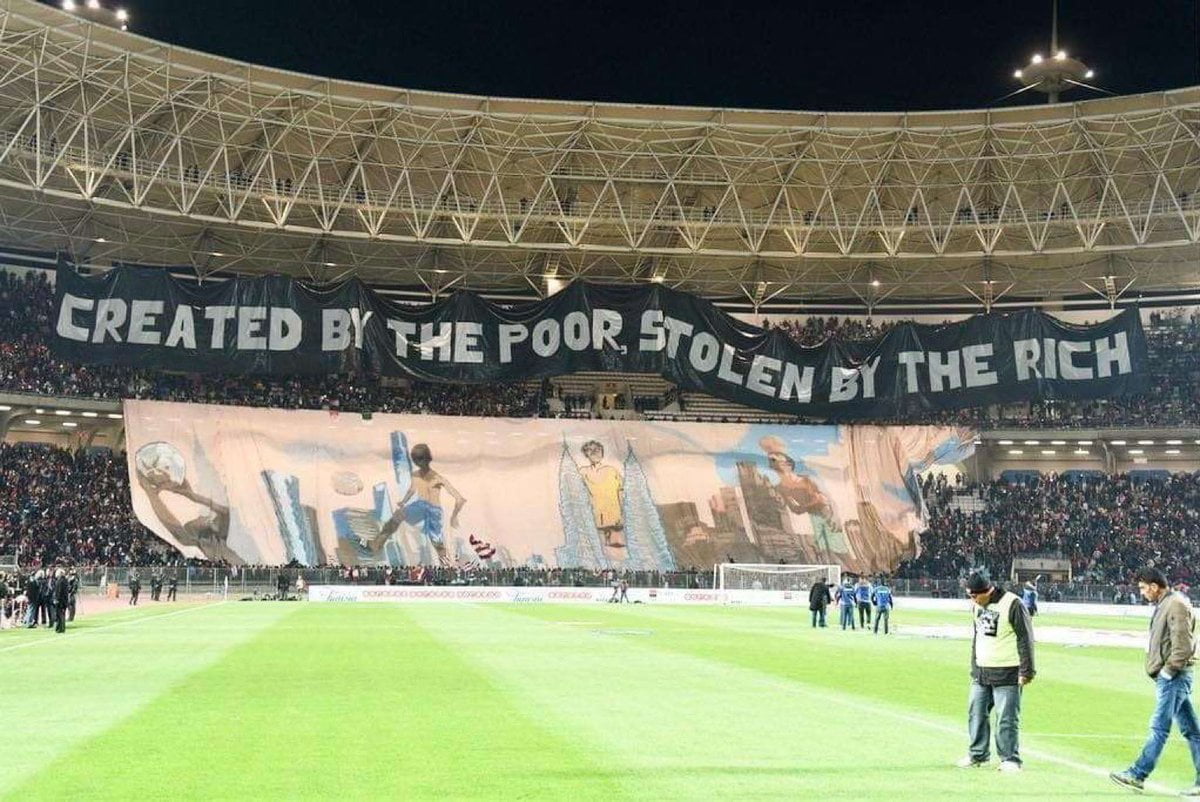
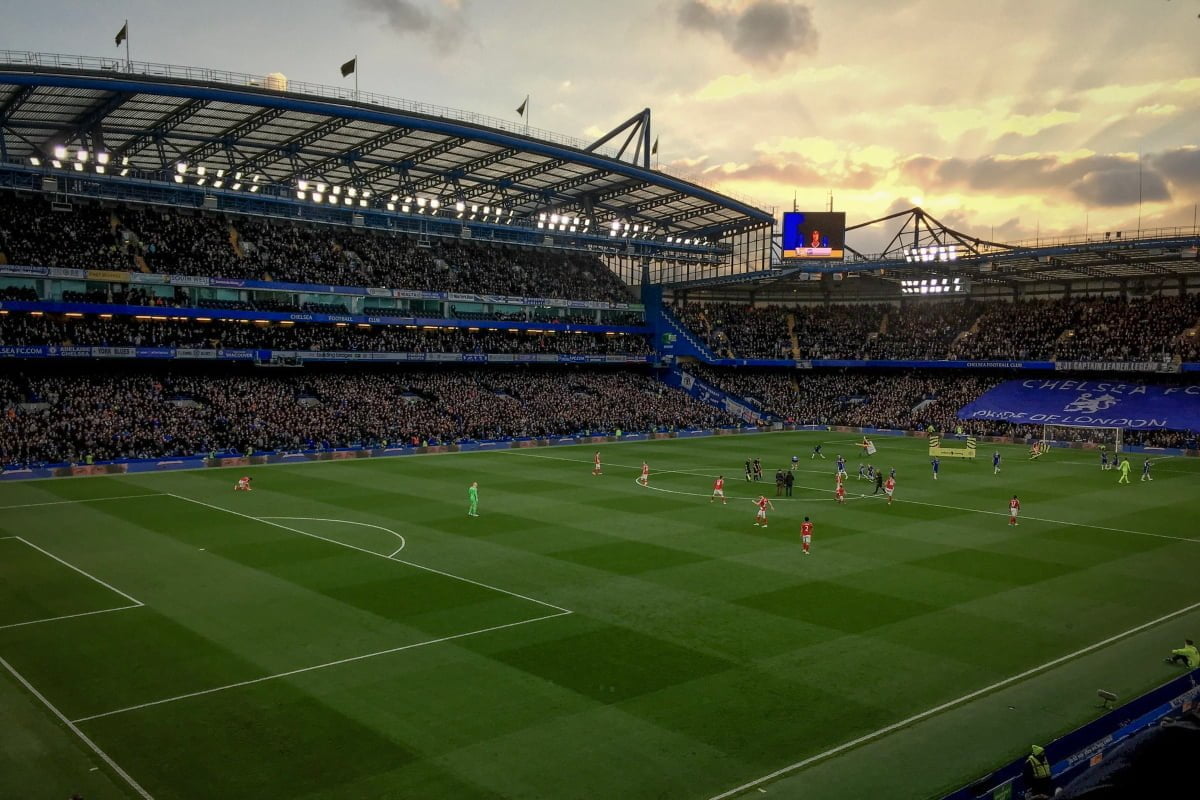
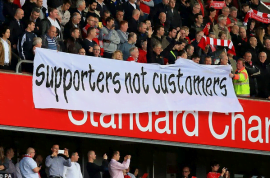
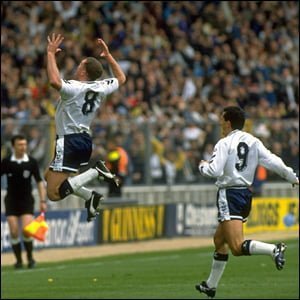
This is supposed to be, as the media are forever telling us,
the people’s game, our World
Cup, etc., etc. But we have little or no say in it. We generate
the passion but all the
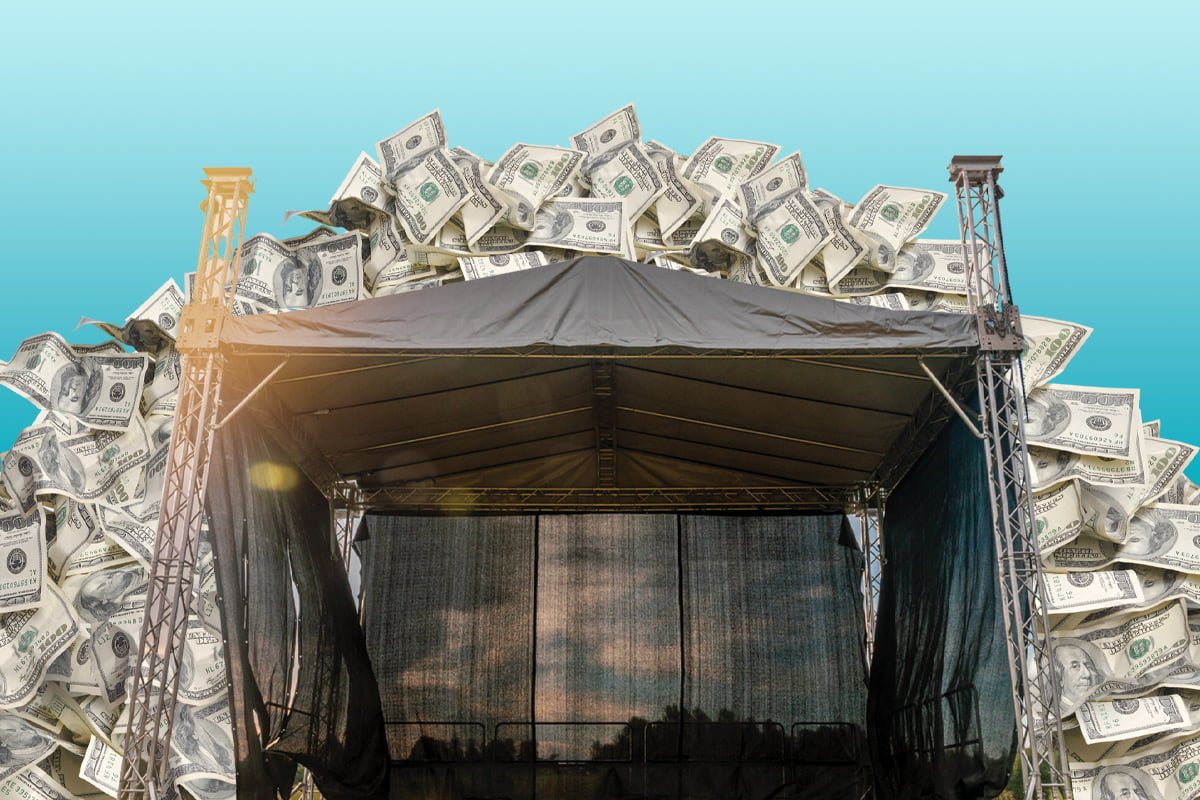
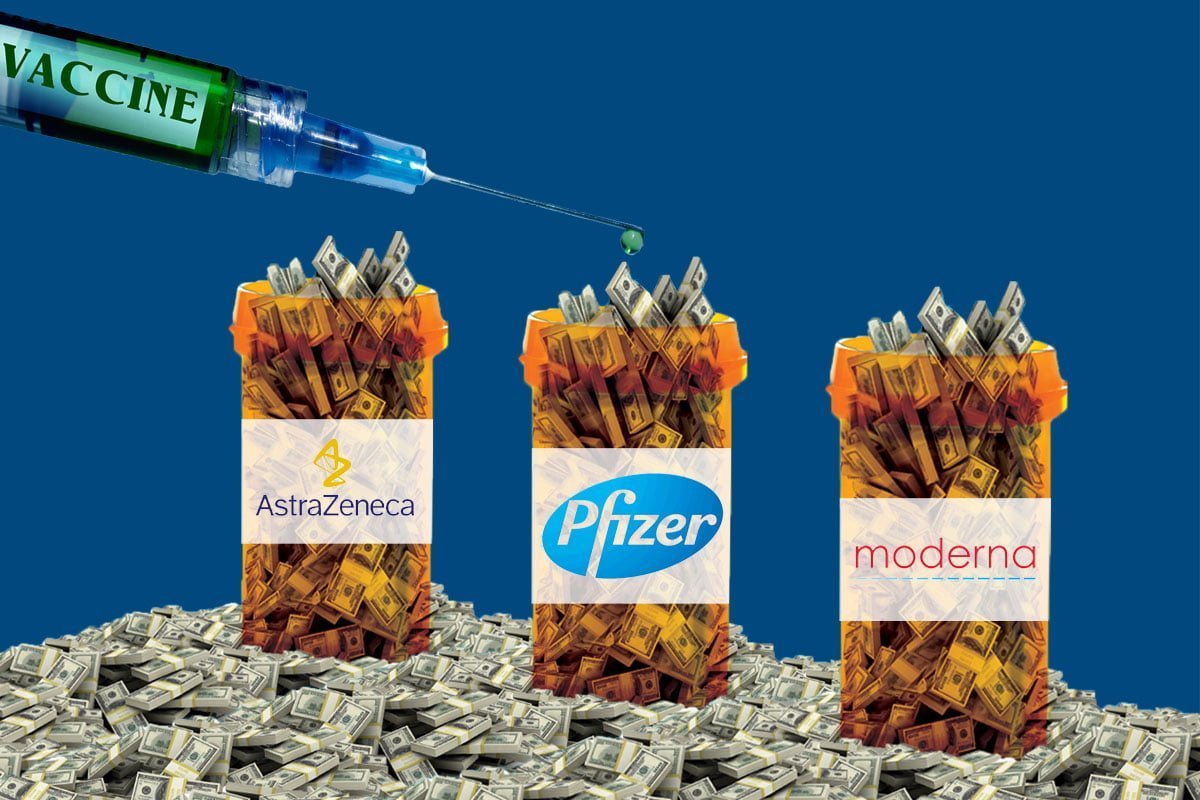
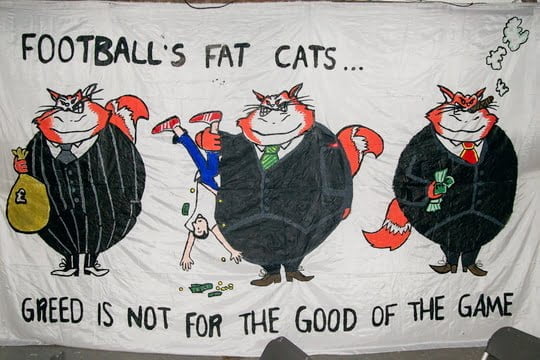
officials see are the buckets of cash. The governing bodies
of football, both national and
international, are remote, out of touch and above all
travesties of democracy. So long as
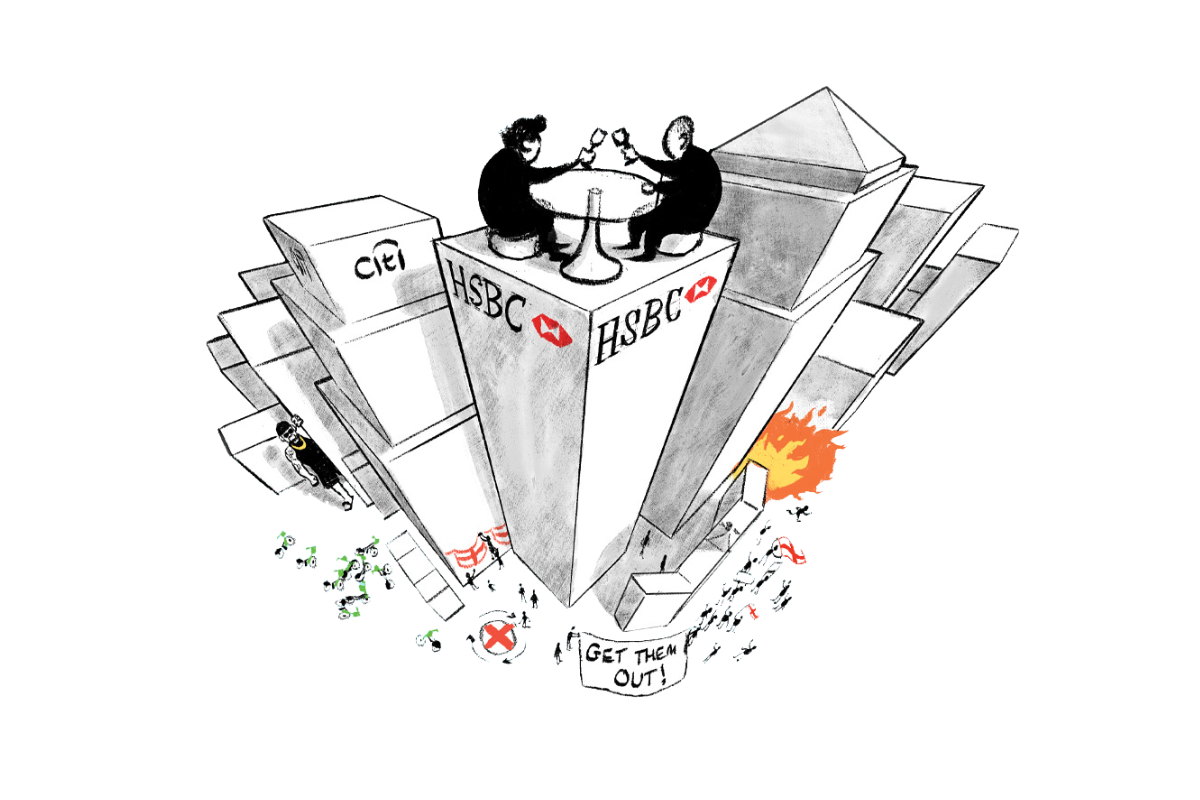
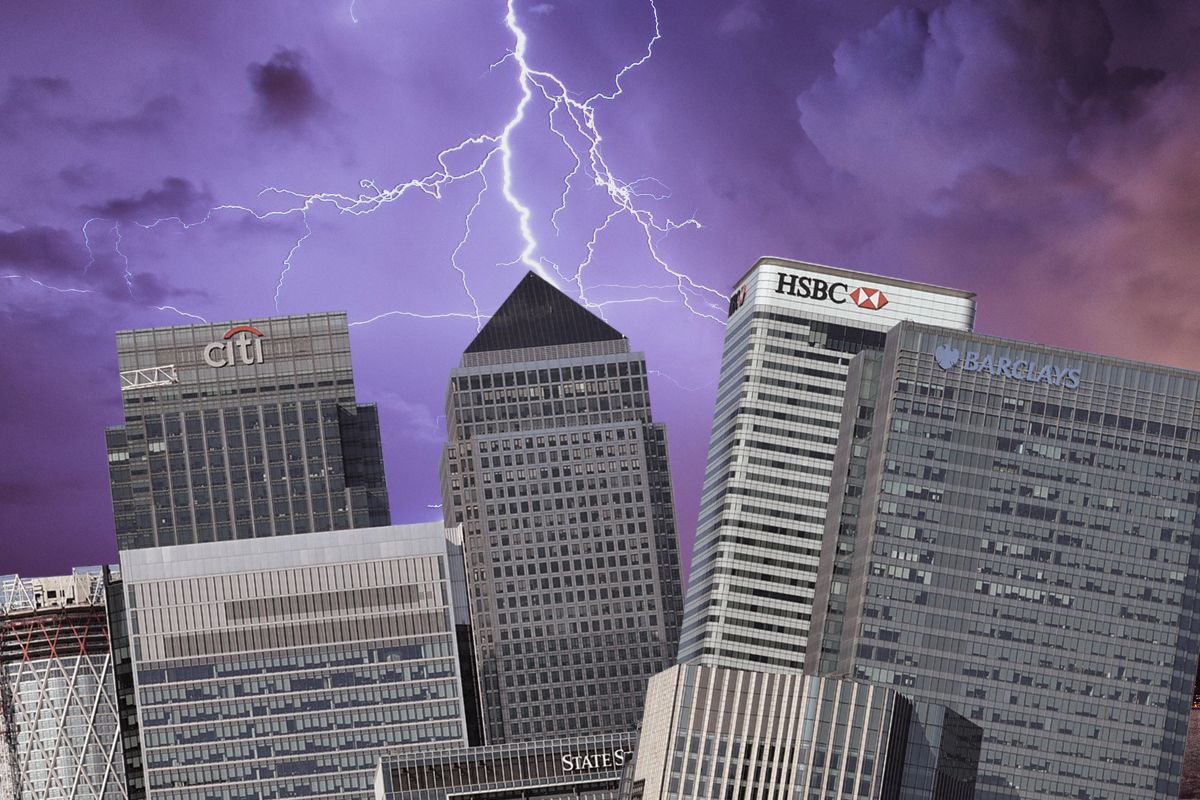
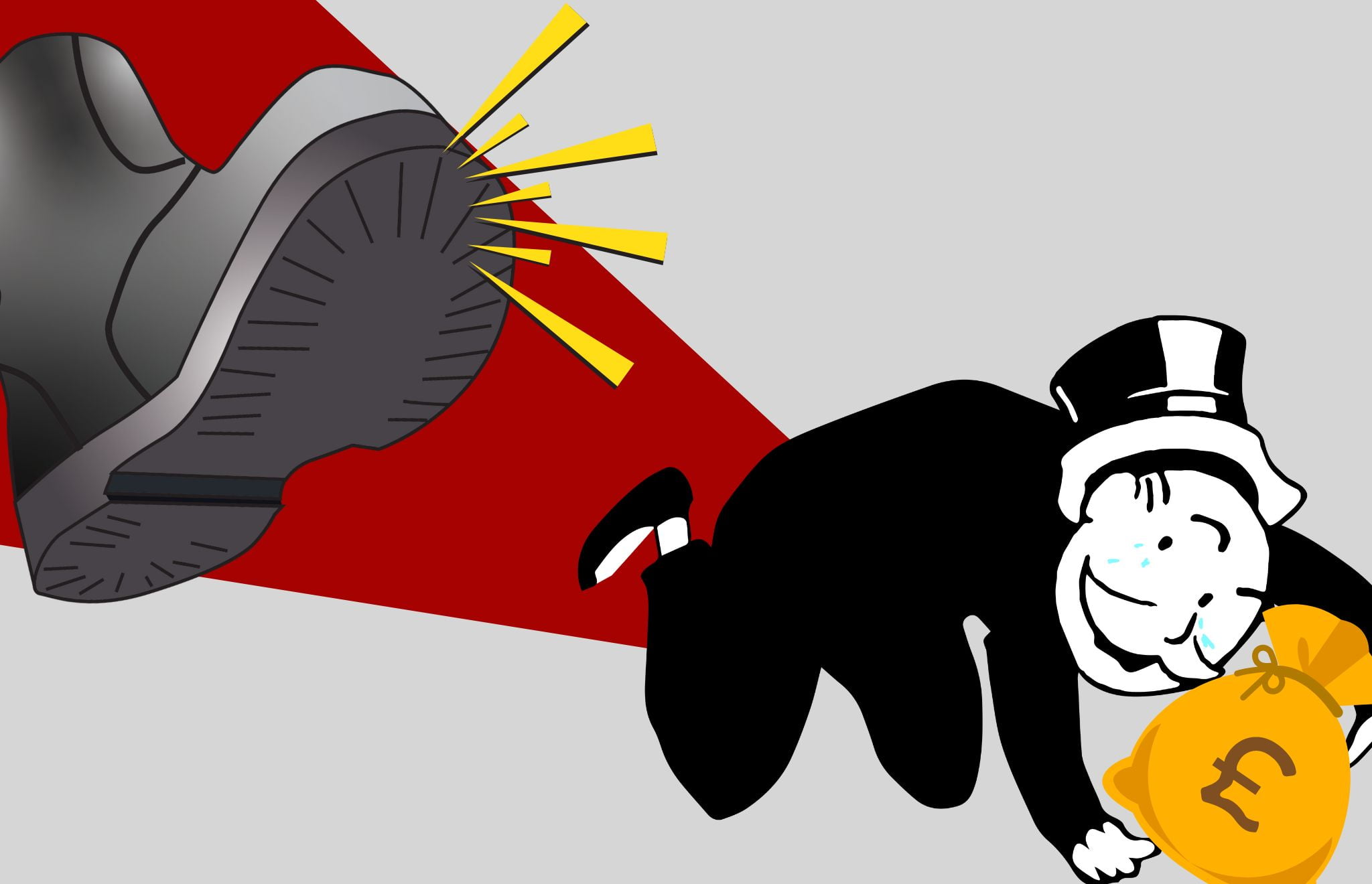
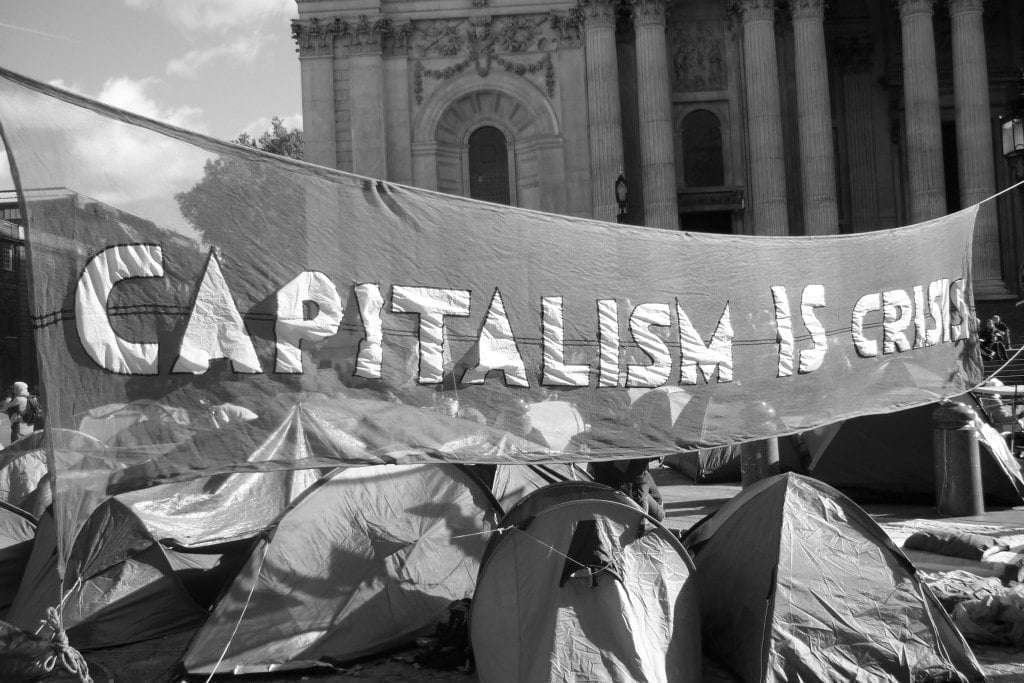
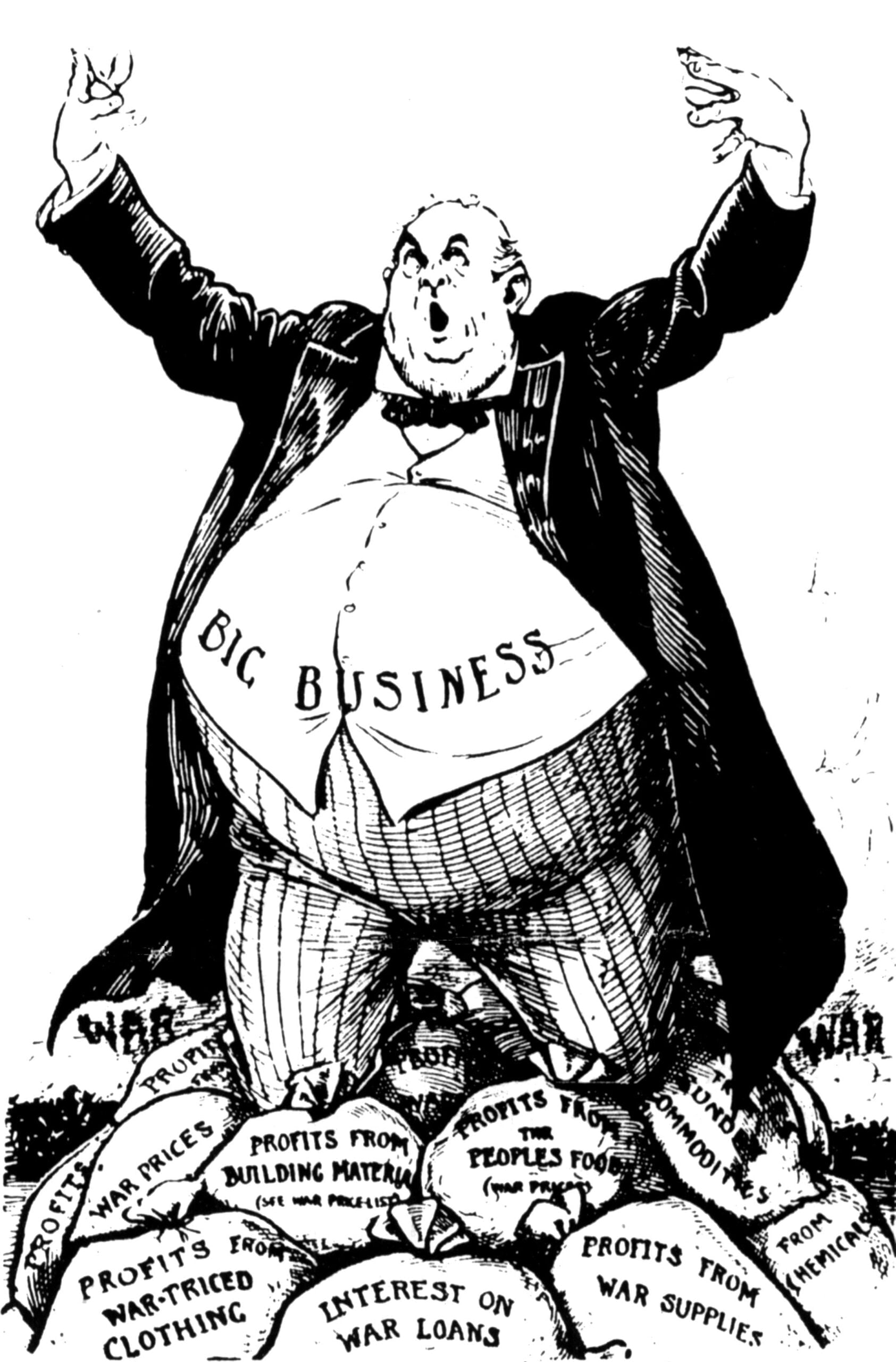
big business and the multi-nationals control the game and
shape it in their interests,
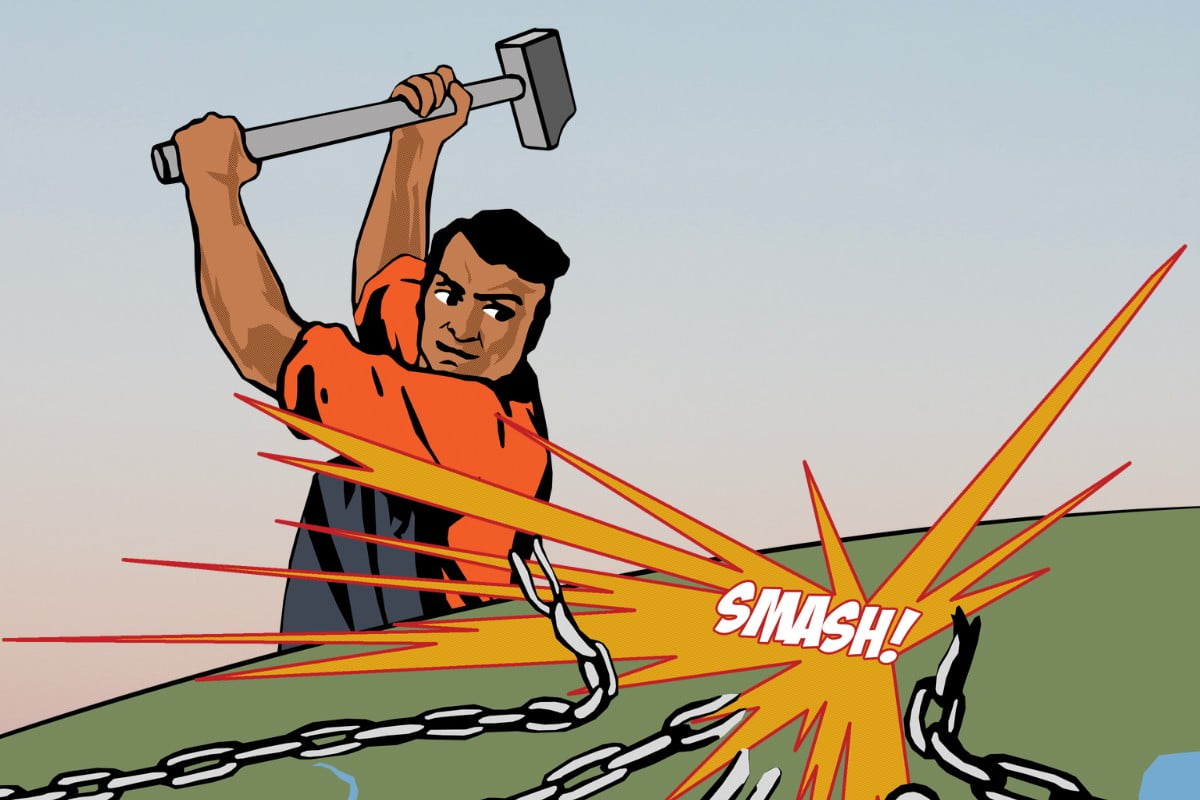
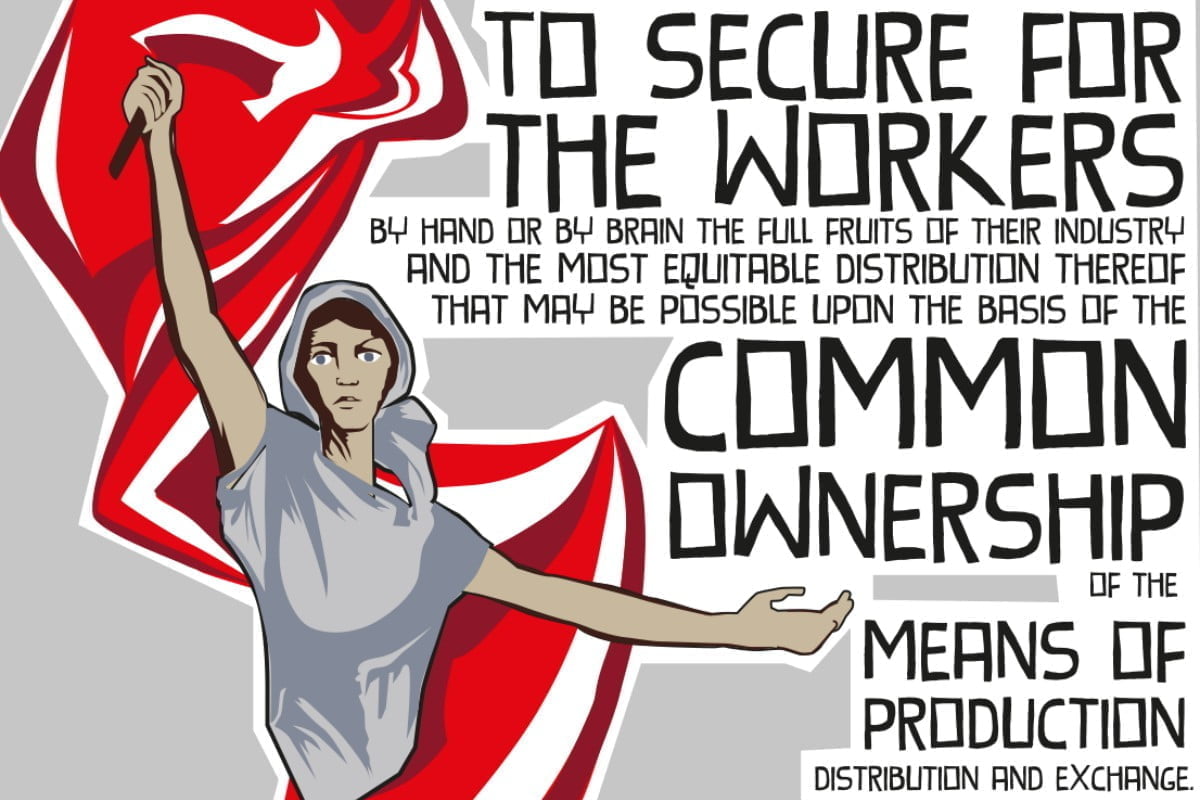
this will continue to be the reality of things. The fightback
should start now, starting
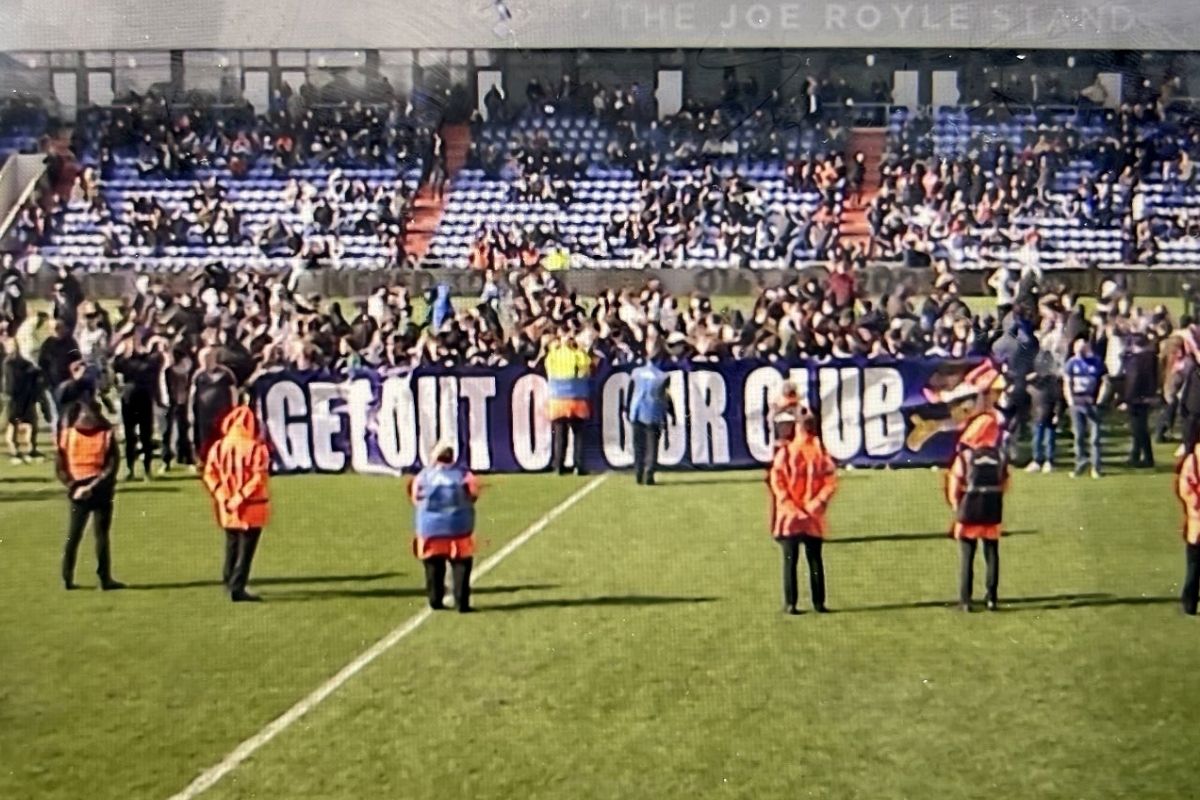
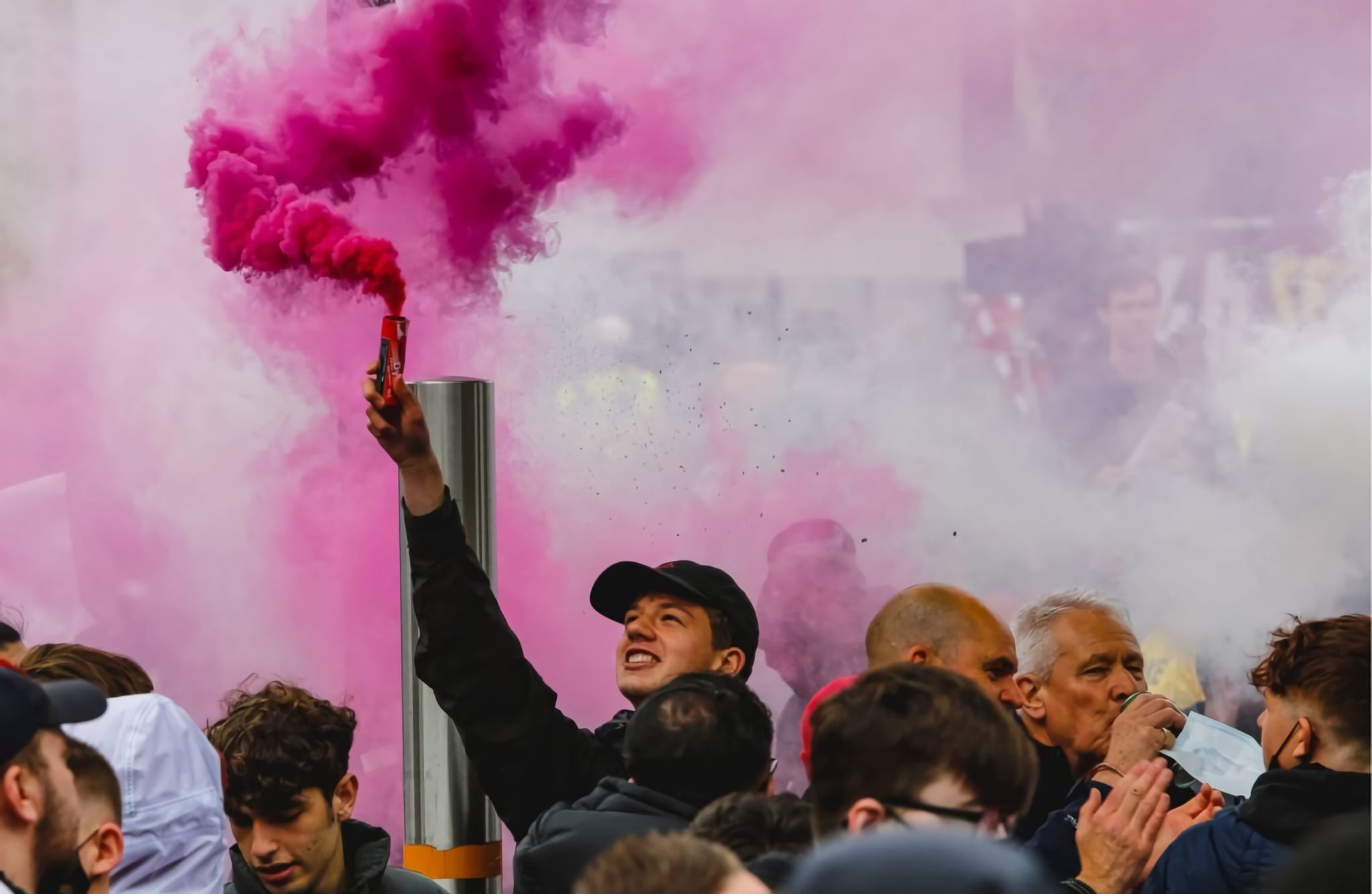
with the grassroots supporters groups, to ensure that fans
have a say in the game,
alongside the players and coaches, and that big business is
given the red card.