Oxford Street protest shows mood of workers
On Wednesday, November 14th, a number of Socialist Appeal supporters in Unite went along to give support to a picket at the
Oxford Circus CrossRail site, organised by the sparks’ rank and file committee.


On Wednesday, November 14th, a number of Socialist Appeal supporters in Unite went along to give support to a picket at the
Oxford Circus CrossRail site, organised by the sparks’ rank and file committee.
‘A company that only makes money is not good business’. This
phrase from Henry Ford does not appear to be an inspiration for Stephen
Odell, the current CEO of Ford Europe. Money seems to be the only
reason for its industrial policy, as shownby the announced plant
closures in Genk and Southampton (UK).The announcement on October 24 of
the plant closures and the layoffs of 4500 workers in Belgium and 500 in
the UK are another nail in the coffin of the European automotive
sector.
On Saturday, October 20th,
the streets of London were once again filled with red flags and
colourful trade union banners as 130,000 workers and youth from all over the
country marched against the austerity policies of the LibDem-Tory
coalition government.
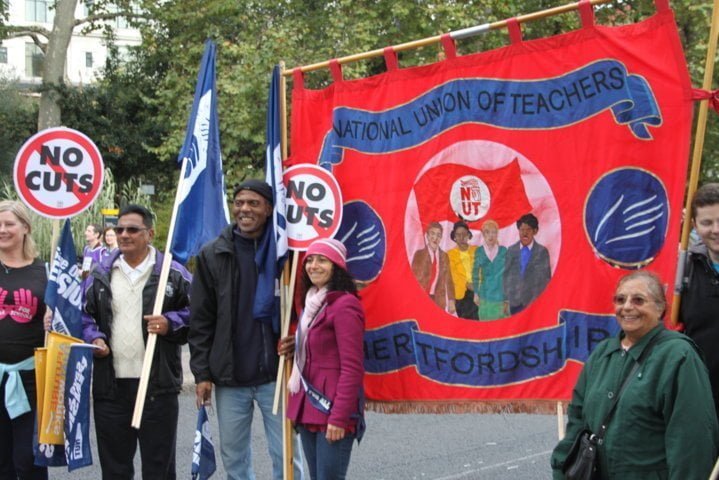
According to official sources, over 100,000 marched through London today (Oct 20) to protest against the austerity regime and cuts being imposed by the government – the actual number who marched was almost certainly much higher. Many workers carried banners and shouted slogans demanding action including a one-day general strike. A full report and analysis will follow but in the meantime here are some photos of the day.
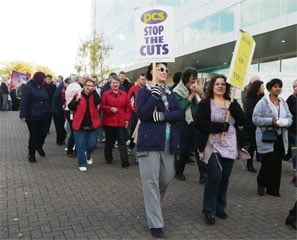
In November last year Francis Maude, Cabinet Office
Minister, told civil servants who were embarking on strike action to protect
their pensions that they could take 15 minutes of symbolic action without loss
of pay. He was ignored and hundreds of thousands walked out in protest over
pension “reforms." This week in Coventry more than 200 PCS members and others took
Francis Maude at his word and walked out for 15 minutes as he was visiting the HMRC
tax office in Sherbourne House where they worked.
A crisp and sunny autumn day
greeted around 2,500 trade unionists as they marched around the back streets
leading onto Broad Street where the Tory Party were at their annual shindig at
the ICC announcing yet more cuts to hit the poor and vulnerable in society.
The national conference in Newcastle of the National Union
of Journalists (NUJ) has passed without opposition a resolution supporting the
Blacklist Support Campaign in their fight to expose the anti-union scandal of
the blacklist being operated in the construction industry.
On October 20th we will witness another massive display of
opposition to the Coalition government. Hundreds of thousands of angry
workers will take to the streets in an attempt to push back the Tory
austerity programme. This is part of a European-wide movement of opposition to austerity
measures, with the latest mass demonstrations being held in Spain and
Portugal. New protests have also erupted in Greece.
28
workers including a UNITE steward and safety rep have been dismissed
from the Crossrail project because of they are members of a trade union.
The unionised workers employed by E.I.S. Electrical were searched and removed from site last Friday at the instruction of Bam Ferrovial Kier (BFK), the consortium of contractors building Crossrail.
A number of unions are organising transport to the October 20 demo in
London. Here are the latest details – we will update these as we go but
the responsibilty for the correctness of this data lies with those who
provided it.
Glasgow electrician Stewart Hume
is being victimised because of his trade union activities during the
recent BESNA dispute. Stewart was one of the leading UNITE rank and file
activists in the country whilst working for Balfour Beatty Engineering Services (BBES) at the Strathclyde Fire & Rescue Training Centre and Ineos Grangemouth Oil Refinery.
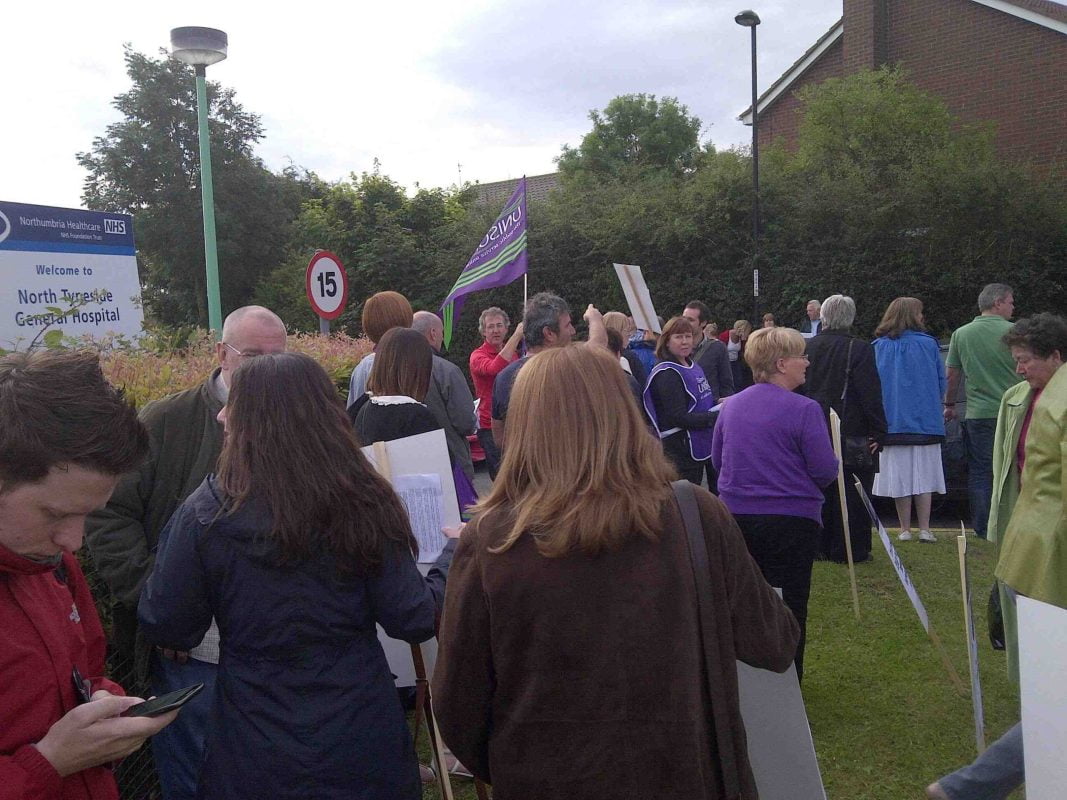
UNISON members employed by Northumbria Healthcare Trust took strike
action today in response to the decision of the Foundation Trust to
slash mileage rates from 47p per mile to 24p. The workers concerned are
Community Nurses, Occupational Therapists, Technical Instructors and
Social Workers, who are required to use a car for work, because they
work in the community covering large distances to meet the needs of
vulnerable, often elderly patients.