Summer is in full swing. The end of last month saw a heatwave, with record temperatures across the country. And further sunny spells are forecast in the coming weeks. Yet conditions in Westminster are veritably frozen.
British politics has been in a state of suspended animation for the past month, since the dust settled on the May elections.
Starmer’s Labour received a hammering from voters everywhere: in local councils across England, as well as in the Senedd and Holyrood elections in Wales and Scotland, respectively.
Ever since, Keir Starmer has been a zombie prime minister: in office, but not in power; just waiting for a leadership challenger to send him to his grave.
All eyes are on the Greater Manchester constituency of Makerfield when it comes to breaking this political thaw.
Will Andy Burnham win the upcoming by-election and gain a seat in Parliament, before moving into Number 10? Or will he lose to Reform, marking an end to his ambitions to be Labour’s next leader and the UK’s latest premier (the seventh in ten years)?
For most people outside the Westminster bubble, it will make little difference either way. Whoever sits at the helm in Downing Street, British capitalism is heading for disaster.
Only a revolutionary transformation of society can offer a way out of this impasse.
Contagious crisis
The political situation in Britain may be logjammed. But globally, things have never been so turbulent.
Policymakers across the planet are bracing themselves for a tsunami of inflation, as Trump’s ongoing war on Iran drives up the price of energy and food.
In turn, central bankers are weighing up possible interest rate rises, meaning increased borrowing costs for businesses and households.
This financial squeeze could well be enough to tip the world economy into a new slump, leading to a wave of bankruptcies and a spike in unemployment.

The system has never been so unstable; so pregnant with contradictions.
The markets are jittery and anxious. Any number of ‘accidents’ could pop the almighty bubble in AI and tech stocks. Similarly, there is a ticking time bomb of debt in the foundations of the world economy, ready to detonate at any moment.
Either in isolation would have catastrophic consequences. And most likely, trouble in one sphere would lead to contagion into the other, as crisis spreads across the global economy.
Whether it be conflict in the Middle East or panic on the markets: it is clear that there is no shortage of potential triggers for the next major crash – and no lack of inflammable material for such a spark to alight.
Broke and broken
British capitalism is particularly vulnerable to this storm and stress.
The IMF estimates that annualised UK economic growth will slow to just one percent due to the shock of the Iran War. Meanwhile, inflation is predicted to rise to 3.5 percent by the end of the year, as higher fuel and fertiliser prices percolate across the world economy.
For ordinary families, the impact will be devastating.

Energy bills are set for an imminent hike of 13 percent, affecting millions of households. Unemployment has already crept over 5 percent nationally, and is only set to get worse as the economy tightens. And real wages are effectively stagnant, with workers caught in a vice of higher prices and a cooling jobs market.
Young people are bearing the brunt of this crisis. Youth unemployment has risen to 16.2 percent. Over one million 16-24 year-olds are now officially classed as ‘NEETs’ – not in employment, education, or training. And recent reports suggest that this number could rise by a quarter by the end of the decade, provoking warnings of a ‘lost generation’.
Broke and broken: this is the only future that capitalism has to offer.
Bankers’ blackmail
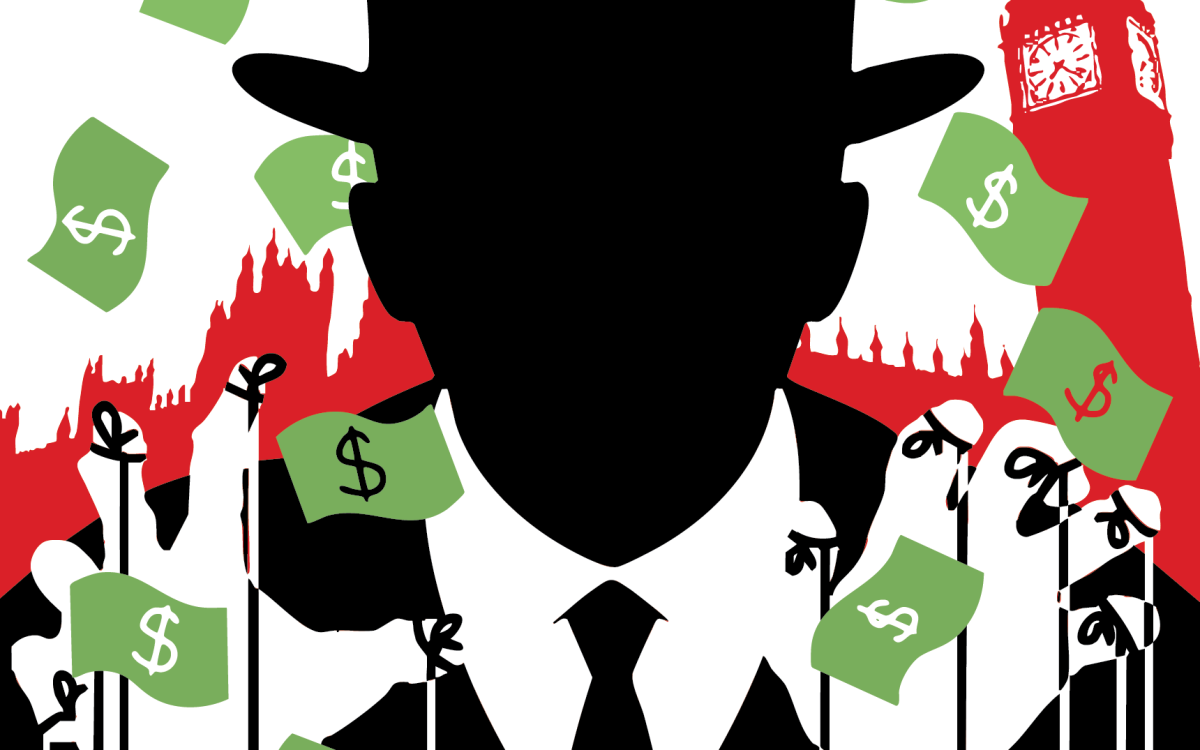
This combustible cocktail of economic fragility and political instability has led to stern warnings from the country’s creditors: the billionaires and bankers who lend to the government by buying up British debt bonds.
These so-called ‘bond vigilantes’ have been increasingly vocal in asserting their interests – putting pressure on Britain’s political leaders to ensure that their assets are not threatened by any ‘irresponsible’ economic policies.
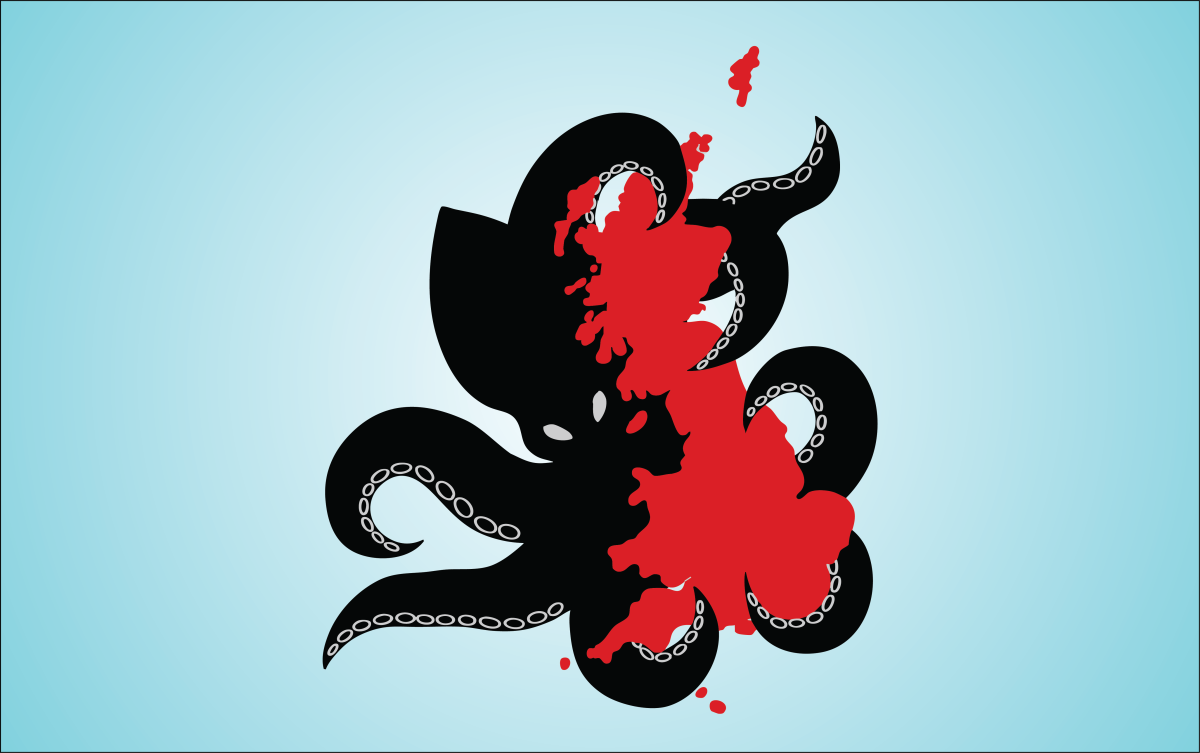
In short, this means implementing an austerity agenda; balancing the government’s budget on the backs of workers and the poor.
And if mutinous MPs don’t comply, then the logic of the market will kick in and the capitalists will go on strike, taking their money elsewhere.
This financial blackmail demonstrates clearly who really governs the country: not elected politicians in Westminster or Whitehall, but super-rich investors and hedge-fund managers in the City of London and Wall Street.
Careerist chameleon
At the same time, this episode has also revealed the true colours of careerist chameleons like Andy Burnham.
The Manchester Mayor is a canny political operator; an opportunist of the highest order. He has no fixed ideas or outlook. The only consistent thing about him is his desire to climb the greasy pole.
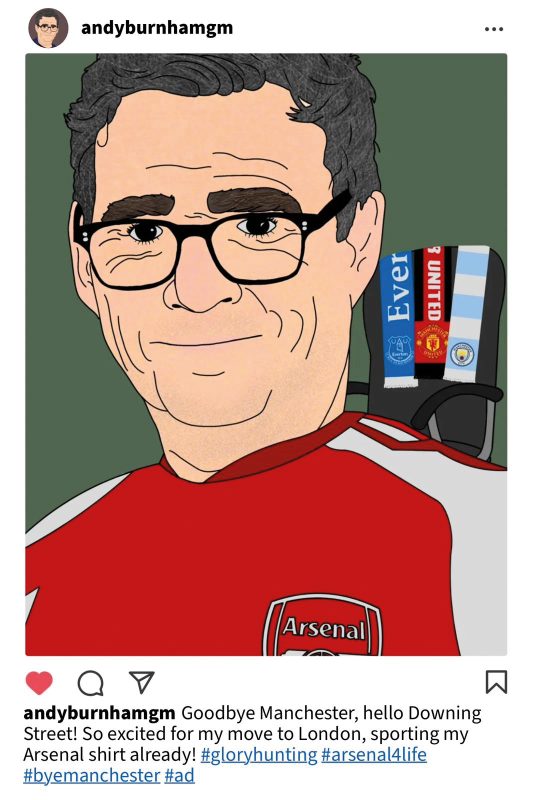
In his 2010 bid for the Labour leadership, for example, Burnham was an openly Blairite candidate, defending NHS privatisation and other New Labour ‘achievements’. Running again in the 2015 leadership race, however, he tacked left and courted the unions.
He has spent his entire life within the machinery of the Labour Party and Westminster politics. Yet in recent years he has cultivated an image as a champion of the underdog. And now – just like his Reform opponent in the Makerfield by-election – he is presenting himself as an ‘outsider’, standing up for the ‘ordinary bloke’ against the elites.
Yet everyone can see that, for Burnham, Makerfield is only the latest stepping stone on his path to 10 Downing Street.
In this respect, Burnham ascribes to Marx’s motto – not Karl, but Groucho: “I have my principles, and if you don’t like them…I have others.”
Emperor’s new clothes
Rhetorically, then, Burnham always reads the room and dresses to fit the occasion. But the pressures of the bankers are quickly revealing the naked reality of the emperor’s new clothes.
Previously, the Manchester Mayor had made superficially-radical noises about how the government should not be “in hock to the bond markets”.
But more recently, following warnings from investors and their representatives, he has changed his tune. Now Burnham is committing to follow Labour’s ‘fiscal rules’ – that is, to carry out the cuts that British capitalism requires.
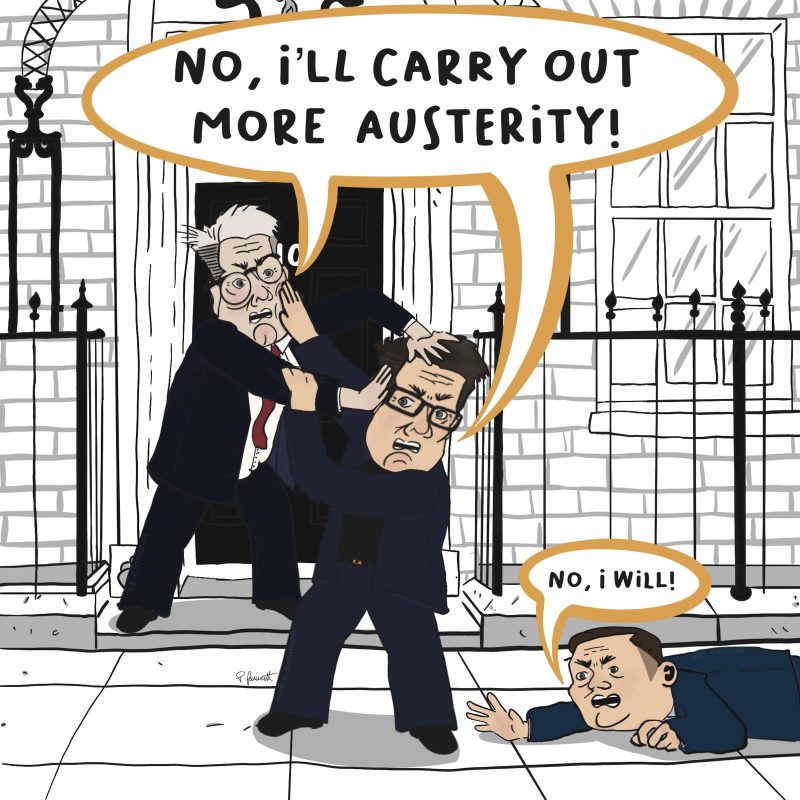
In other words, not only do Keir Starmer and his potential successors – Andy Burnham and Wes Streeting – all look and dress the same. Their political programmes are identical also.
No matter what promises they might make in order to get elected, the truth is that they are falling over one another to appease the capitalists, and to administer the bitter medicine of austerity that the billionaires demand.
Shades of Green
The upcoming contest in Makerfield has also acted as a political prism, revealing that the Green Party is in fact composed of a whole spectrum of shades and colours.
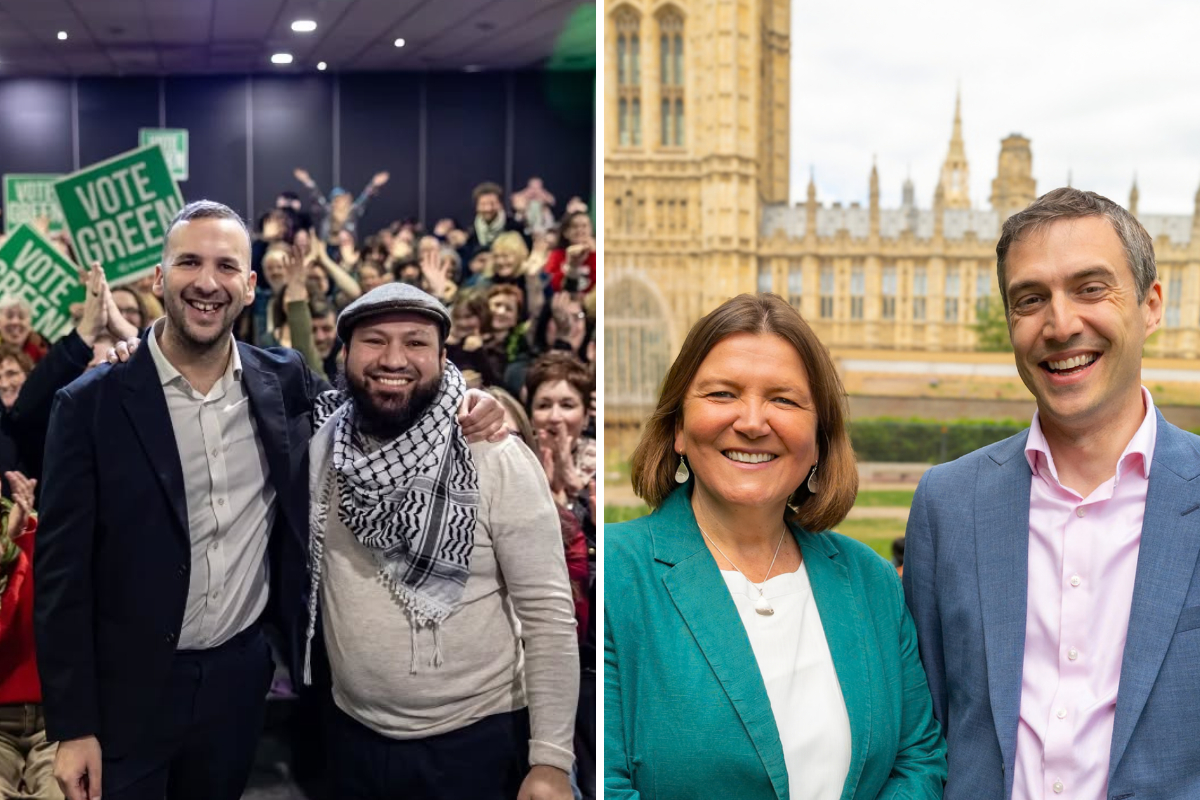
‘Eco-populist’ Zack Polanski was elected as Green leader thanks to a surge of new, radicalised members into the party, attracted by his left-wing demands in relation to Gaza, the cost of living, inequality, and austerity.
Yet the party’s traditional social base was a heterogeneous mix of petty-bourgeois environmentalists, do-gooders, and parochial NIMBYs, including a cavalcade of Tories on bikes.
And these more conservative elements – including some newly-elected councillors – are not happy with the Greens’ direction of travel under Polanski’s leadership.
Most notably, an old-guard faction – with figureheads like former party leader Caroline Lucas – has raised its head recently, calling on the Greens to effectively step aside in Makerfield, in order to assist a Burnham victory and keep out Reform.
Popular frontism
This is a harbinger of future schisms and splits within the Greens.
On the one side is a liberal wing who see the party’s primary political role and priority as aiding the formation of a ‘progressive alliance’ to stop Farage from coming to power.
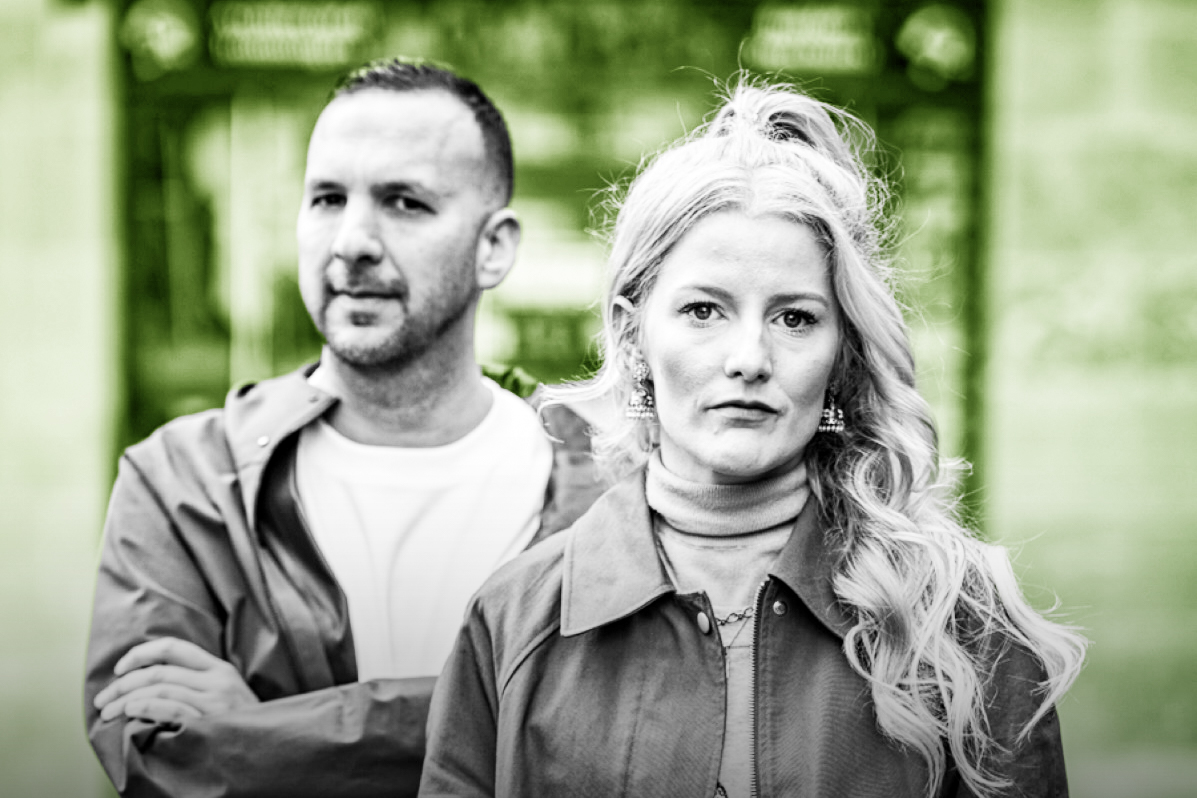
In essence, this means the Greens playing second-fiddle to a Burnham-led Labour Party; acting as a protest vote to ‘put pressure’ on other parties; and watering down their policies to the lowest common denominator in order to forge an anti-Reform coalition.
On the other side is a more radical wing of grassroots activists and supporters who are looking towards Polanski’s party precisely because they want a break with the political status quo. These layers want the Greens to replace Labour, not cosy up to them electorally.
Workers and youth in this camp no doubt also would like to see Farage and Reform beaten. But they feel and understand, consciously or otherwise, that this is not best achieved by joining forces with Labour and the Liberals – precisely the discredited, despised political establishment that many Reform voters are actively seeking to reject.
Such instincts are entirely correct. Popular front politics offer no solution for the left.
To fight the right effectively requires an independent class approach: a bold socialist programme and methods of militant mass struggle.
Revolution against the billionaires
In reality, neither Burnham nor Polanski will be a saviour for the left.
The former calls for ‘business-friendly socialism’; the latter offers an eclectic but tepid brew of vibes-based platitudes and soundbites.
In either case, their programmes ultimately amount to the same thing: a futile effort to reform and regulate the decrepit capitalist system.
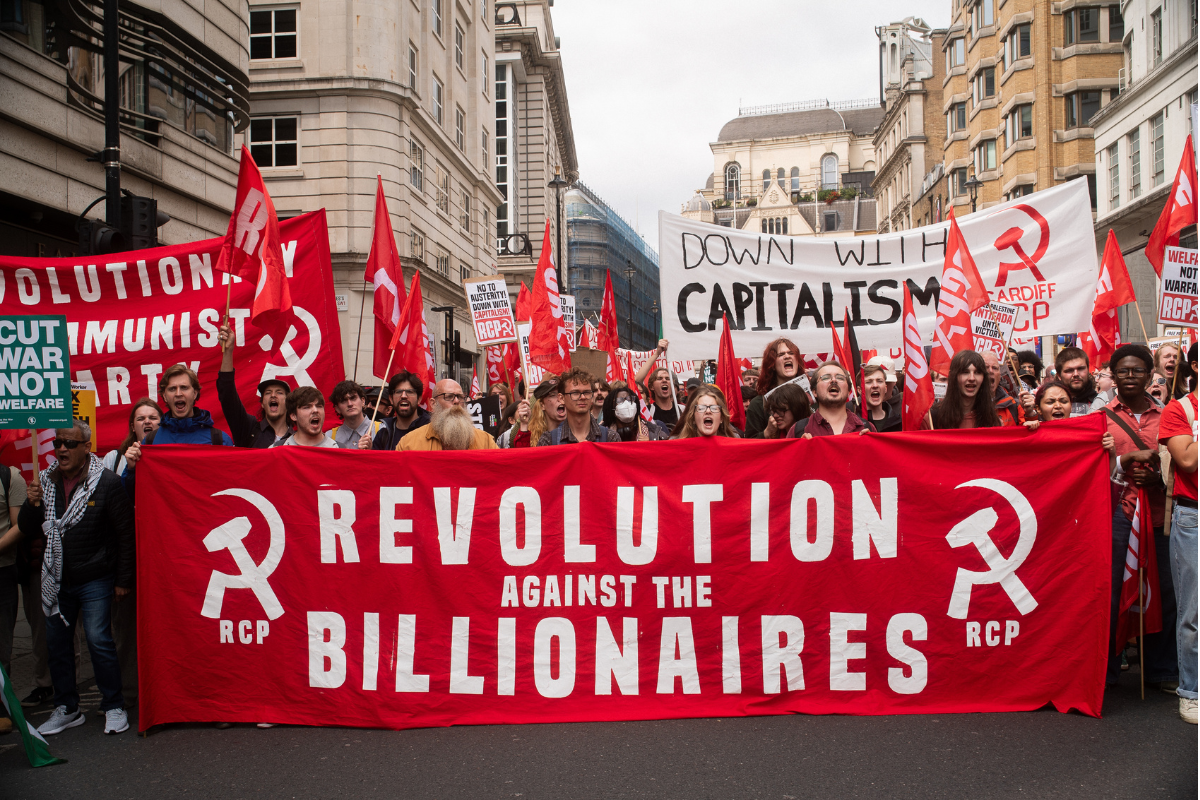
Neither will genuinely challenge the domination of the bankers and bond holders. Neither will be able to mend broken Britain. And neither has the consistent class-based ideas and approach needed to decisively defeat Farage, Reform, and the forces of reaction.
Only a throughgoing revolution – to overthrow capitalism and plan the economy along socialist lines – can achieve all of this.
Only by expropriating the billionaires, wiping out the Epstein class, and putting power in the hands of the working class can we put an end to austerity, war, and all the miseries of capitalism.
And only by getting organised as communists can we bring about this real, socialist change. Join us in this struggle.