On the surface, the results of the recent elections in Scotland suggest a certain degree of political and social tranquility north of the border.
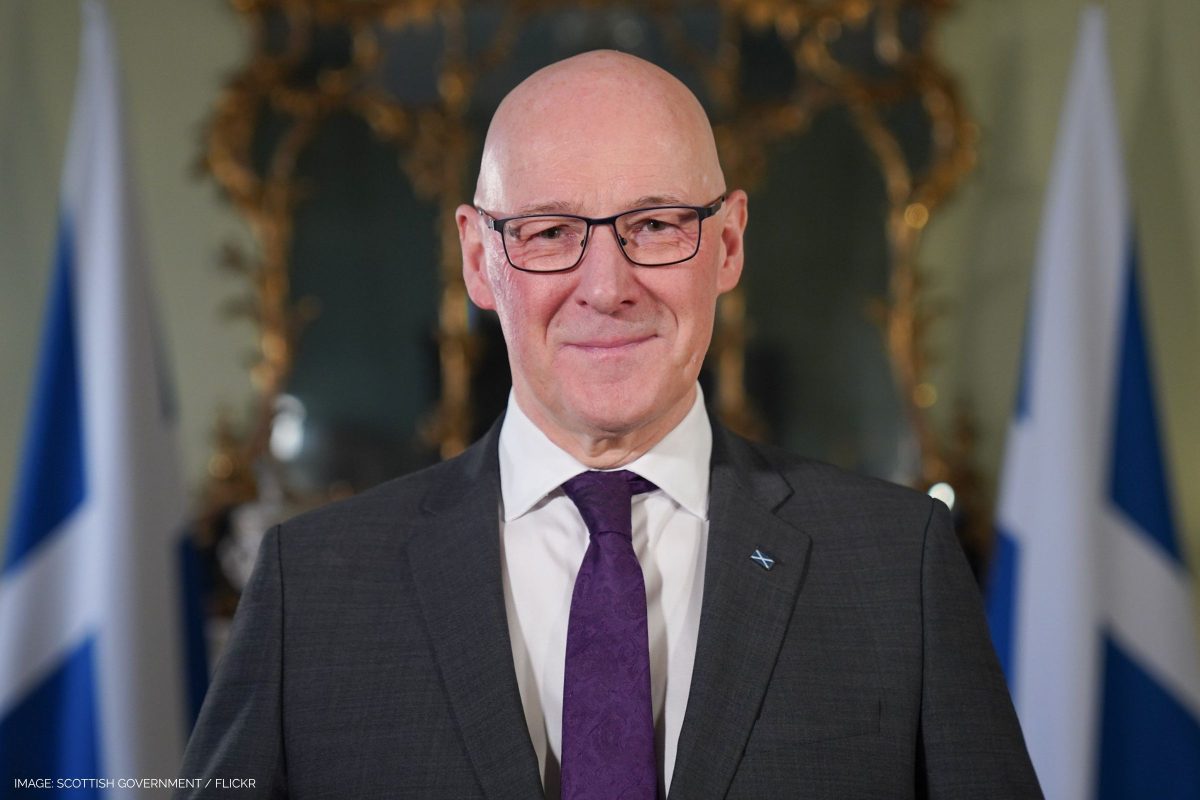
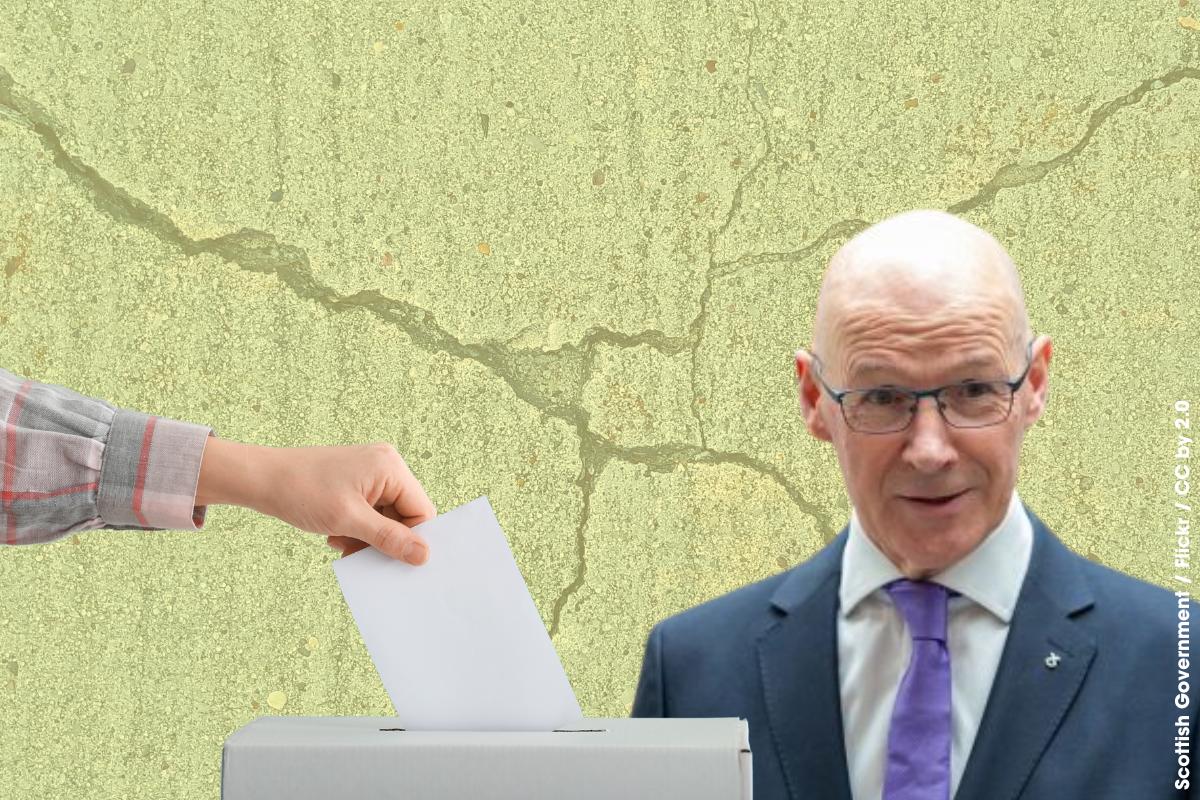
The SNP (Scottish National Party) have won their fifth Holyrood election in a row. But with 58 of the 123 seats available, John Swinney’s party has not won an outright majority. Due to Scotland’s proportional electoral system, this has only ever been achieved once, in 2011.
This victory is in spite of the SNP’s widespread unpopularity. The party has an overall disapproval rating of 54 percent, which gets even worse in terms of voters’ top issues – such as the economy (65 percent), the NHS (70 percent) and housing (69 percent)
The SNP’s failings have not gone completely unnoticed. They lost six seats, alongside 9.5 percent and 13.2 percent of the constituency and regional vote share, respectively.
So how have they clung onto power?
Greens and ‘indy-abstainers’
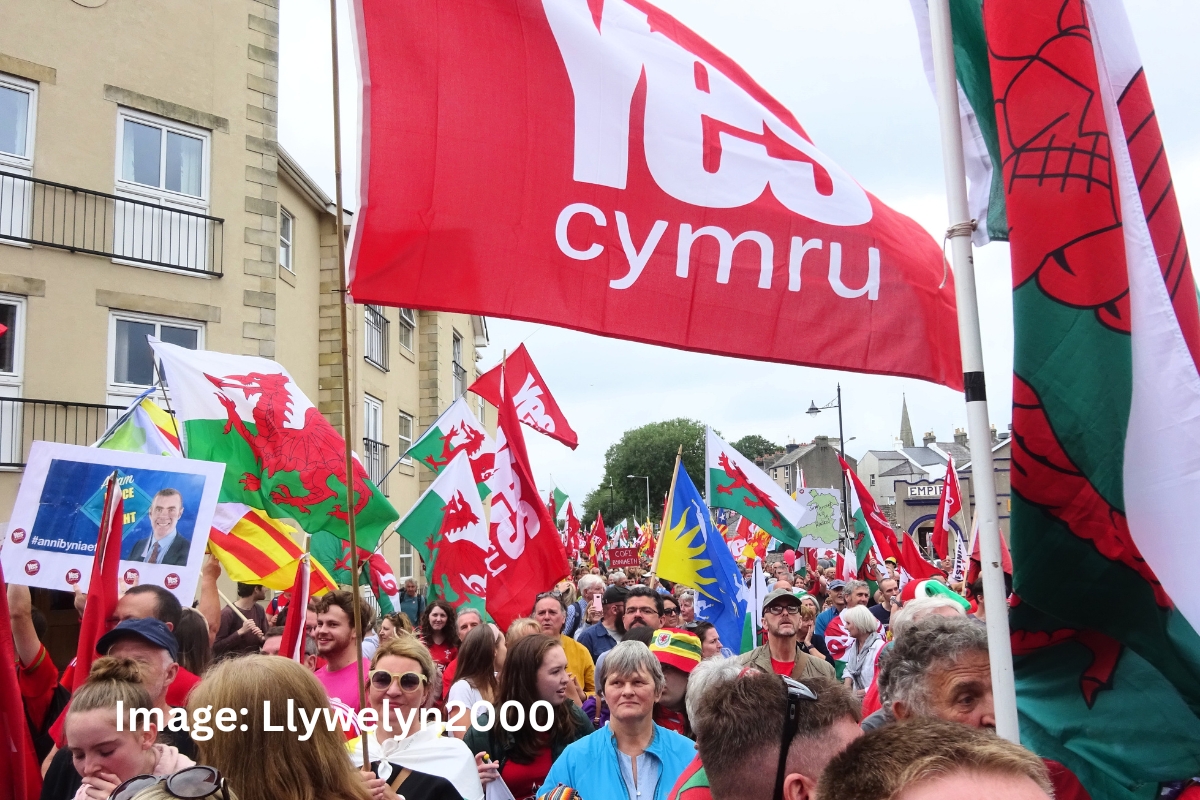
 In Scotland, the unresolved national question still dominates politics – splitting the parties into nationalists (SNP and Scottish Greens) and unionists (Tory, Reform, Labour, Lib Dem).
In most seats, the only option for pro-independence workers is to vote for the SNP, with the Scottish Greens only standing in six out of 73 constituencies.
The Greens did relatively well where they did stand, however, picking up 13 MSPs on the list and their first two constituency MSPs.
Most notable was the victory of former co-leader Lorna Slater in Edinburgh Central over the incumbent SNP MSP, Angus Robertson. This is a seat with a lot of students, many of whom are radicalised by the question of Palestine.
The ousting of Robertson, who held secret meetings with members of the Israeli government, is a resounding rejection of the SNP’s flirtations with Zionism and their empty promises to the Palestine movement.
Overall, however, thus far, the Scottish Greens have not shown much ability to break with the SNP.
In fact, in a hustings, Slater referred to their part in the SNP government as proof of their anti-Zionist credentials! This closeness to the SNP is the Greens’ biggest weakness.
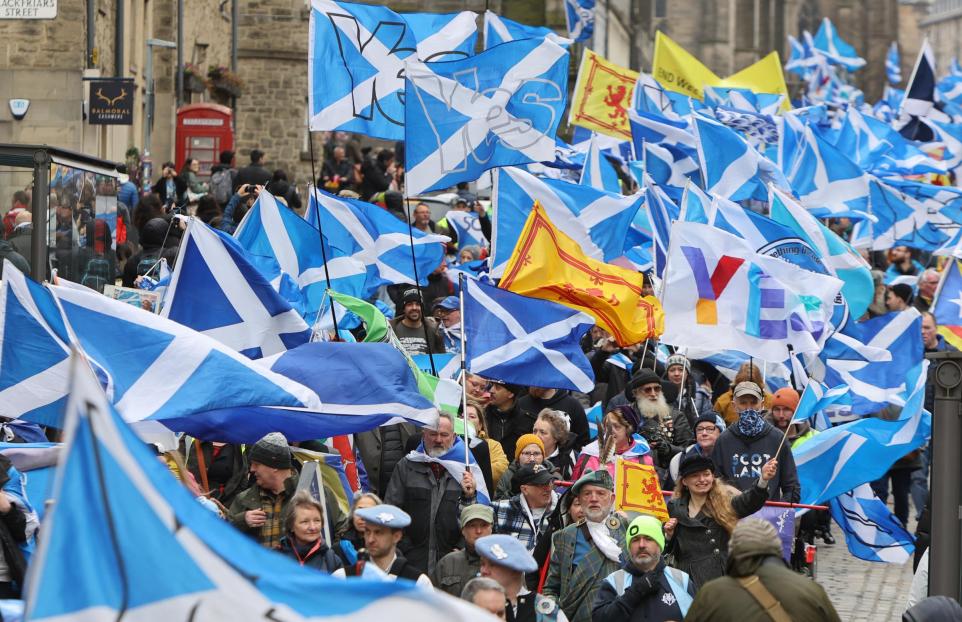 Many pro-indy voters, in the absence of other options, will have held their nose and voted for the SNP – despite their record in power, not because of it.
Others, the so-called ‘indy-abstainers’, will have not voted at all. This demographic likely made up a significant portion of the almost 50 percent of the electorate who didn’t vote on this occasion.
This low turnout is not historic. But it marks a 10 percentage point drop from the heights of 2021, when the SNP government emerged with widespread popular support from the pandemic.
Unholy alliance
In the run-up to the election, Lord Offord, leader of Reform UK in Scotland, claimed that Scottish Labour wanted to form a pact – an unholy alliance – with his party against the SNP.
It is ironic, then, that both Labour and Reform won 17 MSPs, and will share the honour of being Swinney’s opposition.
Scottish Labour leader Anas Sarwar, with clear delusions of grandeur, ran his campaign claiming he had a shot at being the next First Minister.
This looked possible after the 2024 general election, where Labour gained dozens of seats in Scotland at the SNP’s expense.
To consolidate on this result at these Holyrood elections would have been a significant result, considering the deep discrediting of Labour in Scotland since 2014.
As they say, however, pride comes before a fall – not least when ‘Sir’ Keir stands behind you on a cliff edge!
Sarwar and his party in Scotland have tried to keep their distance from Downing Street, in an effort to avoid being tarnished by the growing hatred towards Starmer’s Labour nationally.
In Westminster, Scotland’s Labour MPs have simply declined the opportunity to speak or put forward motions. One recent study even found that the party’s Scottish representatives have been the ‘laziest’ during this parliament.
Nevertheless, despite his stern words for the Prime Minister, Sarwar has paid the price for the failings of Starmer’s Labour.
LATEST: Anas Sarwar has said he will ‘absolutely’ be staying on as Scottish Labour leader despite a disastrous result for his party in the Holyrood election pic.twitter.com/FOaMFONpN7
— The National (@ScotNational) May 10, 2026
Reform’s result in Holyrood, meanwhile, is around what was expected. They picked up all their seats from the proportional vote – emerging as an opposition to the establishment unionist parties, but failing to challenge the SNP in the first-past-the-post constituencies.
In particular, Offord’s party gave his old friends the Tories a battering, with the Scottish Conservatives losing a whopping 19 MSPs.
What next?
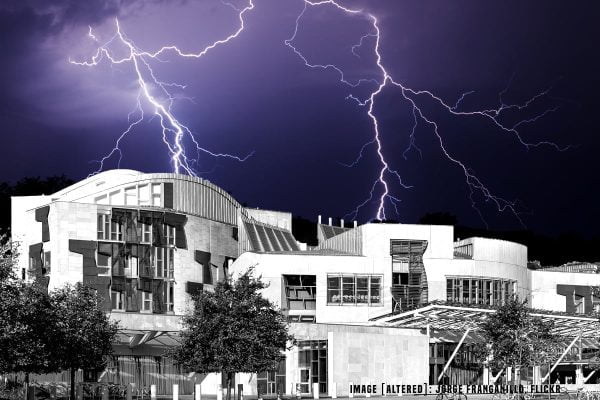 Swinney’s minority government now faces a fractured Holyrood. And with few chips left to bargain with when it comes to his budget, Scotland’s First Minister is going to suffer a series of headaches.
Added to this is the introduction of Reform into the equation. This will add a new source of instability to political proceedings.
Most importantly, Swinney will have to face up to Scottish workers and youth. After years of overseeing Scotland’s failing infrastructure, soaring poverty, and a deep sense of social decay, Swinney and his party will not be given any honeymoon period.
Unable to deliver independence or meaningful reforms, increasing numbers will ask what the SNP are good for. And they will come to the conclusion: precisely nothing.
This is why the RCP in Scotland is building energetically.
We fight for a Scottish Workers’ Republic and a socialist planned economy: not ‘independence’ within the confines of capitalism, as the SNP proposes; not reformism without reforms, but a real revolutionary alternative.