With elections for Holyrood, the Scottish Parliament, less than two weeks away, pollsters and pundits have begun to speak of the Scottish National Party (SNP) achieving the unthinkable: winning an outright parliamentary majority.
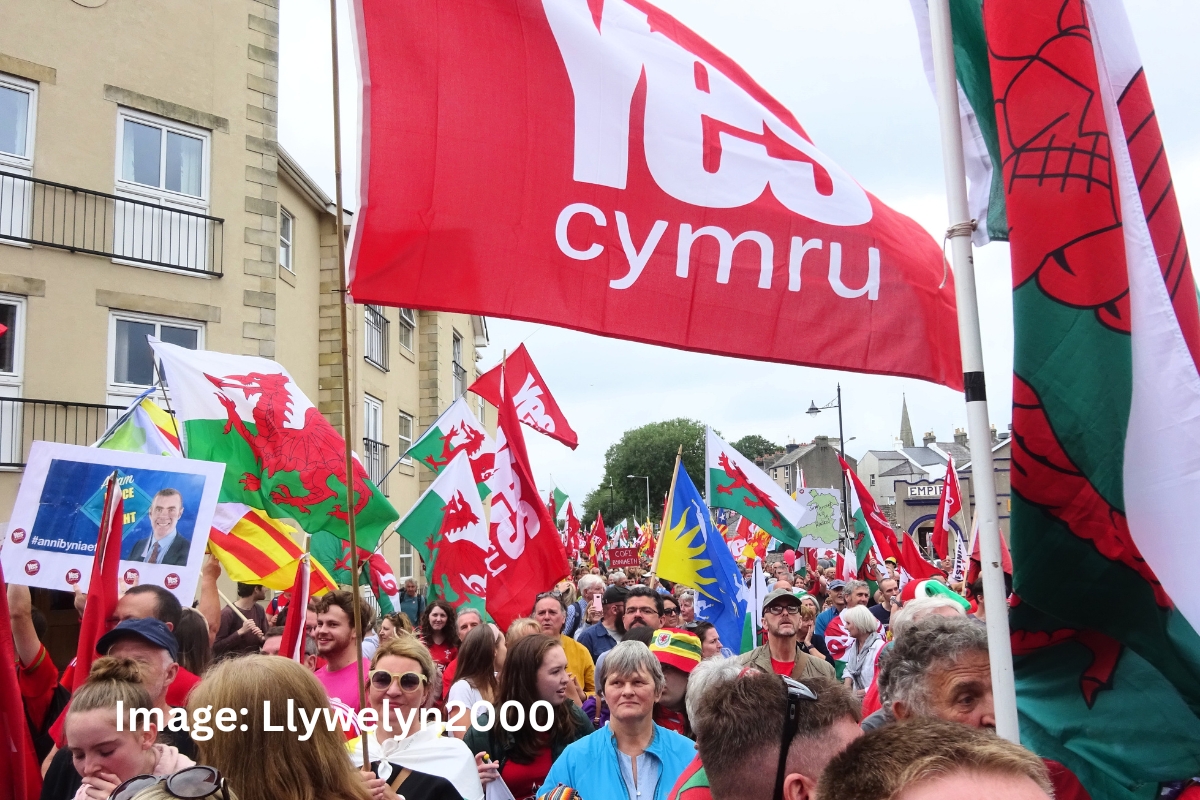
On this basis, some claim, there will be a mandate for a new push towards Scottish independence.
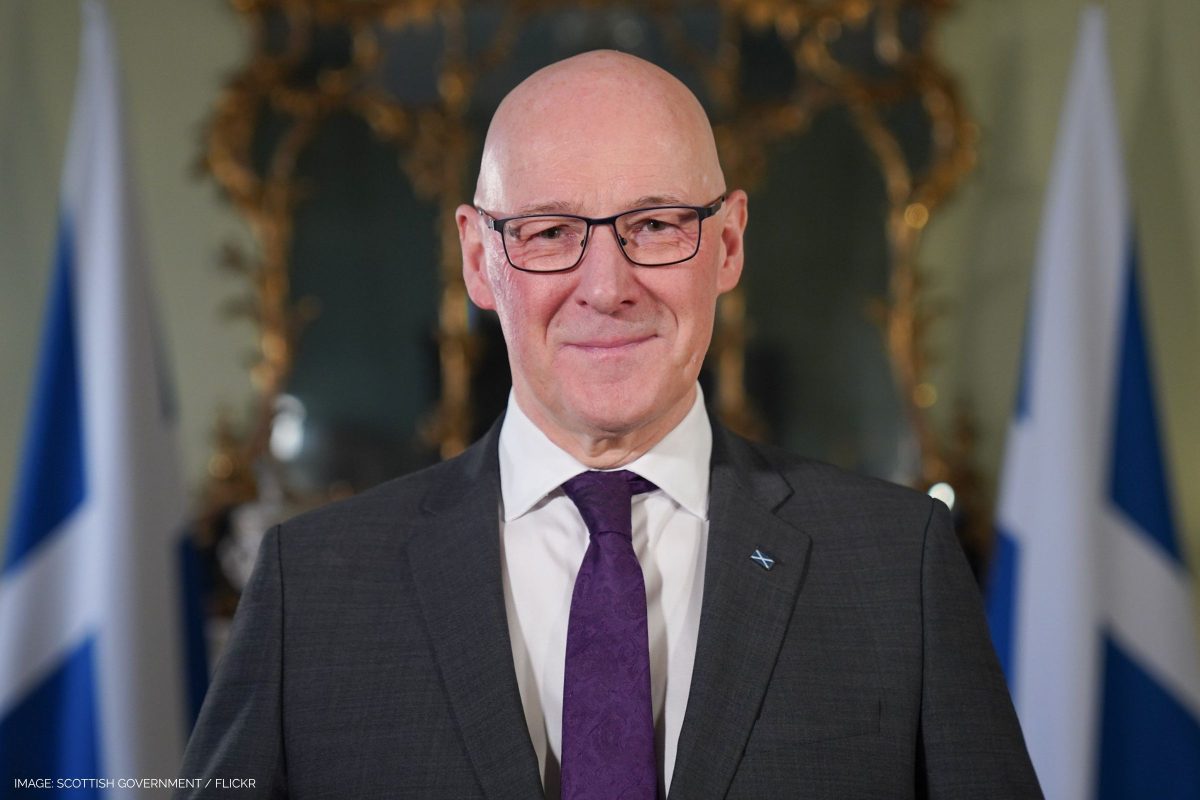
Polling trends and electoral analysis suggest that the SNP could win up to 67 of the 129 Scottish Parliament seats. In turn, SNP leader and First Minister John Swinney has asserted that such an outcome would lead to renewed demands for a second independence referendum, possibly in 2028.
No doubt these promises, like the many that have come before, are designed to appeal to the broad swathes of pro-independence feeling throughout Scotland, so as to bolster SNP support at the ballot box. Whether this plan will work out, however, is open to question.
Independence impasse
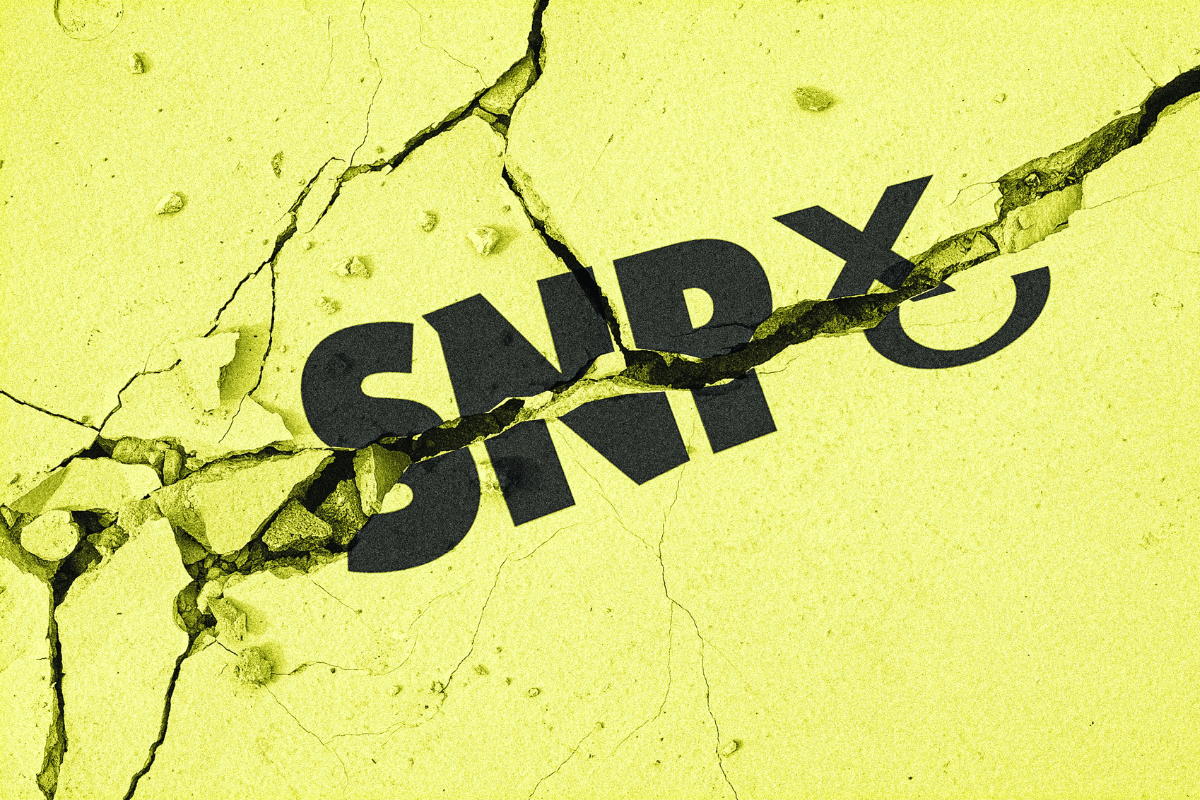
It is important to understand that, due to the quirks of the Scottish electoral system, any SNP majority would be the product of a decline – rather than an increase – in the party’s support compared to the 2021 election.
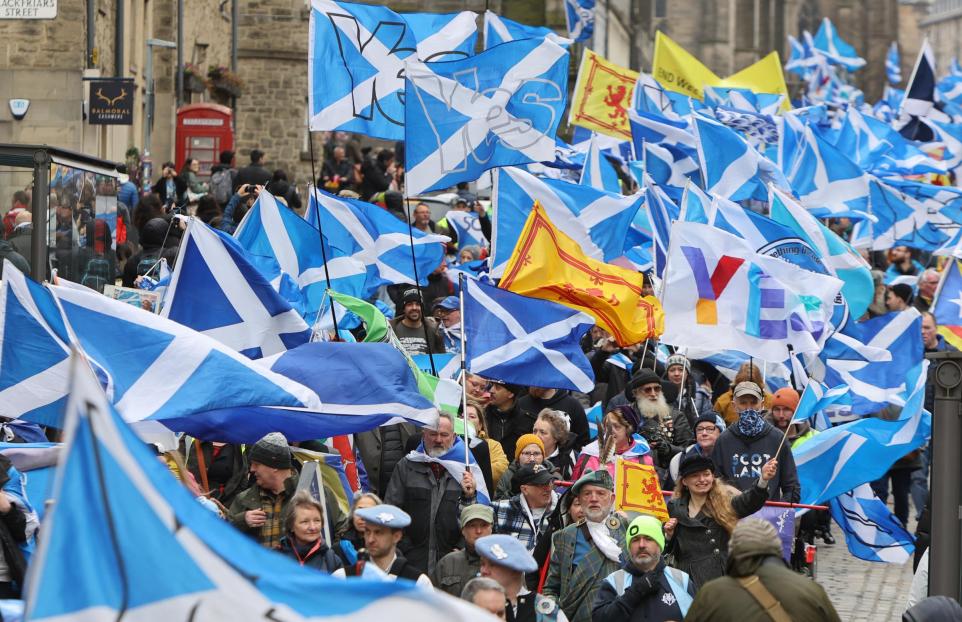
This fact will hardly be lost on Keir Starmer, as he upholds Westminster’s denial of Scottish self-determination.
Nor will the SNP find it so easy to rally the independence movement behind itself going forwards.
The movement is becoming sharply divided between those who think that only electing the SNP can bring about independence, and those who view the SNP’s ‘play by the rules’ strategy as an obstacle to this goal.
Many in the latter camp are also sick of Scottish government leaders cynically using the independence cause to excuse the social and economic decline seen in Scotland under the SNP’s twenty-year rule.
The SNP leaders constantly make big promises about tackling the cost of living and so on. But these only ever amount to small change.
Scant choice
Those who want a break from the SNP have few options, however. Most – if they vote at all – will likely feel compelled to cast a ballot for Swinney’s party as the ‘lesser evil’, to keep out Reform UK.
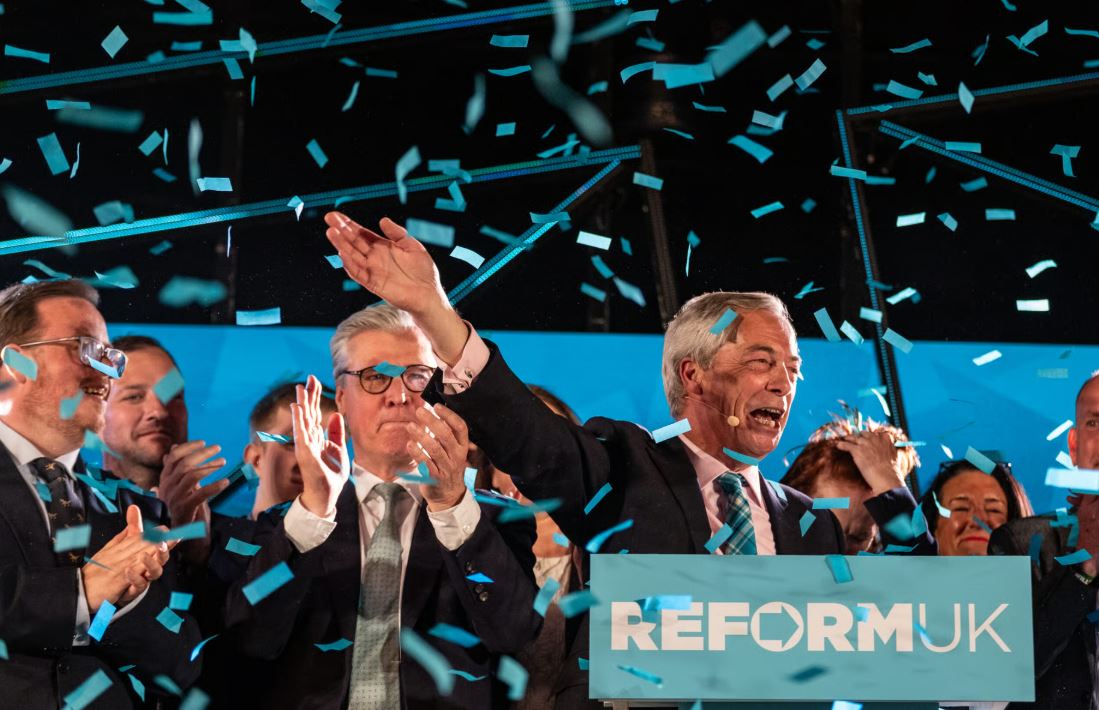
Nigel Farage’s party – led in Scotland by His Lordship, the Baron Malcolm Offard – looks set to be second or third in the Scottish Parliament according to the polls. This would represent a huge political upset for the guardians of Holyrood’s cosy consensus.
This is the ‘choice’ dominating the latest elections north of the border: between the SNP, a key component of the political establishment in Scotland, and Farage’s reactionary gang of demagogues and Tory defectors.
No wonder there is so little political enthusiasm or interest about the upcoming elections amongst ordinary folk in Scotland.
This stands in stark contrast to the electric mood amongst comrades of RCP, as we strive to build the revolutionary alternative that workers and youth need, in Scotland and beyond.