The results are in. And in London, as in the rest of the country, the local elections have been a bloodbath for Starmer’s Labour.
Britain’s governing party has lost 459 council seats across the capital, hanging on to just a quarter of its positions, in a city that had long been a Labour stronghold.
Class hatred
Labour’s fall was especially spectacular in former bastions like Hackney, Lambeth, Brent, and Newham.
These are some of the areas that have been hardest-hit by the cost-of-living crisis, and by cuts to council budgets that have impacted upon everything from social housing, to the provision of services for children with special needs, to bin collections.
While the Tories were in Westminster, working-class Londoners were willing to keep giving Labour a chance, blaming the Conservatives for any austerity.
But with Starmer in power, the willingness of these councils to simply pass on cuts to ordinary workers has been well and truly unmasked, just as the pressures of everyday life get harder to bear.
Add to that the burning anger over Labour’s complicity in Israel’s genocide, and their ties to the Epstein class, and you have a finished recipe for class hatred against Starmer’s party.
The wins don’t stop…
28 Greens elected in Lambeth to become the largest party 💚 pic.twitter.com/IgGOEA30x9
— The Green Party (@TheGreenParty) May 9, 2026
Reform gains
As in the rest of the country, the rejection of the old two-party system was loud and clear.
The Tories did not benefit one iota from Labour’s collapse. Instead, Reform has finally broken through in the capital, gaining 13 percent of the vote overall, and winning big in Havering council.
Reform’s first year in office in ‘Kent chaos council’, as it has been dubbed, has already shown how this ‘anti-establishment’ force acts when in power.
Working-class residents in Havering can therefore expect nothing but austerity and attacks, as Reform councillors try to balance the books at their expense.
Green revolt
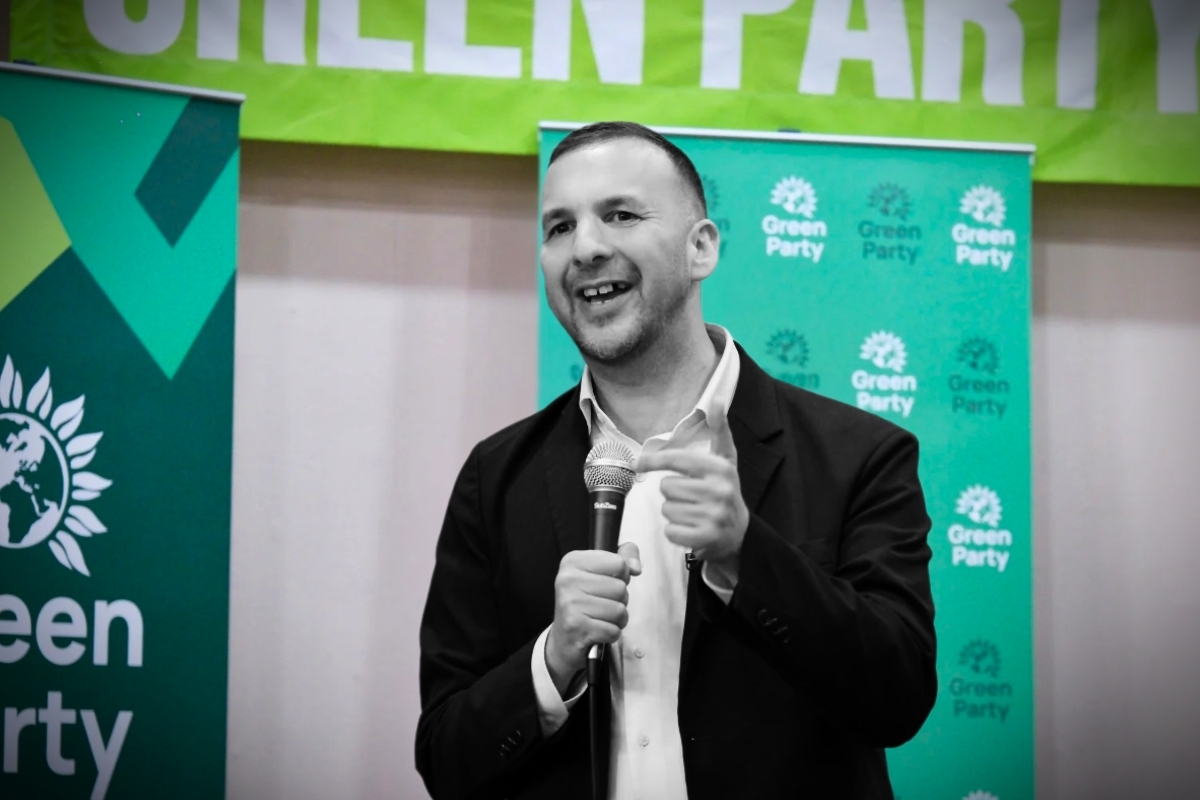
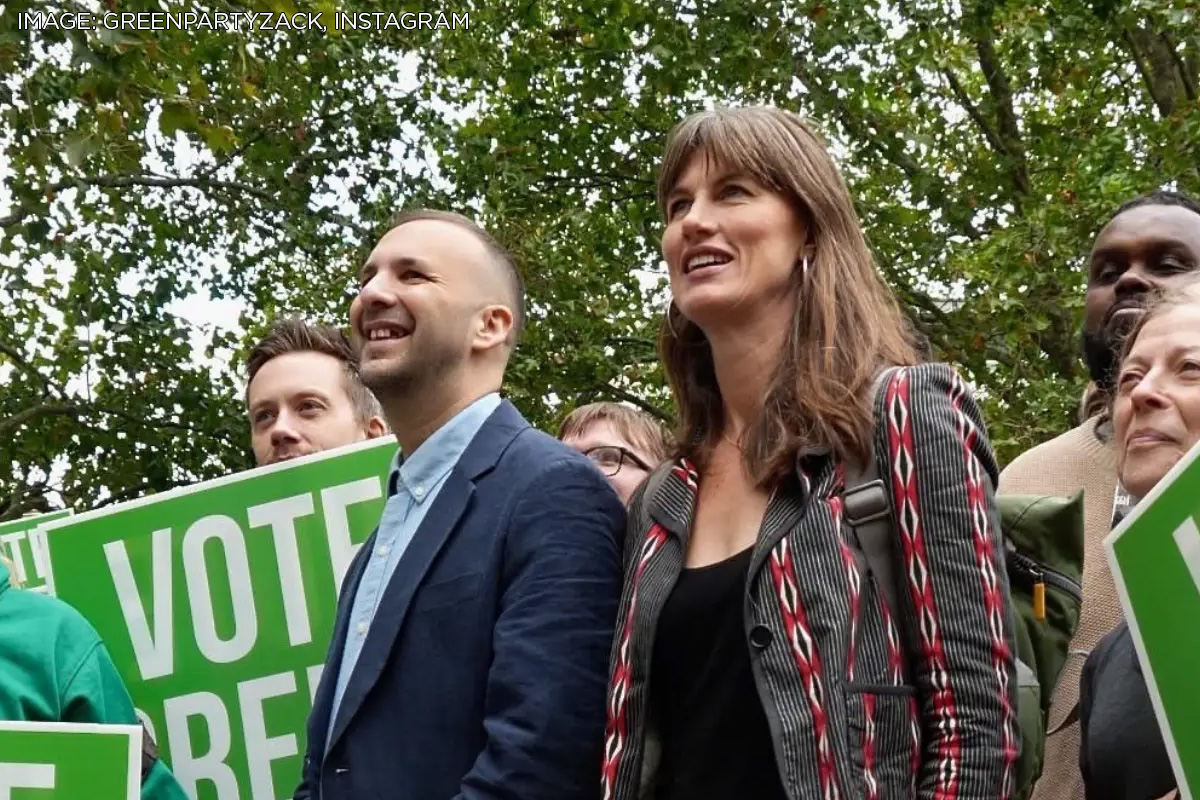
The Greens, meanwhile, have taken over in areas that used to be solidly Labour.
In Lambeth, for instance, the Greens gained 27 seats, pushing Labour out of power. Green candidates here ran on a radical programme to “unionise every worker and tenant” in the borough, alongside pledges to oppose immigration raids and divest from all companies linked to the genocide in Gaza.
This is a breath of fresh air in a borough where one Labour councillor was expelled by his party for even daring to raise questions about Palestine!
Unlike what the smears in the mainstream media suggest, the Greens are not simply ‘the Palestine party’. They are also increasingly perceived by ordinary voters as the only anti-austerity party in Britain.
View this post on Instagram
As Zoe Garbett, the newly-elected Green Mayor of Hackney, announced in her victory speech to a rapturous applause: “I don’t want to tweak around the edges, I’m going to change the system.”
Fight the cuts
The task that now faces incoming Green councillors is how to carry out their manifesto promises.
When Garbett was pressed as to how she will live up to her pledges, which focused on addressing poverty and expanding social housing, she responded: “I do think there’s a lot we can deliver with the powers we’ve already got.”
But we must be honest. At a time when councils across London are not only chronically underfunded, but extremely indebted to HM Treasury and private investors, no amount of ‘fully-costed’ budgeting or ‘clever’ financial trickery is going to change people’s lives.
The only realistic road to deliver on the Greens’ promises – to eradicate inner-city poverty, and more – will be to organise a militant mass campaign against cuts and austerity.
Green councillors must base themselves on grassroots community organisation, alongside the wider trade union movement, in order to oppose the closure of local services, reverse outsourcing, and tackle the cost-of-living crisis.
Tinker or transform?
The coming period will put these new political forces to the test, in London and beyond. At the same time, mass movements, industrial militancy, and social unrest will continue to be stirred up by the deepening crisis of capitalism.
The Green’s leaders will soon find themselves at a crossroads: either ‘tinker’ with the system, and fruitlessly manage the decline of our boroughs; or overthrow the system, by mobilising the working class to fight back.