Nationalists. Populists. Insurgents. Independents. None of the above. These were the assorted winners of yesterday’s May elections.
The losers? The upholders and former beneficiaries of Britain’s crumbling two-party system: Labour and the Tories.
The biggest loser of all is ‘Sir’ Keir Starmer, the establishment’s loyal – but hated and hapless – servant, whose premiership now hangs by a thread.
The Labour leader has signalled his intention to battle on, despite the humiliating hammering that he and his party have received from voters.
Even if the Prime Minister does survive this electoral battering, however, he will be a wounded animal, just waiting to be put out of his misery.
When exactly Starmer will depart from Downing Street, we cannot say. But what is certain is that the coming period will be one of extreme turbulence in British politics, no matter who resides in Number 10.
We are entering into a new era of heightened instability at all levels: economically, politically, and socially.
So strap yourself in. It’s about to be one hell of a rollercoaster ride.
Labour wipeout
The votes are still being counted. The results from many of the most important contests – most notably for the devolved parliaments in Wales and Scotland, and for many London councils – have yet to be announced.
Nevertheless, it is clear that Labour is on course for a drubbing across the country.
Starmer’s party has already surrendered control of a number of local authorities, such as Hartlepool, Tamworth, and Sunderland. In former strongholds in the North West like Wigan and Tameside, meanwhile, Labour lost almost all the positions it was defending.
🚨Wow. Reform UK has taken Sunderland council from Labour – another Labour stronghold falls for the first time in 50 years! pic.twitter.com/PgmrXpLPyT
— Zia Yusuf (@ZiaYusufUK) May 8, 2026
According to the latest projections, around 1,500 Labour councillors could lose their seats in total – around two-thirds of those being defended by the party at this election.
This would mark the worst local election performance by any party this century: a dire warning for Labour MPs of the wipeout they will face at the next general election.
Kick in the teeth
Local elections can be shaped by all manner of municipal matters. But stepping back, it is evident that this year’s vote has essentially been treated as a referendum on Starmer’s government.
Turnout in many places was up, with reports of queues outside of polling stations, as voters mobilised to deliver Britain’s political establishment a kick in the teeth.
BREAKING:
⚠️ Huge queues forming outside voting stations across Redbridge, East London, where Muslim independents are predicted to do well.
Everyone WILL be allowed to vote if they stay in the queue.
Polling stations will NOT close at 10pm.
Do NOT go home because you WILL be… pic.twitter.com/gROnGWjW18
— 5Pillars (@5Pillarsuk) May 7, 2026
Even Labour officials have been forced to acknowledge the bloody nose they have received from the electorate.
“We’ve been punched in the face by the country,” admitted one ally of Starmer – before appealing to mutinous Labour MPs not “to keep punching ourselves in the face” by plunging the party into a scrappy leadership contest.
Seemingly oblivious to his party’s electoral meltdown, Starmer has hunkered down. “I’m not going to walk away,” the PM stated, responding to the incoming results. Such a decision would “plunge the country into chaos,” the Labour leader asserted.
But the country is already in chaos. British capitalism is a sinking ship. And whoever commands this vessel will go down with it.
Voting for Palestine
Not only local and national issues, but international questions too, have played a role in Labour’s devastating defeat.
“On average,” notes UK election expert Sir John Curtice, “Labour’s vote is down by 16 points on that in 2022 – and even more – by 19 points compared with 2024.” But most notably, this drop “has been especially sharp in places where the party was previously strongest and in wards where many people identify as Muslim.”
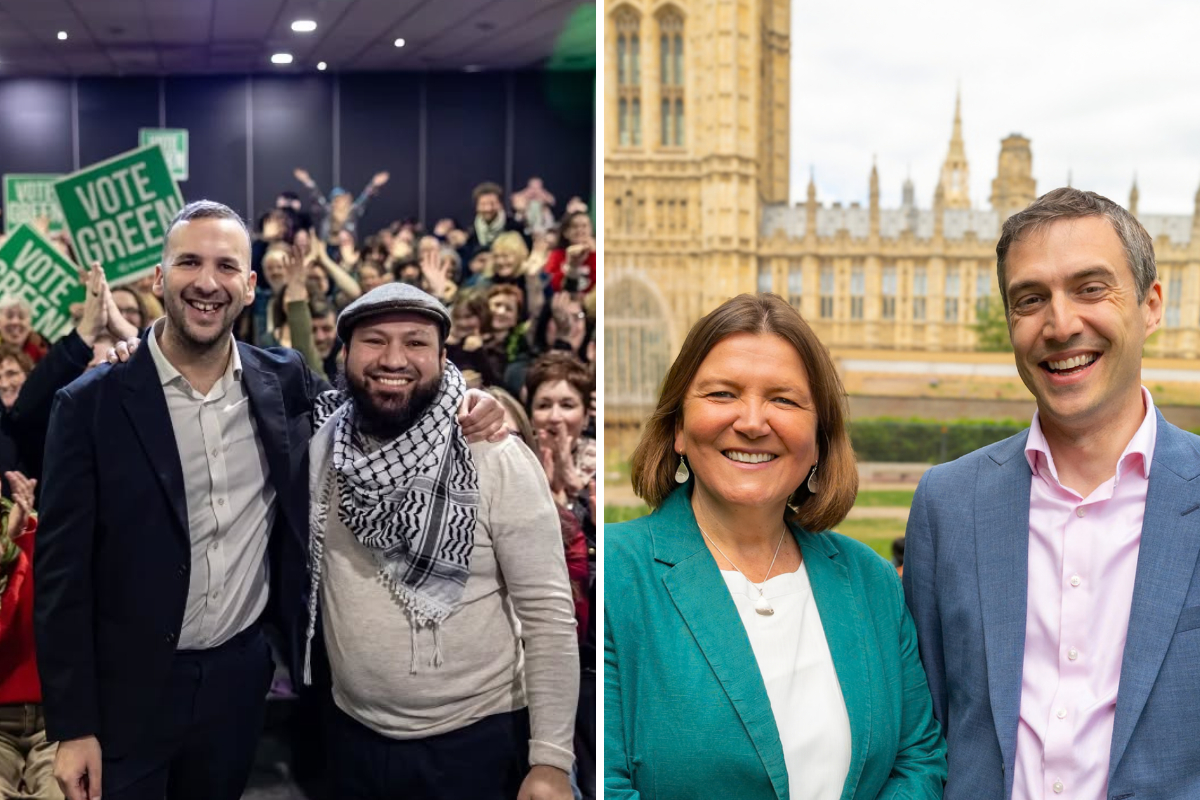
Similarly, in London, the Greens have picked up the mayoralties of Hackney and Lewisham, and could gain control of several councils in the capital.
BREAKING: Second Ever Green Mayor Win 🎉
Liam Shrivastava has been elected Mayor of Lewisham – huge congratulations! pic.twitter.com/7YLwNky0jN
— The Green Party (@TheGreenParty) May 8, 2026
This is no doubt due to Starmer’s stance in relation to Palestine. He and his government have aided and abetted the genocide in Gaza. And workers and youth in Britain will never forgive or forget when it comes to these murderous crimes.
The result is that Starmer’s Labour – tarnished by its associations with the Israeli state and the Epstein class – is now haemorrhaging support towards Zack Polanski’s Greens on its left.
This, in turn, explains why the Labour leaders and the entire British establishment have ramped up their scandalous smears and attacks against Polanski and the Green Party in recent weeks, most notably with vicious accusations of antisemitism.
But this cynical attempt to weaponise racism no longer cuts as sharply as it did in the Corbyn years. Ordinary people can see the aim of this ploy: to slander the left, and distract attention away from the real racists – the migrant-bashing warmongers in Westminster.
Political fragmentation
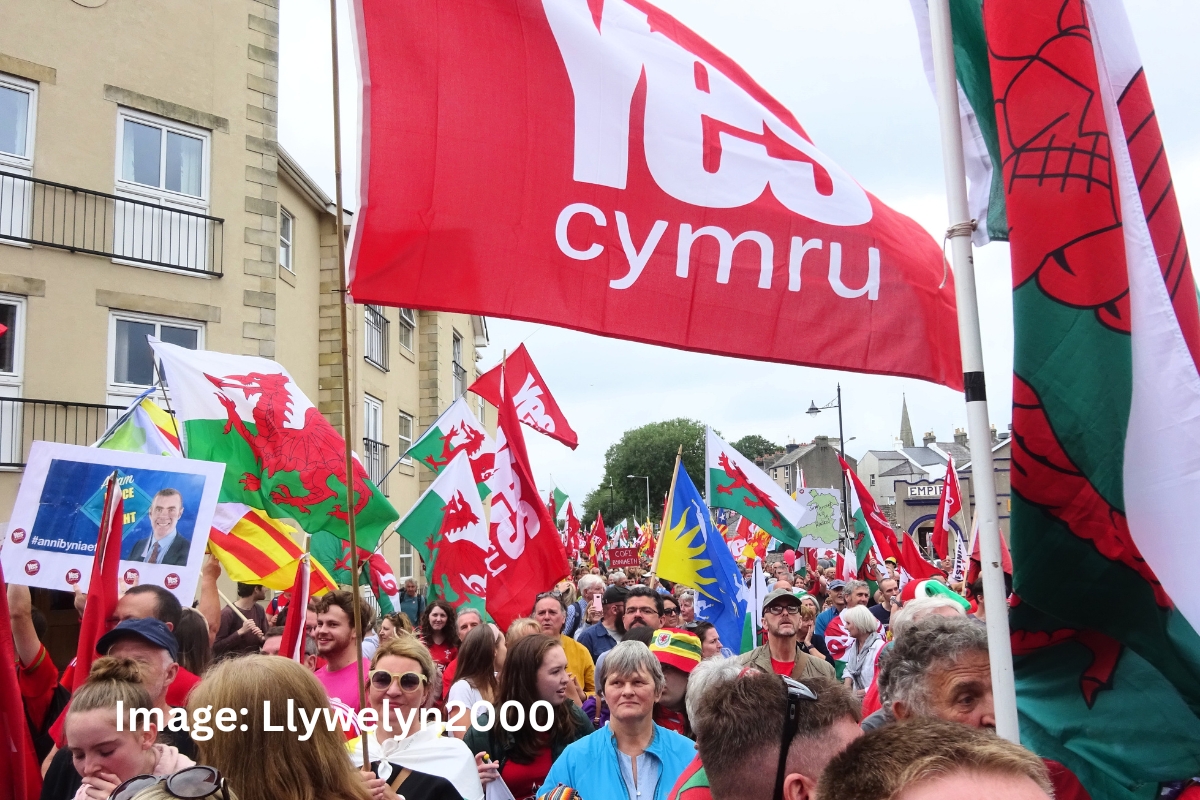
At the time of writing, Nigel Farage’s Reform UK have been the main beneficiaries of Labour and the Tories’ demise. But Plaid Cymru, the SNP, and the Greens are all set to gain at the traditional parties’ expense also.
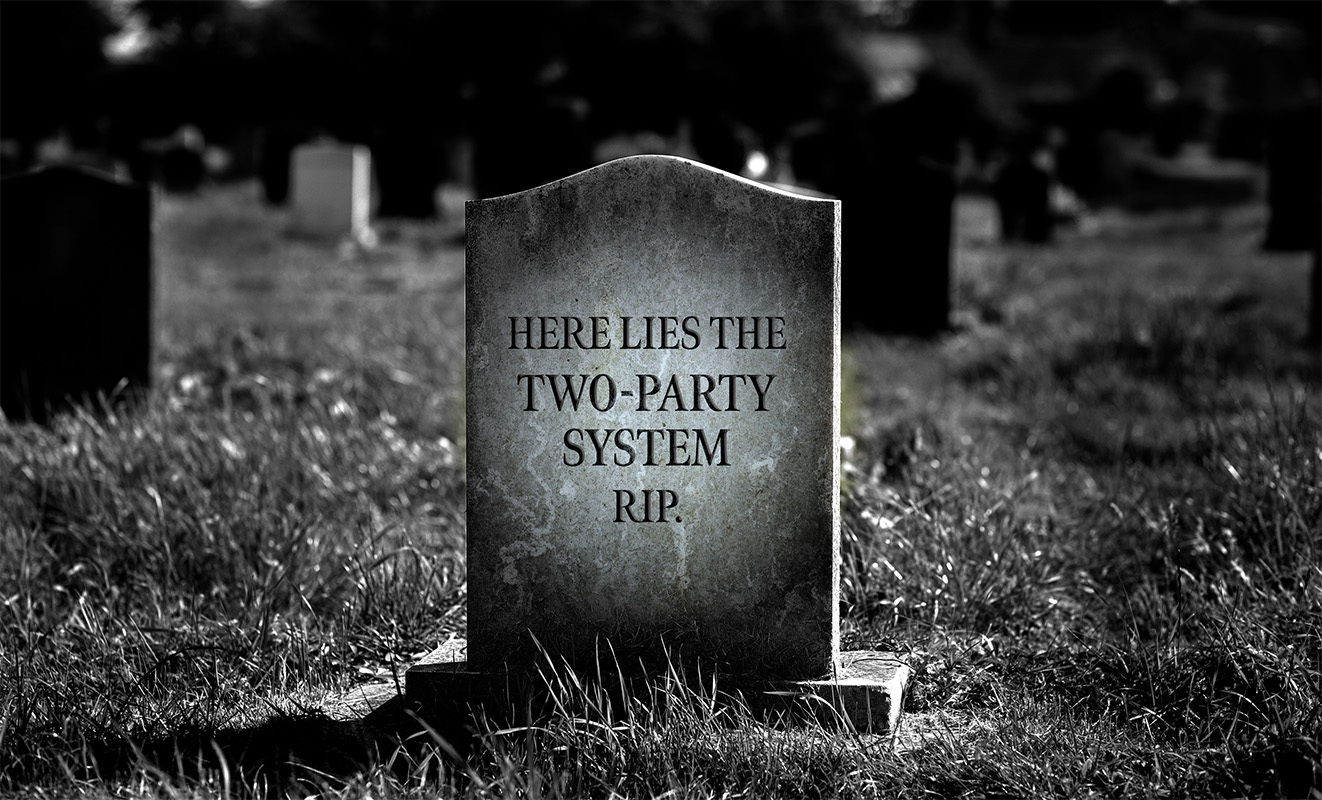
This is the latest manifestation of the collapse of Britain’s old two-party electoral system, which has dominated both in Westminster and in local government for the last century.
With the rise of Reform and the Greens, and nationalist parties on course to hold power in Wales and Scotland, we are entering into a new, stormy era of seven-party politics.
This fragmentation of the UK’s political landscape was already on display in other bellwether elections in recent years: from the victory of pro-Palestine independent candidates in the 2024 general election; to Plaid’s capture of Caerphilly in last October’s Senedd by-election; to the Green Party’s win in the recent by-election in Gorton & Denton.
Indeed, last year’s local election results were similarly a warning to the British establishment that their trusted two-party – Tweedledum, Tweedledee – arrangement was beginning to fray.
But now this setup has received another nail in its coffin, with voters making clear their disdain for – and rejection of – capitalism’s status quo, and all those who are seen to defend it.
Disaster ahead
The result is a political picture that would give Joseph’s biblical coat a run for its money when it comes to its array of colours.
This is an unprecedented disaster for Britain’s ruling class.
The old two-party system provided a certain stability for British capitalism. For the last one hundred years, the Tory and Labour leaders could generally be relied upon, taking it in turns to govern on behalf of the bankers and bosses.
But now the ruling class has no good options when it comes to a champion who can defend their interests – precisely at a time when their system, in Britain and globally, is plunging ever-deeper into crisis, with rising inflation and a new economic downturn on the cards.
The Tories are utterly discredited. Starmer is loathed and impotent; unable to push through the cuts that the capitalists demand. And Farage and Polanski cannot be fully trusted, given the anti-establishment sentiments they have whipped up.
Capitalist straitjacket
For now, therefore, the ruling class is stuck with Starmer, as the least bad choice.
Britain’s billionaire creditors have made it clear that they do not want to see the current Labour leader go, given the enormous pressure from below that any successor would come under to oppose austerity.
“What the gilt market fears is a new leadership more towards the left of the party who is going to adopt a more fiscally expansive mandate,” said one asset manager at financial giant Vanguard, for example, commenting on the wobbles in the price of British bonds and the value of the pound that have accompanied recent rumours about Starmer’s potential departure from Downing Street.
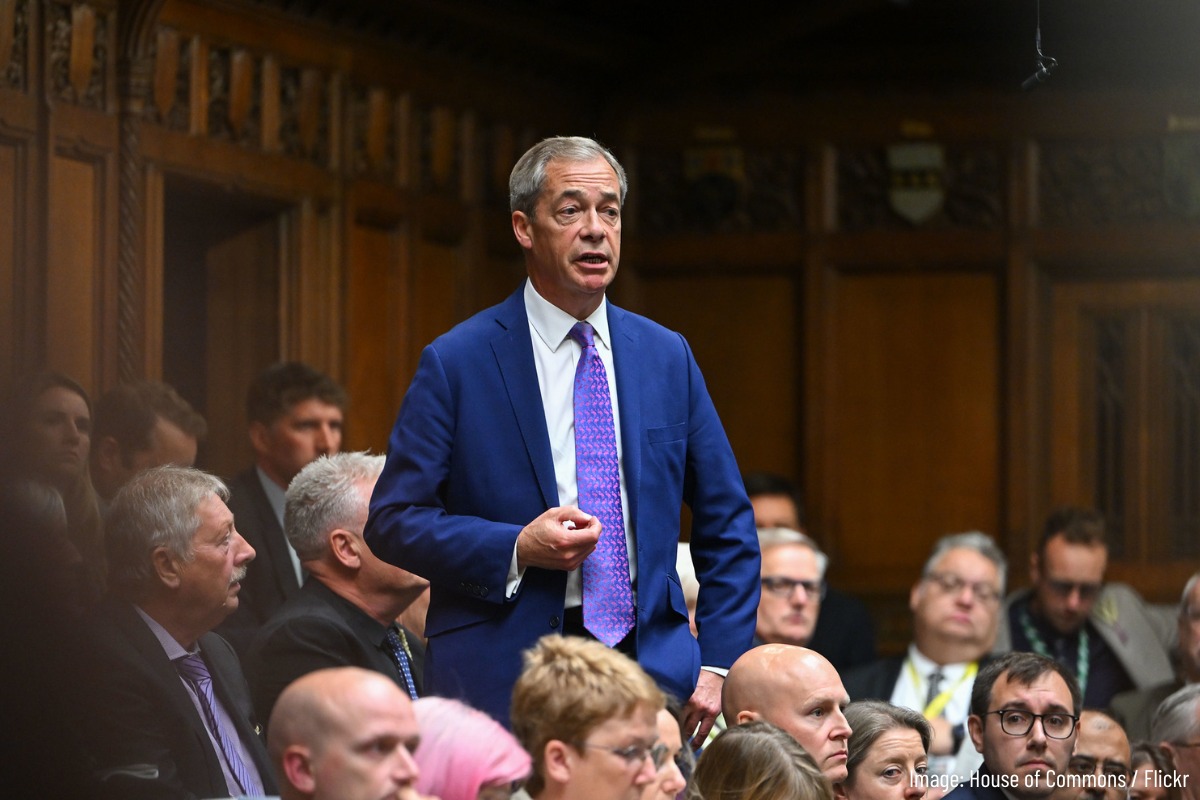
But it is not only the Labour leaders who face this tug-of-war between the diktats of the capitalists and the needs of the working class.
Victorious Reform UK and Green Party candidates will now find themselves in charge of cash-strapped councils; overseeing overstretched budgets and decimated local services.
In places like Kent, for example, Reform councillors have already woken up to this reality of governing in an epoch of capitalist crisis, and have ended up carrying out a brutal austerity agenda.
This a signal of the reactionary, anti-worker programme that a Farage government would carry out. But it is also a warning to the Green leaders of the straitjacket that they will find themselves in, if they try to find a way forward within the confines of capitalism.
Burn their system down!
The result, for now, is a striking contradiction: complete paralysis at the top of British politics, just at the point when capitalism’s foundations are shaking more violently than ever.
One way or another, eventually this political logjam will break, opening up a new – even more tumultuous – chapter in Britain.
Labour may stumble on until the next scheduled general election in 2029. But along the way, it could churn through a series of leaders: just as the Tories did in power from 2019-24, with May, Johnson, Truss, and Sunak giving way to one another in quick succession; or as France has similarly seen in the last couple of years.
In the meantime, the class struggle will only intensify, as the crisis of capitalism bites. Social unrest and upheavals will be on the order of the day. Industrial battles will mushroom. And the political situation will become even more polarised.
Out of the ashes of the old two-party system, a new political duopoly could well emerge around Farage’s Reform on the right and Polanski’s Greens on the left.
This would bear similarities to the 2019 showdown between Boris Johnson’s Brexiteer Tories and the Corbyn movement – but on a higher level, with greater instability and volatility, given the deepening of the crisis in the years since.
In this process, under the hammer blow of events, a growing layer will draw increasingly radical – and even revolutionary – conclusions.
This is the perspective that the communists of the RCP are preparing for, organising workers and youth in the fight for revolution, to overthrow the billionaires and burn their system down.