May’s local elections are shaping up to be a key test match for Britain’s mainstream political parties.
Before the starting bell even rings, it’s clear that this is mainly going to be a showdown of Reform versus the Greens; of Nigel Farage versus Zack Polanski.
The red corner
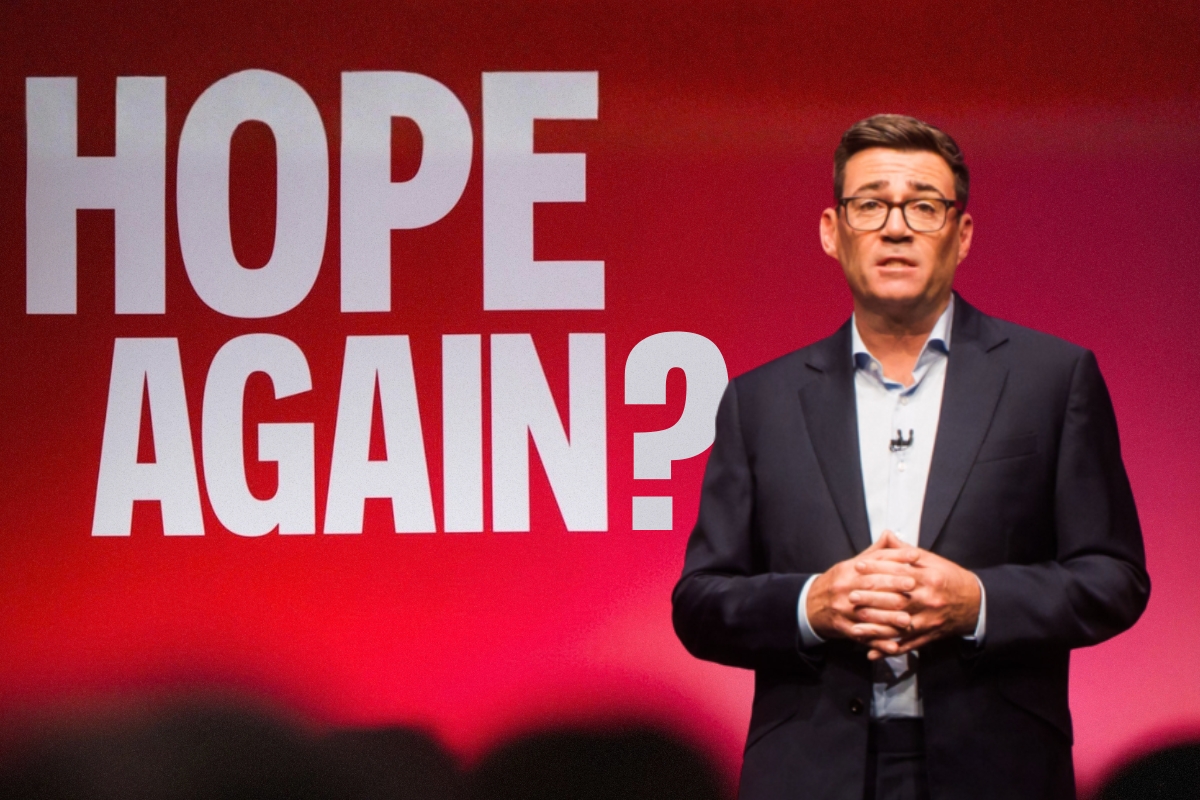
Labour – once upon a time a local elections heavyweight – is floundering on the ropes. Keir Starmer is facing down a minus 47 percent approval rating. And his party is set to receive a bloody nose from voters: projected to lose around 2,000 council seats across England, including many in its former strongholds.
It is no mystery why. In the almost two years it’s been in power, the hits have just kept coming for Starmer’s beleaguered party: broken promises, political scandals, and mutinous infighting.
Most recently, Starmer has been backed into a corner by the scandal surrounding his appointment of Peter Mandelson as US-UK ambassador, despite knowing full-well that this Labour grandee had close relations with Jeffrey Epstein.
Workers and youth have had a ringside seat to this sordid drama. For many, it has only deepened the sense that the British establishment is rotten and corrupt, from top to bottom – that all of the establishment politicians are the same, and that the system is rigged.
The blue corner
Until recently, Reform UK has primarily been tapping into this anti-establishment anger. Farage didn’t pull his punches, telling disaffected voters: “Tired of Tory and Labour sleaze? Tired of broken Britain? Reform will fix it.”
In September 2025, Reform sat at 34 percent in the polls. They looked set to knock all the other parties flat. In the months following, however, Reform’s anti-establishment shine has begun to wear off.
Ex-Tory careerists like Braverman and Jenrick are piling in, and Farage’s left-sounding promises of nationalisation and “raiding the banks” are out – in favour of pro-business pledges to responsibly balance the books.
No wonder, then, that Reform has taken hits in the polls since September. Today, only 25 percent intend to vote Reform.
The green corner
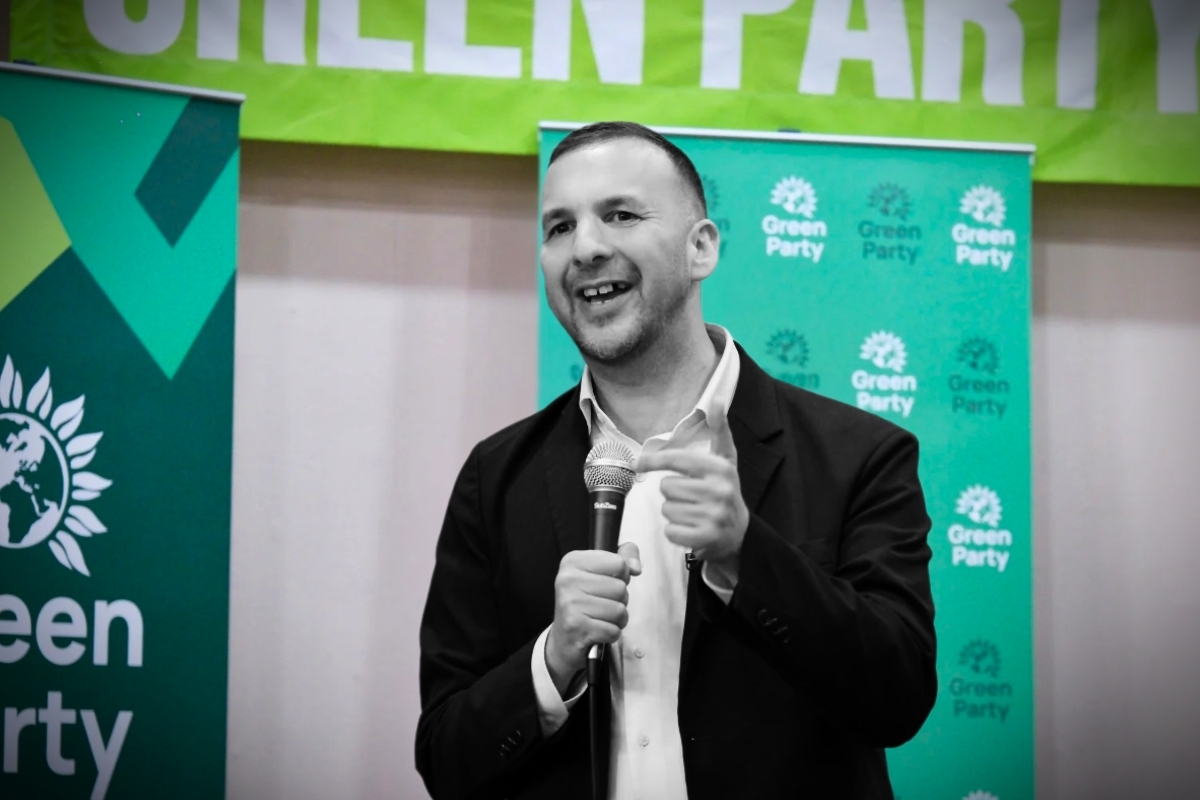
Into the ring steps Zack Polanski and the Green Party.
Less than a year into his left-wing leadership, Polanski’s Greens were able to deliver an embarrassing blow to both Reform and Labour in the Gorton & Denton by-election – winning their first-ever northern parliamentary seat.
Before Reform even had a chance to absorb this punch, the right was hit off balance again by the massive turnout for the inaugural ‘Together Alliance’ demonstration on 28 March. Half a million people took to the streets of London – marching explicitly against Farage, Reform, and the reactionary right.
View this post on Instagram
Under Polanski’s leadership, the Greens, once on the fringes of British politics, have jumped into a new – heavier – weight class. Polls currently place them at 17-21 percent of the vote, rising to 50 percent among 18-24 year-olds.
They are the most popular choice for anyone in Britain aged 28 and under, and winning over not just former Labour voters, but also those who have never voted before.
The Greens have achieved this by specifically positioning themselves as an anti-establishment, pro-worker party.
And increasingly, their programme is built around class-based policies like taxing the rich, rent controls, and placing caps on CEO salaries – which are currently 122 times the average workers’ wage.
Knock out blow
To actually achieve all that the Greens are pledging, however, will require more than just going toe to toe electorally against Reform.
What is needed to secure all of these hoped-for gains – and more – is a revolutionary programme. The gloves must come off.
This means not just taxing the wealth of the rich, but expropriating it; not just controlling rents, but freeing housing from landlordism entirely; and not just placing ‘caps’ on the greed and excesses of the capitalists, but overthrowing their system altogether.
Putting such a programme into practice requires the building of a revolutionary party – an organisation that can train workers and youth to land a knock-out blow against all the billionaires and warmongers. If you want to join us in this fight, join the RCP!
Greens defeat Reform in Kent by-election upset
Toby Scammell and Joe Corps, Canterbury
The Greens have defeated Reform and Labour to win a local council by-election in Cliftonville in Margate. This marks a political upset for Reform in Kent.
Previously, Cliftonville was a Reform seat, held by Councillor Daniel Taylor – until he was convicted of controlling behaviour towards his wife earlier this year.
Historically a ‘no-go area’ for the Greens, they have now managed to jump from fourth place in May 2025, to first place on 10 April. Councillor Rob Yates won with 39 percent of the vote, while Reform slipped to second with 33 percent.
🚨🎉 The Green Party BEATS Reform!!!
😮 Greens came fourth here last year.
💚 Proving once again that Greens can win anywhere.
🙌🏽 Labour tanking and Greens beating Reform!
👉🏽 https://t.co/0qbagSvIYp https://t.co/bIUeUB3KEs
— Zack Polanski (@ZackPolanski) April 10, 2026
Cliftonville was another Gorton & Denton scenario – a two-horse race between Reform UK and the Greens, with Labour shut out.
It was treated like a major parliamentary by-election, with high-profile MPs from all the major parties making visits.
The evening before the polls, Zack Polanski held a 400-strong rally in Margate. Addressing the crowd, he focused his attacks on the billionaires, stating the problem isn’t those who “come in small boats – they fly above us in private jets”.
He also spoke in favour of re-nationalising the unpopular Southern Water, which has overseen raw sewage being pumped into the sea from nearby Broadstairs.
Reform has run Kent County Council for a year now, after winning 57 out of 81 seats in 2025. Cliftonville was their first electoral challenge since winning their majority – but not their first challenge by far.
Inheriting a council deep in debt, they have been forced to implement cuts and raise council tax – despite promises not to. The local party has also been embroiled in scandals, defections, and expulsions. With Cliftonville now lost, their councillors have dwindled by ten in a year.
Nationally, Cliftonville is no more than a minor setback for Reform – but it has nonetheless proven that Reform’s time in office will only serve to discredit them.
Even more than this, what Cliftonville’s by-election shows is that there is an appetite for a left alternative when it is presented.
With a programme which connects with the demands of disillusioned voters, the Greens could continue to win where Reform has gained big majorities in the past.