When Birmingham City Council convenes on 19 May for its first meeting since this year’s local elections, it will face an unprecedented political landscape.
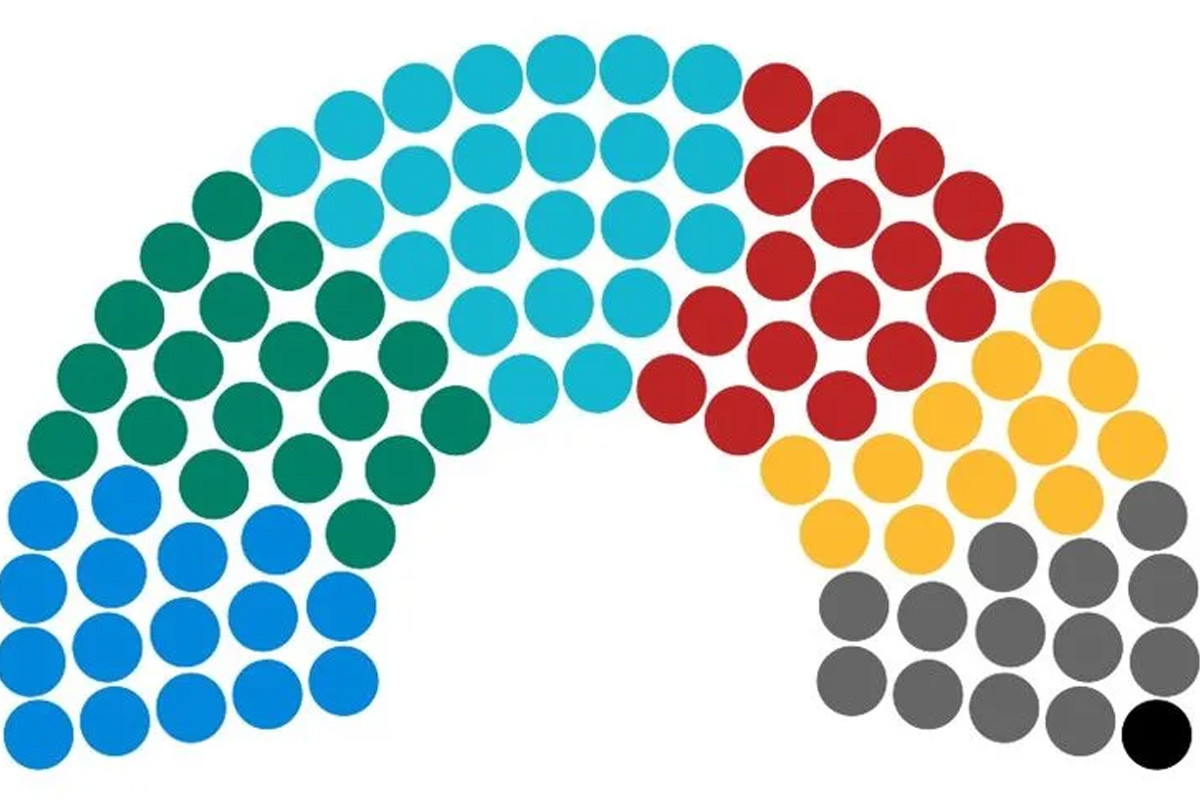
Fourteen years of Labour dominance in the council have come to an end, replaced by a chamber fractured across five parties and thirteen independents.
Birmingham’s political future is now defined by uncertainty and instability, at a time when the city faces some of the most severe challenges in its history.
Incoming councillors will inherit a dire situation, with the city still reeling from the consequences of the authority’s effective bankruptcy in 2023.
Public trust has been badly damaged by the decisions (read: attacks) taken to stabilise the council’s finances: £300 million in cuts; a 17.5 percent rise in council tax over two years; a failed IT system, costing taxpayers over £170 million; and a fire‑sale of £750-million-worth of public assets.
Even the 2026/27 budget required a further 4.99 percent council tax rise, alongside an additional £66 million in budget cuts.
These measures – imposed on the city by government‑appointed commissioners with Labour’s blessing – have left scars across Birmingham’s communities.
And compounding this financial crisis is the unresolved bin dispute – now entering its fifteenth month.
Bigger they are, harder they fall
In the 2022 local elections, just a year before Birmingham’s bankruptcy, the Labour Party held a commanding majority of 65 seats.
Today, that dominance has evaporated. Labour now sits as the third‑largest group on the council, with just 17 seats.
The scale of the collapse reflects a deep dissatisfaction amongst voters – not only with Labour’s record in Birmingham, but with the party’s national reputation.
Labour have been rejected on a whole series of questions: from austerity, to Palestine, to the Mandelson-Epstein affair, to migration.
Coalition of chaos
Gaining from Labour’s demise, meanwhile, are those parties and independents that have managed to tap into this mood of anger.
Reform UK emerged as the largest single group, securing 22 of the council’s 101 seats. Close behind are the Greens, who now hold 19 seats.
No party, however, and no combination of two parties, comes close to the 51 seats required to form a majority. Any functioning administration will require cooperation between at least three – or possibly four – political groups.
In 2015, the UK electoral map was likened to Maggie Simpson – SNP yellow on top, Tory blue below
Now @sundersays points out that, er, the new Birmingham map represents Elmer the Patchwork Elephant pic.twitter.com/WVQnmGwvVf
— James Heale (@JAHeale) May 10, 2026
The trouble is that there are clear red lines when it comes to negotiations between these parties. Any council coalition will therefore be extremely unstable, leading to political deadlock.
One senior councillor captured the mood bluntly: “How you come up with a sensible way of leading the council from that, I don’t know.”
In office but not in power
Even if a coalition can be assembled, its room for manoeuvre will be severely constrained.
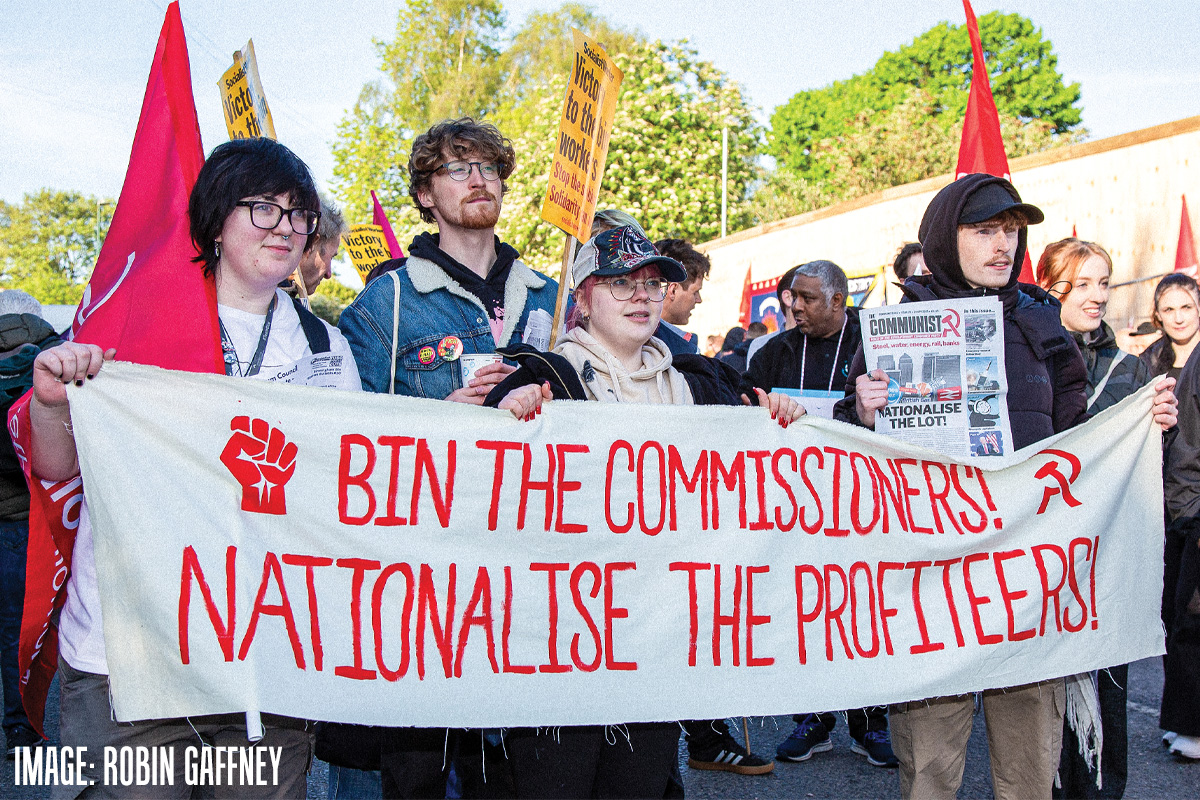
The commissioners remain in place, holding the same powers to place the burden of the council’s mismanagement onto the shoulders of ordinary Birmingham residents.
Their assurance plan sets strict conditions that must be met before their intervention can end – not before October 2028 at the earliest.
Tony McArdle, the lead commissioner, outlined the realities that the new administration will face: “It will not be open to any new administration coming in here to say ‘we’re not going to worry about balancing the books, we’re just going to do this and that’.”
In other words, Birmingham’s next administration may hold office, but it will not hold power in any meaningful sense.
Put simply: the city’s elected representatives will be expected to manage the fallout of decisions they did not make, within a financial framework they cannot change, while attempting to rebuild public trust in a system that appears increasingly ungovernable.
City at a crossroads
The city faces a stark contradiction: a council with a paralysed and financially-constrained political leadership, clashing with a public that has decisively rejected the status quo.
Any party brave enough to take hold of this poisoned chalice will very quickly be discredited in the eyes of Birmingham’s 1.2 million residents.
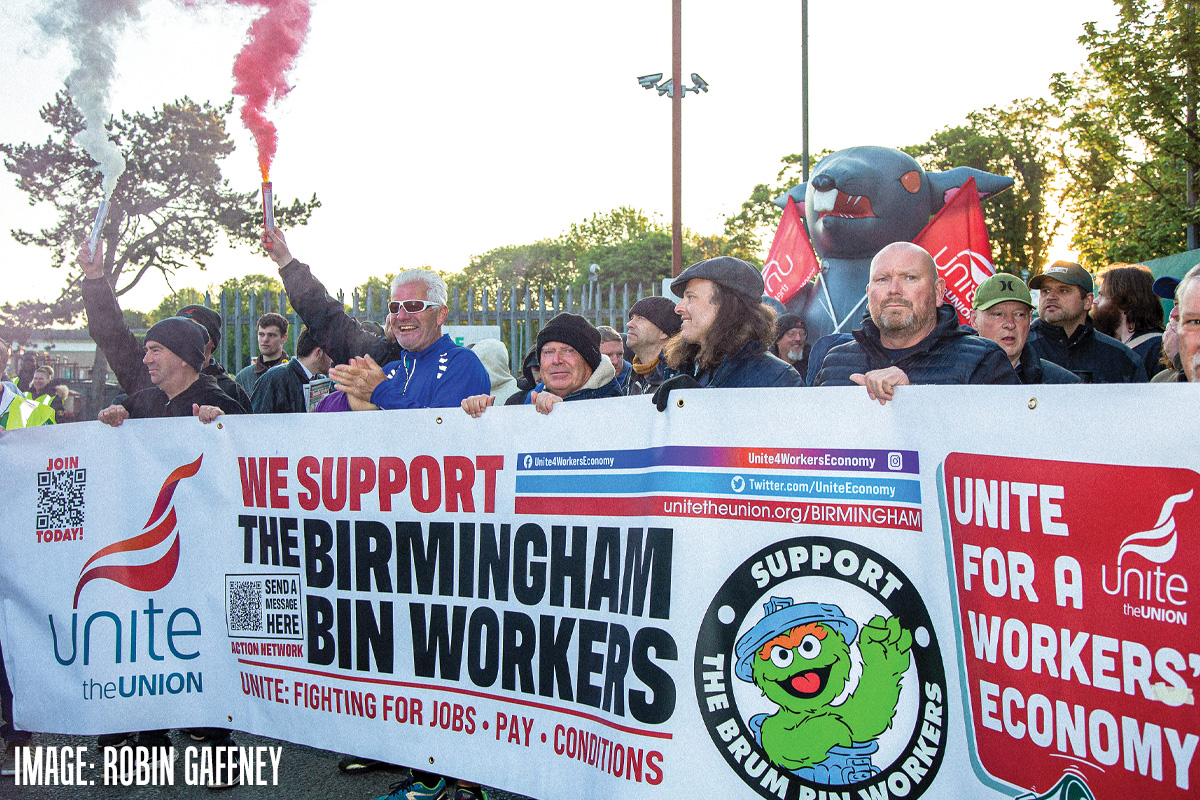
The heroic struggle of the binworkers shows the way forward for the city, however.
The commissioners have effectively tied the council’s hands, preventing a settlement from being reached. Nevertheless, the workers have remained firm in the face of a concerted establishment campaign, involving media hostility, court injunctions, policing of picket lines, and even blacklisting.
Their struggle has revived traditions of the labour movement that many believed had long disappeared from Britain.
Only a mass coordinated movement of workers across the city can break the logjam, deal a defiant blow against the commissioners, and make the billionaires pay for the council’s crisis.
The future of Birmingham will not be decided solely inside Council House, but by the industrial battles and class struggles that take place outside of it.
Labour’s garbage gambit
For over a year until the May elections, Birmingham’s Labour-run city council had been fighting a losing battle against the workers of the city.
Following its bankruptcy, it had been slashing public services with one hand. With the other, it had been fending off one of the most militant strikes Britain has seen in decades: the heroic, indefinite bin workers’ strike that has been on for well over a year now.

So when electoral catastrophe crept up on the horizon, the council started desperately trying every technique to bring itself back from the brink. The final gambit was to offer a last-minute deal to the strikers.
This deal would represent an important victory for the Birmingham bin workers – whose struggle sets a precedent for many to come – if the deal went through.
It offers a path to employment for agency workers (who were originally used as strikebreakers by the council, but eventually voted to join the strike); an end to legal and disciplinary action; and a 2-year buffer before the attacks on their wages and jobs resume. By any measure, the bin workers would have won all their demands and more – signalling to workers across Britain that militant tactics are effective.
In reality, the Labour councillors offered the deal at a blatantly cynical time. Previous deals were routinely blocked by commissioners – so offering a new one so close to the council elections was an obvious manoeuvre.
These commissioners, predictably, attempted to block the deal again; meaning it could only be formally agreed to after the elections. Labour’s council leader John Cotton then proudly proclaimed that this deal can only be delivered under a Labour council!
It all boiled down to saying: “either elect the same council (that has attacked workers routinely), to perhaps see this deal through; or hedge your bets with whoever wins the election.”
Evidently, however, Brummies were not about to be taken for a ride. When the elections came, the voices of angry workers of Birmingham resounded – and Labour were soundly defeated.
Marie de Laurelle, Birmingham