Perhaps the most striking image of the recent elections for the Senedd, the Welsh devolved parliament, was that of a distraught Baroness Eluned Morgan, the outgoing First Minister of Wales, listening to the results of her constituency being announced, knowing she had lost her seat.
Unlike her working-class constituents, Morgan had another seat lined up – in the House of Lords.
Morgan’s defeat exemplified the disastrous results for the Labour Party in Wales.
BREAKING: First Minister of Wales, Baroness Eluned Morgan, loses her seat in the Senedd.
This is the first time a sitting Welsh leader has lost an election in the Welsh parliamenthttps://t.co/KvEnKb2pDG
📺Sky 501 pic.twitter.com/1AzBelsdUt
— Sky News (@SkyNews) May 8, 2026
From having around half of the seats in the old Senedd, Labour ended up with nine seats in an expanded Welsh parliament of 96 seats – only two more than the Tories.
The country is now split into 16 constituencies, each of which elects six MSs (Members of the Senedd). This electoral system is broadly proportional, if biased against smaller parties, which now includes Labour.
Collapse
This is the first election that Labour has lost in Wales since the 1918 general election, when Lloyd George, Britain’s ‘victorious’ prime minister in the First World War, led the Liberals.
The scale of Labour’s loss is unprecedented. They lost everywhere.
🚨 | ALL Welsh Senedd Seats Declared!
No overall majority – Plaid Cymru largest party
Final results:
🏴 PC: 43 (+20)
➡️ Reform: 34 (+34)
🌹 Labour: 9 (-35)
🌳 Conservative: 7 (-22)
🌍 Green: 2 (+2)
🔶 Lib Dem: 1 (+1) pic.twitter.com/M4i9Iq9kib— Election Maps UK (@ElectionMapsUK) May 8, 2026
They lost in urban areas, with only two MSs (Members of the Senedd) elected in Cardiff, for instance. By comparison, Plaid Cymru, the Welsh nationalist party, won six MSs in the city.
Labour also lost in solidly working-class areas such as Swansea, Newport, Llanelli, and many valley areas. In these places, Plaid Cymru and Reform UK generally shared the honours.
A further sign of Labour’s collapse – and of the two-party system more generally – is that Labour received the same share of the vote (11 percent) as the Conservatives, previously the main opposition party.
In this election, in other words, the former two major parties together received just 22 percent of the vote, coming in third and fourth place behind Plaid Cymru and Reform.
Failure
Labour – after 27 years in government in Wales, and two years in government in Westminster – have clearly failed.
Welsh workers and their families are now poorer than before. 45 percent of under-4s in Wales live in poverty, for example. The country has the longest NHS waiting lists, the worst educational outcomes, and the lowest quality of housing, compared to the other nations in the United Kingdom.
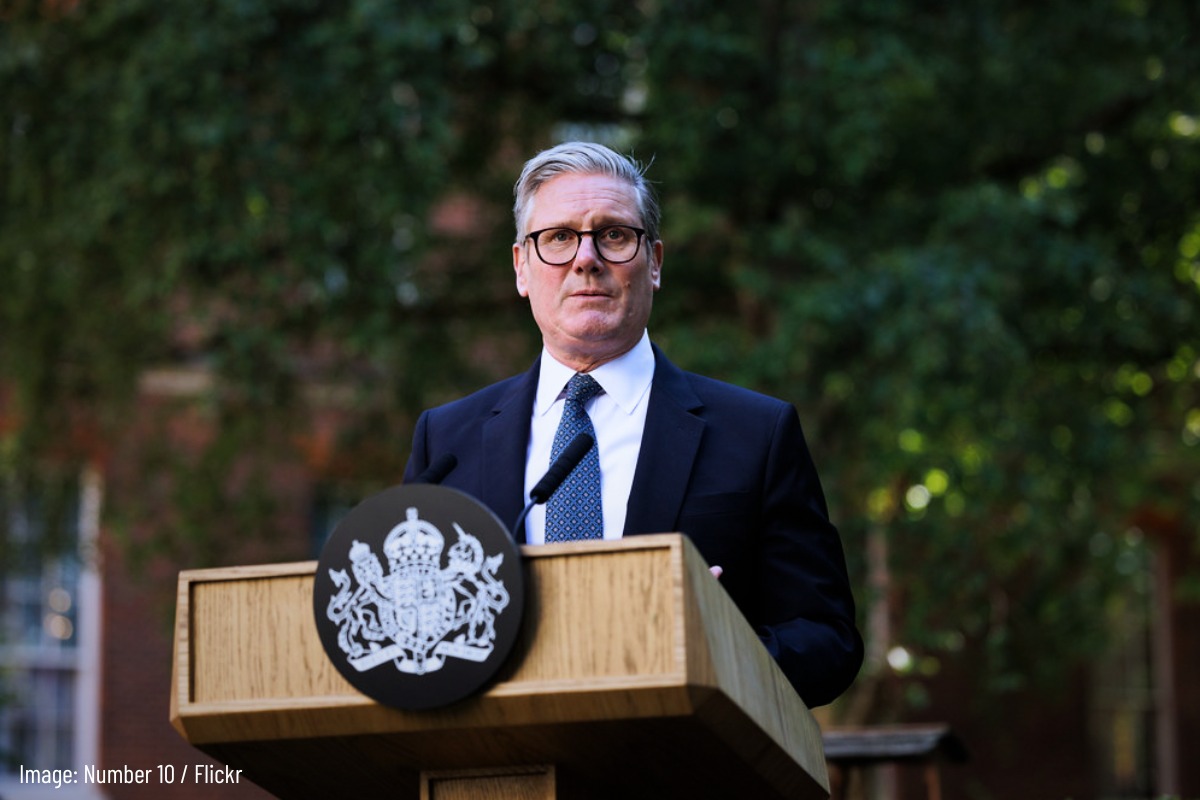
The reason for Labour’s terrible record in power is not because of the individual failings of this-or-that leader, as bourgeois politicians and commentators like to claim. It is because of the crisis of the system over which they preside.
Unless you are prepared to challenge capitalism and organise to overthrow it, you will inevitably accommodate yourself to capitalism, which is unable to provide any real gains for workers on a sustained basis.
This is something politicians – even on the ‘left’, in both Plaid and Labour – fail to comprehend.
Alternative
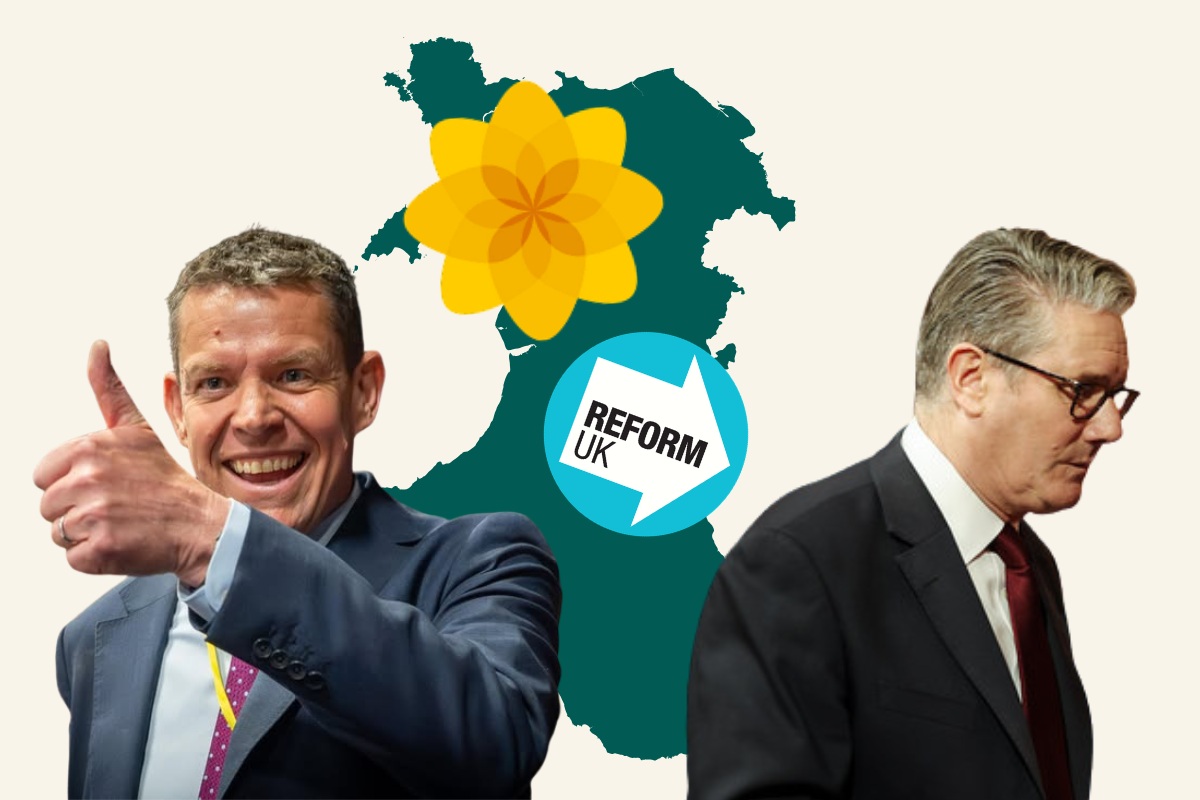
Plaid Cymru won the election, gaining the most seats in the Senedd. Because of the voting system, however, they did not win an overall majority.
Reform came second, but were the leading party in many working-class areas.
Both Plaid and Reform were seen by voters as an alternative to both the discredited Labour Party and the Tories.
It remains to be seen whether they can retain voters’ backing for any significant amount of time, however, as their electoral support is brittle.
Challenge
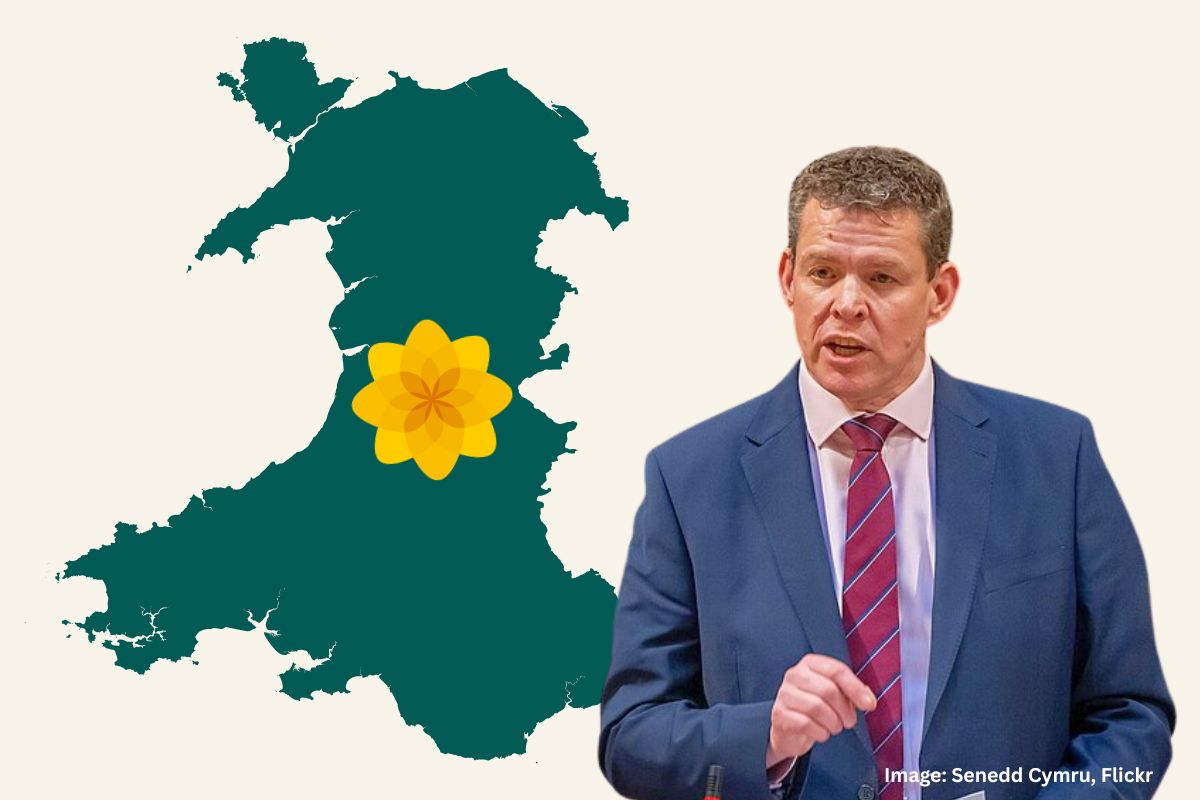
Rhun ap Iorwerth, the leader of Plaid Cymru, is now the First Minister of Wales.
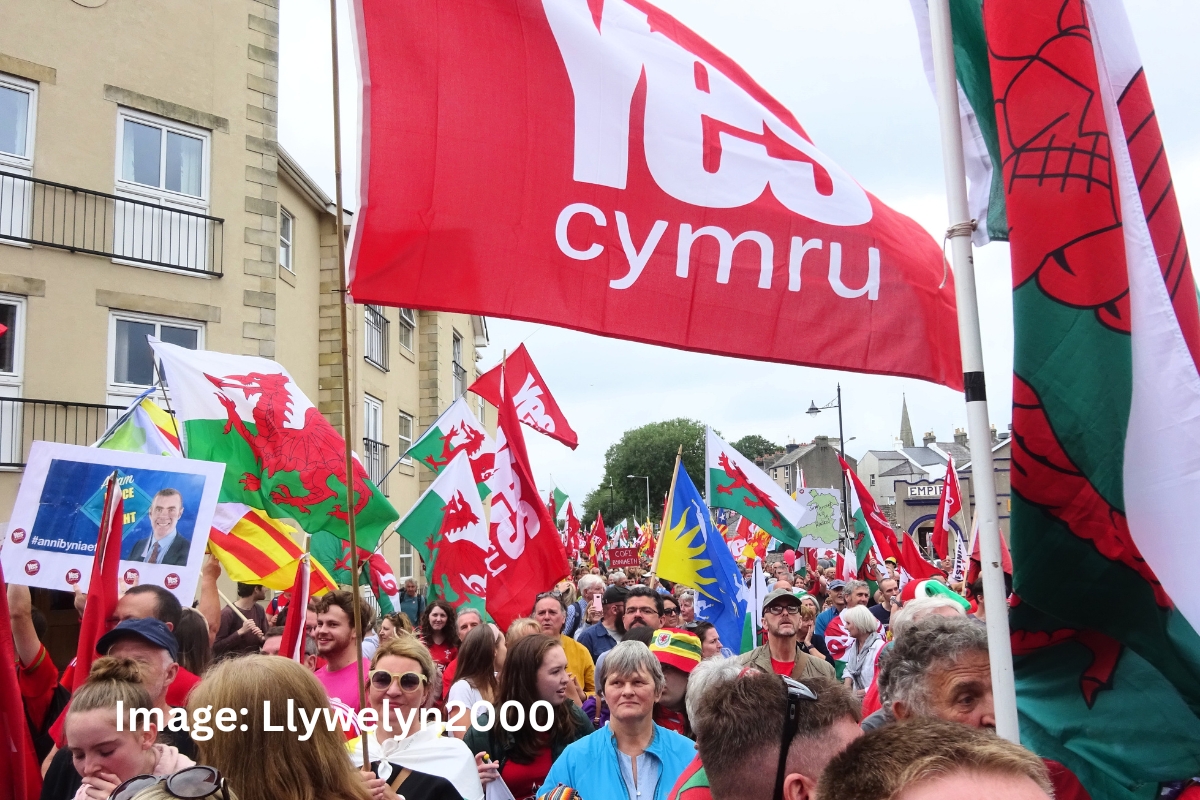
He has already stated that a referendum on Welsh independence is not on the agenda for the first term of his government. He knows that if such a vote was held now, it would be lost, despite the support for independence amongst many young people in Wales.
‼️NEW | Plaid leader Rhun ap Iorwerth has been elected First Minister by the Senedd.
🟢 Ap Iorwerth (Plaid) – 44*
➡️ Dan Thomas (Ref) – 34
🔵 Darren Millar (Con) – 7Greens backed Plaid. Lib Dems / Labour* abstained.
*Presiding Officer (Lab) and deputy (Plaid) do not vote. pic.twitter.com/odm2rZpcrT
— Stats for Lefties 🍉🏳️⚧️ (@LeftieStats) May 12, 2026
Instead, the Welsh First Minister wants to set up a commission to look at the issues surrounding independence. Plaid also wants to accuse the UK government of ‘damaging Wales’ when they deny the Welsh government the money that Plaid demands.
Plaid will seek more money from the UK government – at a time when Westminster, whoever is in Downing Street, will be trying to increase military expenditure and pay Britain’s wealthy creditors, at the cost of public services and social spending.
Rather than seeking independence, the immediate challenge for the new Plaid-led government will be raising living standards for workers in Wales, and trying to tackle the crisis in public services, in the NHS, in education, etc.
Ultimately Plaid will fail in this too, since their programme is not fundamentally different to Labour’s. They will not challenge capitalism either.
Taking a leaf out of the SNP’s playbook, however, they will blame their failings on the government in Westminster. But this will not wash forever.
Future
The main victors of the Senedd election, Plaid and Reform, will now look to future elections to consolidate their positions.
The Greens, meanwhile, won their first seats in Cardiff. But they did not repeat in Wales the spectacular successes that they had in London.
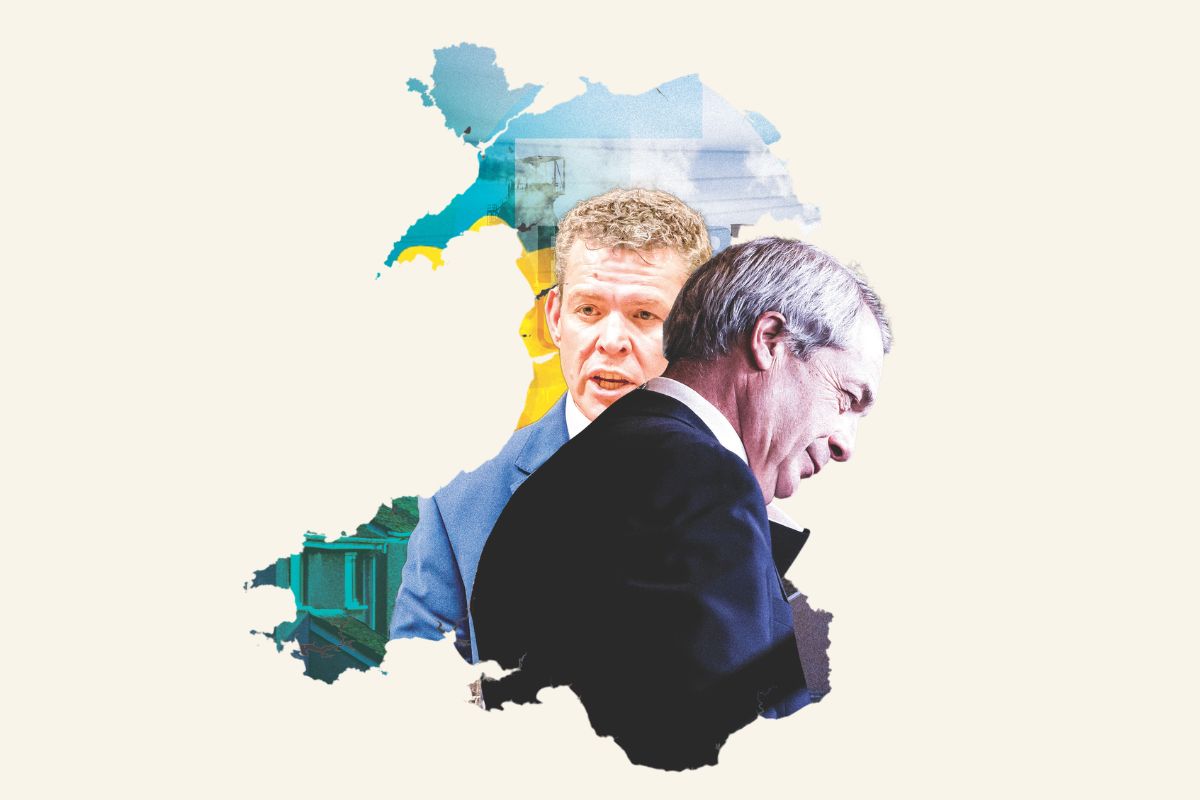
This was chiefly because voters disaffected with Labour, who consider themselves ‘left’, largely went to Plaid in order to oppose Reform.
Of all the parties, it is Labour that faces the most difficult future. It is not easy to see how they can recover from this result in Wales.
Labour MPs in Wales – desperate to keep their seats, and their positions of privilege – seem to want to move the party even further to the right, in an effort to ape Reform.
This would mean the end of Labour in Wales. Faced with a choice between Farage’s Reform and a pale imitation of this by the Labour Party, voters will opt for the real thing.
Crisis
The perspective for Wales’ new government, therefore, is one of turmoil and crisis, as part of the deepening crisis of British – and world – capitalism.
The Senedd election results show the change of consciousness that is taking place amongst workers and youth in Wales.
After more than a century, a majority of Welsh workers and their families have turned their backs on Labour and are looking for an alternative.
Our task in the RCP is to build this.