
Keir Starmer’s premiership hangs in the balance. A leadership contest is almost certainly on the cards, with Labour Party members set to decide who will be Britain’s next prime minister.
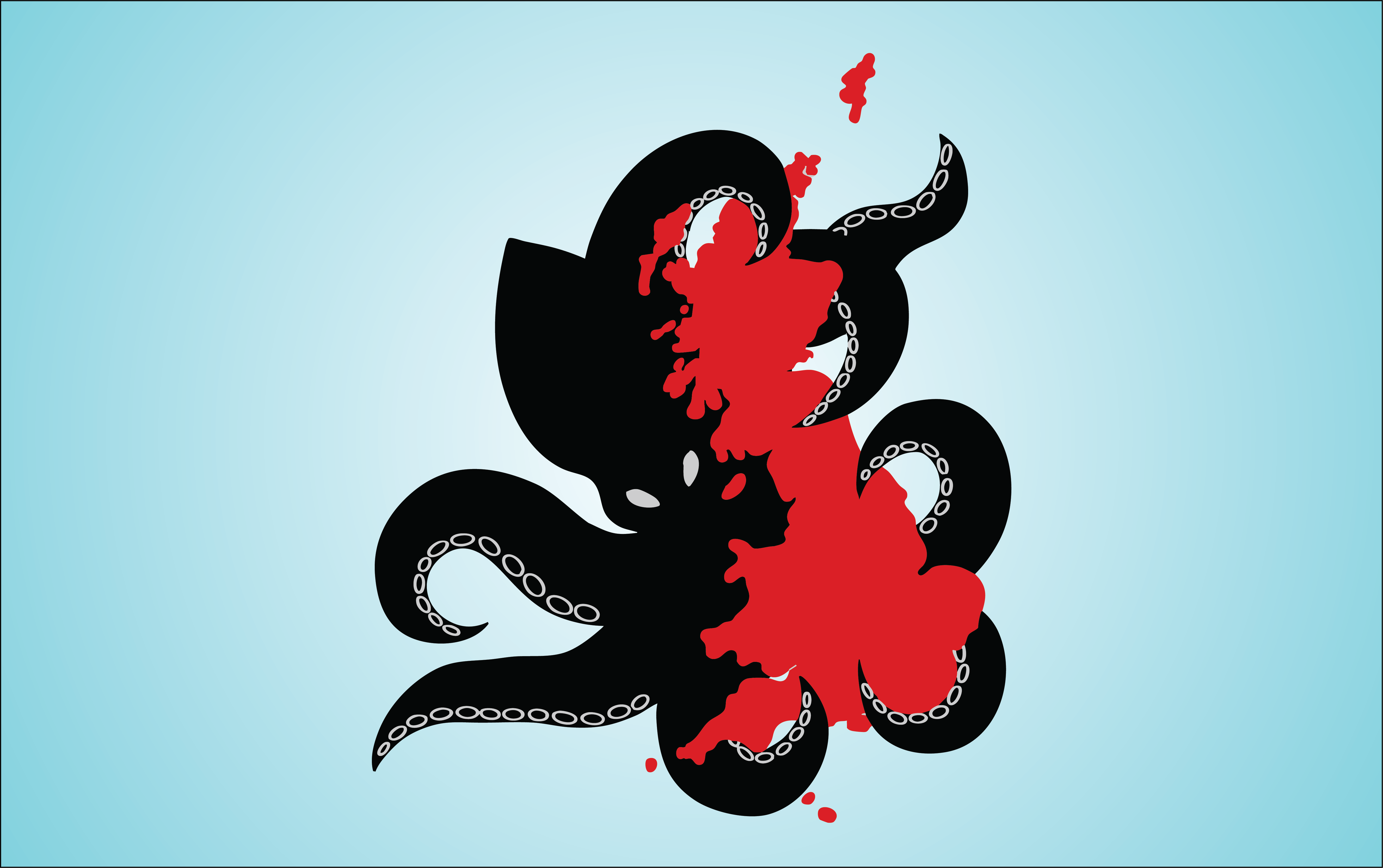
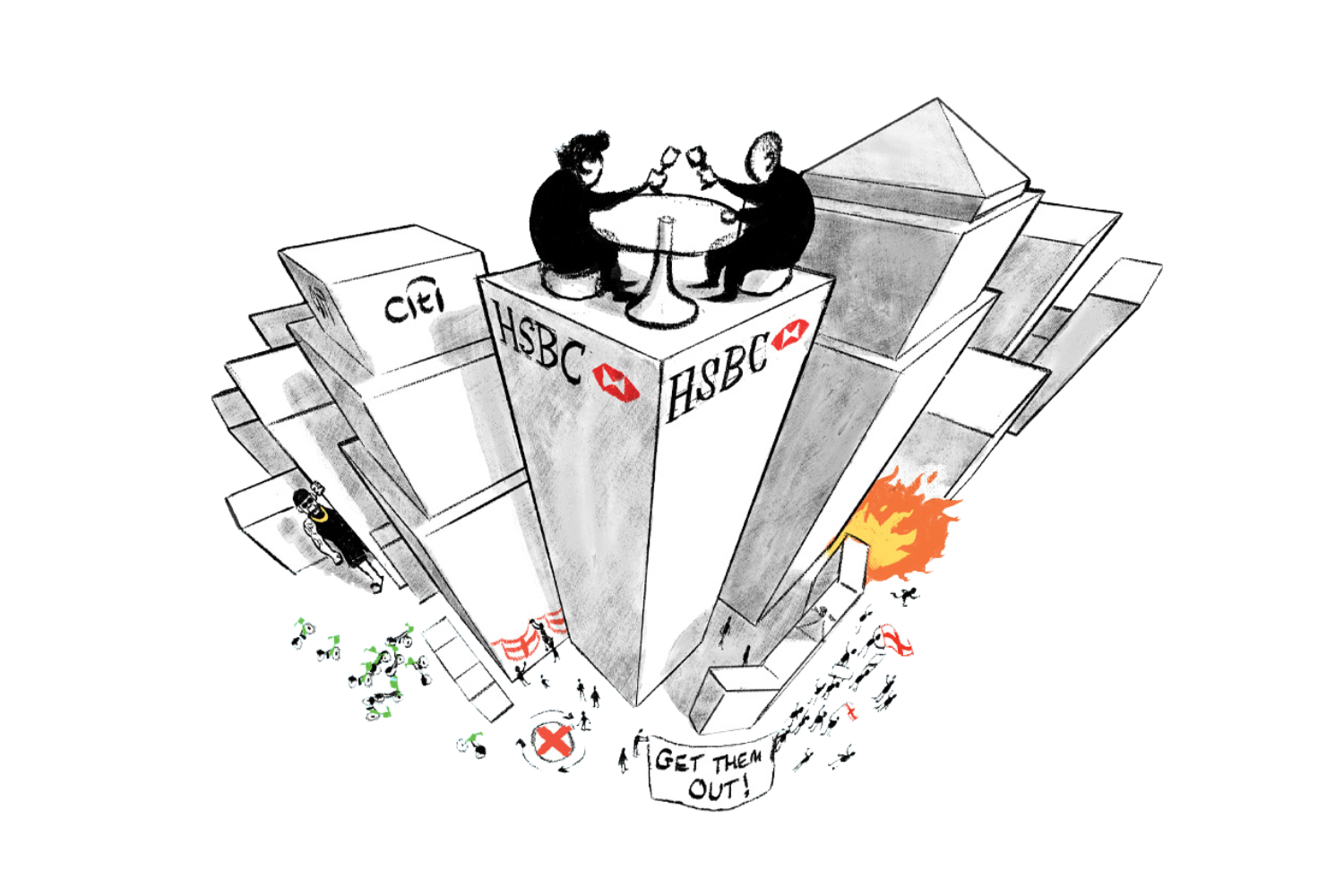
Whoever succeeds Starmer in Number 10, however, their policies will be determined elsewhere. Because who really runs the country? Not elected politicians, but the bankers and bosses.
The mouthpieces of the billionaire class in Britain are not even trying to hide this fact.
“Whoever runs the government will be in thrall to a bond market that holds growing sway over debt-laden major economies,” stated one recent featured piece in the Financial Times, for example, entitled ‘Britain’s debt cage’.
Capitalist journal The Economist, meanwhile, put things very clearly in a recent headline too: “The gilt market cannot be tamed, only respected.”
These are open acknowledgements of the dictatorship of finance capital; naked admissions that it is super-rich investors that ultimately decide our fate under capitalism.
Market logic
These statements – straight from the horse’s mouth – are entirely true.
UK government debt currently stands at just under £3 trillion, equivalent to almost 100 percent of GDP, the country’s annual economic output. And these numbers are rising. The state borrowed a further £129 billion pounds last year alone.
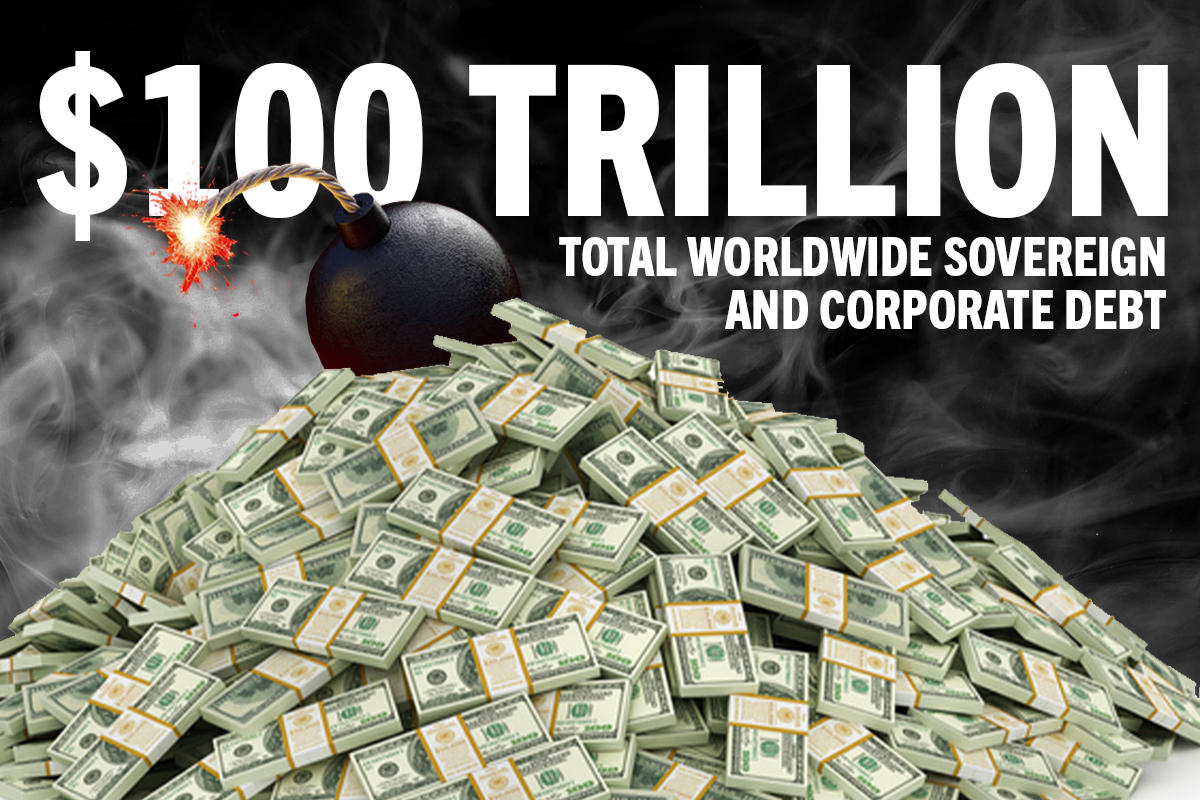
The government obtains this money by selling bonds: turning public debt into an asset (known as ‘gilts’) that wealthy investors can buy up, in exchange for a return or interest (known as the ‘yield’).
As the country’s creditors, the individuals and institutions purchasing these bonds hold a huge power over the government’s economic policy.
If these investors lose confidence in the financial competence of the government, then they will sell their bonds and move their money to safer havens.
In turn, as demand for these bonds falls, yields will rise in order to attract buyers, pushing the government’s borrowing costs up.
All of this reflects the cold logic of the market. The capitalists do not invest for sentimental or patriotic reasons, but to maximise their profits. And if they think their wealth – in the form of debt bonds – will be placed at risk by economically ‘irresponsible’ governments, then they will look elsewhere for more assured investment opportunities.
Bond vigilantes
The financial markets have always held this power, to one degree or the other. But it is hard to think of a time when this has been so brazenly admitted – not only by big business media outlets and journalists, but by bond investors themselves.

The debacle of Liz Truss’ 49-day tenure in Downing Street showed the dominating influence that the bond markets have over British politics. A mass sell off by investors in September 2022, in response to the Tory PM’s reckless budget proposals, forced her out of office. This was essentially a coup, carried out by the so-called ‘bond vigilantes’.
Now it is the uncertainty and instability at the top of government that is causing volatility on the bond markets.
The possibility of a Labour leadership contest has sent the markets into a frenzy, with UK bond yields recently reaching their highest level since 1998 – all accompanied by the aforementioned slew of vocal outcries from the bankers and their spokespersons in the capitalist press.
Better the devil you know
The markets may hold the purse strings, but unfortunately (for them) they do not get to vote in the election to decide who will be the next Labour leader and UK prime minister.
Nevertheless, whilst the capitalists do not have a vote, they certainly have a say. And Britain’s money lenders have made it clear that their preferred option is for Keir Starmer and his supposedly ‘iron’ chancellor, Rachel Reeves, to stay put.
The current Labour leaders may have been met with resistance from their own MPs when it comes to carrying out the budget cuts that the capitalists have demanded. For the markets, however, it is a case of ‘better the devil you know’.
Starmer and Reeves are not completely trusted by the bankers and bosses, because they are under pressure from below – from mutinous backbenchers, affiliated trade unions, and enraged voters. But they have at least sucked up to big business since day one, and tried to do their bidding.
And bond holders worry that whoever replaces Starmer could be even less trustworthy; under even greater pressure to oppose austerity, with the threat of unsustainable budget deficits and other inflationary policies.
As one recent article in Politico put it: “As a possible leadership election in the Labour Party continues to loom, City figures may have never realised how good they had it.”
Blackmail and backtracking
The bankers’ least favourite option to replace Starmer is the public’s preferred option (and therefore the bookies’ favourite too): Andy Burnham.
“The thing we have been struck by is the irresistible rise of Andy Burnham,” remarked Mark Dowling, chief investment officer for one of the largest banks in the world, RBC BlueBay Asset management, when interviewed alongside other bond investors by the FT. “In the eyes of the market, Burnham would represent the greatest fear.”
The prospect of a Burnham government makes investors uneasy because of some superficially-left-sounding noises that the Manchester Mayor has made about how the country should not be “in hock to the bond markets”.
Burnham has also hinted that he would seek to further expand the government’s borrowing levels, in order to cover an increase in defence spending and a programme of council home construction.
Following a hostile response from the bond markets and warnings from the IMF, however, Burnham has already backtracked on these ideas, saying that he will commit to Labour’s existing ‘fiscal rules’.
These soothing words have been met positively by the bond markets, with yields falling back again (for now). The bankers’ blackmail achieved its aim: to force an unreliable politician – a sly opportunist looking to advance his own career – into line with their interests.
Dangerous promises
It is not Burnham himself, nor any other politician in particular, that bond investors fear. Rather, it is the aspirations and expectations within the working class that a change at the top could awaken which worries the super-rich.
In an effort to appeal to voters, whether it be in a coming leadership contest or at the next general election, potential successors to Starmer could be pushed into making economic pledges that are deemed ‘irresponsible’ from the point of view of markets.
Even if they are only false promises, these can have dangerous political implications, by raising hopes amongst ordinary workers and youth.
Any changing of the guard therefore opens the door to forces that the capitalists cannot necessarily control. Hence their increasingly aggressive attempts to assert their will in advance of any new UK leader taking over the reins.
Clash of classes
At the same time, it is clear that neither Burnham nor any other Labour leadership hopeful will be willing to genuinely challenge the stranglehold of the markets.
As long as the billionaires and bankers remain in control, any future prime minister will face the same capitalist constraints – forced to submit to the diktats of finance capital.

There is no ‘cunning’ economic policy or ‘competent’ leadership that can turn around the ailing fortunes of British capitalism: a declining power, with crumbling public services, a ruthless jobs market, and falling living standards.
In attempting to carry out the cuts that the capitalists demand, however, Starmer’s successor – like every other recent occupant of Downing Street – will become equally despised and unelectable.
“How long can we assume any one of them will last?” said one fund manager, speaking to the Financial Times about the race to replace the current Labour leader and PM.
This gets to the heart of the matter. The capitalists might get their way in the short term, forcing Britain’s political leaders to attempt to implement their austerity agenda.
But this will clash up against the class concerns of an already-indignant electorate. The bond markets don’t trust a Burnham-type figure not to bend to this pressure, leading to more U-turns and paralysis, making the country even more ‘ungovernable’.
If it fails to carry out the austerity onslaught that the capitalists need, such a government would risk either a financial crisis, or else would bequeath a situation where even more brutal cuts would be required from its successor.
This is the fate of whoever seeks to uphold the decrepit edifice that is British capitalism: to be crushed between the massive weight of the bankers above and the immovable ground of the working class below.
It is no coincidence that, should Starmer go, he will be the fourth prime minister to have lost their job in as many years – and the sixth in the last decade.
Nothing to lose but our chains
In reality, it is capitalism itself that is becoming ‘ungovernable’.
The UK economy is stuck in a debt doom loop: rising debts and borrowing costs necessitate ever-deeper cuts to social spending; cuts provoke further public anger and political instability; and political uncertainty sparks jitters on the bond markets, pushing up yields and borrowing costs.
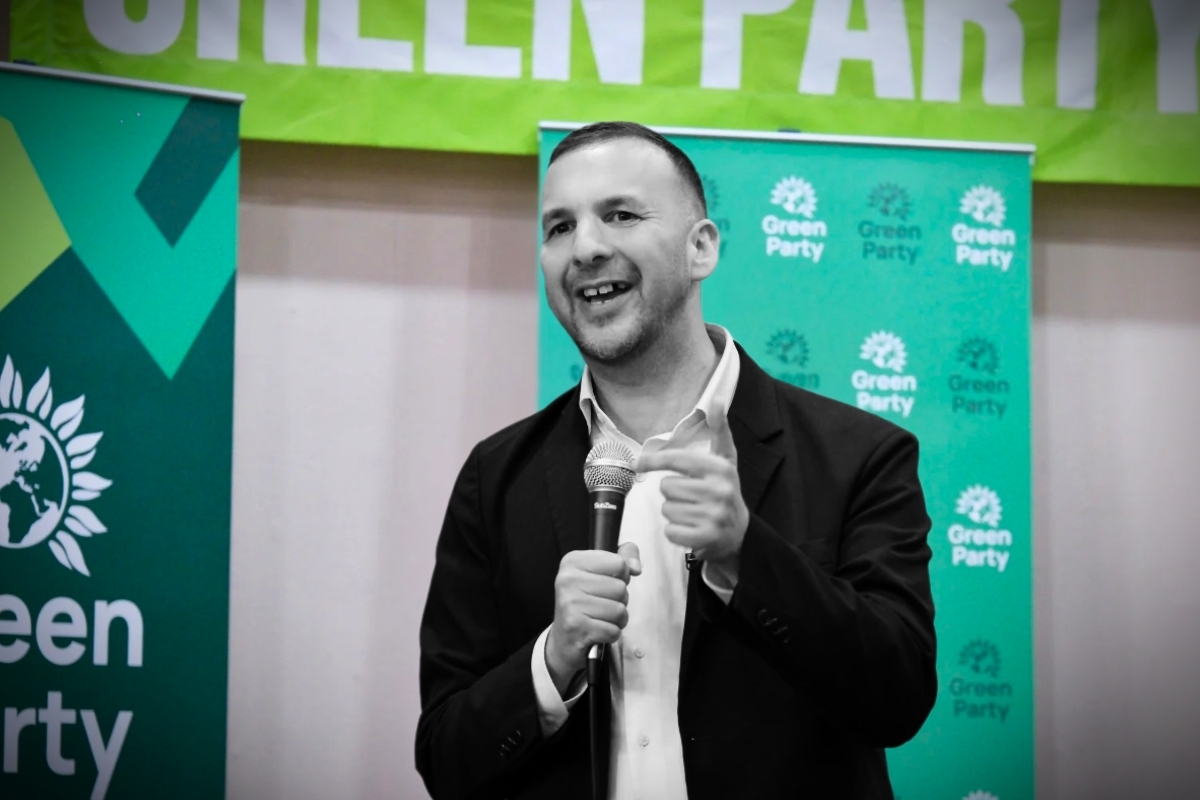
This should all serve as a serious warning to the left. If this is how the capitalist class responds to the mild rhetoric of a careerist like Andy Burnham, imagine how they would respond to the more threatening proposals of Green leader Zack Polanski – or to bolder measures advanced by a real militant class fighter.
Unless the country’s debts were wiped and the bankers’ assets seized, economic sabotage would bring such a government to its knees.
In this process, however, the real nature of capitalism will be increasingly revealed.
Growing layers will come to understand that the capitalist system cannot be reformed or regulated. Millions will see that as long as the billionaire class retain their economic power, we will always live under a dictatorship of capital. And, in turn, these radicalised workers and youth will realise that we have nothing left to lose but our chains.