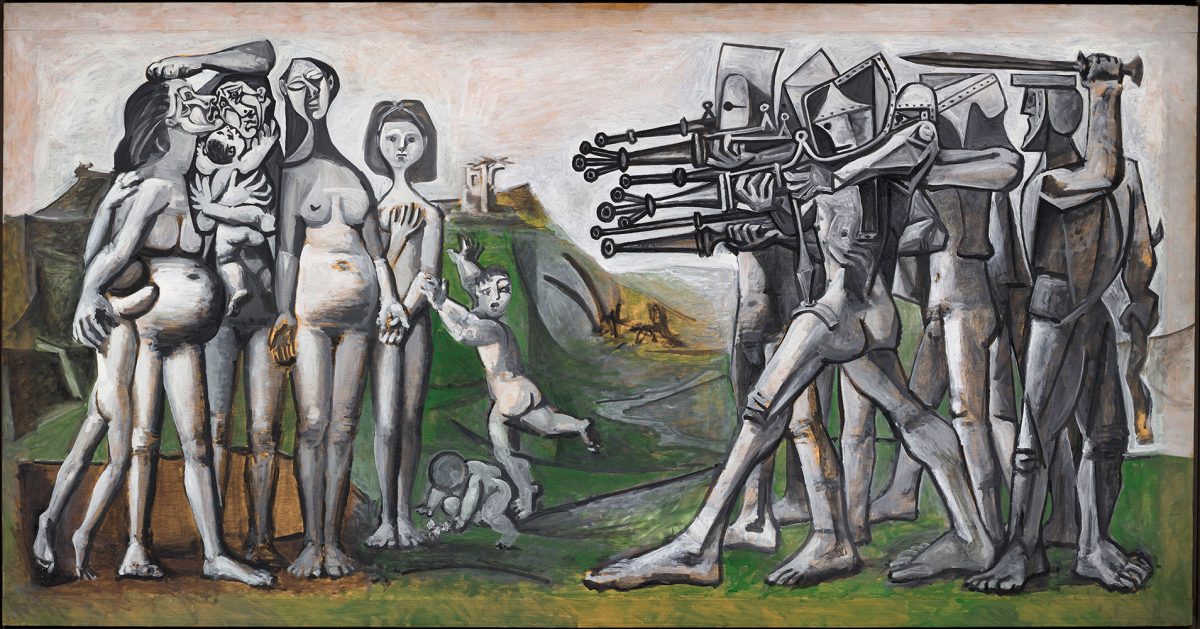
International events are increasingly shaping political consciousness in Britain. Seething anger at war, genocide, and ethnic cleansing carried out in their name has drawn millions into politics.
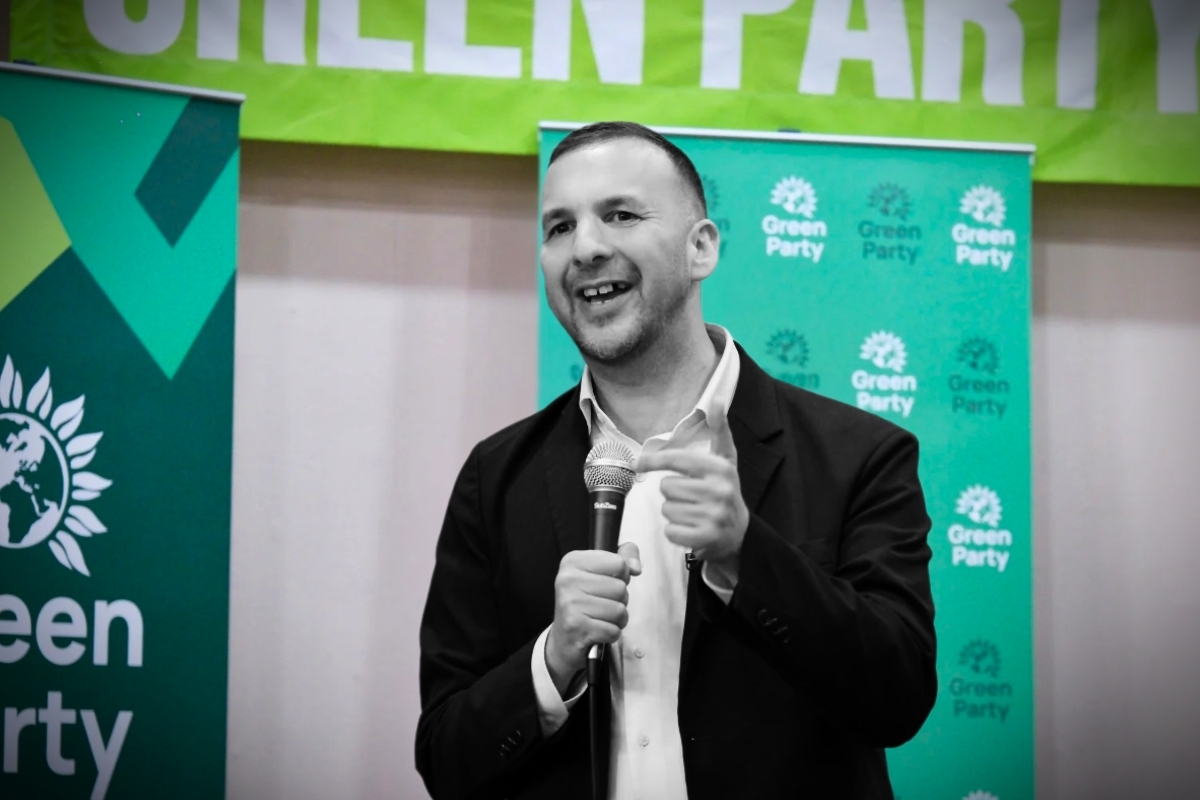
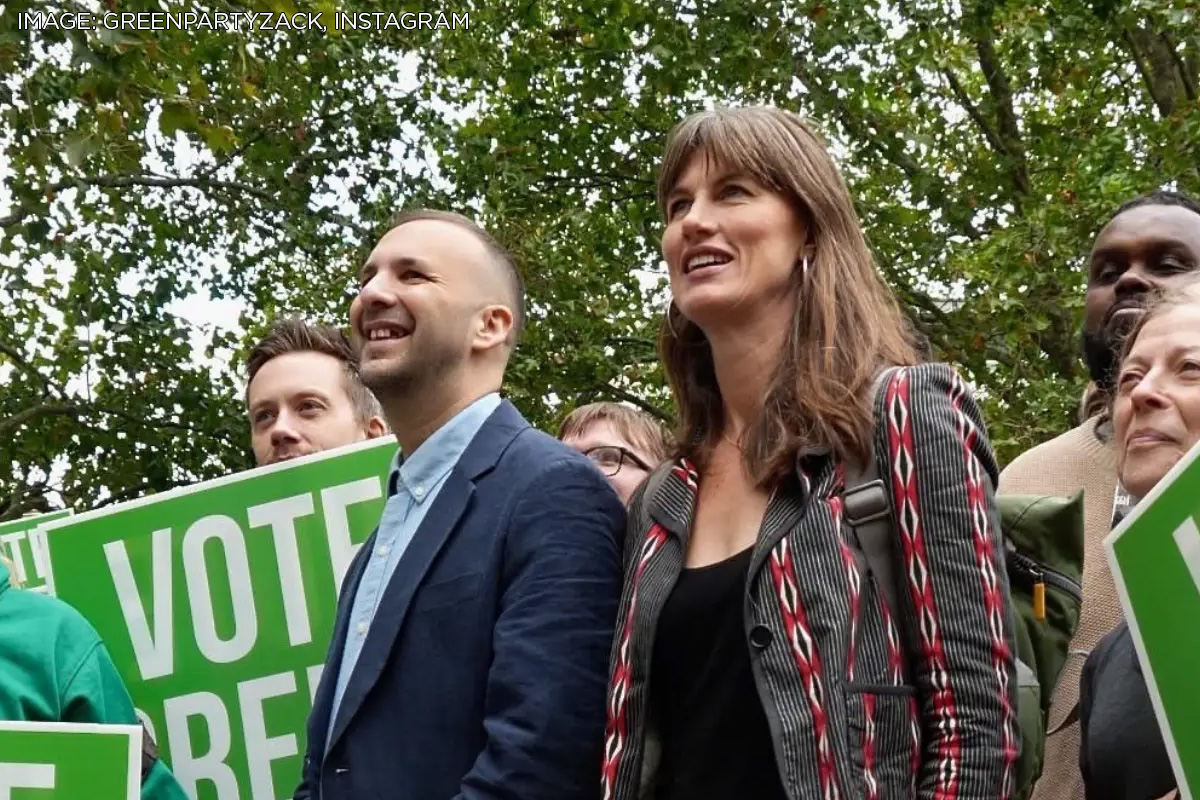
The Greens, under Zack Polanski’s leadership, have tapped into this anti-establishment, anti-imperialist mood brewing in society, and are increasingly basing themselves on it.
No longer presenting themselves simply as a fringe environmental party, they have increasingly focused on pro-Palestine and anti-war policies, alongside questions of living standards, wealth inequality, and public services.
Just as Reform has mounted an attack on the Labour government from the right, Polanski’s Greens have attacked the ruling party from the left.
In particular, their opposition to the ongoing genocide in Palestine and the war on Iran, coupled with Polanski’s fiery rebukes to the political establishment weaponising antisemitism, have acted as a pole of attraction for British workers and youth.
The Iran War
The Greens’ response to the US-Israeli war on Iran has cut through because it has echoed a sentiment widely felt among British workers: opposition to another imperialist war in the Middle East. There is no appetite for Iraq 2.0.
When military chiefs, Nigel Farage, and Kemi Badenoch initially lined up behind escalation, the Greens pressured Starmer from the opposite direction.
Despite Starmer’s own lukewarm statements of opposition to British involvement in the war, the Labour government has in practice fallen in line with US imperialism, allowing so-called ‘defensive’ US air strikes to be launched from British military bases.
The Greens have clearly opposed this, and demanded an end to the use of UK bases by the United States. Polanski in particular has hammered Starmer for dragging Britain into war behind the US. Ending US access to British bases would deal a major blow to US imperialism, which communists would support.
Trump and Netanyahu are waging an illegal war in Iran.
Starmer has failed to keep the UK out of it.
And here at home households are left counting the cost. pic.twitter.com/OQrzB6HjOV
— Zack Polanski (@ZackPolanski) April 14, 2026
However, when it comes to how this demand can actually be achieved, the Greens ultimately fall back on legalistic appeals to the ‘international community’. Green statements repeatedly stress that Britain is “obliged under international law” not to be involved in illegal military action.
But US imperialism has never been constrained by international law and the toothless institutions which are supposed to uphold and enforce it.
Wars are not launched because they are legal, and they are not halted because they are unlawful. War is not a question of legality but of the imperialist system which drives these wars in the first place. This is something that the Greens do not fully grapple with.
A European NATO?
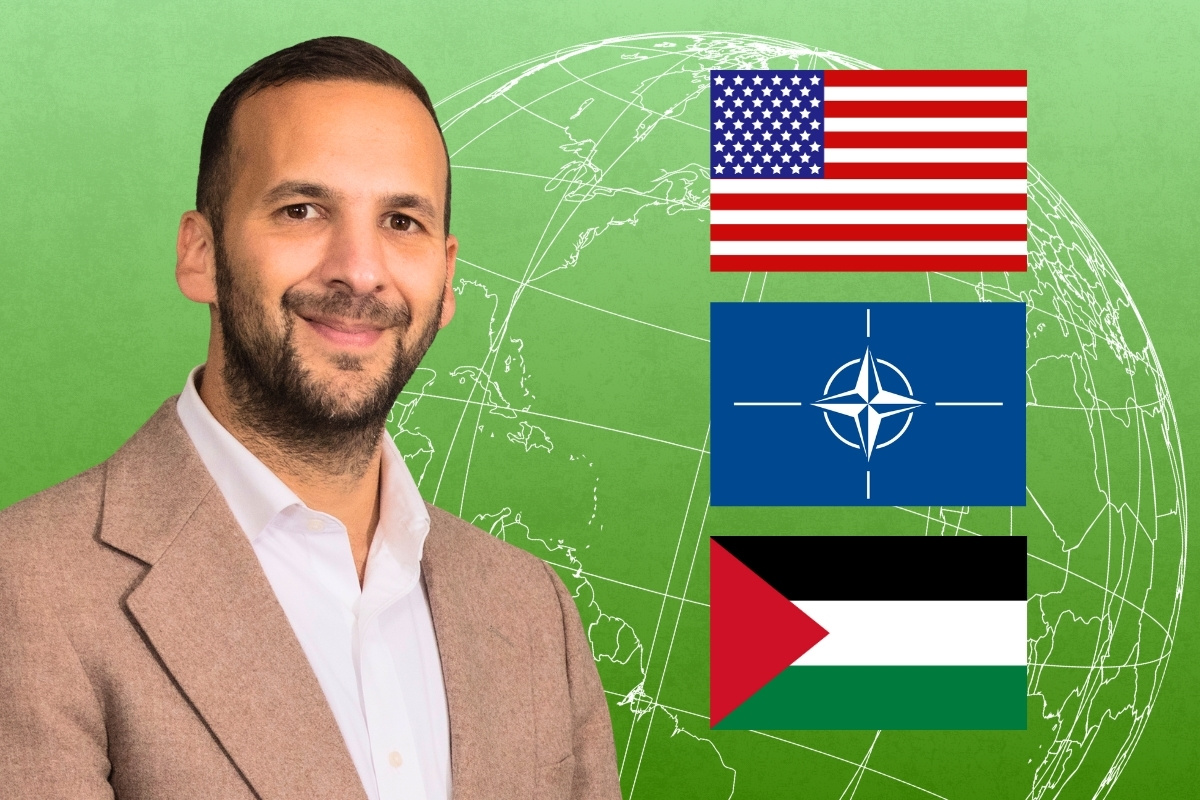
This same limitation becomes clear in Polanski’s position on NATO.
He recognises that NATO is dominated by US interests. That much has become increasingly obvious, particularly through the actions of Donald Trump, whose threats to annex Greenland and cut NATO funding have exposed the subordination of European powers within the alliance.
Polanski has rightly attacked Starmer for his grovelling before Washington, aptly describing him as Trump’s “poodle”. But he does not explain why this is the case.
In reality, Starmer’s bootlicking reflects the weakness of British capitalism. Unable to act independently on the world stage, British capitalism and its representatives cannot imagine a future without its ‘special relationship’ with the US. Economically, politically, diplomatically and militarily, the UK is subservient to Washington.
Polanski’s answer is to break from the United States and build a new alliance involving European states and countries from the Global South. In effect, a NATO-style bloc without the US, presented as a force for peace and cooperation.
This idea is utopian through and through. And worse than that, it sows illusions in the idea that the western capitalist powers – minus the USA – can be anything other than imperialist.
As US backing for Europe has become less certain, European governments have not moved toward peace. They are rearming at a rapid pace. Defence spending has risen sharply across the continent as governments scramble to strengthen their own military position. Britain continues to commit billions to sustaining the war effort in Ukraine, while workers are expected to pay through austerity and attacks.
This is the reality of a European military alliance on a capitalist basis. A NATO-style alliance without Trump would be a mafia gang without its Godfather.
Removing the United States from the centre of such a bloc would not remove the pressures driving militarisation and conflict. Competition for markets, resources, and influence would continue to shape the behaviour of European powers. The composition of the alliance might change, but the forces driving it would remain.
A real break from imperialism requires more than different alliances or different governments. It means breaking with the capitalist system that produces militarism, national rivalry, and war in the first place.
Palestine
On Palestine, the Greens have established themselves as the party that opposes genocide and supports the rights of Palestinians. Polanski has repeatedly called the genocide in Gaza by its name, and attacked the British government as complicit. This, at a time when Labour has backed Israel and attacked protestors, has stood out sharply.
This has been one of the decisive factors in the party’s growth – particularly among young people, who are sick to their stomachs of the hypocrisy of the British imperialists.
🚨🎥 WATCH: Green leader Zack Polanski calls for the proscription of Palestine Action to be withdrawn as he attacks Labour
“From terrorist proscription against protesters, to banning journalists from their conference.. the alarm bells of authoritarianism are now ringing” pic.twitter.com/gkIIK76BbW
— Politics UK (@PolitlcsUK) October 3, 2025
But even here, there are limits to their platform. These came out clearly when the Greens’ liberal ‘old guard’ blocked the “Zionism is racism” motion at their policy conference in March.
The motion defined Zionism as a racist ideology, supported Palestinian resistance, and called for a democratic Palestinian state. It had strong support among the Greens’ newest members, drawn to the party over their position on Palestine.
When asked whether he would have supported the motion, however, Polanski described the issue as ‘nuanced’, and suggested that there are forms of Zionism that he did not consider racist.
But Zionism is the ideological bedrock of Israel’s imperialist expansion, used to justify the genocide in Gaza, the displacement in the West Bank, and the decades of oppression against Palestinians. Of course it is racist through and through.
Many of the layers drawn to the Greens over Palestine understand this. They have been radicalised by watching a genocide unfold in real time, with the full backing of the British state. The motion would have sent a clear signal to the millions of Britons that oppose the genocide that the Green Party is an unequivocally anti-Zionist party.
Instead, Polanski’s response risks pushing away some of the very people drawn to the Greens by its stance on Gaza, who may now question how far Polanski is willing to go to fight Zionism.
A party divided
The Greens’ rise reflects a real demand for change. Their stance on Palestine and opposition to the war on Iran have drawn in layers looking for a clear break from the political establishment.
But the party itself is not homogeneous. Its recent growth has been driven by newer layers attracted by Polanski’s leadership, and by the sense that the Greens are willing to break from the status quo.
At the same time, established layers within the party remain more cautious and prone to compromise, whether on NATO, Zionism, or on social issues like nationalisation.
On BBC Politics Live, Green MP Ellie Chowns publicly distanced herself from Polanski’s position that Donald Trump, who threatened to wipe out the entire civilisation of Iran, posed a greater threat than Vladimir Putin.
“I wouldn’t have said that, that’s not my view. I am however deeply concerned about the actions of Donald Trump”
On #PoliticsLive Green Party MP Ellie Chowns distances herself from comments about the US president made by her party leader Zack Polanski
https://t.co/JajYRXAqZ0 pic.twitter.com/so7Z3MZQcb— BBC Politics (@BBCPolitics) April 27, 2026
The leadership around Zack Polanski has undoubtedly given the party a sharper tone on questions like Palestine and war. But beneath this shift in rhetoric, divisions persist, and many of the same reformist pitfalls remain.
The Greens approach imperialism largely as a question of bad political choices and leadership, rather than something rooted in capitalism itself. Polanski will be tested in deeds, not just words. He will not be able to decisively break from the party’s old guard unless he directly challenges the core interests of British capitalism.
What is at stake
Workers and young people are desperately searching for a way to oppose war, austerity and the political establishment. Already the war on Iran is affecting the livelihoods of millions, with the worst still yet to come.
Everything from the European ‘Block Everything for Palestine’ movement, to the widespread solidarity with Palestine Action, shows that millions of workers and youth, seething with anger, are moving far beyond appeals to governments and international institutions.
The question facing Polanski and Green Party members is: do they double down and adopt bold anti-imperialist policies, or do they dilute their stated aims, and back down under the pressure of the British establishment, which is being channeled through the party’s old guard?
This question for now remains unanswered. But from our own interactions with young, radical Greens, we know many members are already looking far beyond electoral politics; they desire real, revolutionary change.
To all who support such measures, we welcome dialogue and comradely debate over what programme and methods we need to fight this oppressive system, at home and abroad.