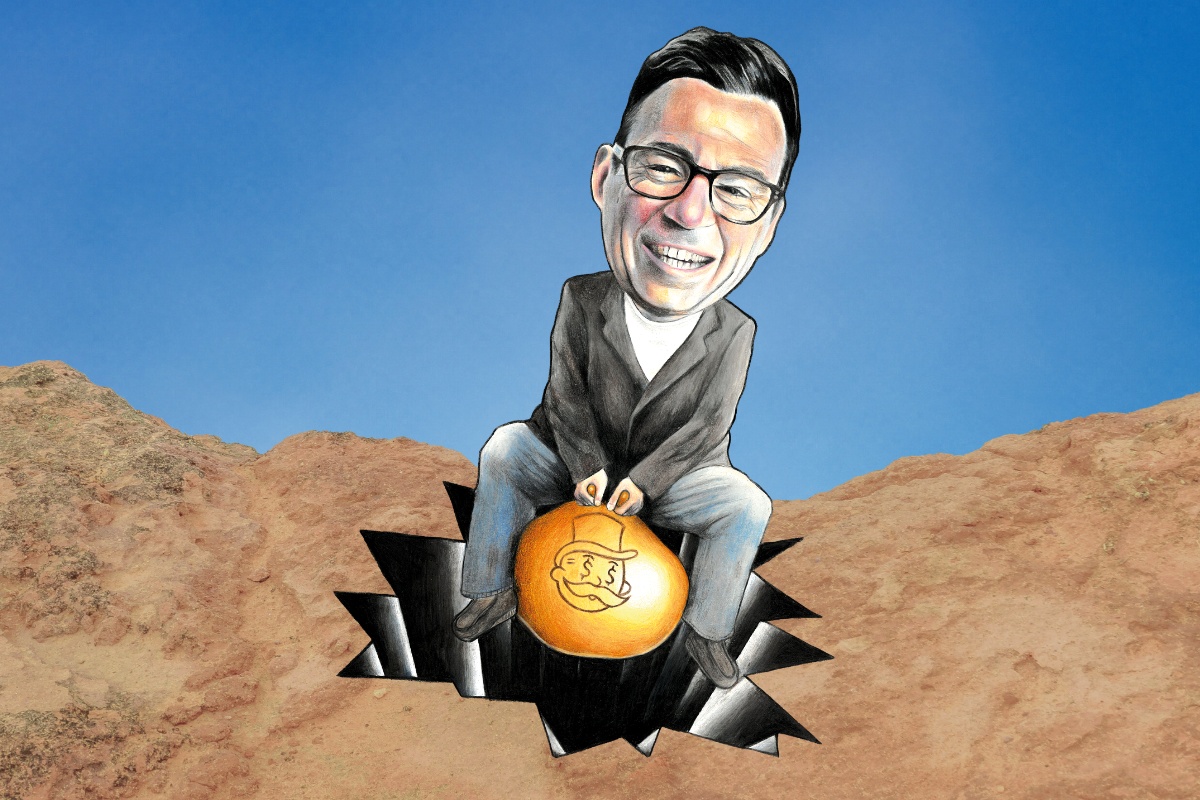
Andy Burnham has certainly shifted the mood inside the Labour Party since entering 10 Downing Street (or should that be ‘Number 10 North’?), almost one month ago.
With his northern charm, upbeat rhetoric, and quirky social media posts, Britain’s latest prime minister seems like a refreshing change – on the surface, at least – from the dull, dreary tone of Keir Starmer’s premiership.
“There’s a warmth about him that we haven’t had for a while,” suggested one voter, speaking in a focus group organised by Lord Ashcroft. “He’s not your run-of-the-mill posh boy,” remarked another.
This has contributed towards a ‘Burnham bounce’ for Labour, with the party now leading in the polls for the first time in over a year.
🚨 Lates Opinium @ObserverUK poll 🚨
Labour remains ahead of Reform UK and the Conservatives.
➡️Labour 27% (N/C)
🌹Reform 25% (+1)
🌳Conservatives 19% (+1)
🌍Greens 12% (N/C)
🔶Liberal Democrats 10% (-2) pic.twitter.com/VUkwju95Vf— Opinium (@OpiniumResearch) August 8, 2026
Most recent surveys estimate Labour’s support to be in the mid-20s, up from a low of around 19 percent at the time of Starmer’s resignation announcement. One by Ipsos even puts Labour on 28 percent, three points ahead of Reform UK in second place.
This, in turn, has lifted the spirits and raised hopes amongst Labour MPs. Maybe, they mutter to each other in Westminster, their jobs will be saved by the Messiah of Manchester? After all, who better to rescue their careers than the biggest careerist of them all!
Labour’s minefield
In reality, the honeymoon period for Burnham and his party will not last long.
At the moment, Parliament is in recess. The Labour leaders can therefore get away with making vague promises and soothing noises, such as offering ordinary voters a “breathing space” when it comes to the cost-of-living crisis.
Sooner or later, however, the new PM and his government will be forced to grapple concretely with a host of ‘difficult decisions’, as his predecessor was fond of euphemistically calling them. And then the wheels will start coming off for Burnham and Labour.
“At the moment he’s just setting out, ‘here’s all the nice things I’d like to do’,” states Anthony Wells, head of political polling at YouGov, commenting on the shallowness of Burnham’s popularity. “It’s only when details come out that you start upsetting people.”

John Healey, Burnham’s chancellor, will soon begin drawing up the latest Autumn Budget, for example. This will include working out exactly where the axe will have to fall in order to balance the books and placate the bond markets.
Blairite defence minister Wes Streeting, meanwhile, will no doubt be relishing the chance to renew the British establishment’s militarism drive – in the interests of the imperialists and arms companies, and at the expense of workers and welfare claimants.
And Shabana Mahmood, keeping her position as home secretary, will be continuing her efforts to keep up with Farage and co. to Labour’s right when it comes to migrant-bashing and demands around deportations.
All the while, the shadow of Donald Trump, the erratic and easily-irritated US President, will be looming over Burnham. Does the UK premier try to appease his American counterpart, and grovel before him as Starmer did? Or does he put on a show for his audience back in Britain, make a superficial stand, and risk provoking the anger of his master in Washington?
This, and more, is the impossible minefield of dilemmas that Burnham and his cabinet must navigate when they return from their parliamentary break. And it won’t be long before they put a foot wrong and the shrapnel starts flying.
Farage’s fall
Andy Burnham cannot take all the credit for Labour’s leading position in the polls, however. After all, more impressive than the ‘Burnham bounce’ is the ‘Farage fall’.
Reform UK has suffered a continuous, noticeable decline in public support since the start of the year, if not before.
At its high point, Farage’s party was polling over 30 percent, with some suggesting that Reform could even be on course to form a majority government at the next general election.
On the one hand, this reflected the hatred towards the traditional political parties – both Starmer’s Labour and the Tories. On the other hand, it demonstrated the appeal of Farage’s anti-establishment demagogy, with the Reform leader promising to scrap the two-child benefit cap, nationalise parts of the water and steel industries, and fix ‘broken Britain’.
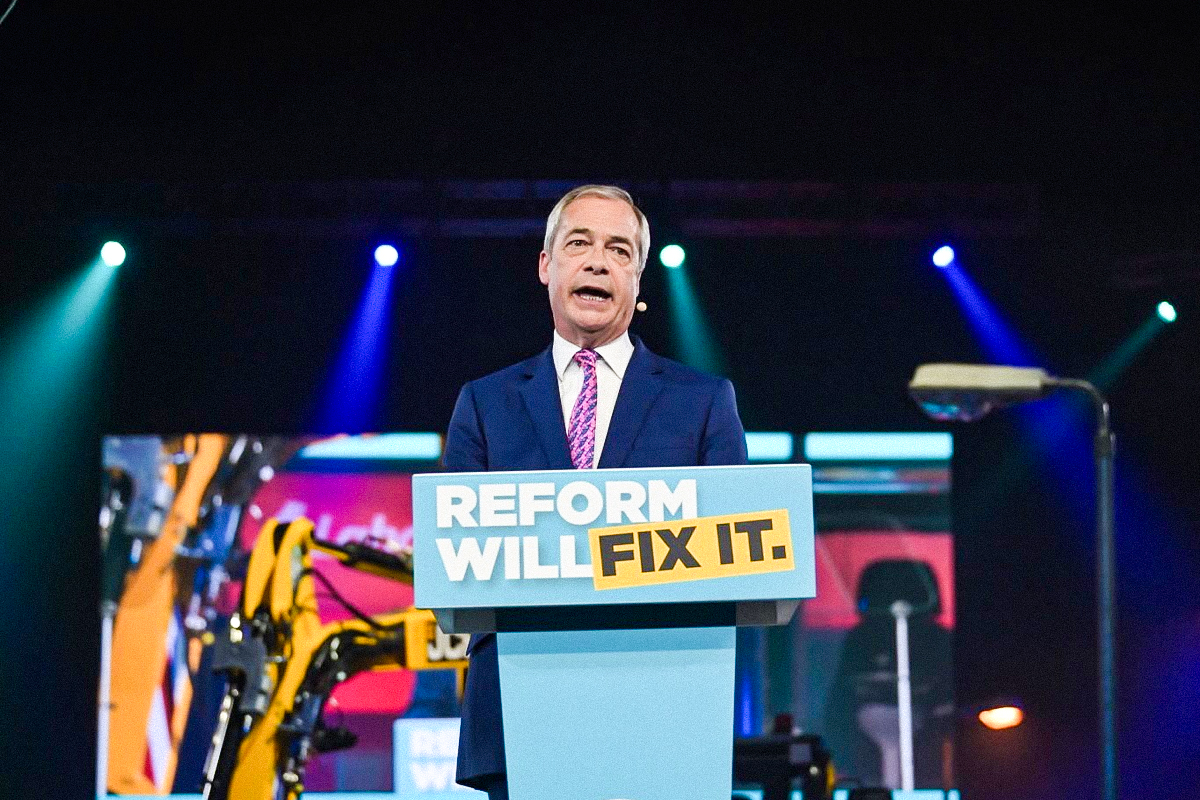
Since then, however, Farage and Reform have taken a turn.
A string of high-profile – and loathsome – defectors have quit the Conservatives to join Reform UK. As Farage and his reactionary chums get closer to power, meanwhile, they have jettisoned much of their anti-establishment language and pledges. Opposition to austerity is out; Thatcherite cuts and pro-business measures are in.
Furthermore, electoral success in a number of local authorities across the country has put Reform and its representatives in the spotlight. In charge in councils such as Kent, Warwickshire, and elsewhere, Reform have presided over a further fraying of public services, leading to disillusionment and dismay amongst local residents.
Scrutiny over a £5 million donation from a Thailand-based crypto billionaire, meanwhile, has not helped Farage when it comes to shoring up his affected ‘ordinary bloke’ image or ‘champion of the people’ credentials.
At the same time, Farage’s party is losing support to its right, as rabidly-racist MP Rupert Lowe – backed by Elon Musk – siphons voters away from his old party, towards his own electoral outfit, Restore Britain.
Farage may see off the challenge of Count Binface, and hold onto his seat, in the Clacton by-election this week. But his political future beyond that does not seem so assured.
Greens’ stumble
Last, but by no means least, when it comes to understanding the ‘Burnham bounce’ is the poor performance of the Greens.
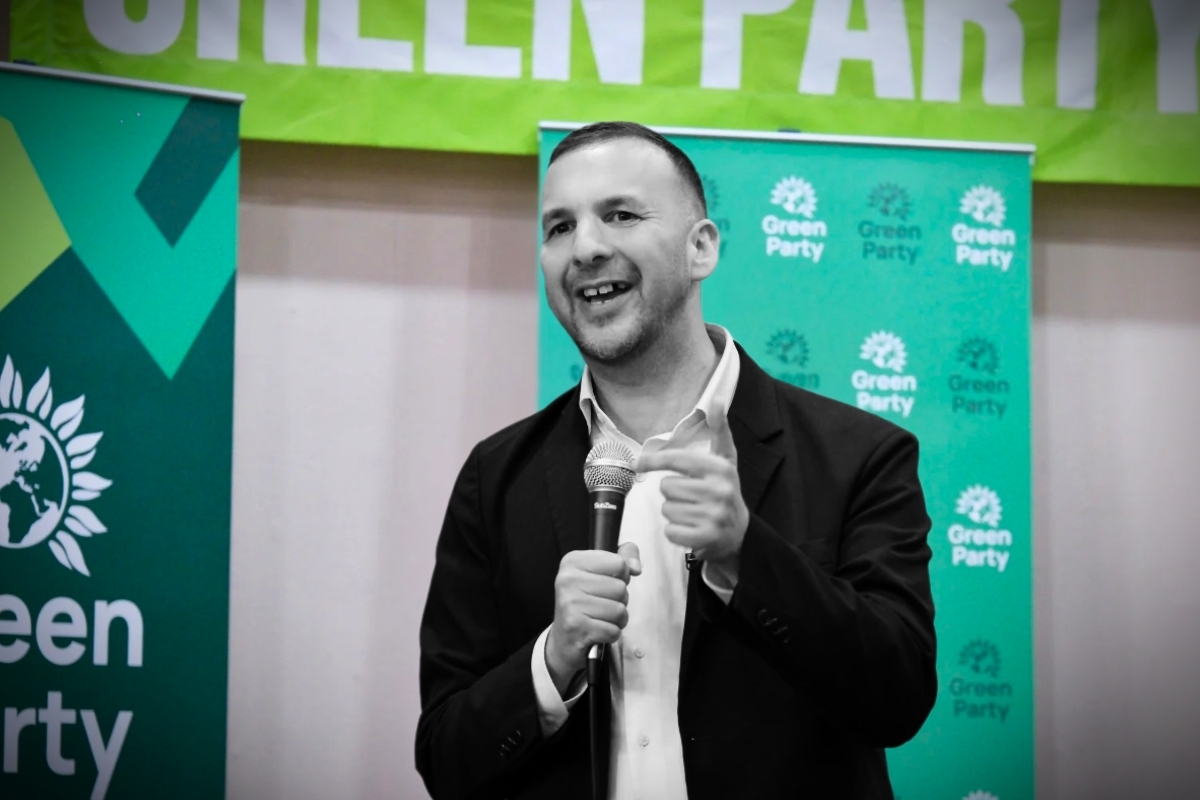
Earlier this year, the Greens were both benefitting from and contributing towards Starmer’s drawn-out downfall. Positioning themselves clearly to the left of Labour, with opposition to war and genocide, and denunciations of the billionaires and landlords, Zack Polanski and his party saw a surge in membership and support.
The apogee of this rise was the Gorton & Denton by-election in February, in which Green candidate Hannah Spencer defeated both Labour and Reform.
This set off alarm bells in Labour HQ, suggesting that Starmer’s party might haemorrhage votes to their left at the next election, as Britain’s political landscape fragmented, and the old two-party system crumbled.
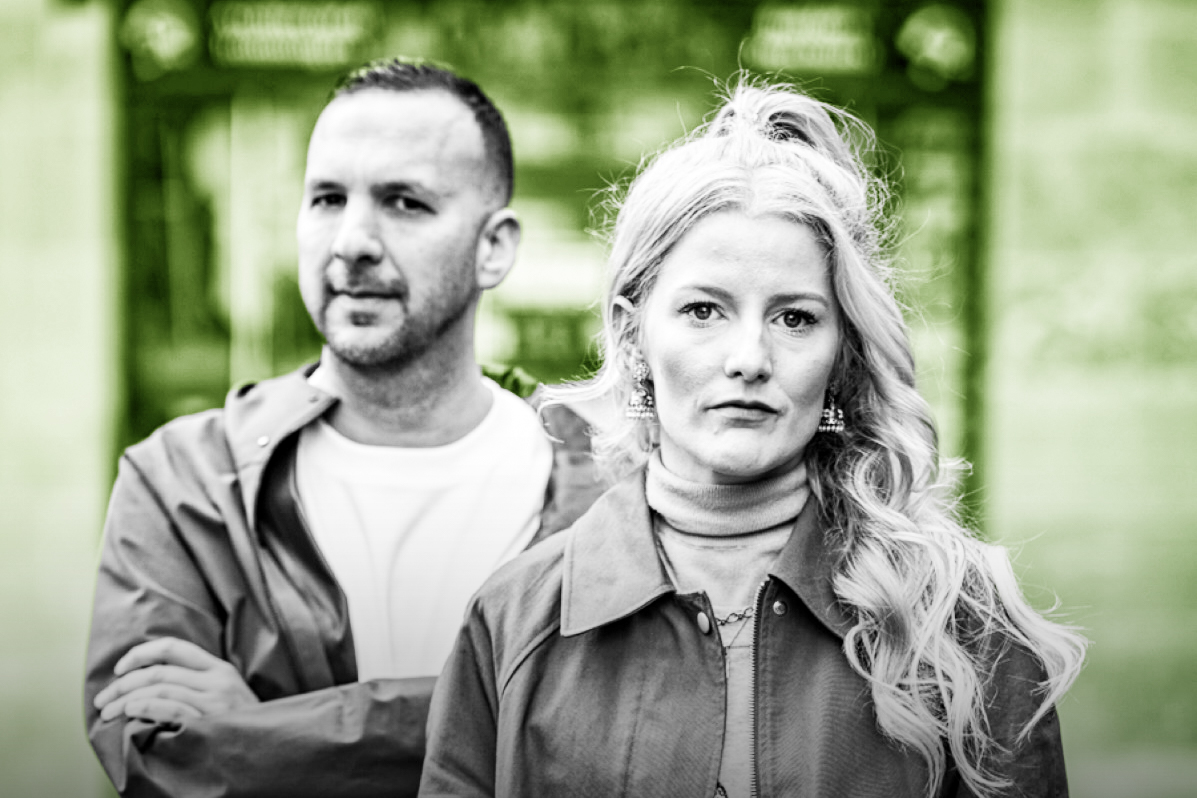
At one point, some surveys even indicated that the Greens had overtaken Labour in terms of voters’ preferences.
The recent changing of the guard on Downing Street has tripped up the Greens, however.
Even at the Makerfield by-election last month, the party was split over whether or not to stand aside for Burnham, so as to aid his coronation. And since then, the Green leaders have failed to put clear blue water between themselves and Burnham’s Labour.
Rather than exposing Burnham for being the cynical chameleon and two-faced capitalist politician that he is, the Green leaders, at best, have had a ‘let’s wait and see’ approach. At worse, like the rest of trade union and left leaders, they have actively sown illusions in this wolf in sheep’s clothing.
Without a clear socialist alternative to offer workers and youth, it is no wonder that the Greens have stumbled and been unable to capitalise on Starmer’s demise: slumping in the polls nationally; and coming third in the recent Manchester mayoral election, behind Labour and Reform, with just 12 percent of the vote.
Government of crisis
Much will happen to alter the political picture between now and the next general election. The hammer blow of events will leave not one stone unturned.
We do not have a crystal ball to provide any precise predictions. Instability and volatility is the only certainty in this turbulent, chaotic epoch.
Nevertheless, equipped with a Marxist perspective, we can say for sure that there will be no recovery for British capitalism, and thereby no sustained support for Burnham. Rather, like the other six PMs who have come before him over the past decade, he will head yet another government of crisis.
The only place that Burnham is bouncing in the long-run, therefore, is directly into an abyss.
In turn, any illusions that might currently exist in Burnham will quickly be burnt away, as the deepening crisis of capitalism – in Britain and internationally – forces the Labour leaders to implement ever-harsher cuts and attacks on workers, the poor, and the vulnerable.
This will prepare the way for even greater turmoil in British politics; for further polarisation and radicalisation; for sharper class battles and social explosions.
The task of the communists is to maintain a level head; to soberly understand where things are heading; and to prepare for these titanic events by building the revolutionary leadership that is so urgently required.
Manchester mayoral election – ‘who cares’ wins
Jai Dunne, Manchester
Looking at the results it would seem like Labour had a big win in the recent Manchester Mayoral by-election, with a combined total of 309,525 votes (first and second preferences included).
However, the party with the biggest share was in fact the ‘none of the above’ or the ‘who cares party’. The overall turnout to Britain’s ‘biggest ever by-election’ was 25 percent – hardly a barometer for where British politics might be going.
This is a far cry from the Gorton & Denton by-election earlier this year, where almost half the electorate voted in what was in effect a referendum on the establishment.
‘Burnham bounce?’
Manchester’s turnout itself is a reflection of apathy for the political circus with a pinch of the so-called ‘Burnham bounce’.
The winning Labour candidate, Bev Craig, is a political non entity – a faceless careerist, probably running only because Mayor is the next rung on the ladder.
🚨 Labour’s Bev Craig has won the Greater Manchester mayoral election by-election.
She won a total of 309,525 votes (66% of the vote share)
Sian Astley for Reform won 157,178 (33.7%)In her victory speech she said: ‘I will defend this city region with every bone in my body.’ pic.twitter.com/VeKCxhDVNC
— The Mill (@ManchesterMill) July 31, 2026
Although they came second, Reform did worse than expected. With the turnout, in isolation there isn’t much to go off as to why; however, the recent scandal surrounding Farage’s five million crypto donation – as well as the farce of the Clacton by-election – likely contributed to Reform only receiving half of Labour’s vote share.
The Greens had roughly 12 percent of the vote in the first count. This is a complete flop considering their relative strength in Manchester after winning Gorton & Denton earlier in the year.
They’ve blamed this on students being back home, which definitely contributed, but another factor and general trend are the internal splits inside the Greens: support a Burnham led ‘progressive alliance’ to stop Reform, or stand independently?
So far, Green Party leader Zack Polanski has yet to address this decisively. These disappointing results will worsen the friction between the ‘Tories on bikes’ wing of the Greens, and the new rank and file who joined for Polanski and his left-populist leadership.
Happy Rupert Lowe
Restore Britain appeared happiest with the results, beating both the Tories and Lib Dems with eight percent of the vote. They waged a concerted campaign to achieve this, including Rupert Lowe starring in a video which was part racist ‘documentary’, part election campaign.
They have recently been winning votes to the right of Farage, appearing as a more anti-establishment and more reactionary alternative. But with Farage and Lowe starting a dialogue over an electoral pact, Restore’s relative success in Manchester may end this rivalry and be a further push in the formation of such an alliance.
There has been a short term reprieve for Labour with their messiah from Manchester at the helm, which is reflected in the city’s mayoral results. This in turn has disorientated the Greens and quieted Reform as they deal with their on-going scandals.
But when Burnham fails to divert from the ongoing death agony of British capitalism (which he will), we can expect all the anger which surrounded Starmer will come back stronger than ever for him – and for his party’s representatives at all levels of British politics.
Death, taxes, and death taxes
Stan Laight
Andy Burnham has announced plans to solve the crisis in adult social care, including the creation of a National Care Service.
To fund his plans, he has stated that he has located “a significant amount of money in the system – it’s just sometimes it is not in the right place.”
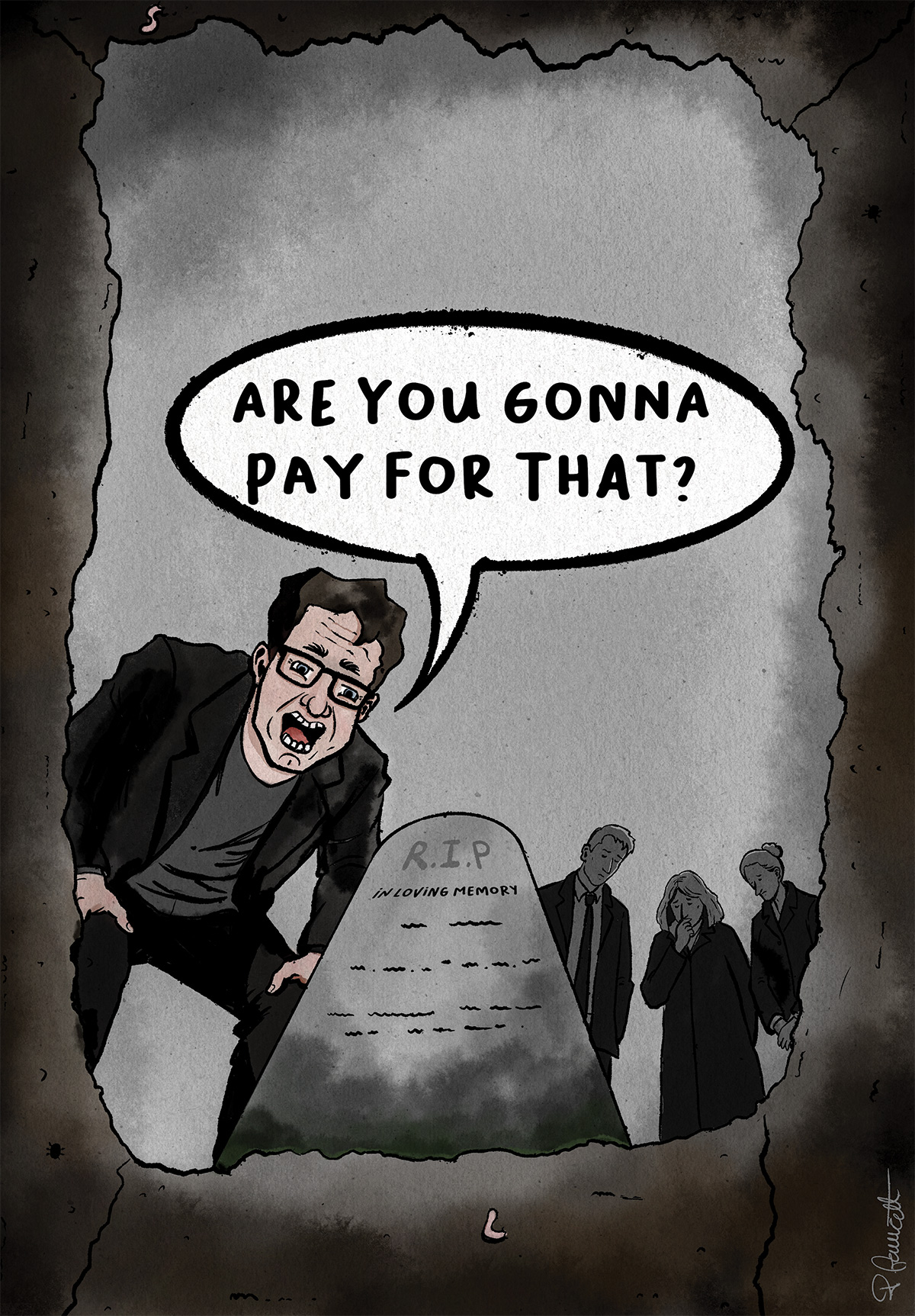
In a sense, he’s right. There is a colossal amount of money sitting in the coffers of banks and financial institutions, which are not being invested in socially useful things like hospitals, schools, housing, infrastructure, etc.
But Burnham isn’t interested in doing that. He instead wants to introduce a ‘death tax’, raising taxes on inheritance and possibly with a flat rate of ten percent on estate assets.
Because it is a flat rate, this will likely disproportionately affect poorer to middling households.
The majority of inheritances are for relatively small amounts, but help relatives to pay off debts, go on holiday, or contribute towards a house deposit and their savings.
For Burnham to propose that the state take a cut from someone’s inheritance is a slap in the face to millions who try to scrimp and save their whole lives in the hope that their relatives might get a helping hand when they pass away.
This punitive measure has even been met with caution by the ruling class, who know such a policy will be deeply unpopular. The Telegraph went as far as saying the policy, “…could become Burnham’s own poll tax,” with millions refusing to pay.
Considering the turmoil and deep crisis of British capitalism, Burnham’s ‘own poll tax’ could come from anywhere.