Slavery abolished! But the struggle continues
This month marks the 200th anniversary of the official abolition of slavery and the passing of the Slave Trade Act, which made the capture, and transport of slaves by British subjects unlawful.
The Second American Revolution [The U.S.
Civil War] was a tremendous step forward, but it never realized its
promise to Black Americans. The real winners in the Civil War were the
Northern capitalists who opened up new markets and obtained a huge new
supply of dirt-cheap labor. Nearly a century and a half after the
abolition of slavery in the U.S.A., we are very far from achieving
genuine equality for all, regardless of race, color or sex. Despite a
number of advances achieved through the struggles of black people in
the 1960s, the position of black Americans remains one of clear
disadvantage. Originally published in the book Marxism and the USA, published by and available from Wellred.
The key role played by women in the 1984-1985 miners’ strike has been an
inspiration to working class women everywhere. Many other issues affecting women
have yet to be fought. Cuts in education, housing, transport and health just to
name a few. Originally published in 1986.
Tomorrow, March 8, is International Working Women’s Day, and to mark
this important event we are publishing this article. It was first printed in
issue Number 5 of ‘In difesa del marxismo’, the theoretical magazine of the
Italian Marxist journal FalceMartello. Although originally written for an
Italian audience we believe it is of interest to labour movement activists and
youth around the world.
Following on from our publication of Part One of this article to commemorate
March 8, International Working Women’s Day, we are publishing Part Two, which
starts with the role of women in the Italian resistance movement and then goes
on to analyse the Italian feminist movement from the Second World War up until
today.
We are publishing a letter about the conditions of female immigrants to
Europe written by Marina Kosara, a member of the Young Socialists in
Vienna who works with immigrants.
The Irish population in a referendum has just rejected a government
move to further restrict women’s limited access to abortions. This is a
blow for the reactionaries but the right to abortion is still out of
reach for most Irish women, being available only to those who can
afford to travel to Britain.
This is a short article about the terrible conditions women face in Nigeria.
While middle class feminists regard the oppression of women as an
inherent biological trait of men, Marxism explains that the root of
women’s oppression lies not in biology, but in social conditions.
Marxism sees the liberation of working class women as a part of the
struggle for the liberation of the working class as a whole. While
feminists set women against men, the socialist movement attempts to
forge solidarity between male and female workers in a common struggle
against capitalist exploitation.
For Marxists, the root cause of all forms of oppression consists in the division of
society into classes. For many feminists, on the other hand, the oppression of
women is rooted in the nature of men. It is not a social but a biological
phenomenon. This is an entirely static, unscientific and undialectical
conception of the human race. It is an unhistorical vision of the human
condition, from which profoundly pessimistic conclusions must flow. For if we
accept that there is something inherent in men which causes them to
oppress women, it is difficult to see how the present situation will ever be
remedied. The conclusion must be that the oppression of women by men
has always existed and therefore, presumably, will always exist.
Marxism has always been at the forefront of the cause of women’s emancipation. The 8th of March (International Women’s Day) is a red letter day for us as it symbolises the struggle of working class women against capitalism, oppression and discrimination throughout the world. We are publishing an updated version of the document we published last year on March 8, where we outline the first steps given by Marxism to fight for women’s rights, what the first successful revolution meant for the emancipation of women, conditions of women under capitalism both in advanced and Third World countries and pose the question of how to eliminate inequality between men and women for good.
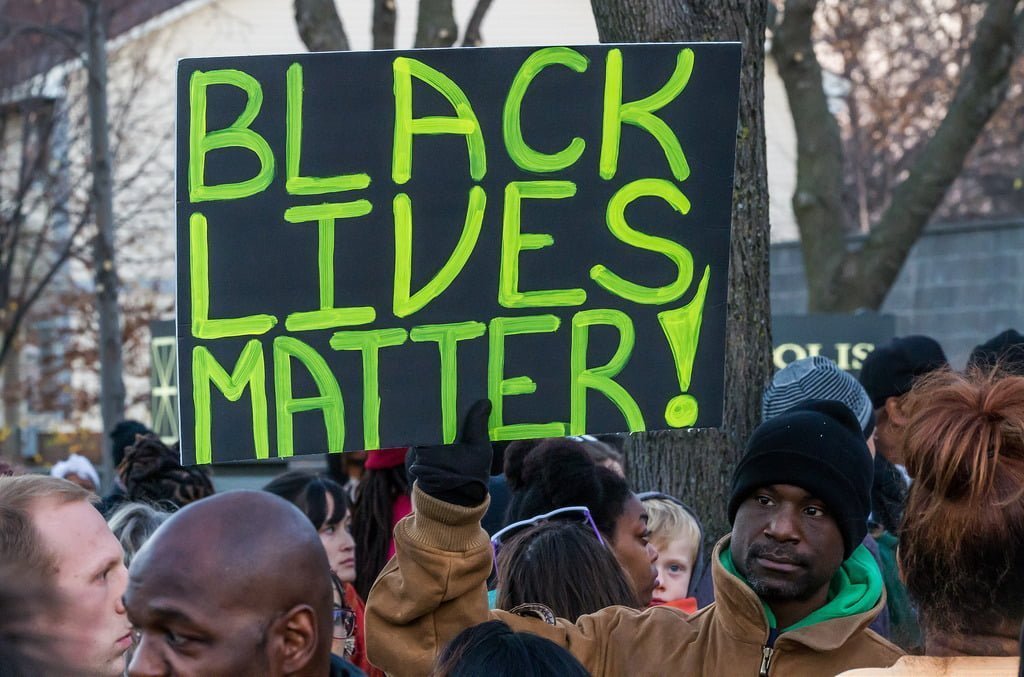
The United States is the richest and most powerful country on the planet. Yet despite
this, the poison of racism remains an integral part of America. Blacks, together with the
other racial minorities, remain the most exploited section of society, mostly employed in
the lowest-paid and menial jobs. Racism remains an everyday part of their desperate
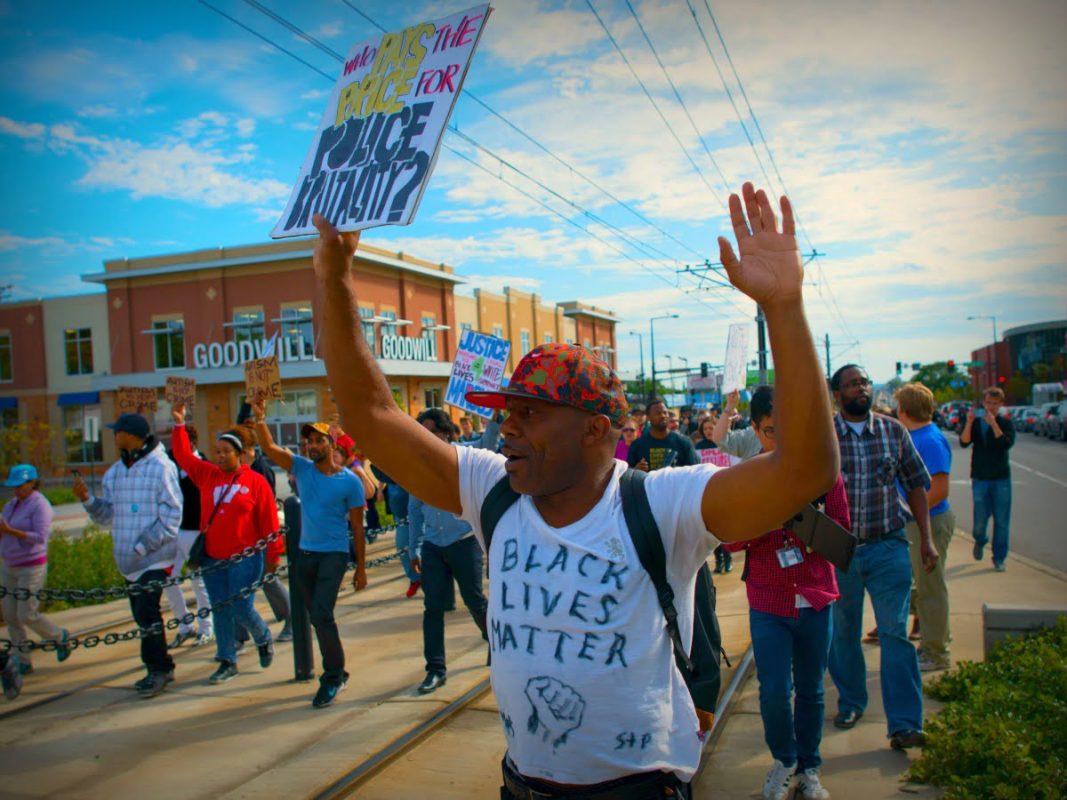
existence. Today, despite all the "reforms" of the last thirty-odd years, blacks
continue to suffer from lynchings and violence at the hands of the state, racist
organisations and individuals, as well as being forced to live under conditions of mass
poverty and oppression. The recent gruesome murder of a black man in Texas who was dragged
to death behind a truck is a vivid reminder of American racism. Black youth are faced with
daily harassment and intimidation by the police.