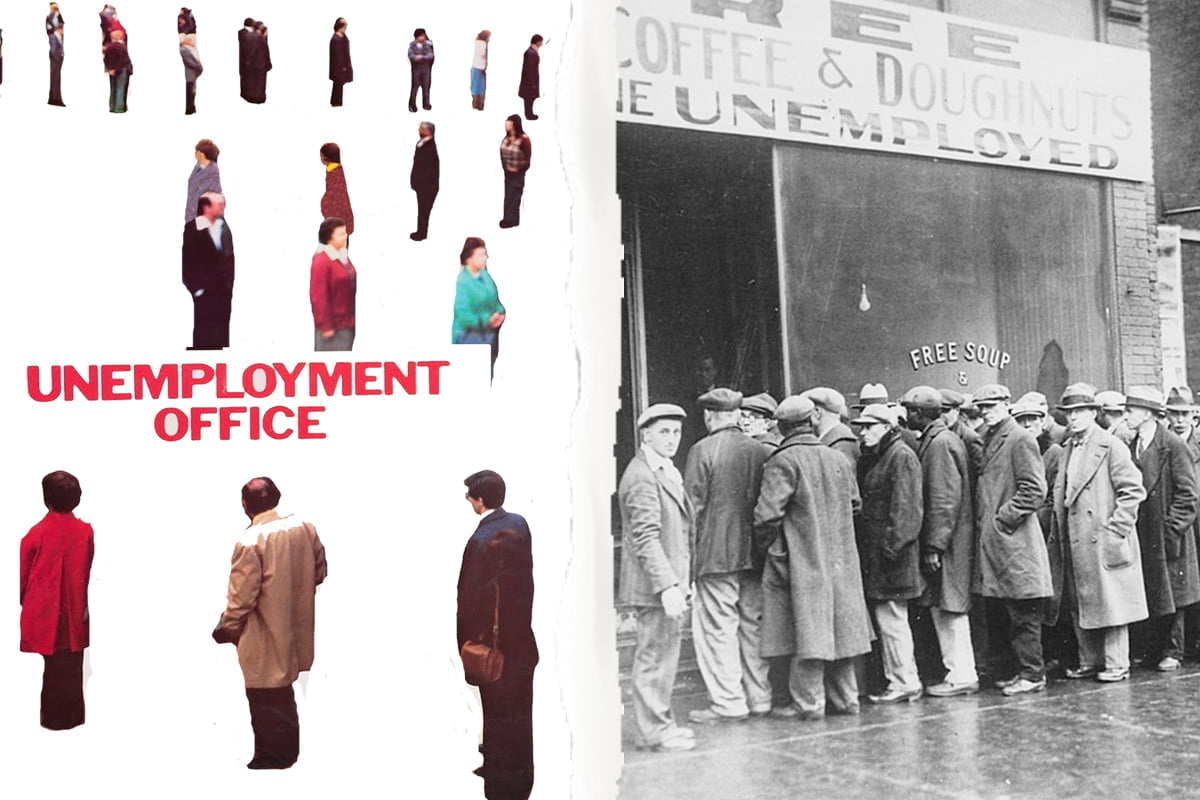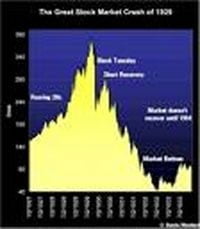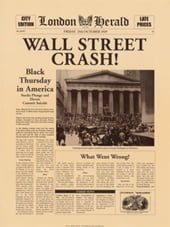
1929: From boom to bust to depression
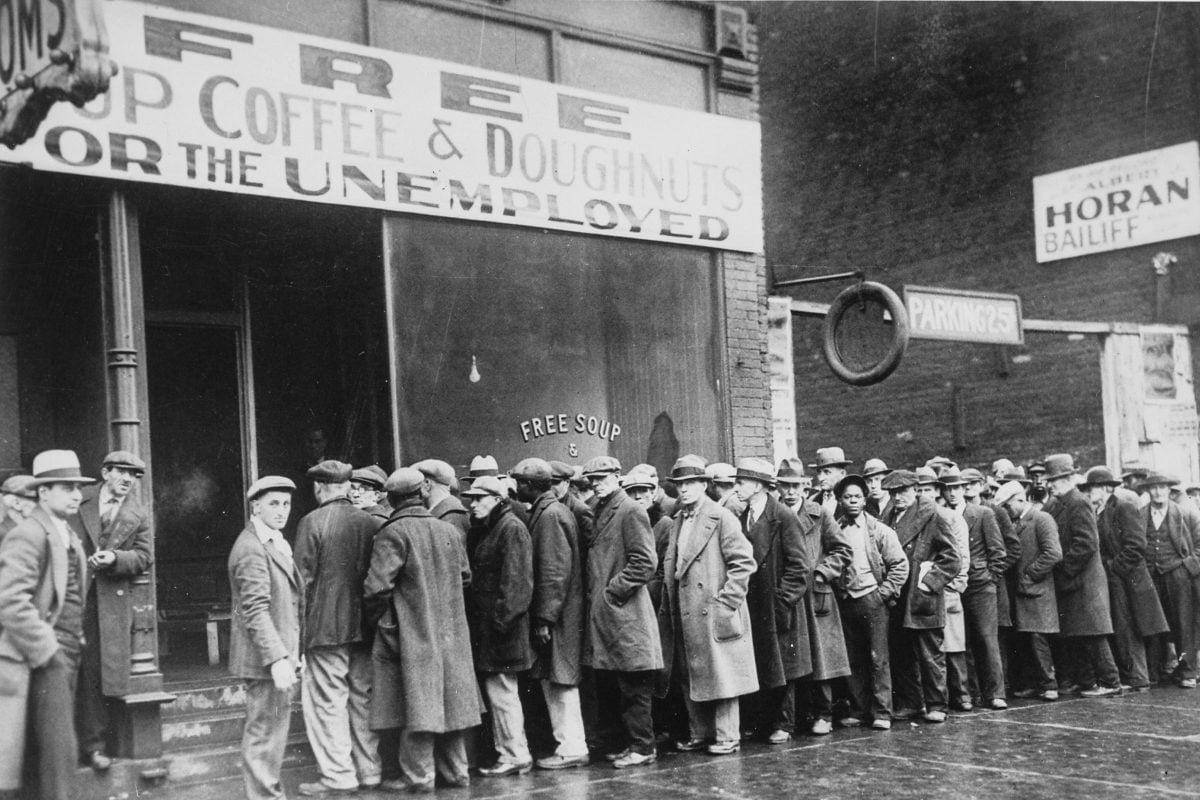
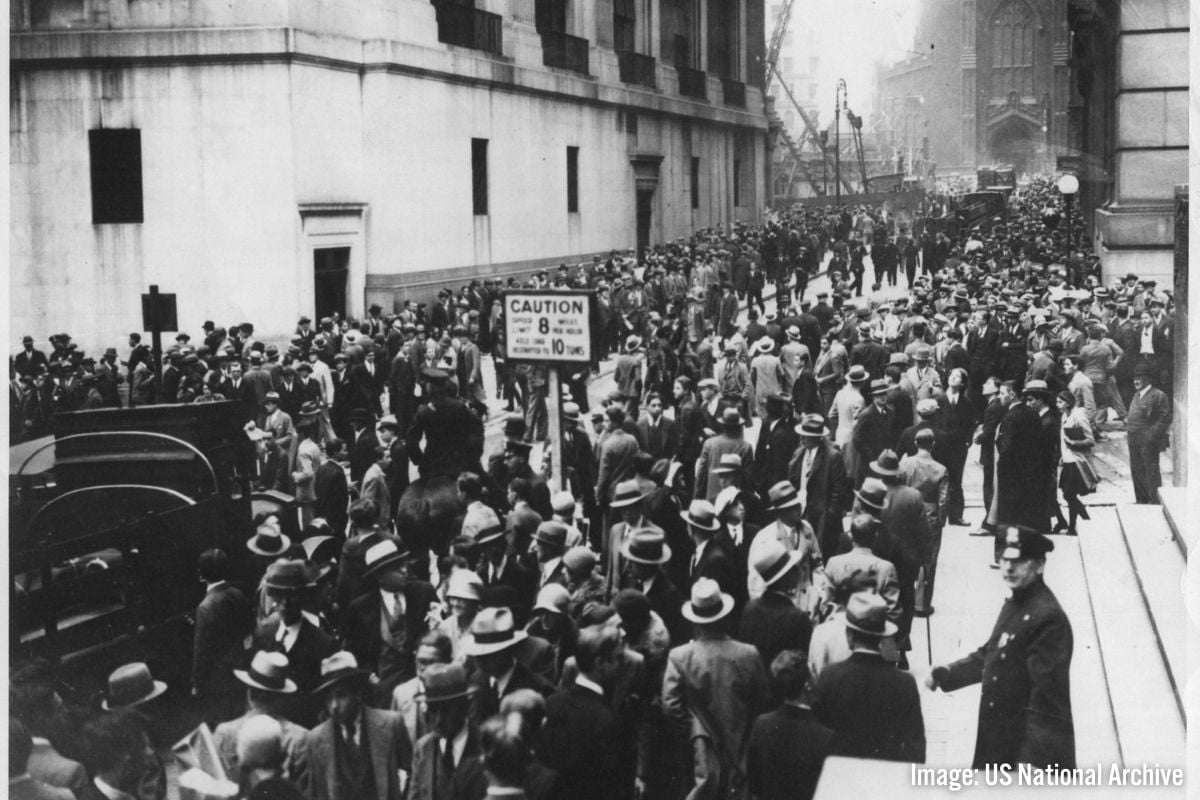
In 1929, the New York stock exchange panic began, kickstarting a financial meltdown and opening up a decade of global depression. Only Marxism can explain the real cause of this crisis.
This category is for news and analysis of the present-day economic situation. For Marxist economic theory and history, head to Economics.
In 1929, the New York stock exchange panic began, kickstarting a financial meltdown and opening up a decade of global depression. Only Marxism can explain the real cause of this crisis.
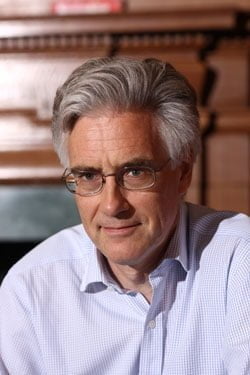
Lord Adair Turner is head of the UK’s Financial
Services Authority, the body in charge of regulating the banks and other
financial institutions. Some weeks ago, he was interviewed
by Prospect magazine, a small mouthpiece of the Blairite wing of New Labour. In that interview, Lord Turner blurted out a
telling truth about finance capital that its proponents did not want to
hear. The reaction from
financiers has been apoplectic.
Nearly fifty years ago, Ted Grant wrote a major article called ‘Will there be a slump?’ in which he outlined the underlying reasons for capitalist crisis and why it would keep happening – a controversial statement during the period of the post-war boom. This article from 1960 remains as relevant today as ever, given the world recession which has thrown the economies of the world into chaos.
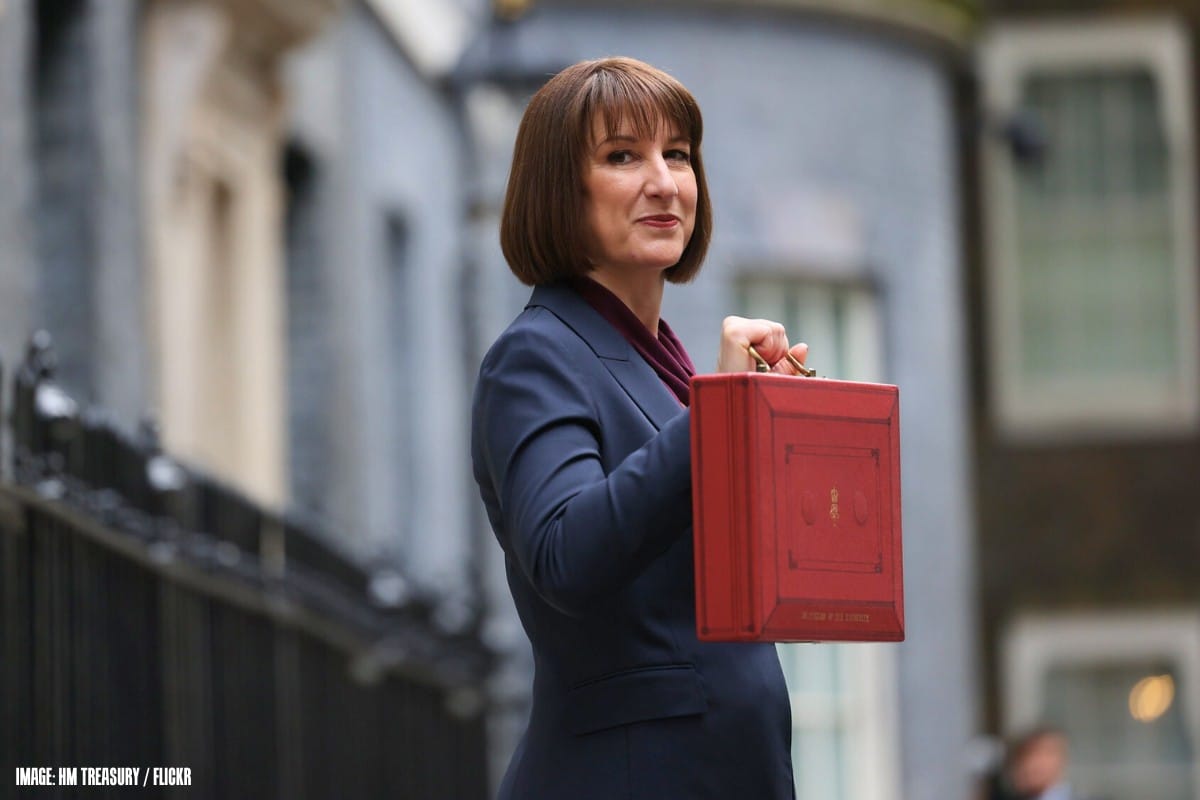
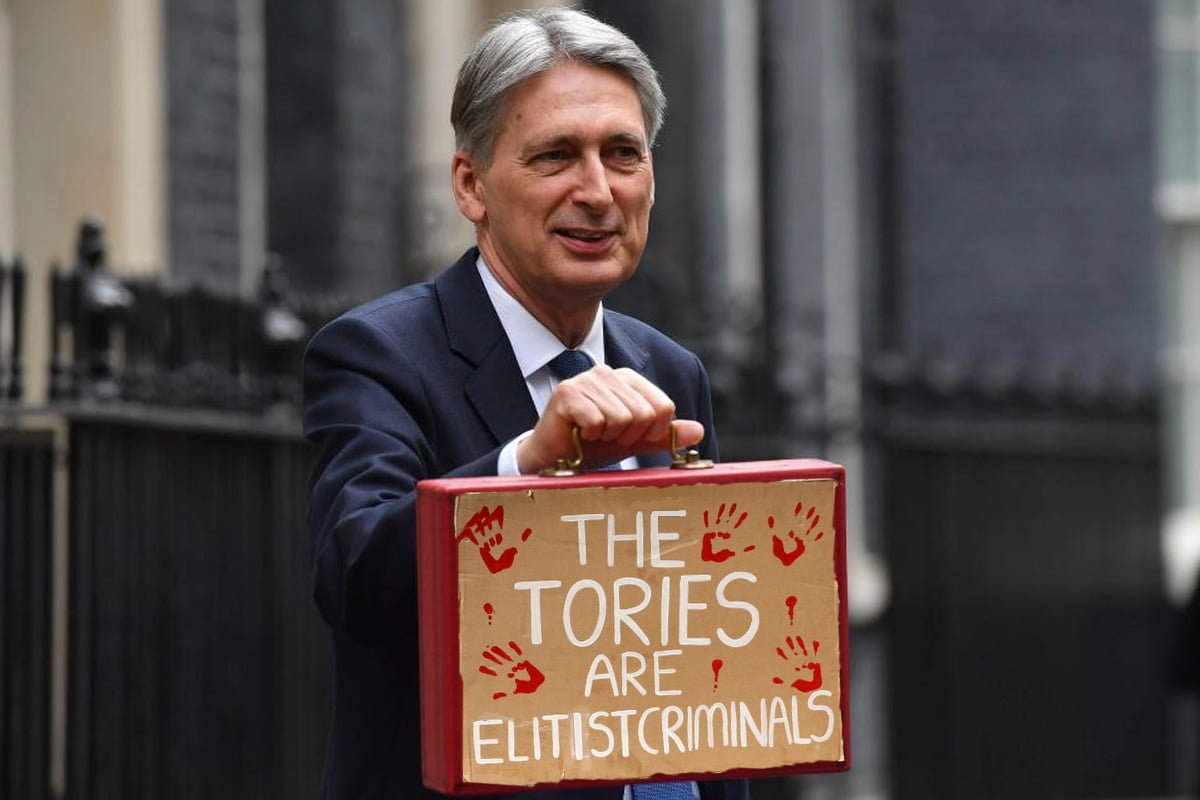
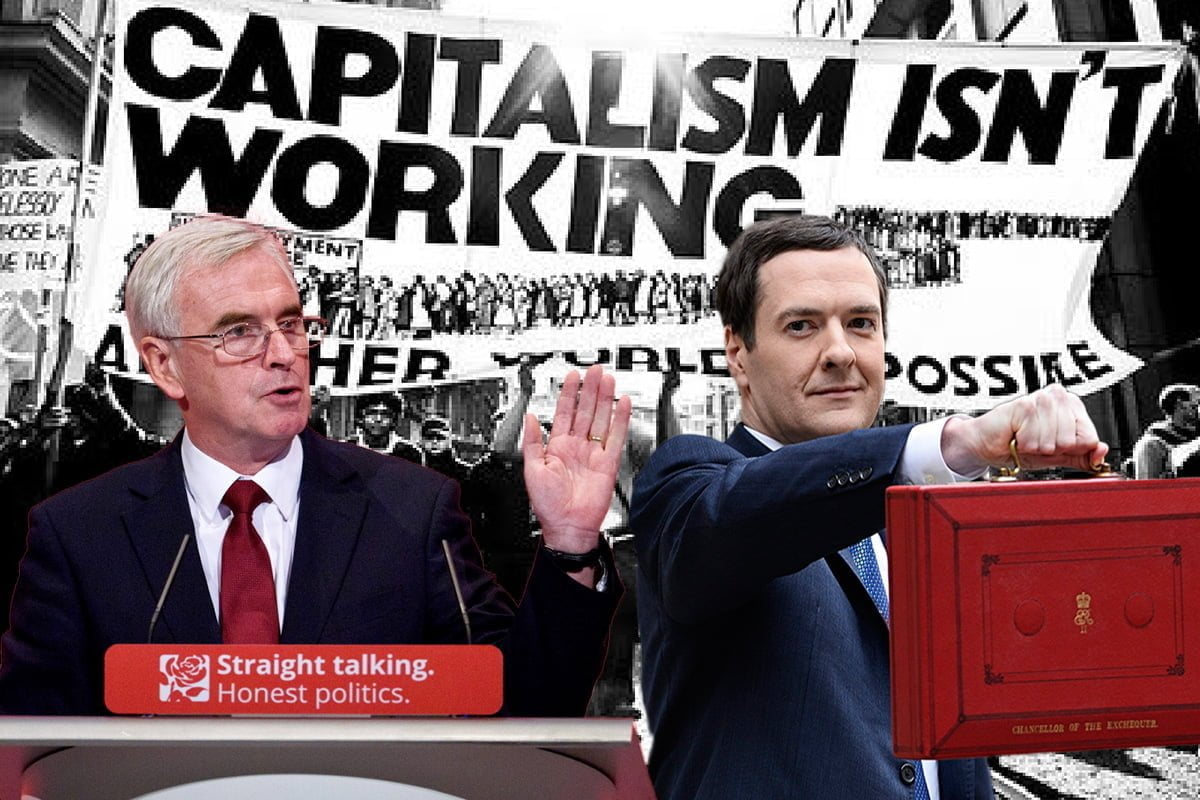
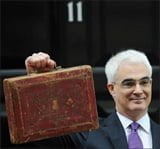
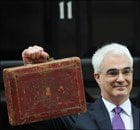
It makes your blood boil! The only good news to come out of the UK budget announced by New Labour Chancellor Alastair Darling last week was the slight increase in tax rate that would now be levied on those earning more than £100,000 a year. The rate was being raised from 40% to 50% to help raise a little more money from those who have benefited most from the credit binge that has now gone bust around the world.But what a barrage of criticism and rage has erupted from the great and good and from the news media on Darling’s action.
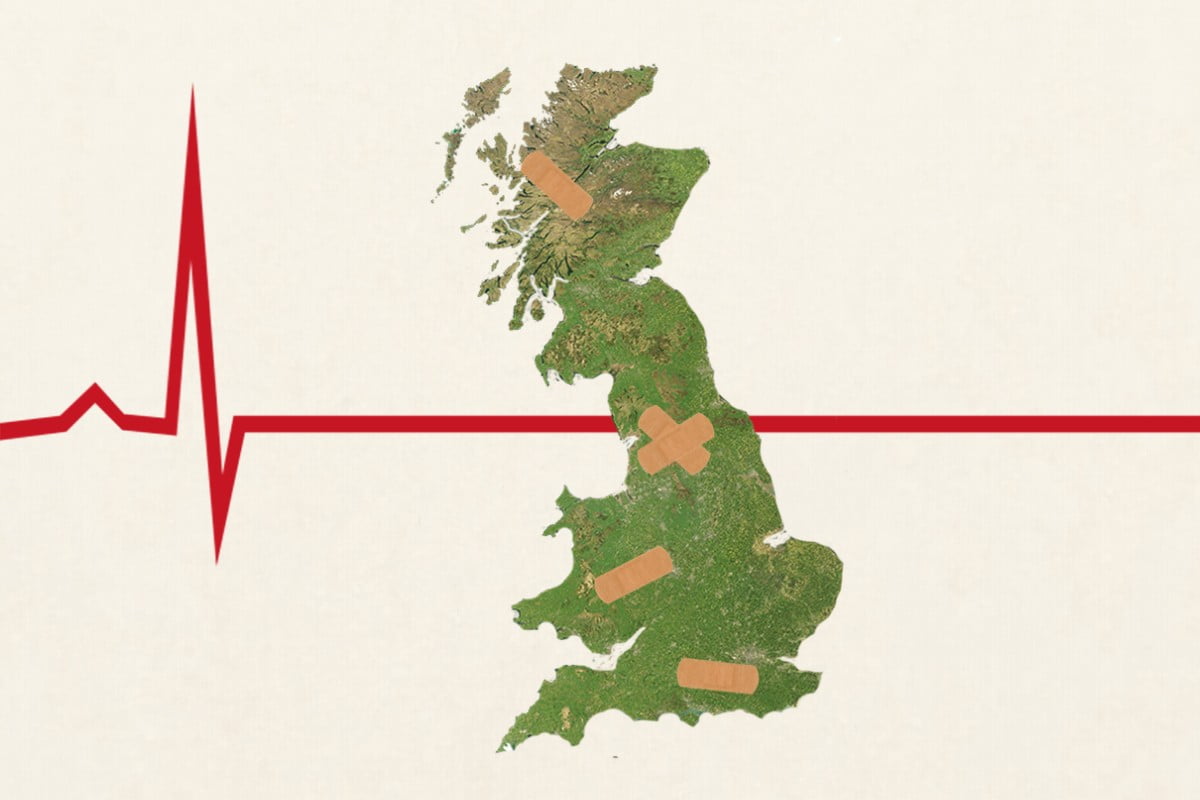
The budget figures show starkly how desperate is the position of the British economy, faced with what Darling called the ‘worst global economic turmoil’ in living memory. The amount the economy will shrink has been revised to a record 3.5% fall this year, the biggest drop since the Second World War.
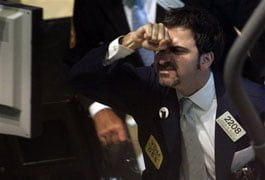
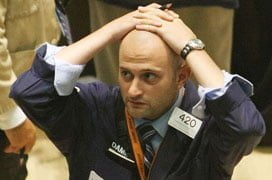
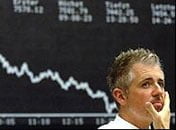
Stock exchanges in Britain and the USA have
been on the slide over the past few days. The reason is not hard to seek. The
FTSE has been spooked by bank shares collapsing. Barclays, for instance, saw
25% of its share price shaved off in one hour last Friday (16.01.09).
This was the day after the bank announced 2,100 job losses.It’s starting to look like the time back in
October when it seemed that banks such as Barclays and the Bank of Scotland
(now HBOS) that had been in existence for hundreds of years would be destroyed
by a share collapse in a matter of hours.
Graham Turner has published The
Credit Crunch. (The credit crunch by
Graham Turner, published by Pluto Press) Turner is an independent consultant
who worked in the City of London for many years. What singles out this book is that it claims
to approach the problem from a socialist perspective, or at least it has been
adopted by the left. Turner has spoken
at many left forums in recent months.
What is Graham Turner’s message? He outlines his aim in the preface: “the
roots of this crisis must be understood to ensure there is no repeat of the
flawed economic policies that have created the biggest credit bust since the
1930s. If we understand the causes, the
damage can be mitigated”.
At Lloyds TSB, Daniels’ strategy is to pay back the
government preference shares that are currently propping up the business in a
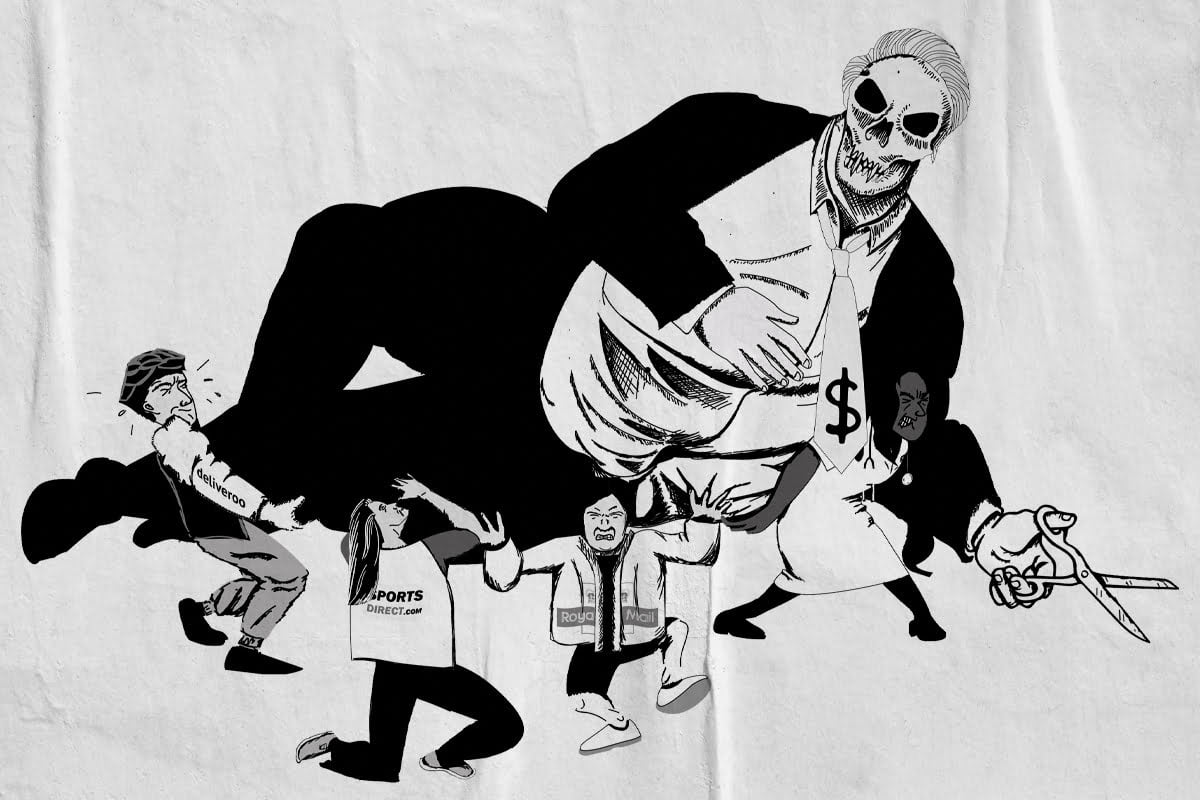
year or so. Then they can really party! Shareholder dividends, swollen bonuses,
and vast salaries will be dished out while the banks ruthlessly cut back loans
and repossess homes in honour of the new age of austerity.
US Democratic Congressman Dennis Kucinich described the
$700bn bail-out of the US banks by the Bush administration as: “The largest
single act of class warfare in the modern history of this country” In Britain £50bn is being doled out in a similar scheme.
That’s approximately £833 for every man, woman and child in the country, or
£1,500 for every taxpayer. If someone was to help themselves to £1,500 of your
money and spend it wouldn’t you at least want to know how and why? Yet the
language saturating the media is full of panic and obfuscation.
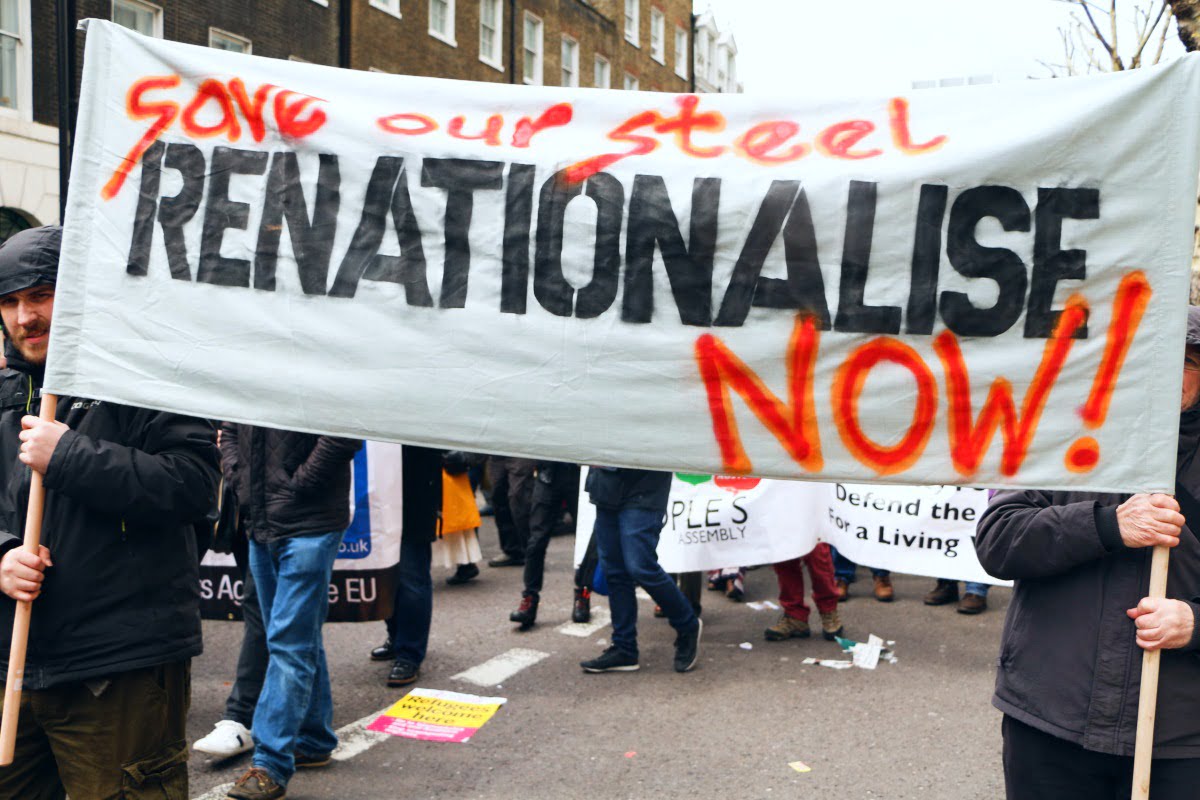
Over the past couple of weeks, Britain,
many other European countries and the US have announced plans to nationalise
large chunks of the financial sector, thereby taking a good proportion of the
commanding heights of the economy into public ownership. The British government
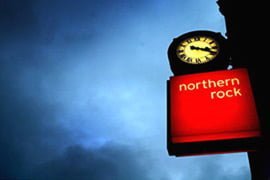
has been forced to effectively part-nationalise three of the country’s biggest
banks, RBS, Lloyds TSB and HBOS. The plan, which includes putting treasury-appointees
on the boards of all three banks, will cost the taxpayer in the region of £37
billion. Many of the major European powers are unveiling similar plans, and
even the US, the ideological bastion of free-market capitalism, has been forced
to invest $250 billion into buying stakes in nine of its banks (though these
‘non-voting preference shares’ mean the US government will have no direct control
over the running of these banks).
New Labour is the bastard child of
Thatcherism. Blair, Brown and Mandelson inherited from the evil witch the
belief that the market (capitalism) was god and that the rich are the wealth
creators we must all bow down to.
As Marxists know, and as the present crisis
has shown, this is the opposite of the truth. But this has been the foundation
of all the policies carried out by New Labour over the past years.
Last
month we reported how insurance giant AIG had to be bailed out by the US
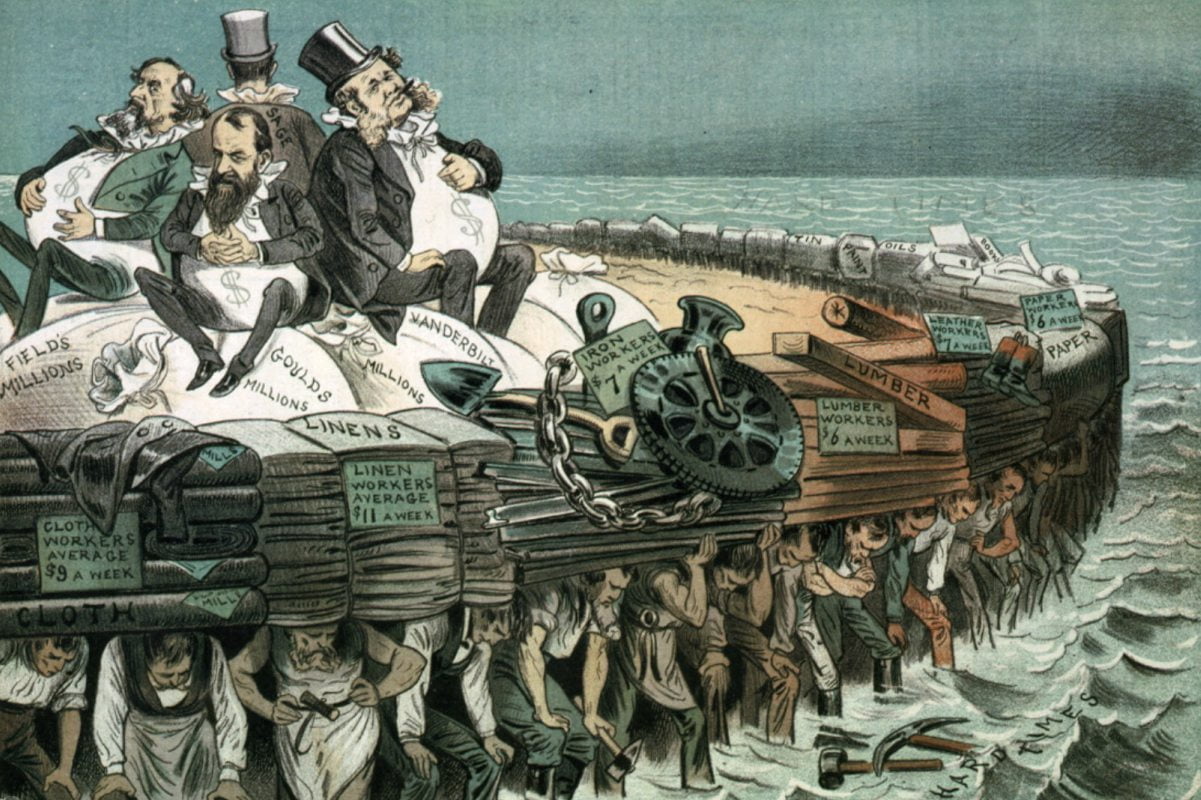
government for $85bn. It’s all part of ‘Socialism for the rich, capitalism for
the poor.’
Less than a week after the bailout, the company held a week-long retreat for
its executives at the luxury St. Regis Resort in Monarch Beach, Calif., running
up a bill of $440,000,
At the opening of a House committee hearing about the near-failure of the
insurance giant, Congressman Henry Waxman showed a photograph of the resort.
Waxman said the executives spent $200,000 for rooms, $150,000 for meals and
$23,000 for the spa.