Warning: Some spoilers ahead!
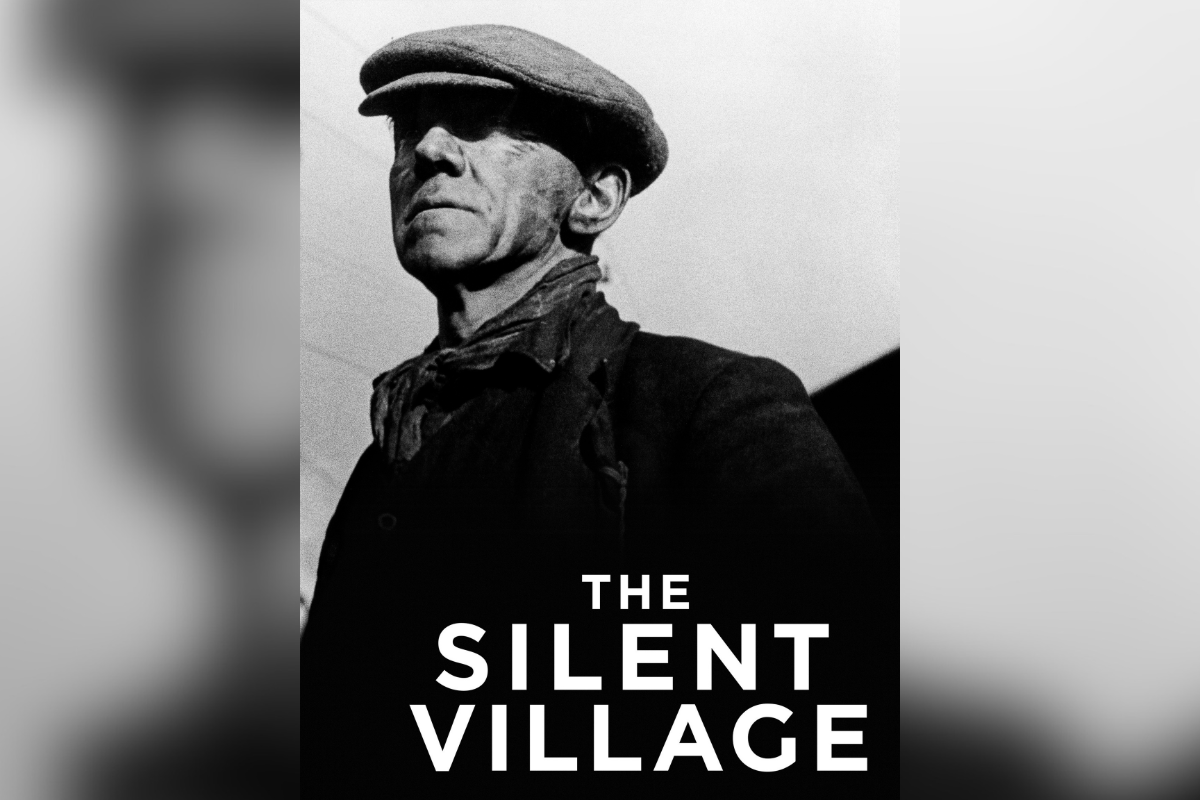
The Silent Village is a 1943 production by the British Crown Film Unit, produced to drum up support for the war effort in south Wales.
Despite running for only 36 minutes, the film gives workers a powerful glimpse into what a fascist Wales would look like – in stark contrast to the superficial portrayal of fascism in movies today.
The film is a dramatised documentary commemorating the Czech mining town of Lidice. In June 1942, following the assassination of high-ranking SS officer Reinhard Heydritch in the village, Hitler’s forces oversaw the massacre of 340 men, women, and children. The village was razed to the ground.
The Silent Village recreates these harrowing events as if they took place in the west Walian rural mining village of Cwmgiedd.
Ardour and determination
The film’s director, Humphrey Jennings, earnestly tries in many of his films to capture the real life and struggles of the working class. As a result, the community itself often becomes the protagonist.
Throughout the events of the film, the villagers often refuse to hand over those responsible for resisting the fascists, even when it results in their own annihilation.
In one scene, a speaker-mounted car works its way through the village warning that trade unionists, “agents of the Jewish Bolshevik plutocrats”, and those who accommodate them will be considered enemies of the state. This is cut between shots of a farm hand pointing a worker to a secret trade union meeting taking place in a barn.
We see villagers going about their day. Then, gunfire can be heard in the distance. Residents search the skies concerned and confused. The next thing we know, almost everybody unlucky enough to be in the vicinity is dead.
Only a couple of men manage to escape. The next time you see them, they are scrambling up a mountain to find each other and escape the prying eyes of the fascist police: a testament to the ardour and determination of the worker militants.
Fascism’s true nature
Throughout the film, the grip of fascist rule can be felt tightening around the population of the village in a multitude of ways. However, what gives a real indication into the true nature of fascism is the first victim of the narrative: the organised working class, their organisations, and their culture.
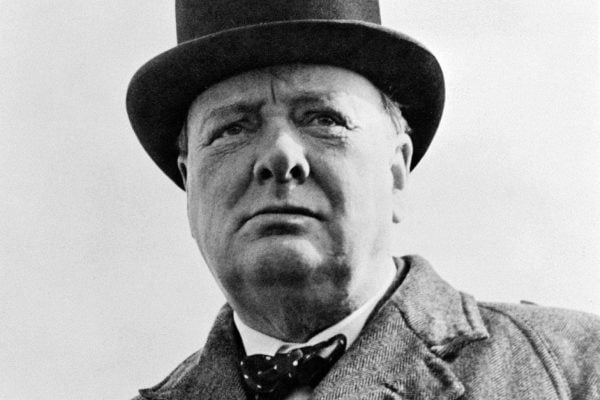
Even the British ruling class were forced to recognise this class reality, in spite of the fact the film was initially intended as state propaganda! This is also in spite of the fact that, ironically, Churchill himself had repeatedly praised Hitler and Mussolini – particularly for defending the capitalists against Bolshevism – before their plans came into conflict with British imperialist interests.
While Wales today is nowhere near a genuine fascist takeover, there are indeed small reactionary groups – emboldened by the current political climate and the weakness of the left – that can pose a real threat to the black and Asian communities.
It is understandable that some workers and youth would therefore think of fascism when confronted by these rabid reactionaries. Films like The Silent Village, whilst semi-fictional, can shed a lot of truth for us about how fascism comes about in reality – and how it would be fought against.
Working class spirit
In a similar vein to Italy’s post-war neorealist cinema movement, which sought to honestly portray the struggles of everyday life, all cast members of The Silent Village are real inhabitants of the area, with little or no prior acting experience.
The film is filled with a working-class spirit top to bottom as a result. It almost makes you feel as if Jennings procured funding to make a pro-worker documentary under the guise of war propaganda!
In one small deviation, the film portrays the assassination of Heydrich as having been carried out by ordinary workers. In actuality, the mission was undertaken by Czech resistance operatives trained by the British government.
Whether intentional or not, this perfectly reflects that for the working class the fight against fascism is a struggle to the death – for the British and German governments of the time, meanwhile, the struggle was conditional.
Today, too, the ruling class of any country would have no qualms of relying on a Hitler-like figure if it was a last ditch attempt at their survival.
The Silent Village is an excellent watch. It demonstrates how, in order to rally support for the war, the British government was forced to lean on the class instincts of British workers – workers who instinctively understood fascism to be a mortal threat to the working class.
Indeed, the story of Lidice struck a chord with workers across the world. The Miners’ Federation in Stoke helped to raise £32,000 (£1.5m today) in order to help rebuild the town. The campaign was named Lidice Shall Live, in defiance of Hitler’s assertion that “Lidice shall die”. This spirit is encapsulated in the film when one trade unionist proclaims:
“The Nazis were wrong. The name of Lidice has not been obliterated. The name of Lidice has been immortalised. It will live in the hearts of miners the world over.”
‘The Silent Village’ is available to watch for free on BFI Player.