Over the last few weeks, I have been on strike with my colleagues at Highgate Wood School.
We are defending our school from vicious austerity measures that would see over ten percent of the staff made redundant, and the rest forced to work longer and harder to make up for it.
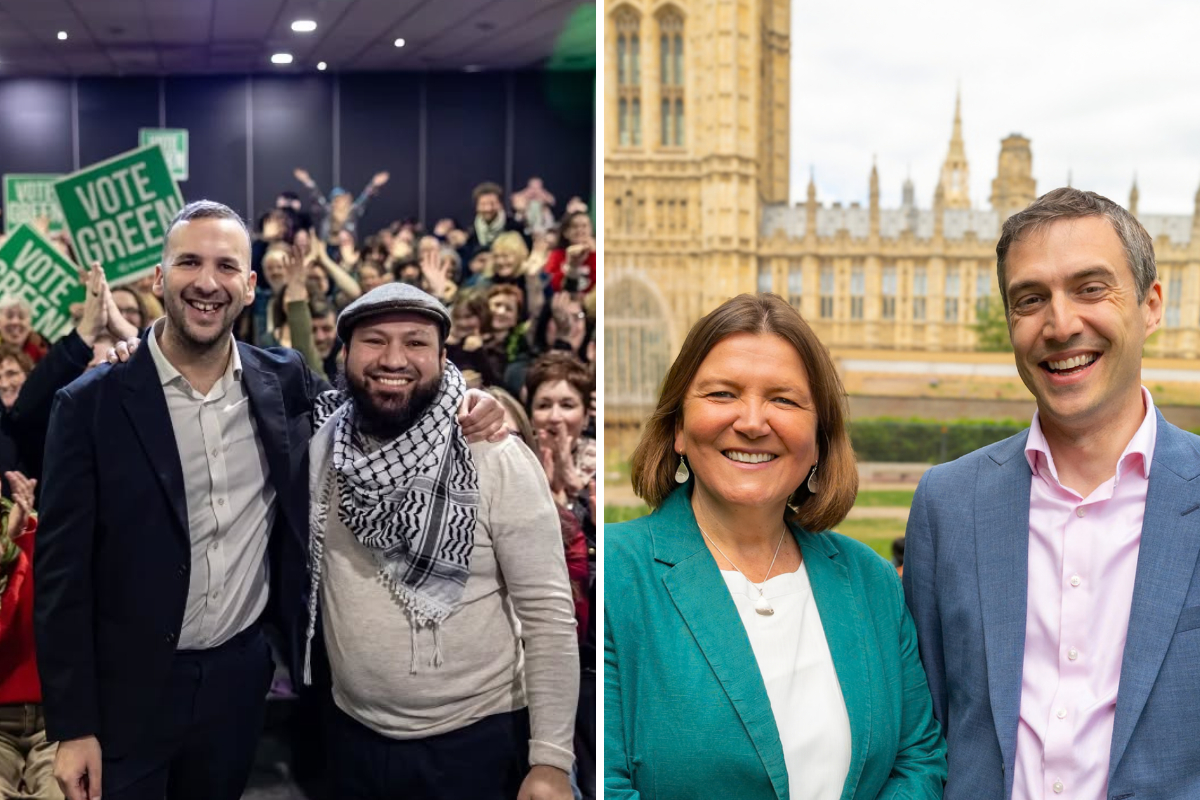
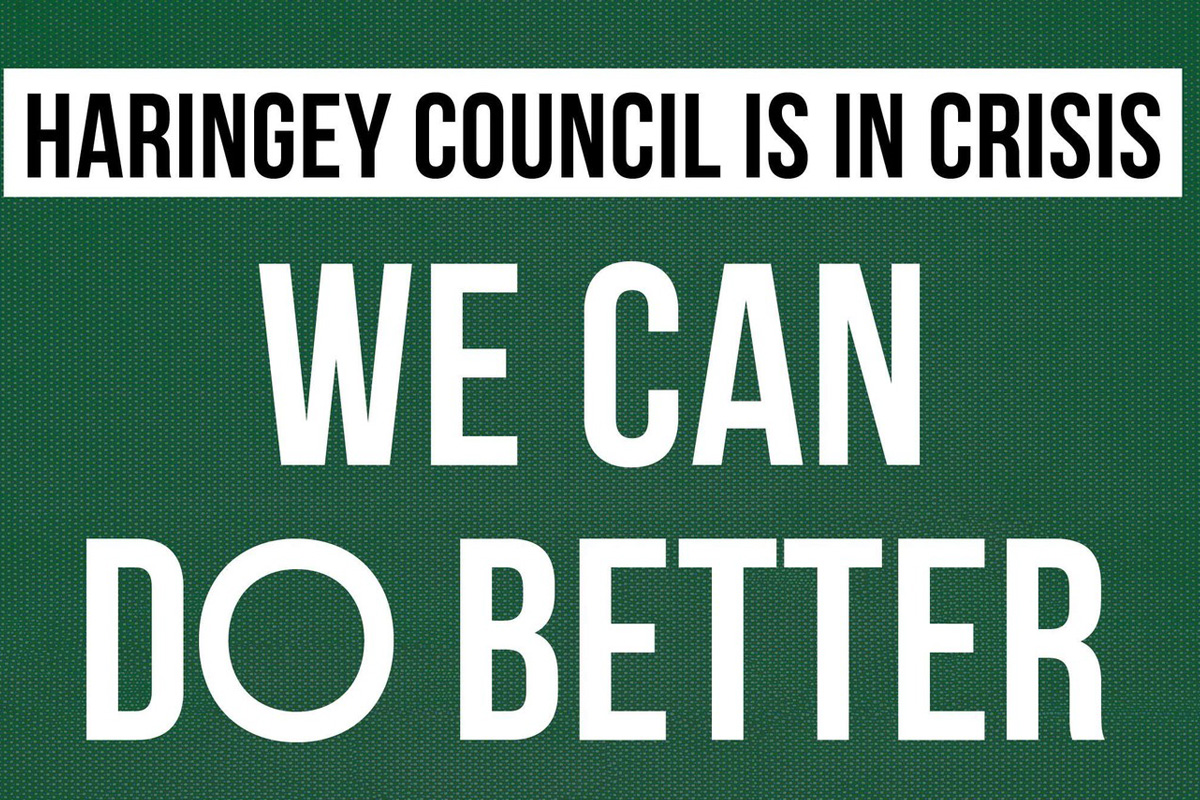
Our strike began on the day of the local elections – where the Greens won a massive result, forming the largest party on Haringey council, ousting the Labour administration that had been in power for 55 years!
From the get go, the Greens pledged to give us all the support they could, and even showed up on our picket lines. We had been appealing to the Greens to give the school a longer debt repayment plan, which would have averted the need for any cuts in the first place.
Voir cette publication sur Instagram
But the Green cabinet member for schools, Georgia Twigg has now informed us that there is nothing the council can do to help, saying “in terms of writing off deficit, Haringey council simply is not in a position to do this… rewriting policy to increase the repayment term is not financially viable or responsible for the council”
This is disappointing but unsurprising. Many of us feel that the Greens have fallen at the first hurdle. Some who campaigned for the Greens are bitterly angry.
For all of the Greens’ radical-sounding rhetoric, this is the cold reality of operating within the limits of capitalism. No matter who is in power, there are only cuts to be made as long as capitalism in crisis still exists, the British state is still in debt, and the bond markets hold a gun to the head of whoever resides in Number 10.
Voir cette publication sur Instagram
The Greens could use their victories in Haringey and across London to organise a fight back. They could refuse to set an austerity budget, and call on the working class to mobilise for well-funded schools and public services, paid for by seizing the wealth of the super-rich. Failing that, the Greens will become yet another party of cuts.
Bold policies in Lambeth
In London, Lambeth’s Green Party succeeded in pushing the detested Labour council out of the driver’s seat, after more than 50 years of total domination. The Greens won 29 of the 63 seats up for grabs in the local elections in May.
This was possible not just because of discontent with Labour, but because the Greens’ manifesto touched on all of the issues which have been bearing down on Lambeth residents for decades – and, most importantly, offered bold plans to fix them.
For example, Green candidates called for community-led rebuilding of public services, which have been gutted in the borough, and a reversal of the privatisation of public spaces and parks.
On top of this, they promised to introduce a “use-it-or-lose-it” policy to prevent local homes and businesses sitting empty as investment vehicles rather than to serve the community. They also argued for sustainably retrofitting empty properties instead of permitting expensive, privately funded new builds.
The Greens’ manifesto did not stop at the borders of Lambeth, either. It stated clearly that the root of the problem lies in Westminster: “The fundamental problem facing Lambeth is a lack of money.”
Voir cette publication sur Instagram
This is how the Greens connected with so many of the borough’s workers and youth. However, without an absolute majority, the Greens have been forced to cosy up to the Liberal Democrats to form their cabinet.
And although the Liberal Democrats have cooperated so far, we must be clear that this support is sure to quickly evaporate when it comes to actually pushing this bold programme through.
In particular, the Greens have set themselves ambitious goals like unionising “every worker and tenant in Lambeth” – and have even promised to open the books and involve locals in decision-making. None of this sounds quite the Lib Dems’ speed!
When these Green councillors in Lambeth will come up against pressure to compromise, they should remember that Lambeth residents have made our opinion clear: we want a council that will fight for real change.
Aisha Carlosse, Brixton
‘Putting the city first’?
After a month of uncertainty, Birmingham has finally elected a new council cabinet.
There was a sigh of relief across the city that Reform UK did not take control of the council. Given Birmingham’s already fragile economic and political situation, many feared the further instability that such an outcome could have brought about.
The city’s new leader, Roger Harmer, has formed a minority administration comprising the Liberal Democrats, the Better Birmingham Independent Group, and the Greens.
Under the coalition agreement, Harmer will lead the council, and local Green Party leader Julien Pritchard will serve as deputy leader. The two are due to swap roles after two years.
Harmer hailed the coalition as an example of “what can be achieved when we put our city above narrow party politics.”
Voir cette publication sur Instagram
Yet behind this language of ‘putting the city first’ stands the government-appointed commissioners continuing to manage the council’s finances. They have made very clear the limits within which the coalition must operate. Lead commissioner Tony McArdle stated:
“It will not be open to any new administration coming in here to say, ‘we’re not going to worry about balancing the books, we’re just going to do this and that’.
“We won’t want to constrain people from doing something that they want to do, but they must demonstrate they can afford to do it.”
In short, Birmingham’s new council must abide by the commissioner’s diktats, and ‘balance the books’ above all else. This means managing a shrinking council budget while grappling with the city’s ongoing bin dispute and the rising cost of providing essential services.
The alternative would be to challenge those constraints directly, refusing to prioritise debt repayments over public services. In doing so, this mix-and-match coalition council would be brought into conflict with the parasitic class of financiers.
We don’t need to imagine what the commissioners – the hidden fourth party of this coalition – would have to say about that!
Yet, the Greens’ Julien Pritchard mirrored the Lib Dems’ positivity, stating: “Greens believe in doing politics differently and our commitment to this forms the basis of our collaborative administration.”
The reality is that, within this “collaborative administration”, the Greens will uphold the very framework they criticised as underpinning Birmingham’s troubles; any prospect of “doing politics differently” will slip out of their reach.
Having won over swathes of the city’s workers and youth by promising radical change, the Greens now face discrediting their own anti-establishment credentials by helping to administer the same bitter cuts and financial restrictions imposed from above.
Michael Omatsola-Morgan, Birmingham