Shostakovich: The musical voice of the Russian Revolution
From this year’s Revolution Festival, Peter Kwasiborski, introduces Shostakovich.

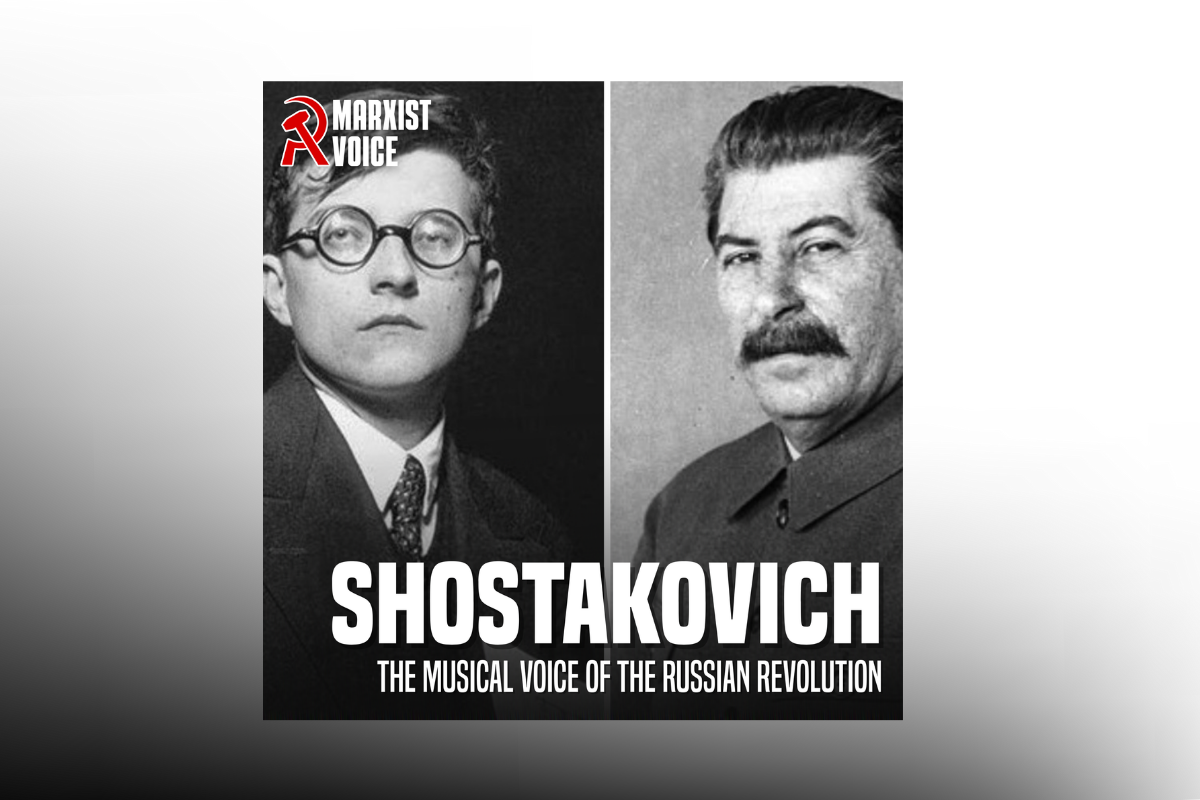
From this year’s Revolution Festival, Peter Kwasiborski, introduces Shostakovich.
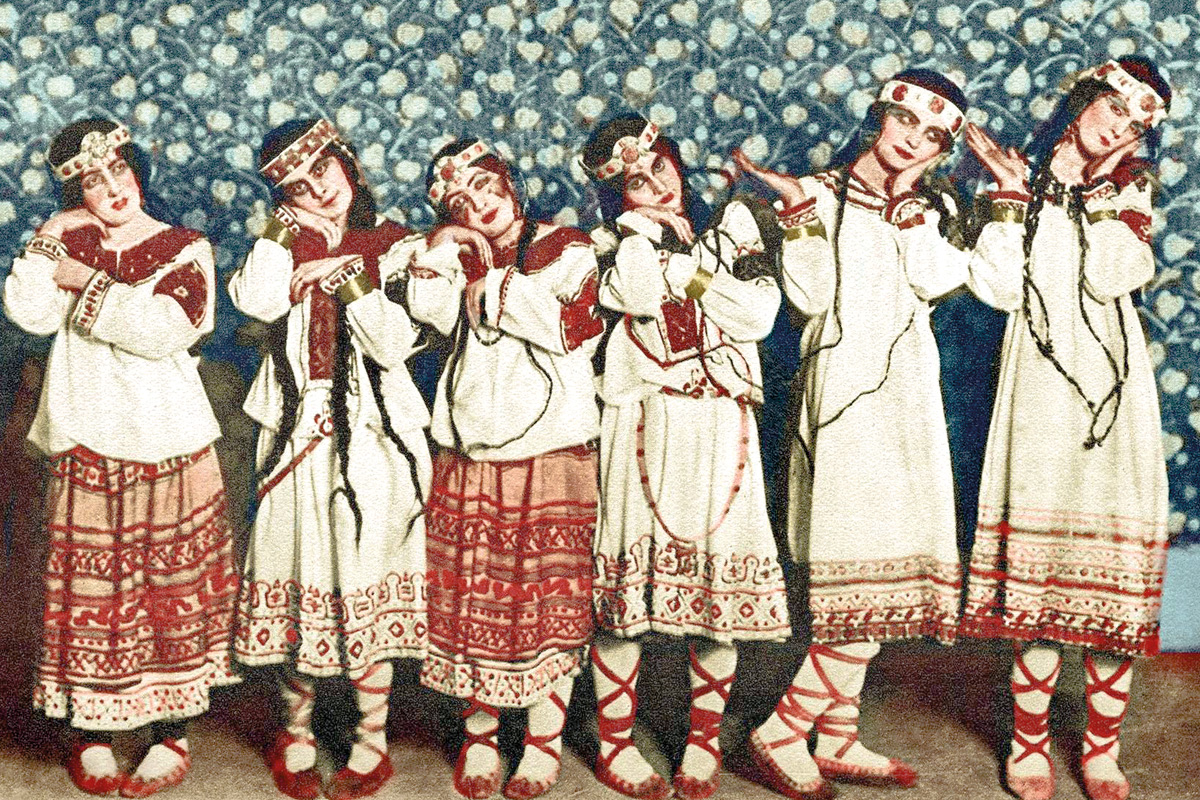
Stravinsky captured the spirit of the modernist movement. The Rite of Spring ballet, published in 1913, was decried as ‘childish barbarity’ by its bourgeois critics at the time. In reality, it only refracted the horrors that would unfold in the next four years of world war.
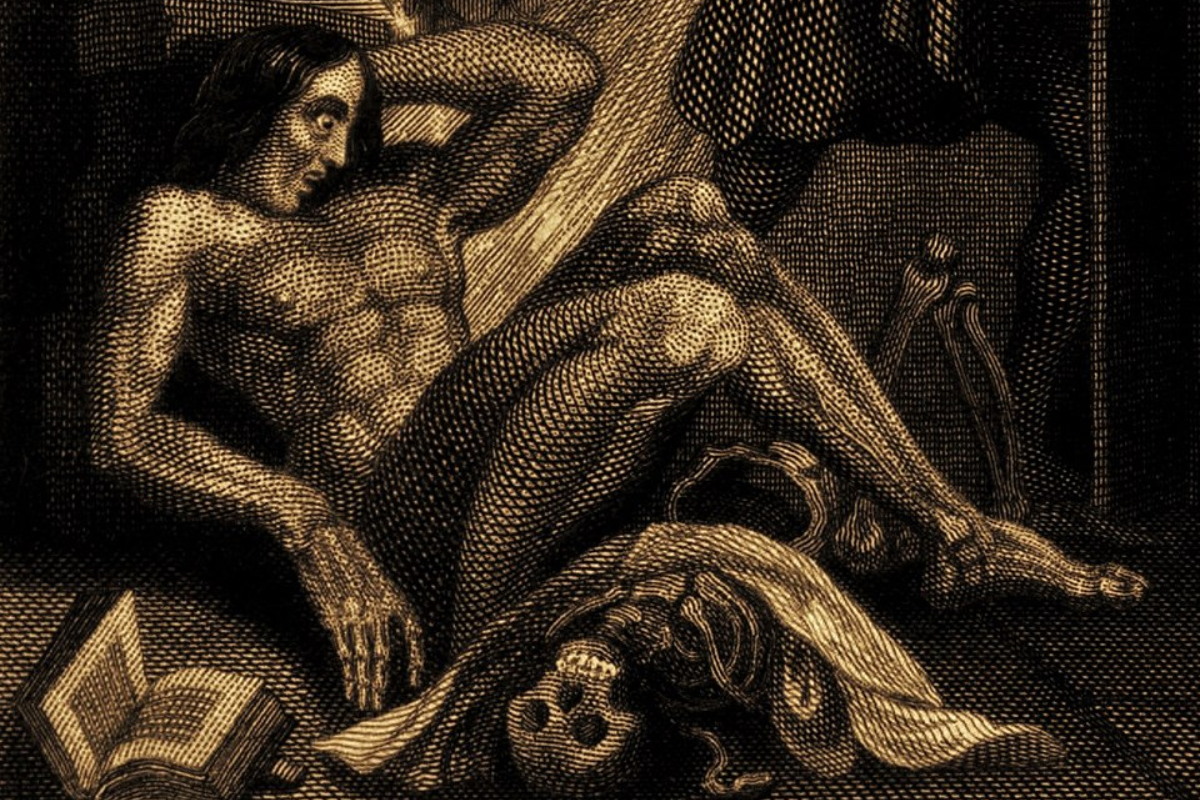
After two centuries, Mary Shelley’s ‘Frankenstein’ remains one of the most enduring works of Romantic and Gothic literature, defining much of modern science-fiction. Now, Del Toro’s excellent new adaptation shows it still has room to be developed and reinterpreted.
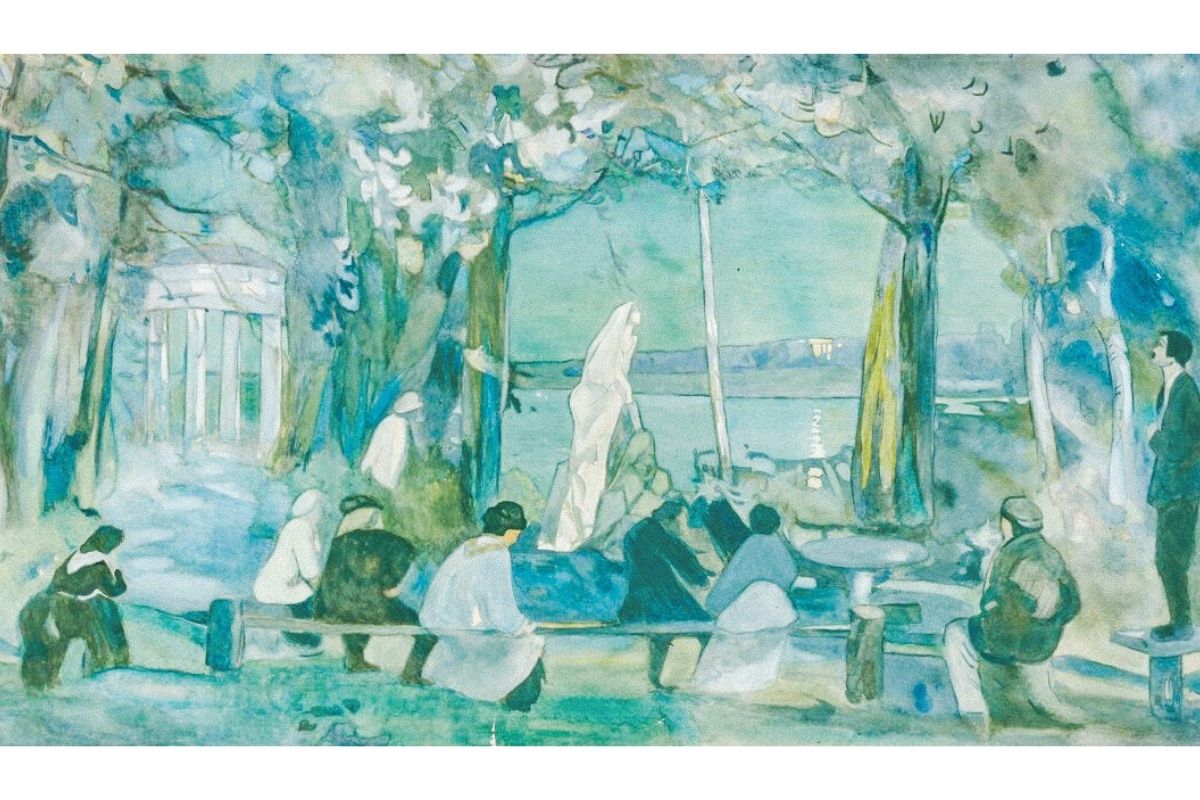
Anton Chekhov’s influence on modern literature endures to this day. While best known for his dramatic works, Chekhov’s short stories masterfully portray the lives of ordinary people in 19th-century Russia – where seismic social transformations were taking place.
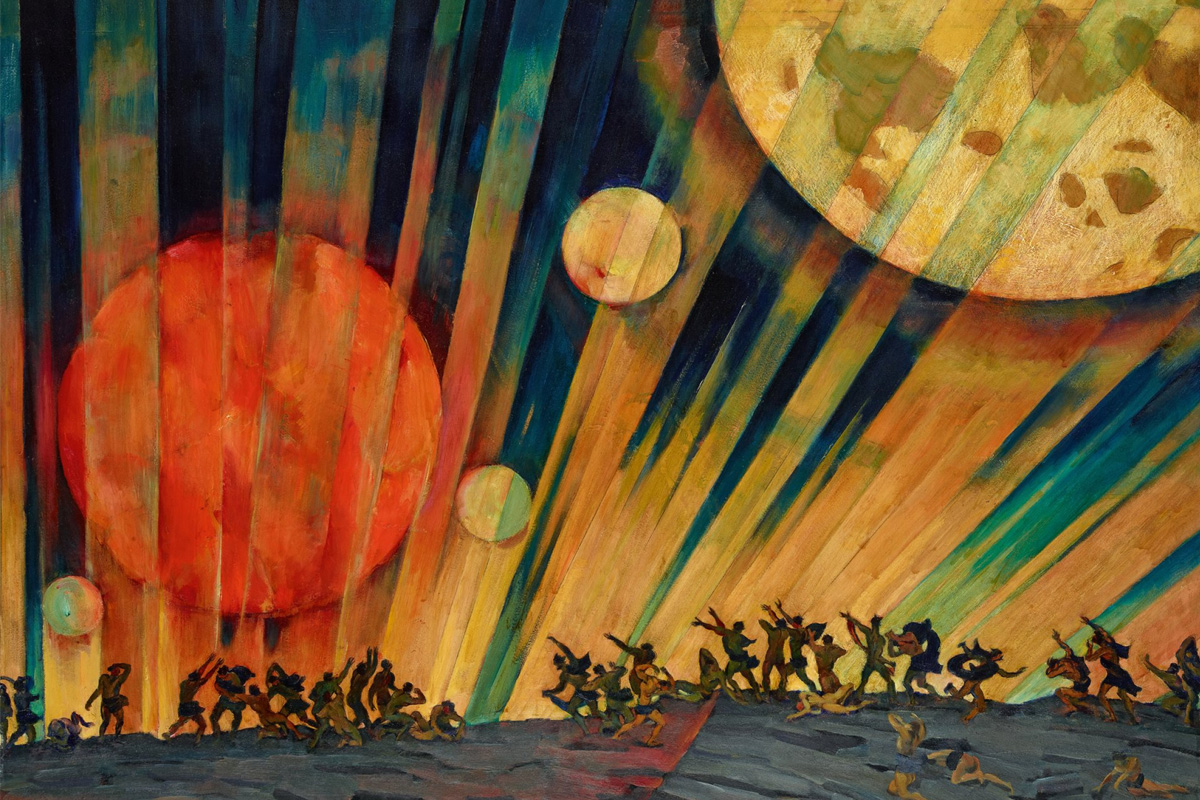
“The bourgeois like to think that they alone are born with the right to dominate culture. But every human being has the potential to appreciate the arts, and to excel in all of them. This artistic potential of the masses will be unleashed when they move to change society.”
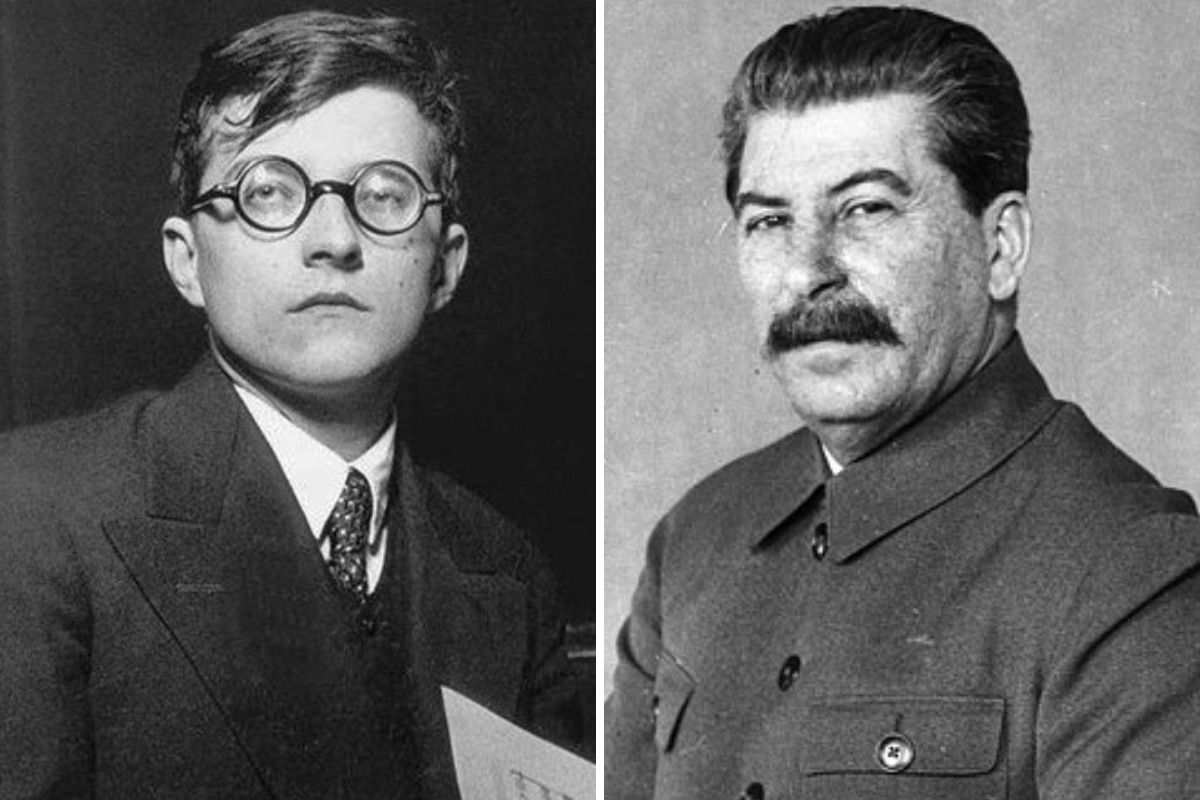
Stalin’s bureaucracy waged a campaign of hate against artists who defied their narrow doctrine of ‘Socialist Realism’. Dmitri Shostakovich’s ‘Anti-formalist Rayok’ lambasts these cultural crimes, and defends the spirit of cultural freedom unleashed by the October Revolution.
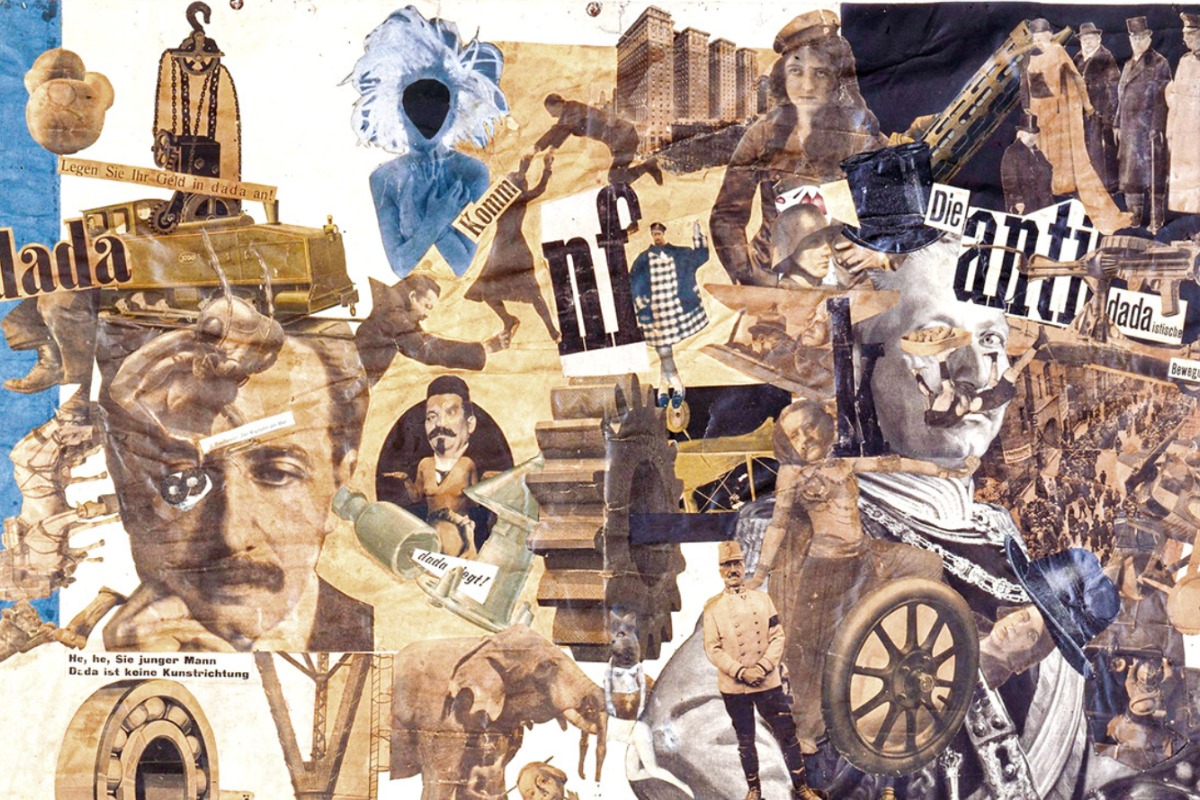
Forged in the social upheavals during and after WWI, Dadaism was a radical school of art aimed at the capitalist establishment. Its initial inclination towards nonsensical absurdism developed into an open embrace of communism – reflecting an age of revolution.
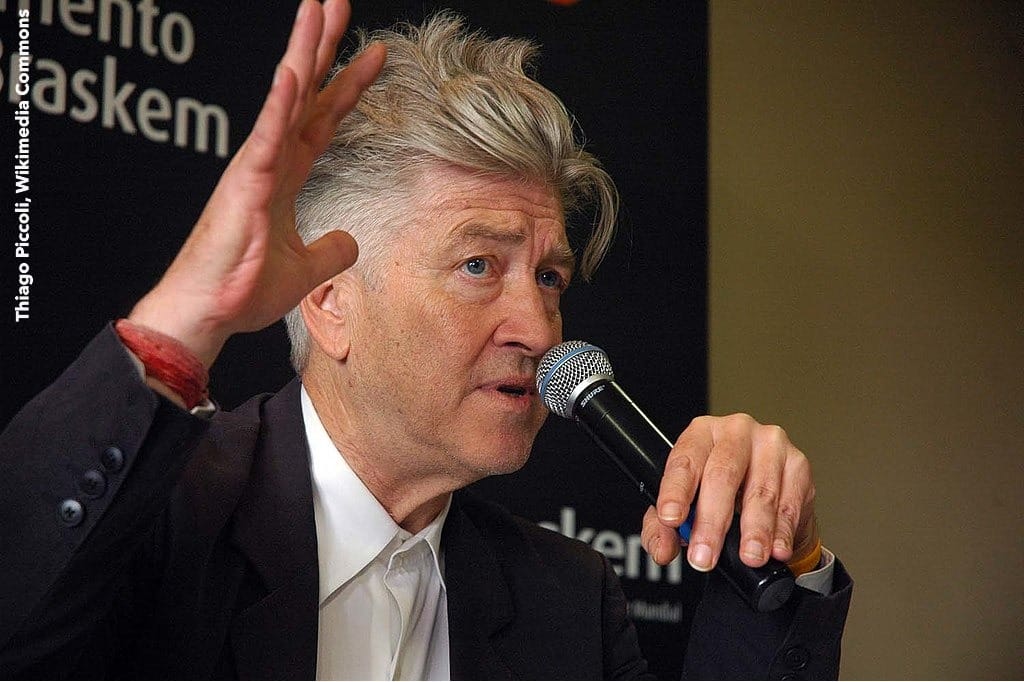
Filmmaker David Lynch, who passed away last week, was a singular artist whose works were surreal and unsettling. Although not a ‘political person’, his films and TV shows explored alienation and the absurdity of everyday life under capitalism.
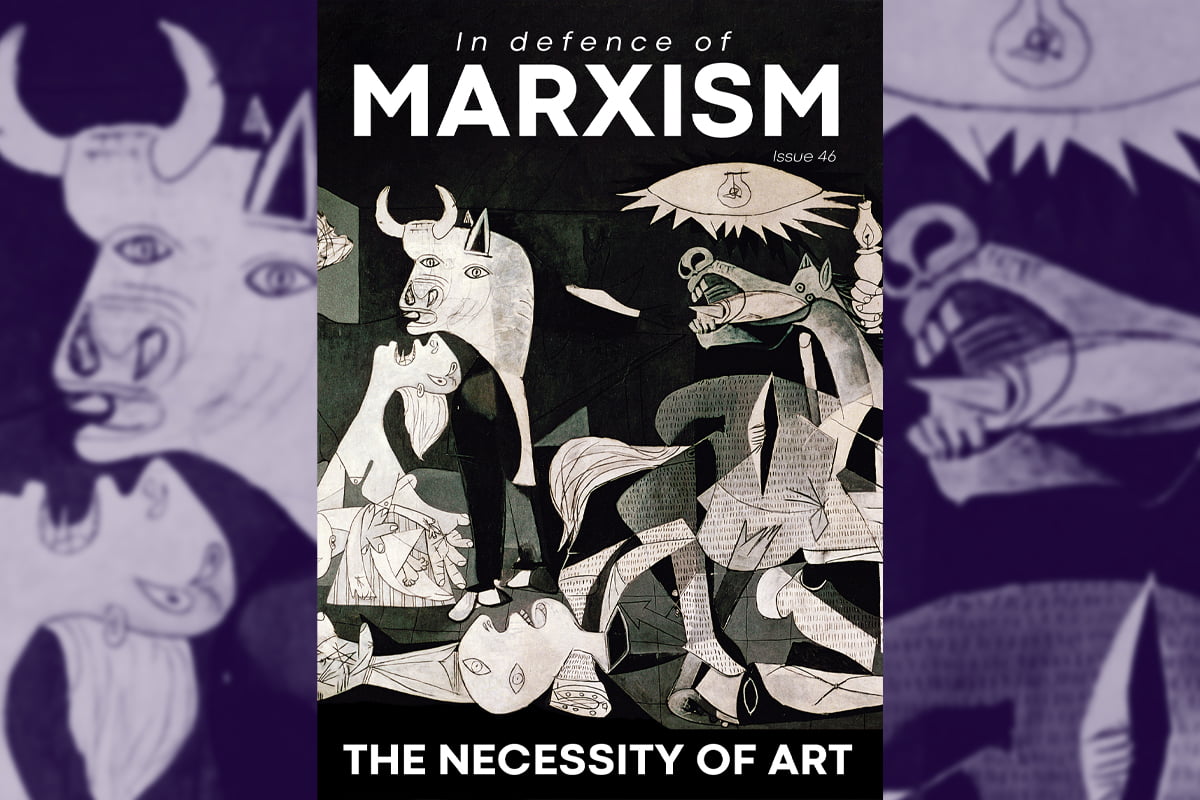
Issue 46 of In Defence of Marxism, the quarterly theoretical journal of the Revolutionary Communist International, is now available for purchase! Get your copy today!
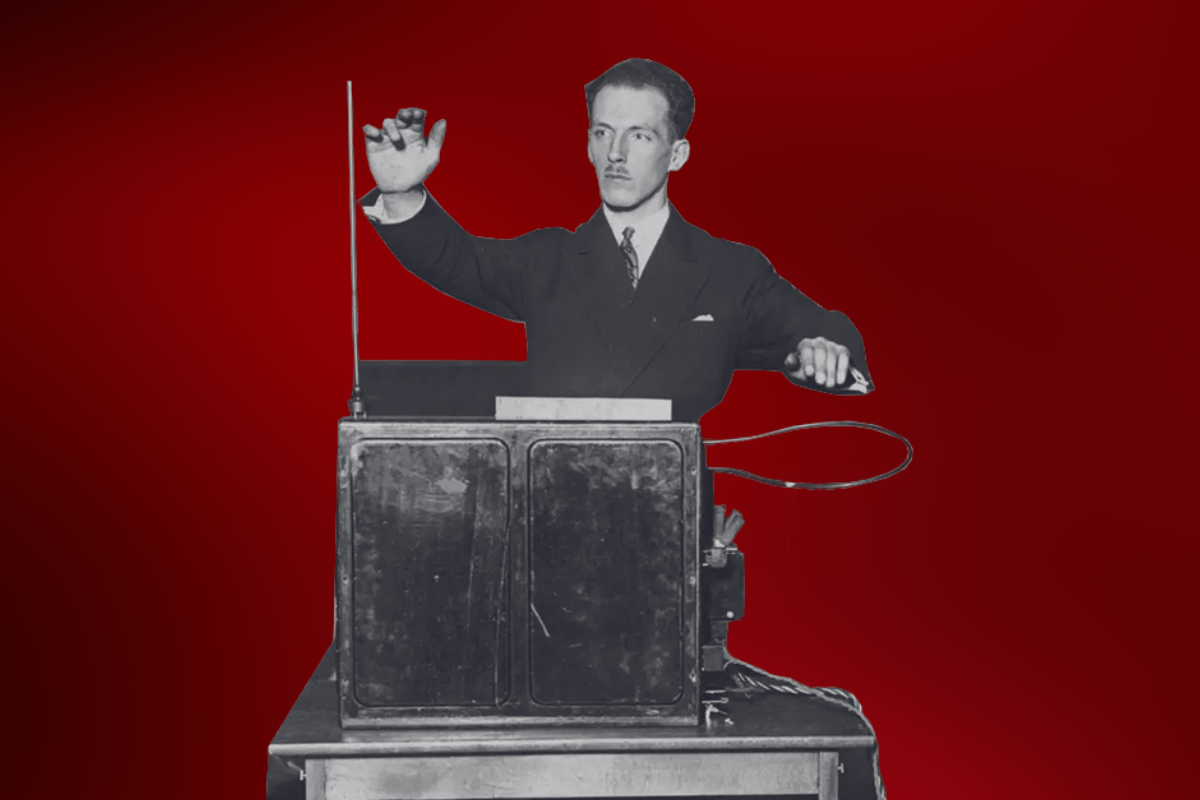
Thanks to the planned economy, the Soviet Union saw remarkable advances in science, technology, and culture. And musical innovation was no exception. The life and inventions of Leon Theremin are a testament to these achievements.
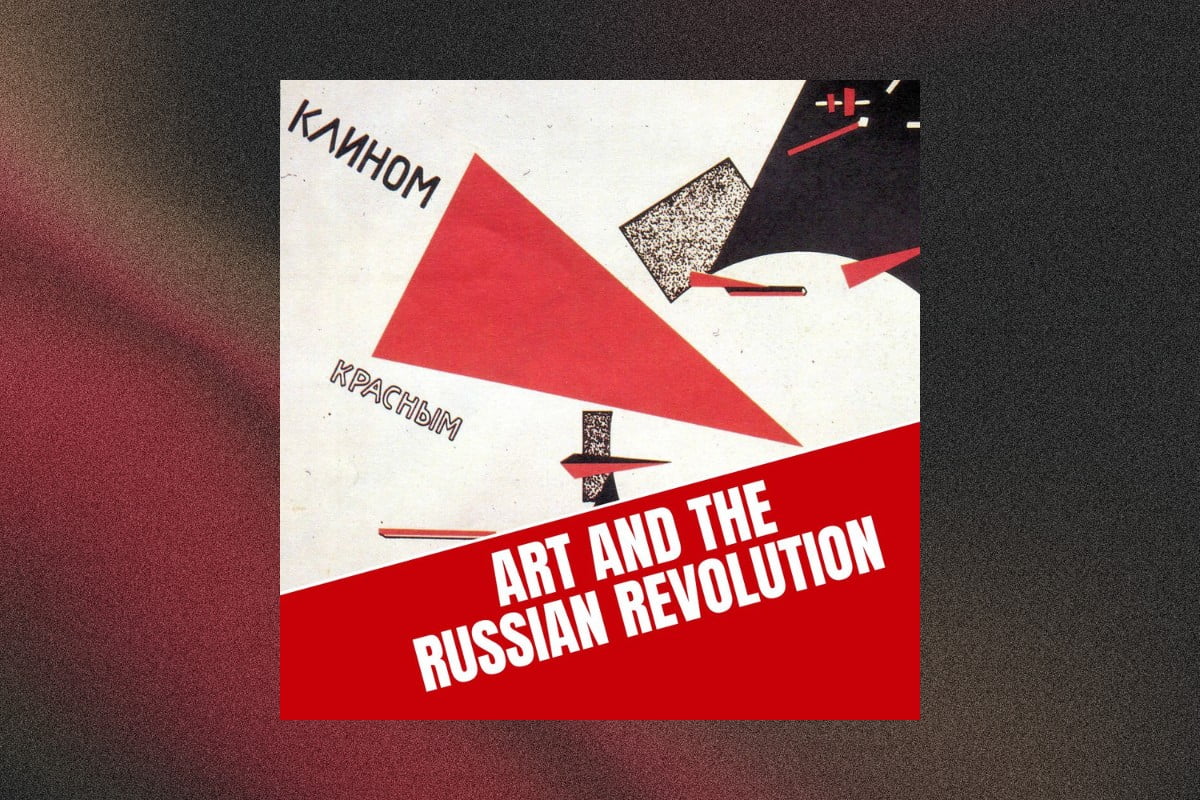
In this podcast, Nelson Wan discusses the artistic and creative emancipation unleashed by the October Revolution, which saw individual geniuses rise to prominence, and gave ordinary people access to the world of art and culture.
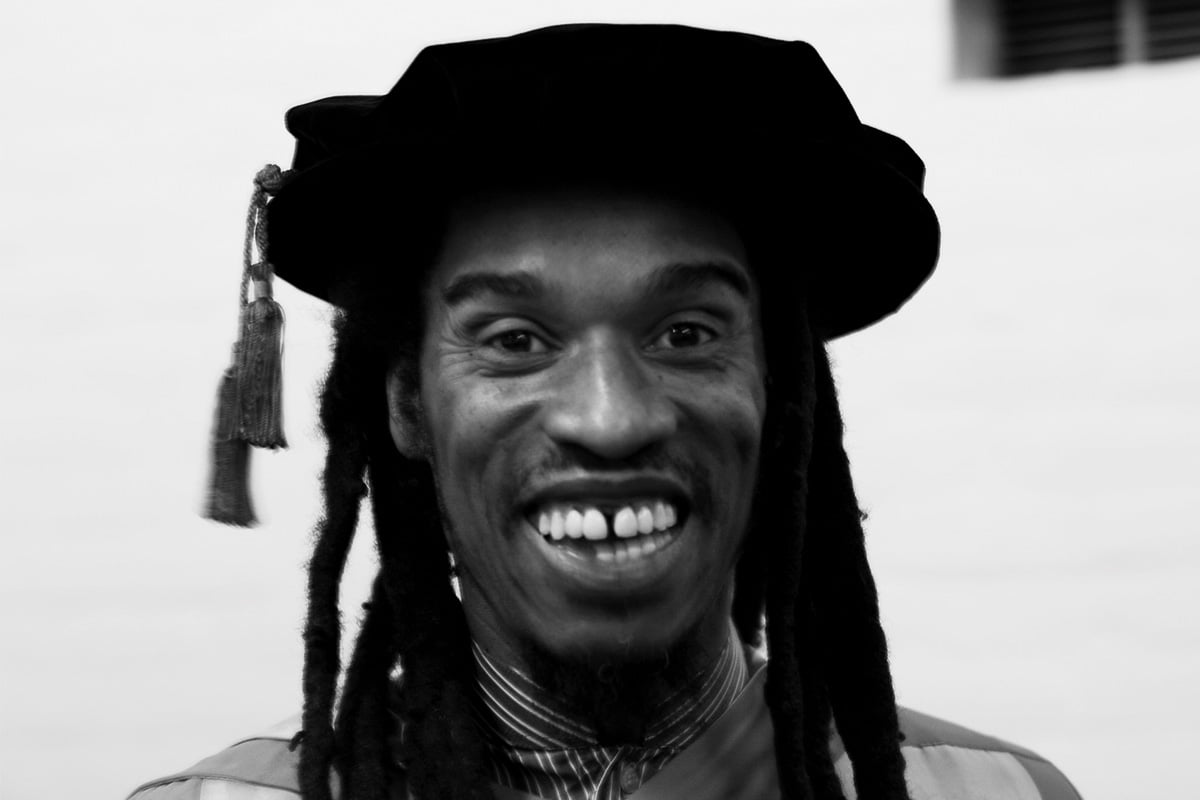
Benjamin Zephaniah (1958-2023), an acclaimed British poet and political activist, passed away yesterday. Through his work, he shone a light on the injustices of capitalist society, calling for united struggle against oppression and exploitation.
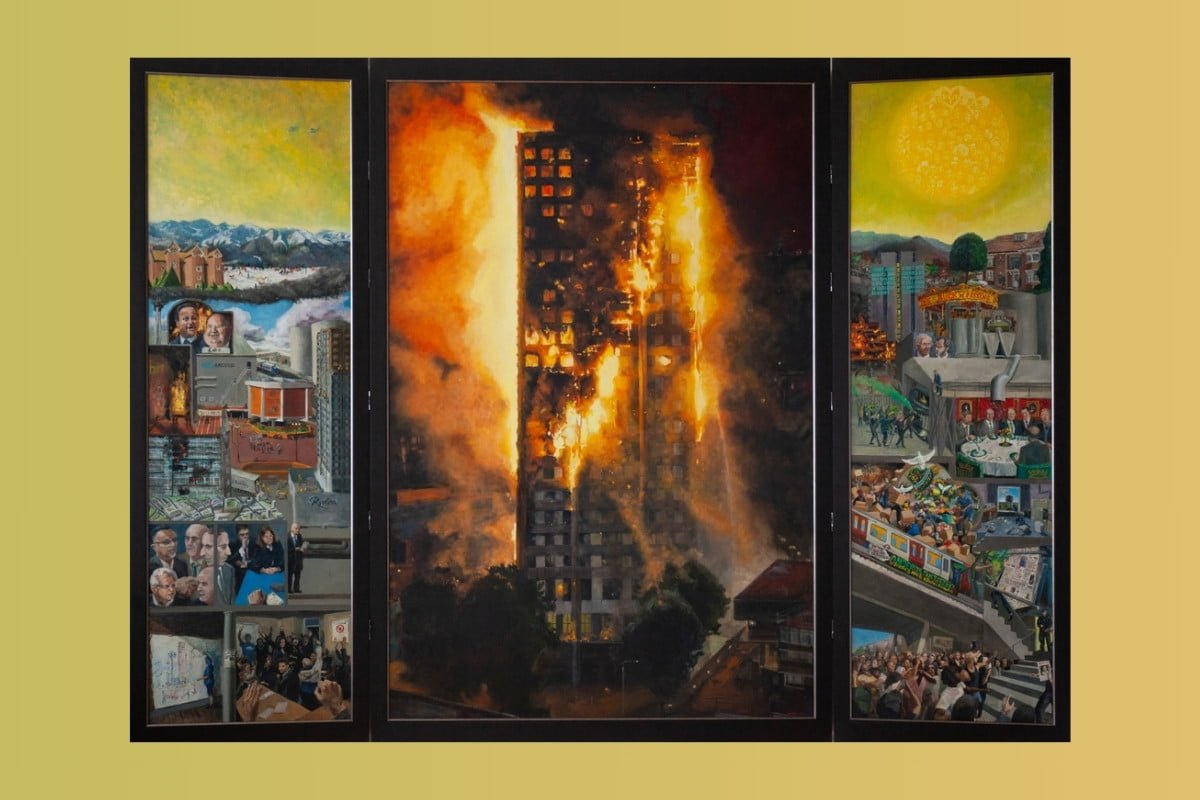
Socialist Appeal comrade Nicholas Baldion is amongst the contenders for this year’s John Moores Painting Prize – the winner of which will be announced later this week. We spoke to Nicholas about his artistic work and his communist politics.
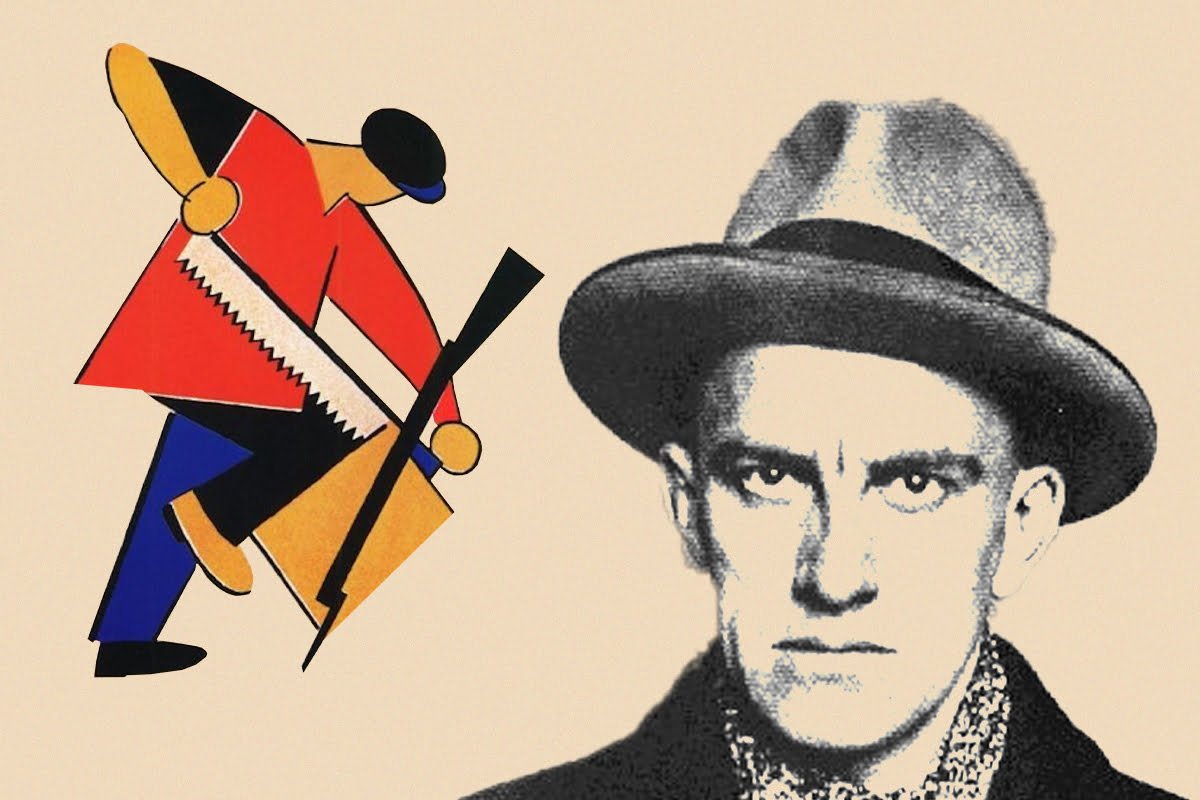
Today marks 130 years since the birth of Vladimir Mayakovsky, the Russian artist and poet, whose works have been a consistent source of inspiration for communists. We look back at the life, ideas, and contributions of this revolutionary artist.
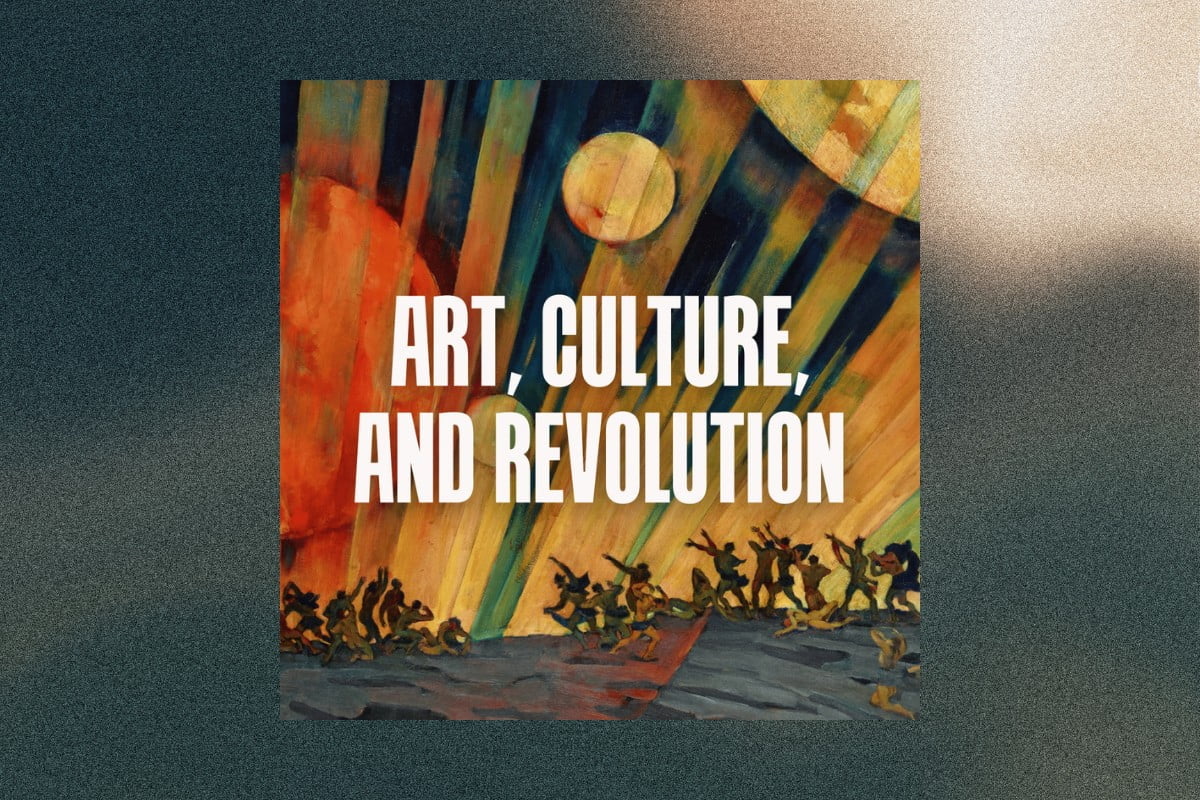
Under capitalism, an ocean of talent is left untapped: creativity is crushed by the profit motive; and culture sector workers endure exploitation and oppression. In this talk, Joe Attard discusses the links between art, culture, and revolution.
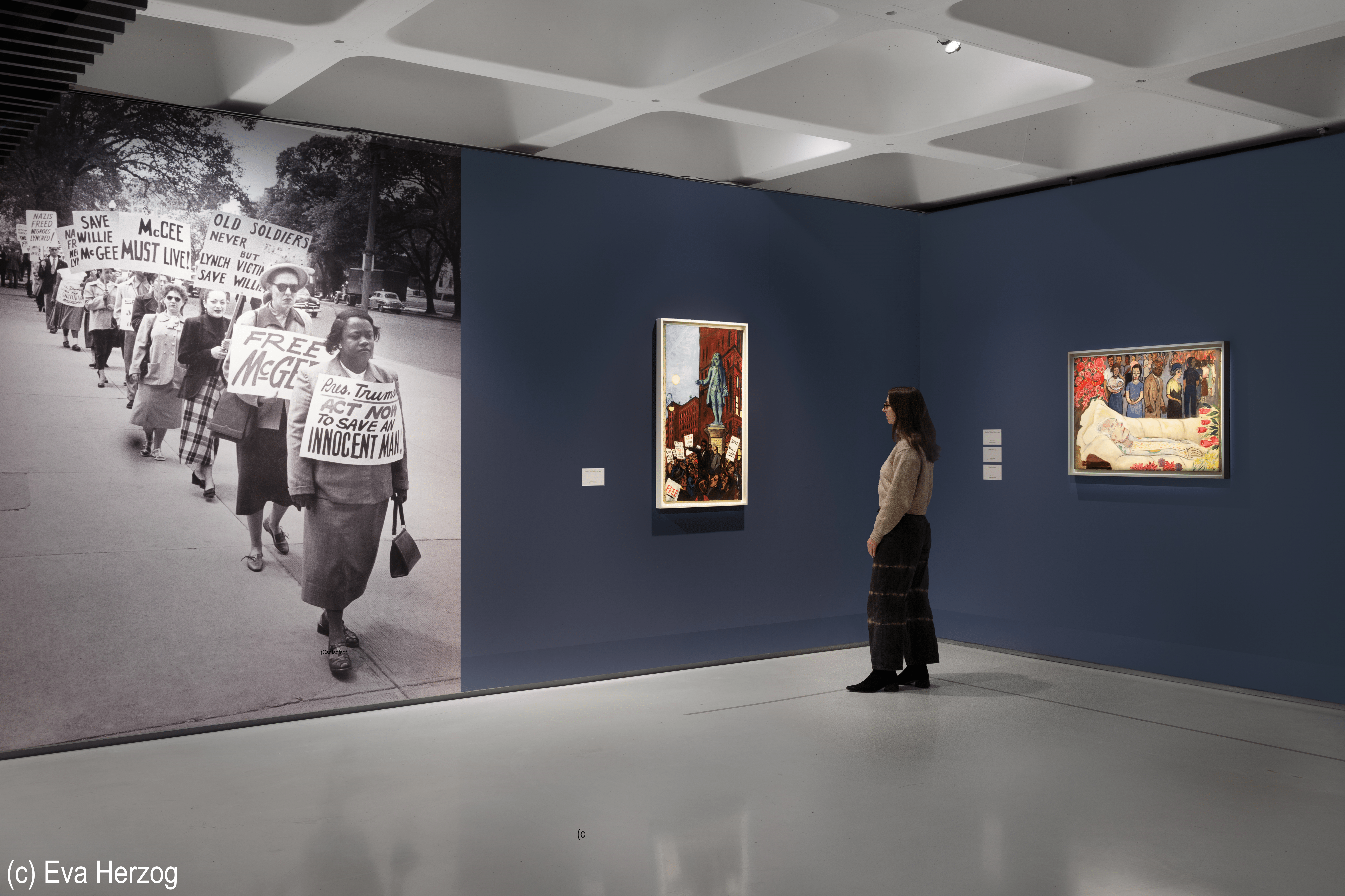
A major exhibition of self-proclaimed communist artist Alice Neel is currently on show at the Barbican Centre in London. Neel’s politically conscious portraits brilliantly bring to life the hidden history of the American working class and oppressed.
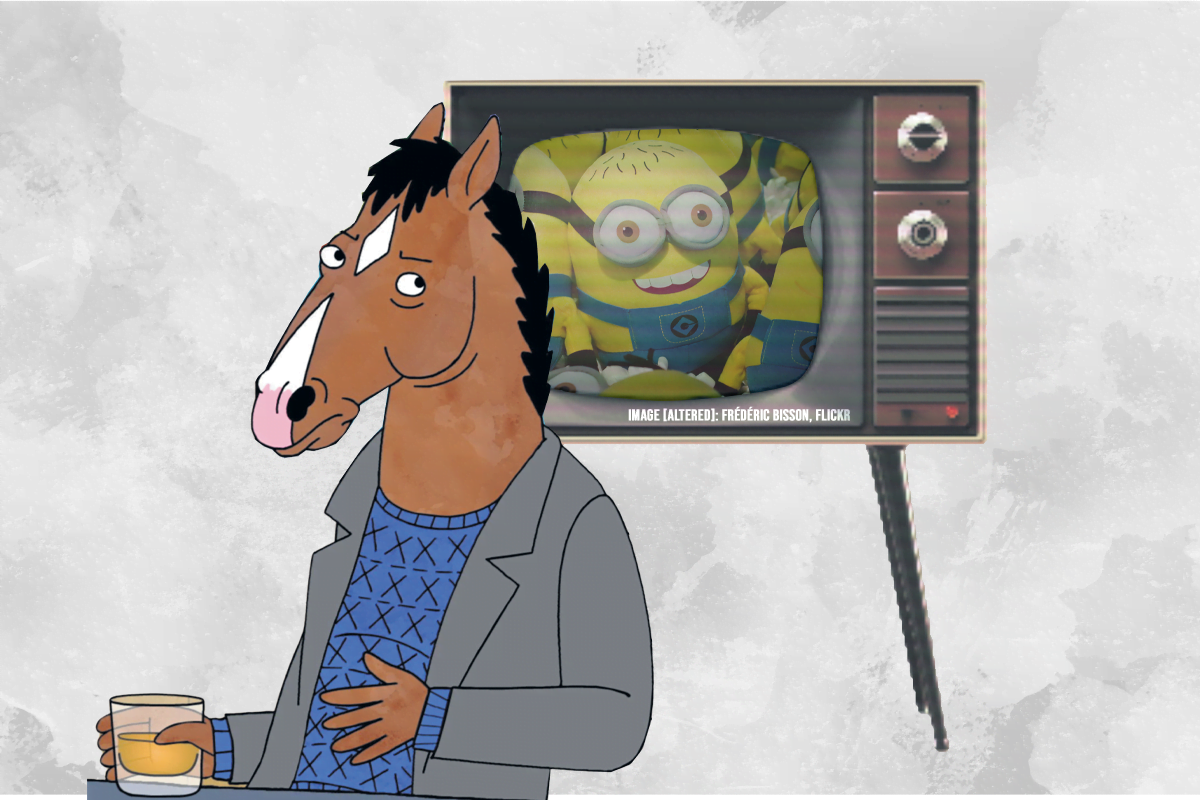
As the class struggle erupts across the world, workers’ anger towards capitalism and the bosses is increasingly finding a reflection in mainstream films and TV. But only freed from the shackles of profit can culture and creativity truly thrive.
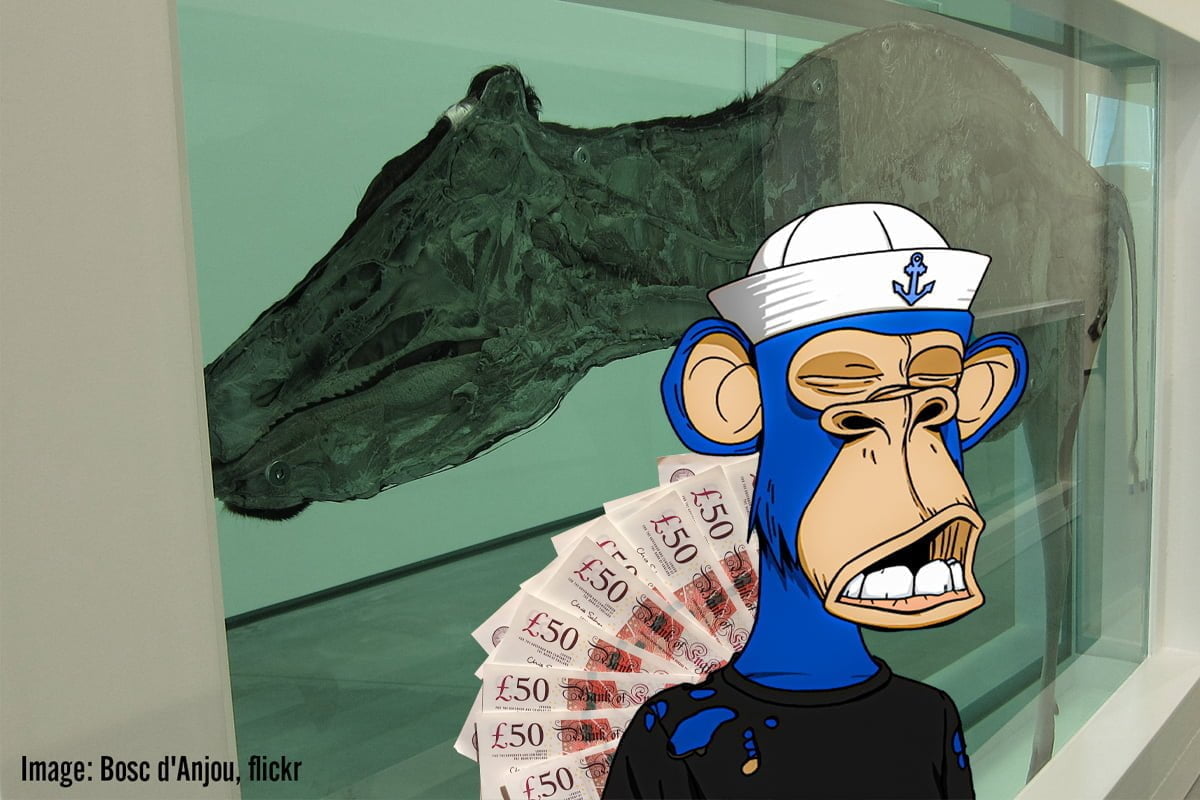
In recent months, investors have poured money into NFTs – ‘non-fungible tokens’ – and other speculative digital assets. This is a symptom of the sickness of capitalism, and of how corrupted and commodified art has become under the profit system.
Steve Jones discusses the role of cinema in capitalist society, and how socialism can develop this form of art to its full potential.
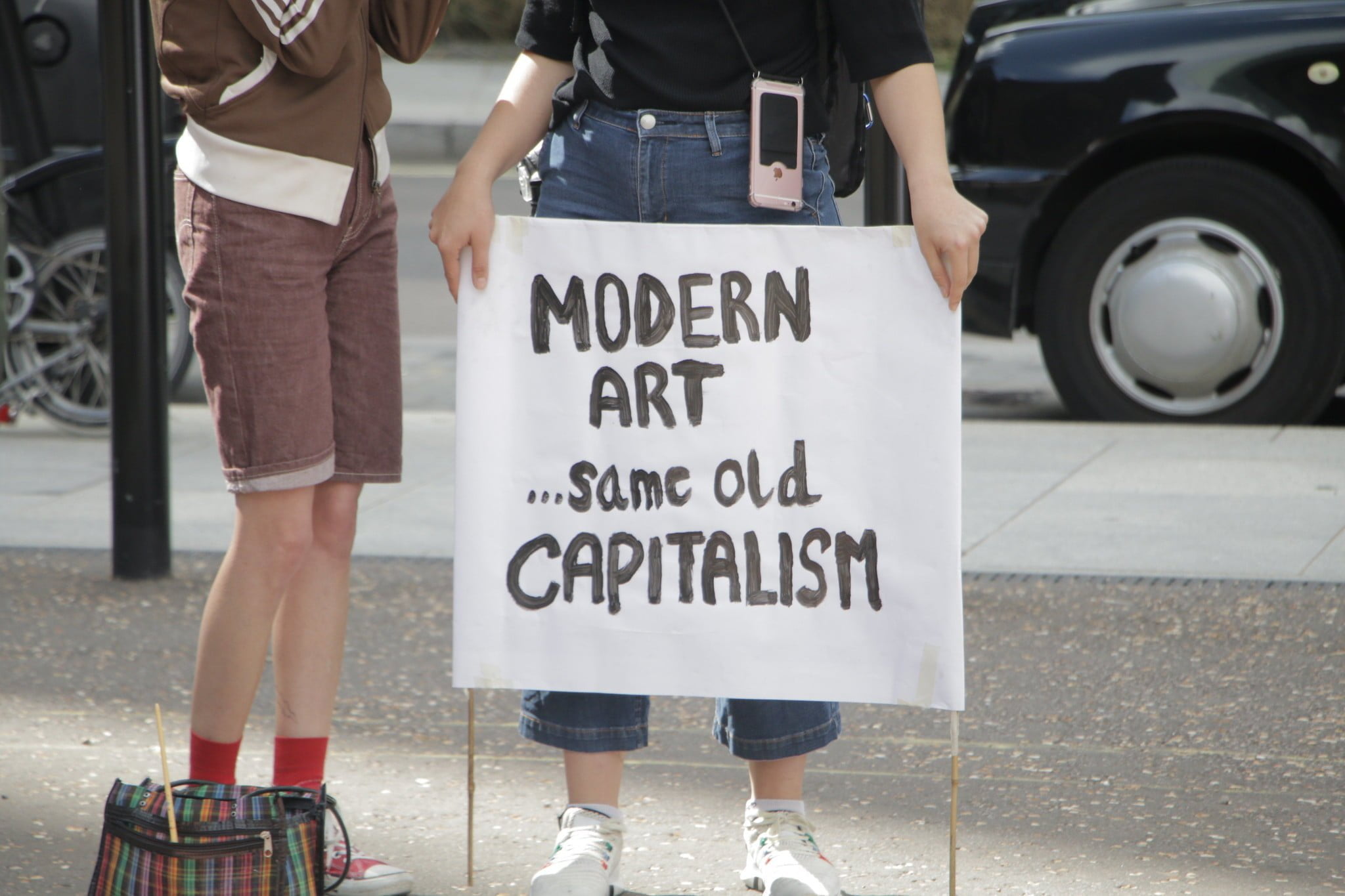
Cultural institutions and venues are facing an existential threat. But the Tories have shown only callousness and contempt towards artists and the arts. Capitalism is killing our culture. We need a socialist fightback to save it.
Cinephiles are hoping that the release of the new Christopher Nolan blockbuster ‘Tenet’ will save cinemas across the country. But the industry’s future remains uncertain. The demand for public ownership has never been so relevant.
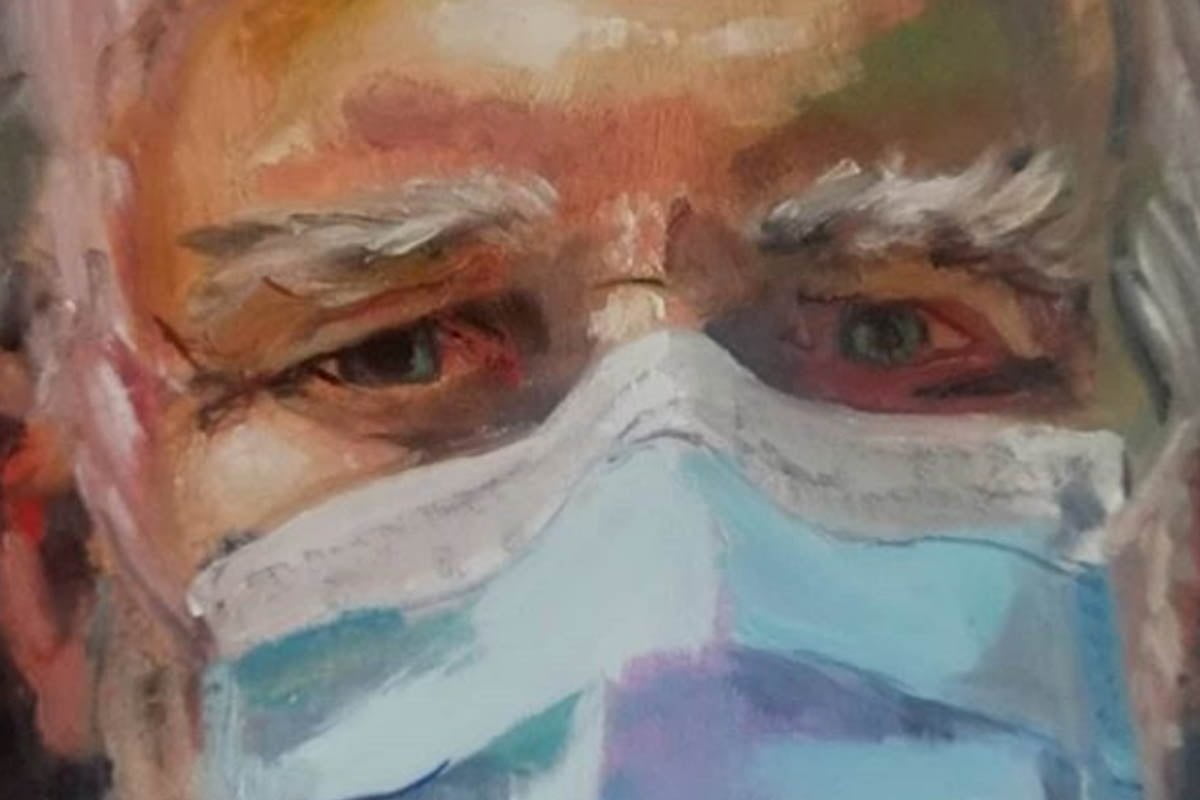
Artist Nicholas Baldion explains how the art community is depicting the lives of those on the frontline in the fight against the pandemic, paying homage to workers in the NHS and elsewhere.
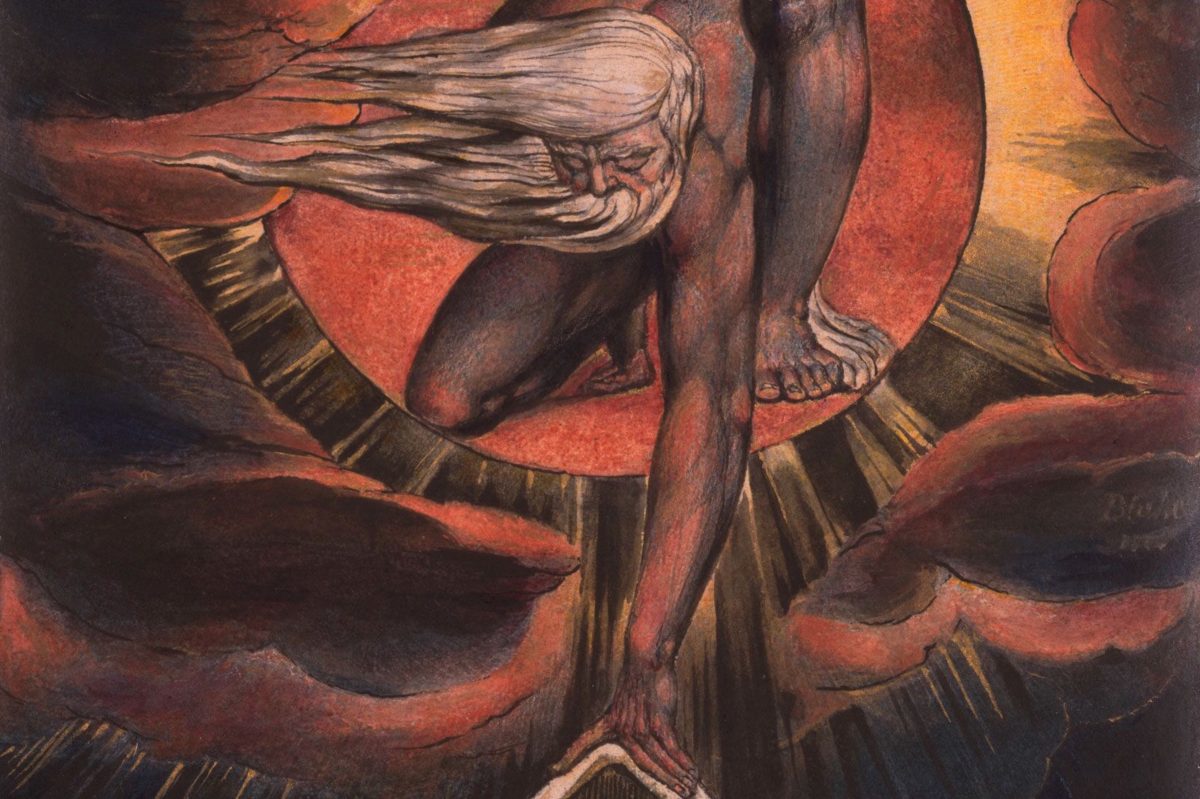
An exhibition of William Blake’s work has opened at the Tate. Blake was a political radical in his own time. Though limited by his bourgeois outlook, his work captured the horror and indignity of the emerging capitalist mode of production.
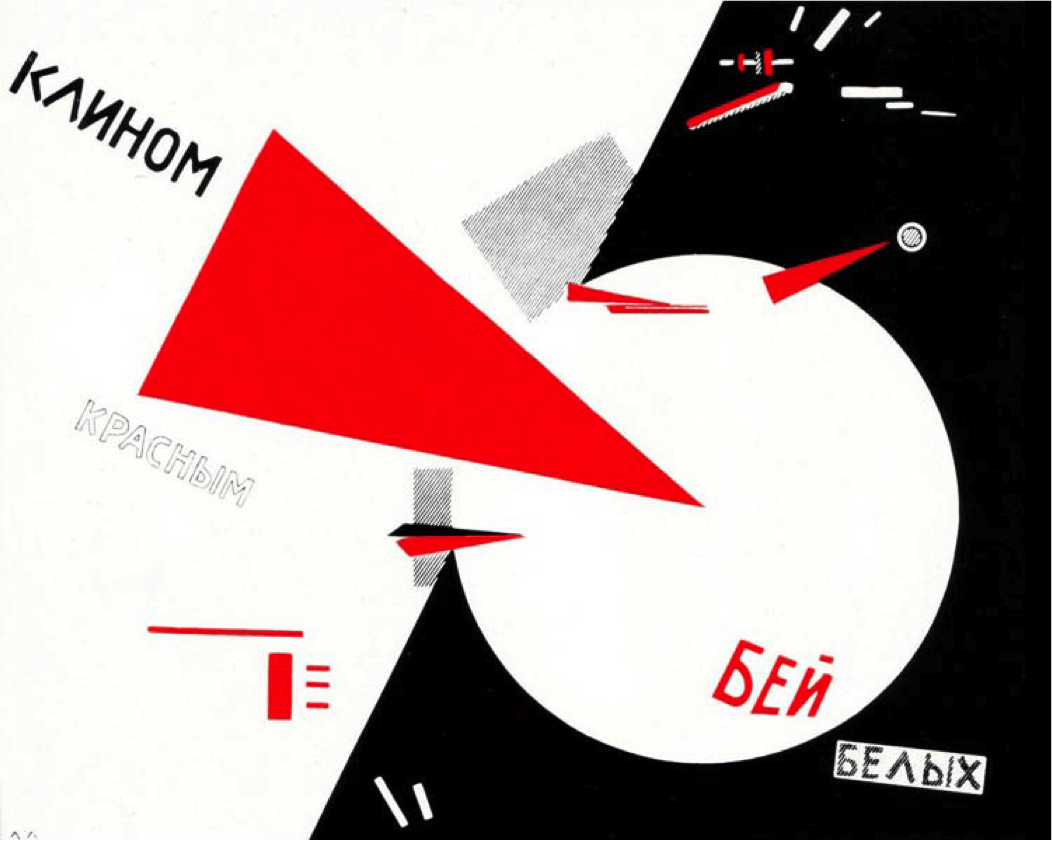
The “Red Star Over Russia” exhibition, which opened at the Tate Modern earlier this month, is the latest in a number of exhibitions marking the 1917 Russian Revolution centenary. Ben Curry reviews the fascinating collection of artwork, photography, and propoganda contained within this latest showcase.
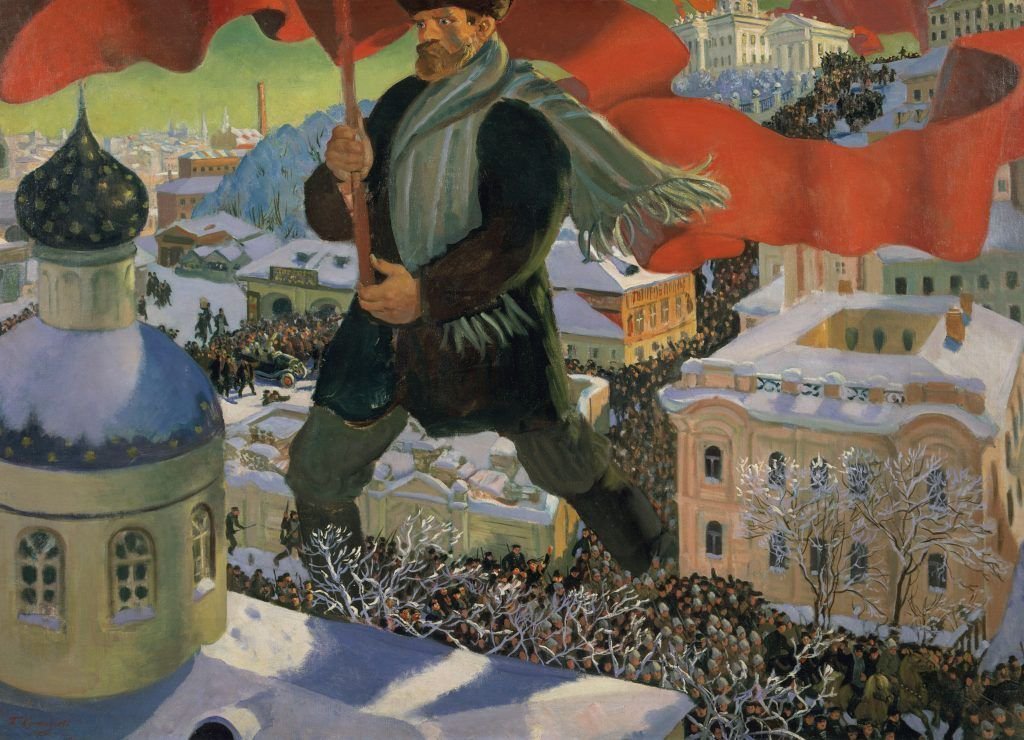
Joe Attard of the KCL Marxists discusses the new Royal Academy of the Arts exhibition on Russian Art: 1917-1932, and responds to Guardian art critic, Jonathan Jones, and his hypocritical tirade against the Russian Revolution, Lenin, and the Bolsheviks.
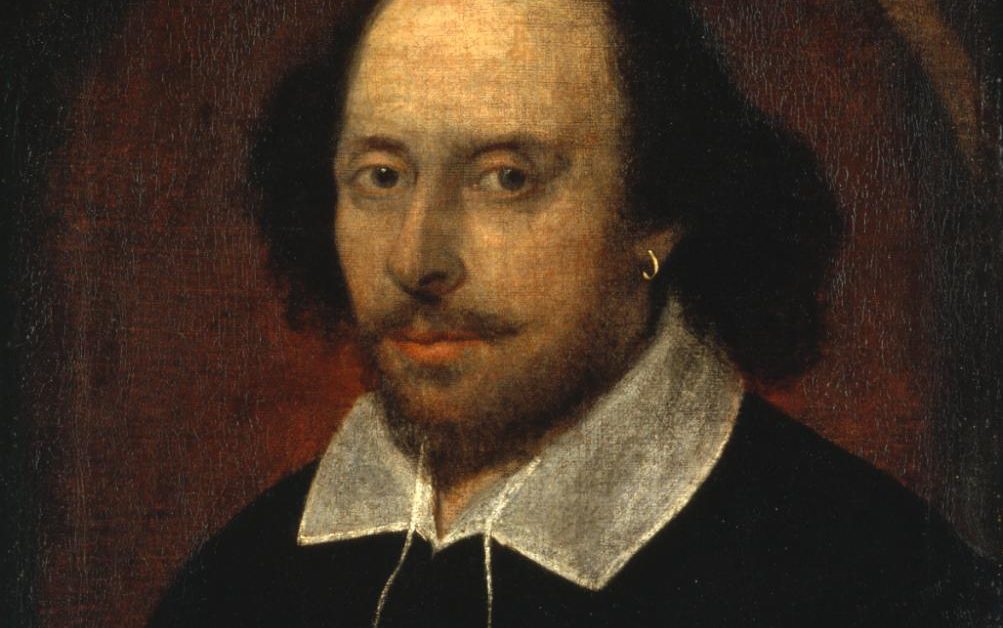
In the final part of his series commemorating the life and ideas of the Bard, Alan Woods looks at Shakespeare’s poetic genius and examines the revolutionary role played by the writer in terms of the development of the English language.
In the third and penultimate part of his series commemorating the life and ideas of the Bard, Alan Woods looks at the central role of politics, plots, and intrigues in Shakespeare’s plays, and – in particular – his attitude towards the idea of social revolution.
We publish here the second of a four-part series by Alan Woods, commemorating the life and ideas of the Bard, 400 years since his death. In this part, Alan discusses the role of religion in Shakespeare’s plays and examines the transitory social conditions of the time in England, which had such a profound impact on this literary giant.
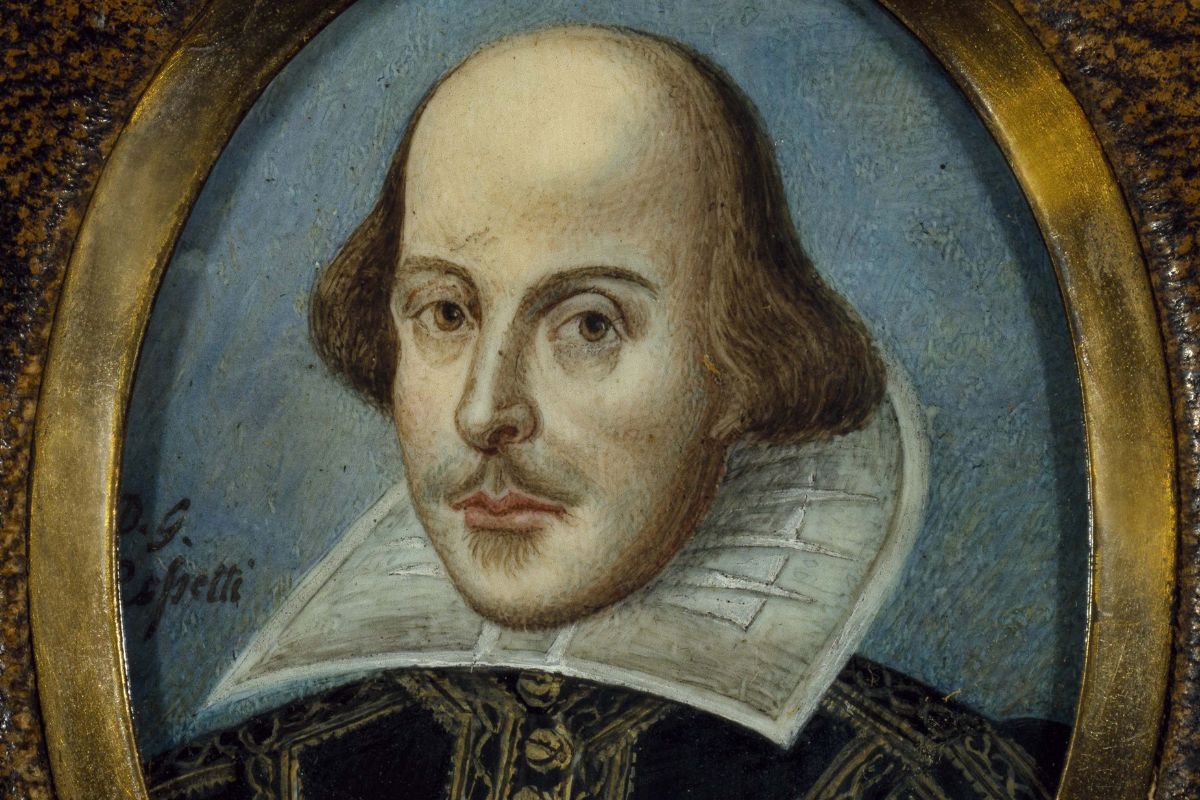
Shakespeare transformed English literature, reaching heights that before were unheard of and which have not been reached subsequently. His impact on world literature was arguably greater than any other writer. In the first of a four-part series, Alan Woods commemorates the life and ideas of the Bard, 400 years since his death.
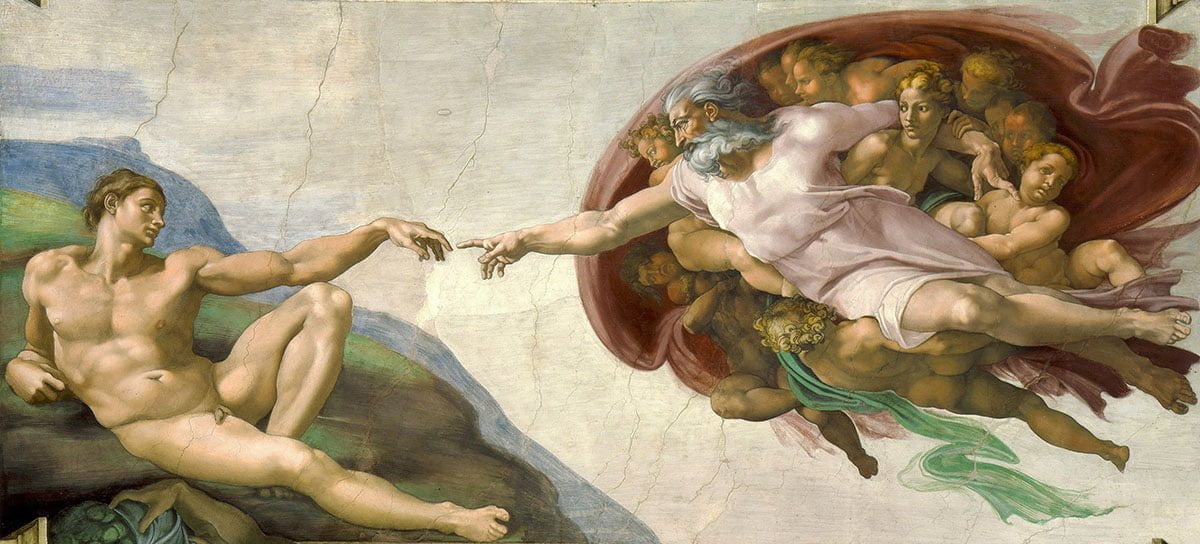
At the recent Red October 2015 event, Alan Woods – editor of In Defence of Marxism – gave a talk on Marxism and Art. We publish here some thoughts on the topic by Kit MacDougall of the Glasgow Marxists, based on the discussion at Red October.
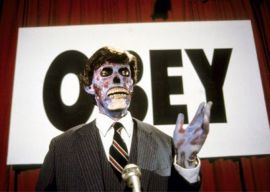
Lenin once remarked that, “Capitalist society is and has always been horror without end.” It is a feeling unconsciously shared by millions and reflected in the popularity of the horror genre since the very beginning of cinema, demonstrating the anxieties and fears in the society of the times.
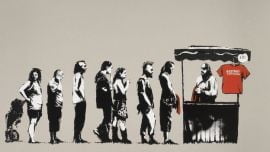
We publish here a letter from a comrade in West Yorkshire, who highlights Jeremy Corbyn’s programme for culture and the arts. Rather than simply protecting funding for the arts, socialists should be arguing for a revolution in how art is created, displayed, and distributed – and, in turn, for a revolution in how society is run and organised.
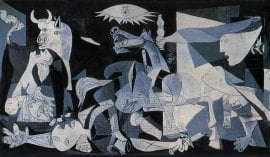
In this speech to the ULCU Marxist Society, Alan Woods – Marxist author and editor of www.marxist.com – explores the question of art from a Marxist perspective, looking at the history of art from a materialist perspective – from the early art of cave drawings, through to the revolutionary paintings of Pablo Picasso. In doing so, Alan Woods touches on questions such as “what is art?” and discusses what would be possible in terms of art under a socialist society.

The last few years have seen a number of Hollywood film companies marking their centenary anniversaries. Marxists see film, as with other art forms, as providing a reflection of class society and its structures. Bob Stothard looks over the long history of film and what it can tell us.
As with the sites of production of other commodities, the sites of media production are simultaneously sites of struggle. Journalists and other media workers can and must struggle against the domination of capital over their professions and over humankind.
Perhaps nothing elicits more disagreement and debate among Marxists and other left activists than a discussion about the media. There is no doubt that the mass media is omnipresent, mediating every aspect of our lives. How one relates to and interprets the world is largely colored by how the media informs us. On the eve of the release of the Leveson report, we publish this Marxist analysis of the media from a correspondent in the USA.
The effects of the capitalist crisis are being felt at every level of society. As reported in a Time
magazine article in April, this also includes the preservation of
historical sites. As the cash-strapped European states race to cut
public spending and slash budgets, the historical achievements of
mankind crumble under paltry allotments for cultural preservation.
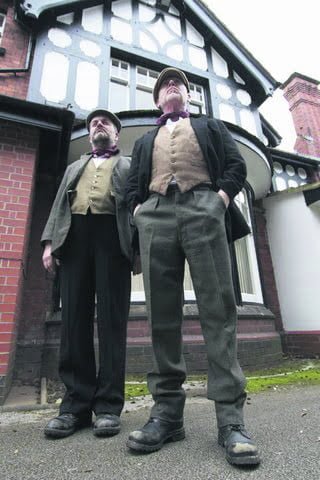
Whilst chatting with students at Worcester University, I was presented
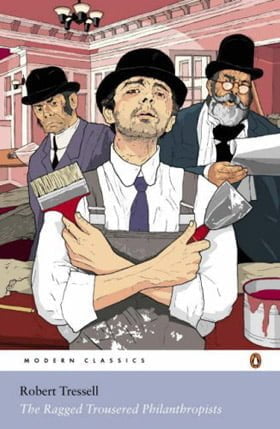
with a flyer for a production of The Ragged Trousered Philanthropists
that night in the university, an opportunity not to miss. However my
expectation of a theatrical interpretation of this socialist classic by
just two actors was very low but this was blown away as soon as the
performance began.
In the
1950s, amid prosperity and a booming economy, Allen Ginsberg defied
conventions and the mainstream by openly standing forward as a
homosexual, a socialist and a sharp critic of the capitalist American
society he lived in. For this he was persecuted in a famous obscenity
trial, which he ended up winning. This is portrayed in the feature film Howl from 2010, now available here on DVD.
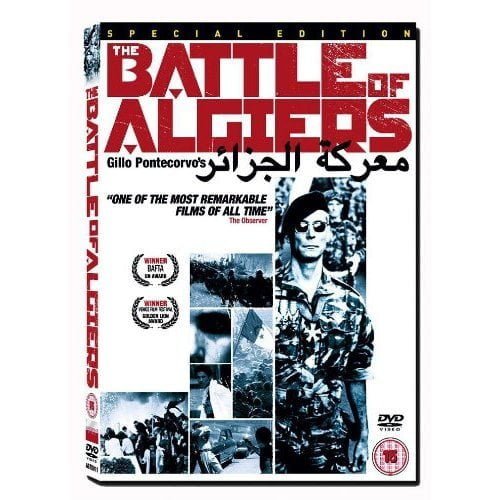
In the first of a regular
column where we look at DVDs which may be of interest to socialists, we pick up
on a DVD reissue of the classic film, Battle of Algiers.
Copyright is in crisis. Photocopying, scanning, audio and video
recording, computers and now the internet have all made it increasingly
difficult for the owners of copyright to enforce their rights. There
has been a renewed effort, such as the Digital Economy Bill, to restore
the balance of power in favour of big business, but levies and legal
penalties only serve to patch holes in an already leaky system. The
flaw lies not in the technology, or in piracy or file-sharing, as
corporations would have us believe, but in the very notion of copyright.
The House of
Lords has just approved the Digital Economy Bill. It has caused ripples
across
the technology world, most notably because of its proposals regarding
the
suspension of repeat file sharers’ internet connections, and gives the
courts
power to issue injunctions against websites accused of hosting
copyright-infringing material. Internet freedom campaigners have reacted
with
dismay.
In the society in which we currently
find ourselves, class society, a small minority of the population holds
ownership and control over industry, banks and all major means for
producing wealth. Because we, the workers, do not get to enjoy this
wealth, although we create it, our lives are reduced to working for
wages that disappear when we pay the bills. How does the ruling class
keep us putting up with such a lifestyle? One way is the fact that the
ruling class’s ideology permeates contemporary culture and dominates
the media.
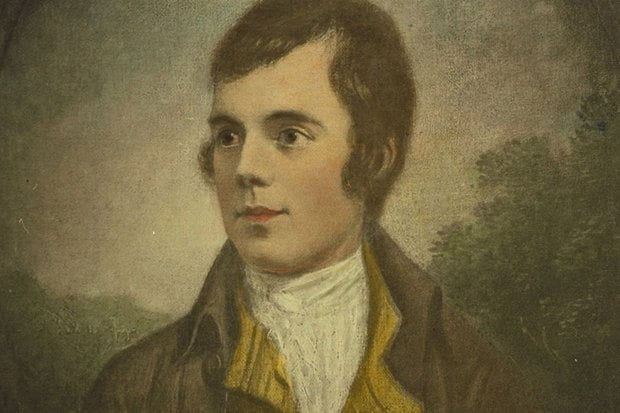
Robert Burns (1759-1796) the poet needs no further introduction. But Robert Burns the revolutionary democrat is another matter. It is a matter of great regret that nowadays it seems to have become the fashion among certain left circles in Scotland to renounce Burns. To some degree this is understandable. After his death, Burns was hijacked by the Scottish Establishment, who turned him into a harmless icon. On Burns’ night each January, upper class Scotsmen in kilts (!) make use of the great man’s anniversary to eat and drink to excess, declaim poems to the haggis, and generally make fools of themselves. This grotesque parody would, of course, have had Rabbie Burns splitting his sides with laughter. His poems, his politics, his philosophy, his life and his death – all bear witness against these stage Scotsmen and hypocritical Pharisees.
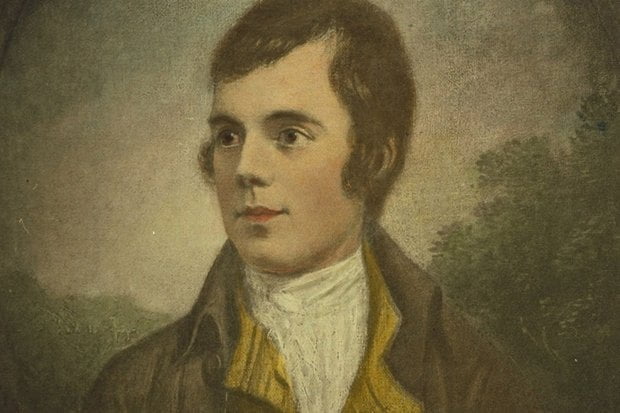
Alan Woods discusses the life and work of Robert Burns – Scotland’s national poet. Although he has been transformed into a harmless icon, the real Burns was a revolutionary democrat.
Why would
socialists be interested in this book? Because it is a fictionalised account of
a period in the life of one of Englands’ greatest football managers – the man
destined to be England manager, but
who never was.But not only was ‘Cloughie’ (Brian Clough) a great football
manager, he was also a man who constantly challenged and criticised the
footballing establishment; the club directors and chairmen, the FA and the
powers that be generally.
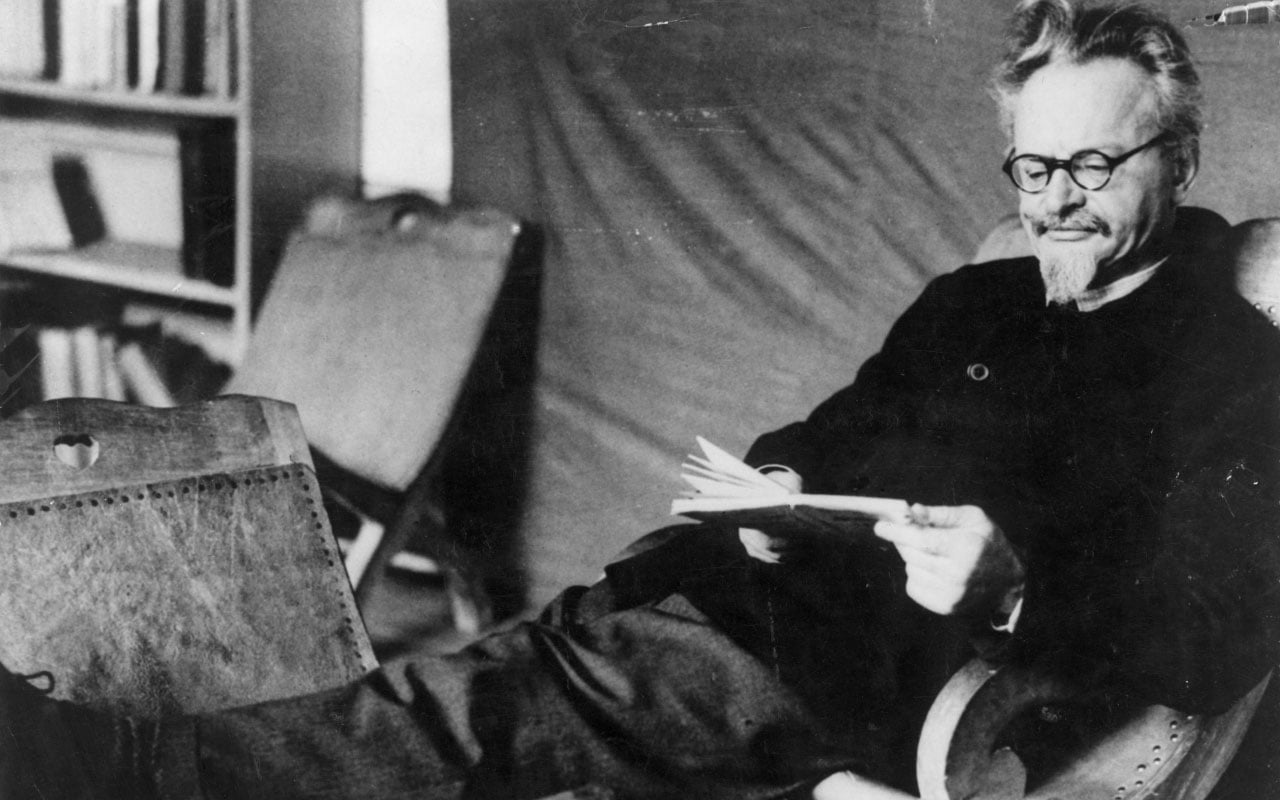
“Art can neither escape the crisis nor partition itself off. Art cannot save itself. It will rot away inevitably — as Grecian art rotted beneath the ruins of a culture founded on slavery — unless present-day society is able to rebuild itself. This task is essentially revolutionary in character. For these reasons the function of art in our epoch is determined by its relation to the revolution.” Leon Trotsky, 1938.
We publish here the transcript of a speech by Alan Woods on the subject of the relationship between Art and the Class Struggle. The speech was given at a Marxist Summer School in Barcelona (Spain), in July 2001.
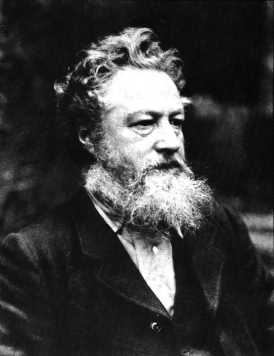
William Morris is probably known best today as a designer of wallpaper
and fabrics. This is a travesty. Morris was a revolutionary socialist,
a Marxist. Morris read Capital when it was only published in German,
and therefore unavailable to most British workers. Inspired, he joined the Democratic Federation, later called the
Social Democratic Federation, the first British Marxist organisation.
From that time on he was a tireless agitator for socialism till his
last days.
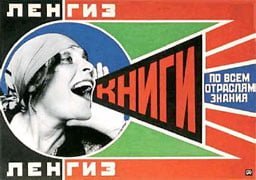
A
major exhibition of the photographic work of Alexander Rodchenko (1891-1956) is
currently on at the Hayward Gallery in London. It is sponsored by Roman Abramovich, the
billionaire owner of Chelsea Football Club and a supporter of the Moscow House
of Photography Museum whose director, Olga Sviblova, curated the show. This important Russian
artist is
considered one of the most versatile avant-garde artists to have emerged after the Russian
Revolution.
Most current debate on multiculturalism revolves
around fundamental conflicts within liberalism. The liberal hegemony has meant
that the intense and detailed debates that accompanied the evolution of Marxist
social democracy have been relegated to the historical margins. The Marxist debate starts from a very
different perspective. Its focus is not the individual, but society as a whole.
This article is a re-examination of these debates and of
their historical interpretations in order to throw a new light on issues today.
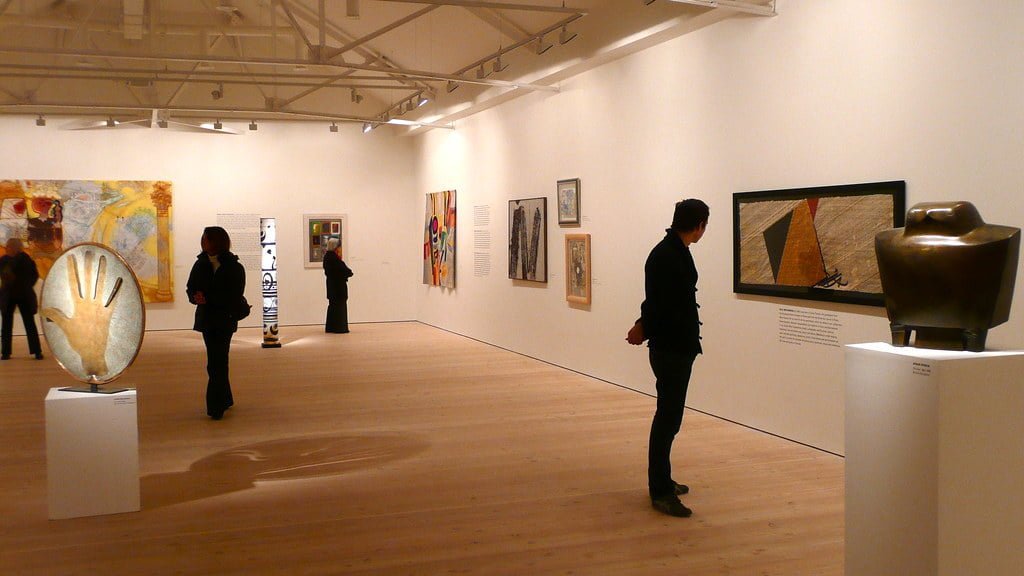
Someone has said that one of the criteria for winning the Turner Prize is not to be understood. The philosophy behind this is: the less I am understood, the better the art. Yet the kind of art that wins the Turner competition also has merit. They have the merit of holding up a mirror to the society that produced them, and saying: “This is what you are, and this is all you are capable of producing.” These works point out to us that beneath the sleek, comfortable bourgeois surface of modern society, horrors are lurking: dead vermin, murder, death and decay.