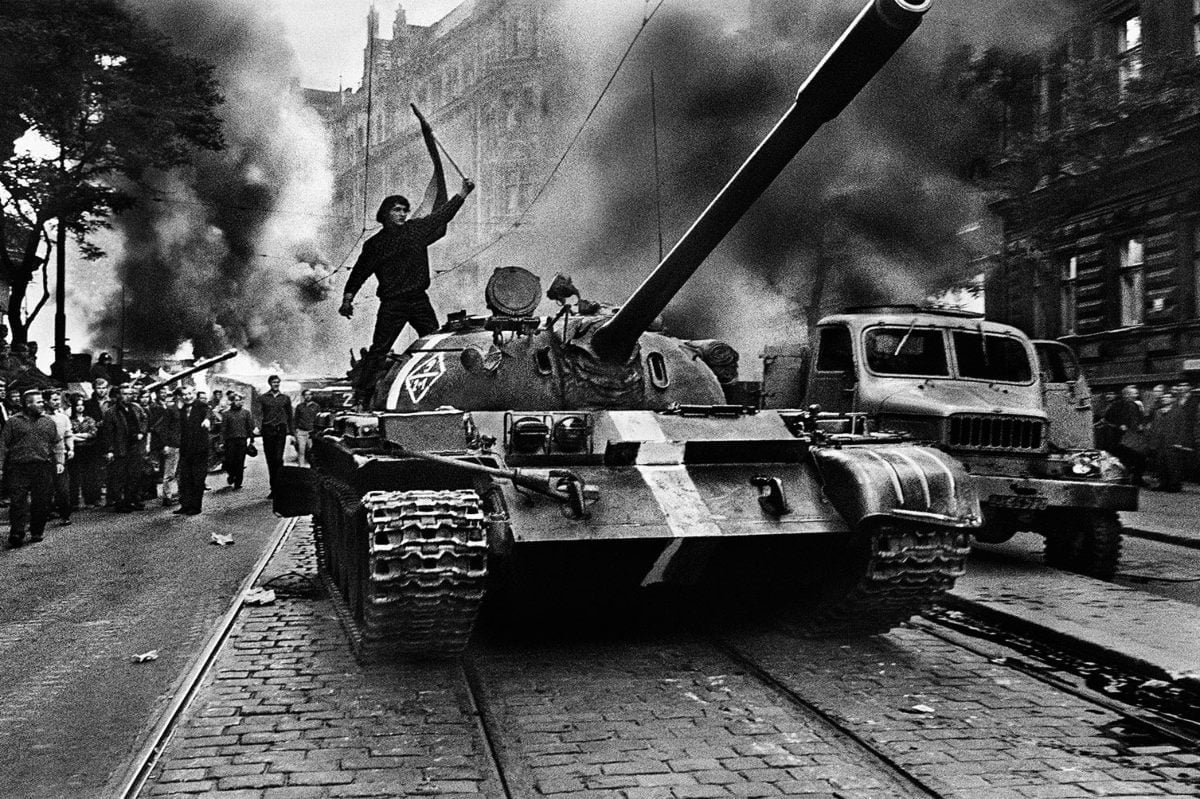
50 years after the Prague Spring – what are the lessons for today?
50 years ago, USSR-backed tanks rolled into Czechoslovakia to crush the Prague Spring. But could the movement have been successful?
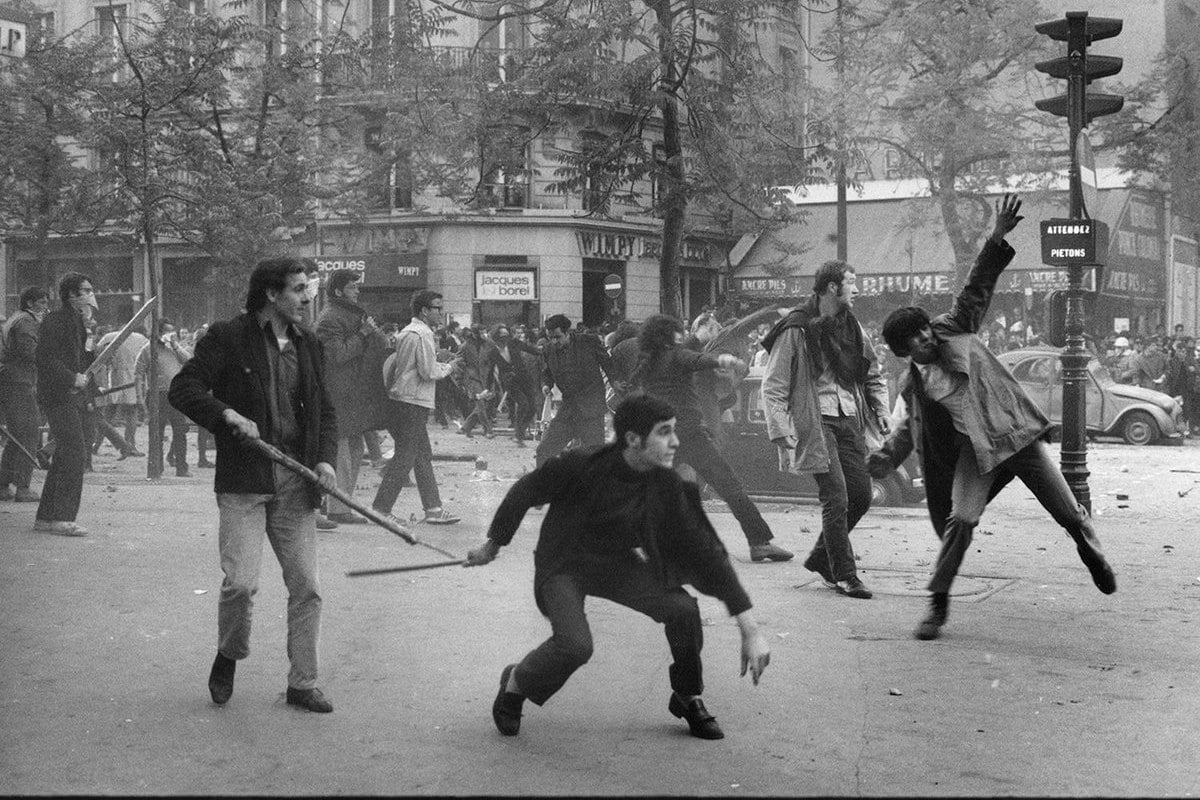
50 years ago, the workers and students of France shook society. Alan Woods looks at the revolutionary events of May 68.
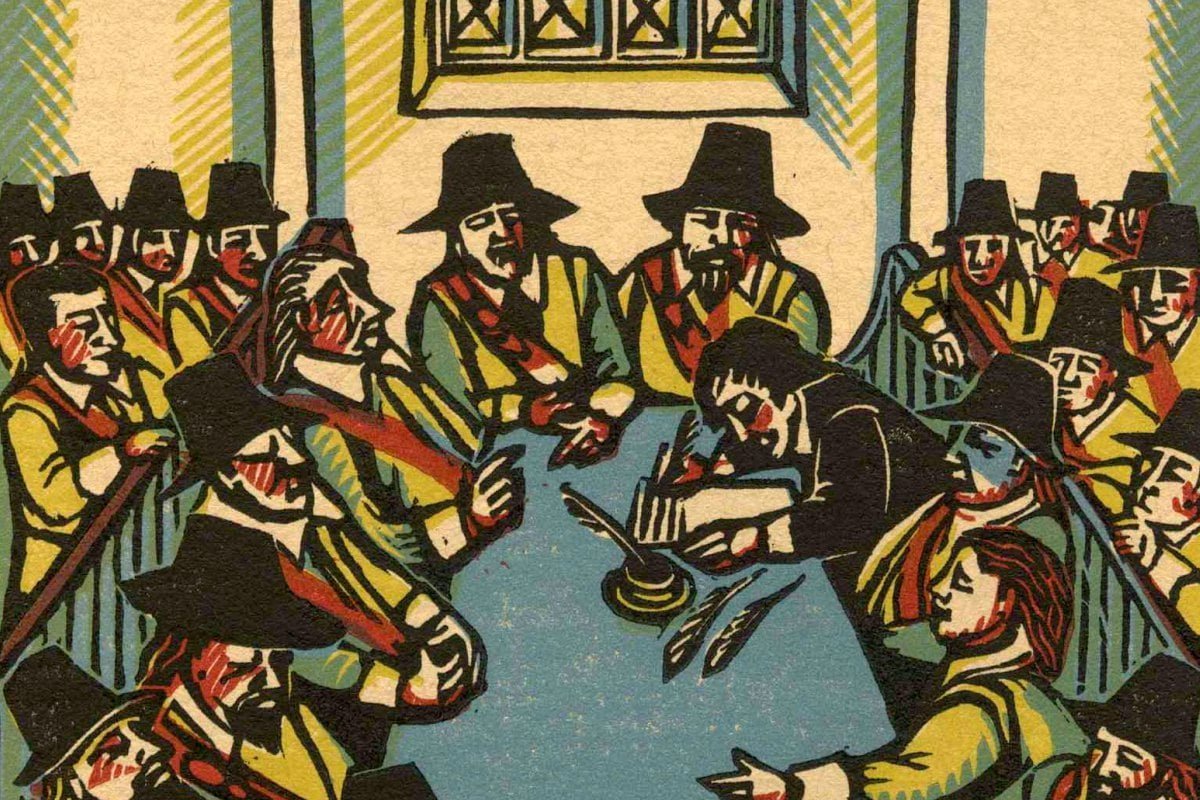
370 years ago this weekend, the Putney Debates of 1647 took place: meetings of elected representatives from the Army ranks, chaired by Oliver Cromwell himself, which discussed the future direction of England. The demands put forward by the Levellers were revolutionary. To commemorate this anniversary, we republish here an extract from a longer series on the English Revolution by David Brandon.
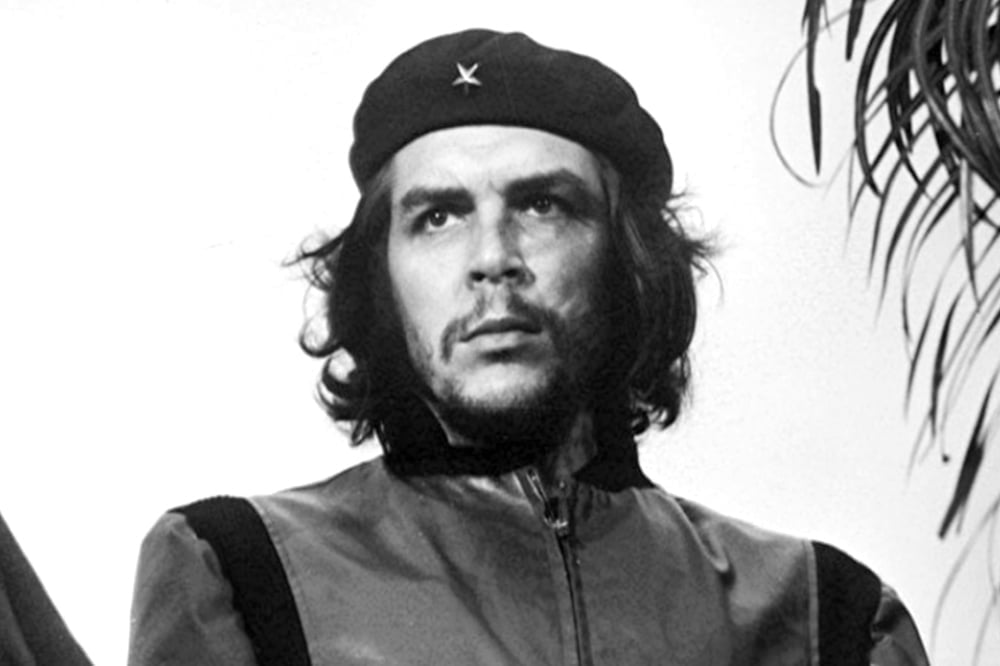
Fifty years ago today, Che Guevara was brutally executed by Bolivian soldiers, so ending the life of one of the great revolutionary figures of the 20th Century. To commemorate Che’s life and ideas, we republish here an in-depth article by Alan Woods, originally written ten years ago, discussing Che’s experiences and what he really stood for.
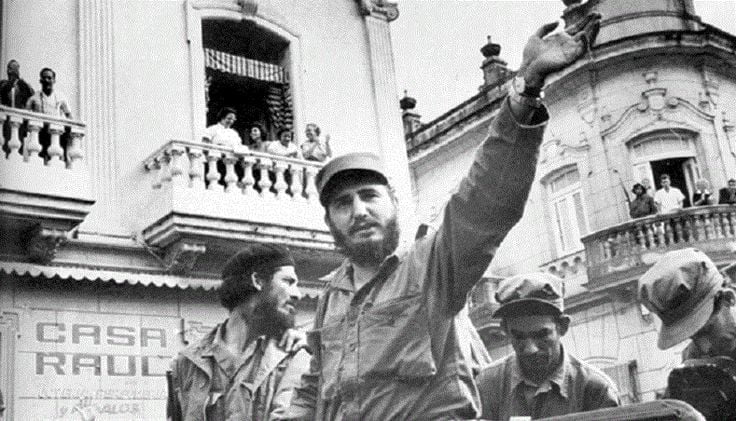
On Friday 25th November, Fidel Castro died at the age of 90. His whole life was closely linked to the Cuban revolution. An appraisal of his role is therefore an appraisal of the Cuban revolution, which for over five decades resisted the onslaught of US imperialism. Jorge Martin looks at the life and legacy of Fidel Castro.
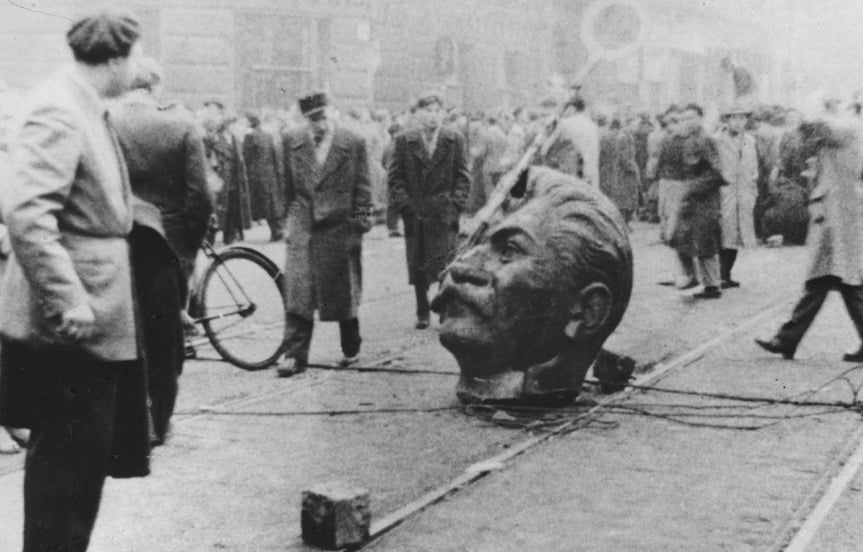
60 years ago, on 23rd October 1956, political revolution against Stalinist dictatorship lept from the pages of Leon Trotsky’s writings and roared into life in Hungary. Contrary to Stalinist slanders at the time, this was never a movement for the restoration of capitalism, but an attempt by Hungarian workers to establish a healthy socialist society.
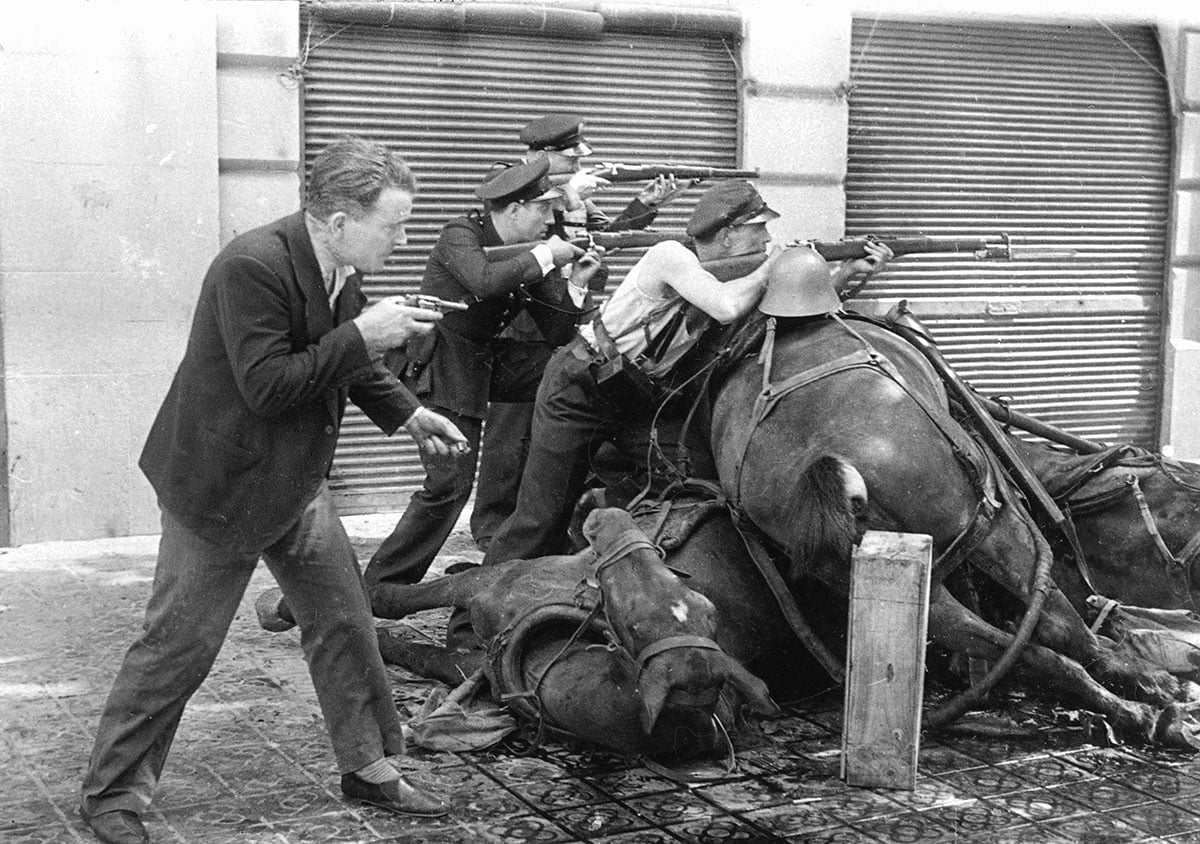
On 17-18 July, 1936, General Franco began his military uprising in Morocco, a prelude to the fascist uprising throughout Spain. The workers responded in a spontaneous fashion. Rob Sewell and Alan Woods discuss the revolutionary events of the 1936 Spanish Civil War.
We are publishing here the introduction by Alan Woods to Felix Morrow’s Marxist classic Revolution and Counter-Revolution in Spain, which provides a brief analysis of the reasons for the defeat of the Spanish Revolution of 1931-37, while also drawing the lessons for today.
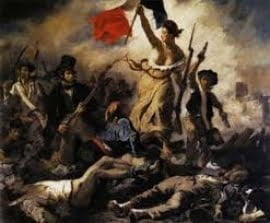
14th July marks Bastille Day in France – the celebration of the 1789 French Revolution. This year’s celebrations mark the 225th anniversary of the Revolution. To commemorate this anniversary, we republish here an article by Alan Woods on the fall of the Bastille, originally written in 1989 on the 200th anniversary as part of a series on the history of the French Revolution.
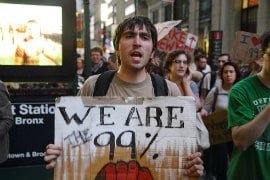
For millions of people around the world, the United States represents the ultimate citadel of reaction: imperialism, sanctions, war, drones, anti-communism, discrimination, and exploitation. Many people — even on the left — imagine that the US is immune from class conflict. However, the United States is in fact a society riven with deep class contradictions. It has an enormous and powerful working class and an inspiring revolutionary past — and future.
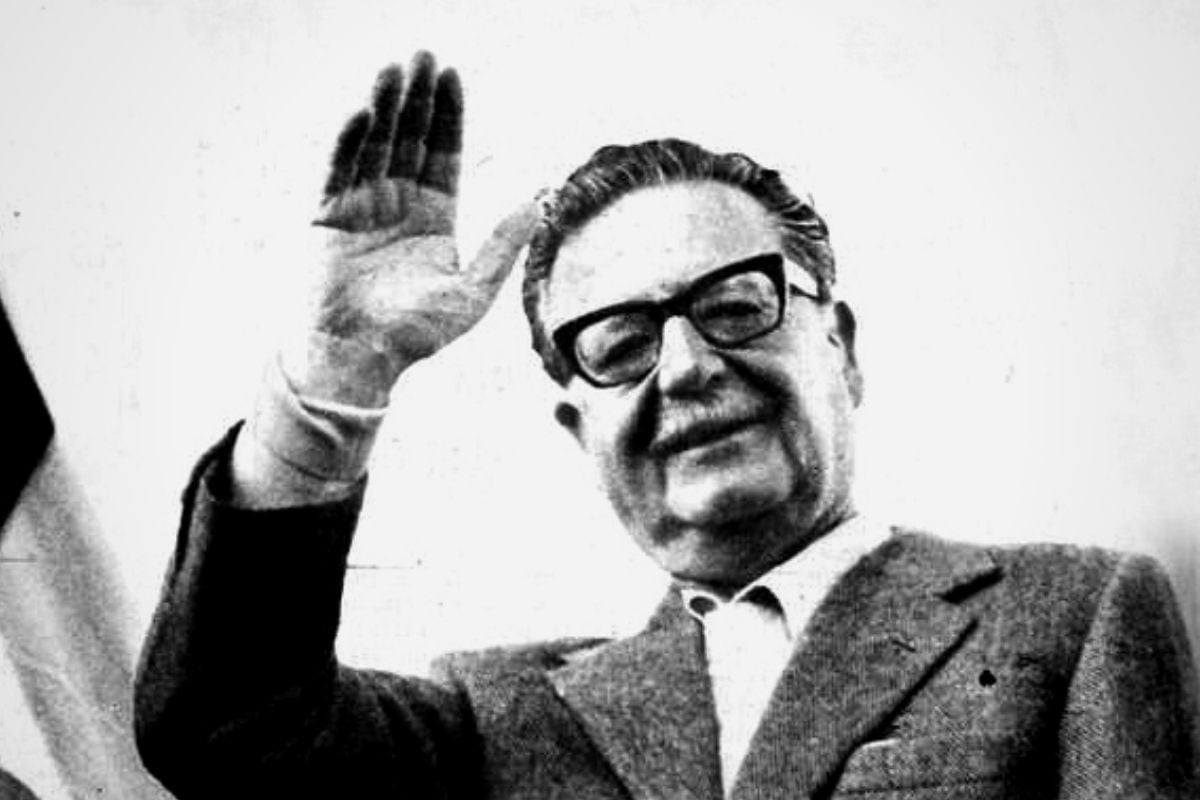
Who was behind Pinochet’s coup? What interests was he defending? What were the policies of the Allende government and why was he unable to prevent the coup?
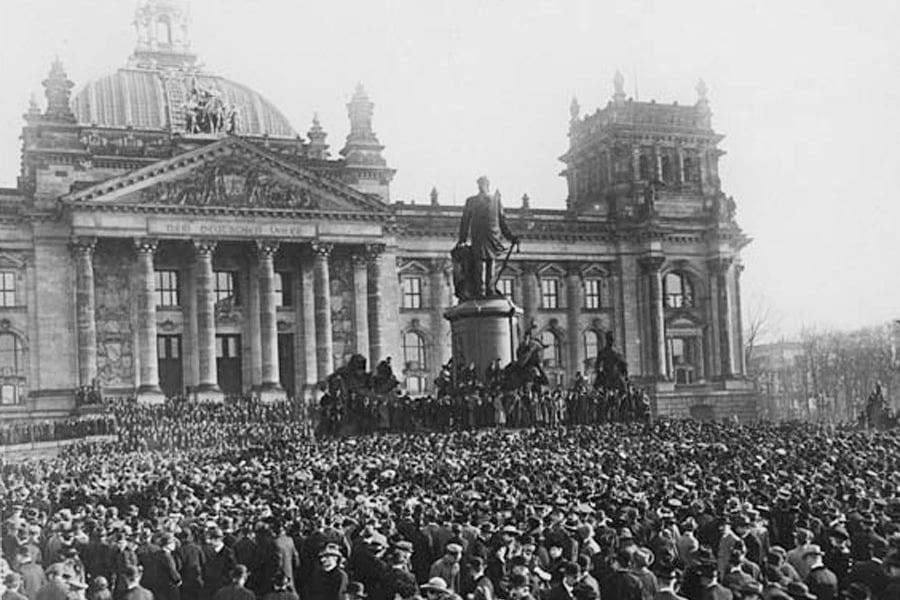
This year marks the 90th Anniversary of the German Revolution of 1923. The tragic failure of this revolution marked a turning point and represented the end of the revolutionary wave that had swept Europe from 1917 onwards. It is no exaggeration to say that the consequences of the failure of the 1923 revolution determined the fate of Europe. A victory for the working class in Germany would have prepared the way for the European socialist revolution and would have changed the course of world history.