By the third day of the General Strike both sides had started to accept the reality of the struggle. Bitterness was increasing and there was a changed atmosphere in the streets.
The government, the BBC and the capitalist media were whipping themselves into a frenzy. Tory Prime Minister Baldwin broadcast himself to the nation, crying “constitutional government is being attacked … the General Strike is a challenge to Parliament…”
And he wasn’t wrong. The Strike did indeed represent a real threat to the capitalist order, or it could have done if the trade union leaders were up for the fight. But while Baldwin claimed this to be “the road to anarchy and ruin”, a claim much repeated in the bosses’ press, in reality it could have been the road to socialism and freedom.
Baldwin was terrified of the power of the Strike. The whole country was shutting down. The East End of London, home of the docks and beating heart of Britain’s exports, was a “great silent city … not a workshop, factory or commercial concern of any kind is doing business.”
Armoured cars manned by soldiers started to appear around London, heightening speculation that the government wished to reopen the docks. This only hardened the strikers’ resolve.
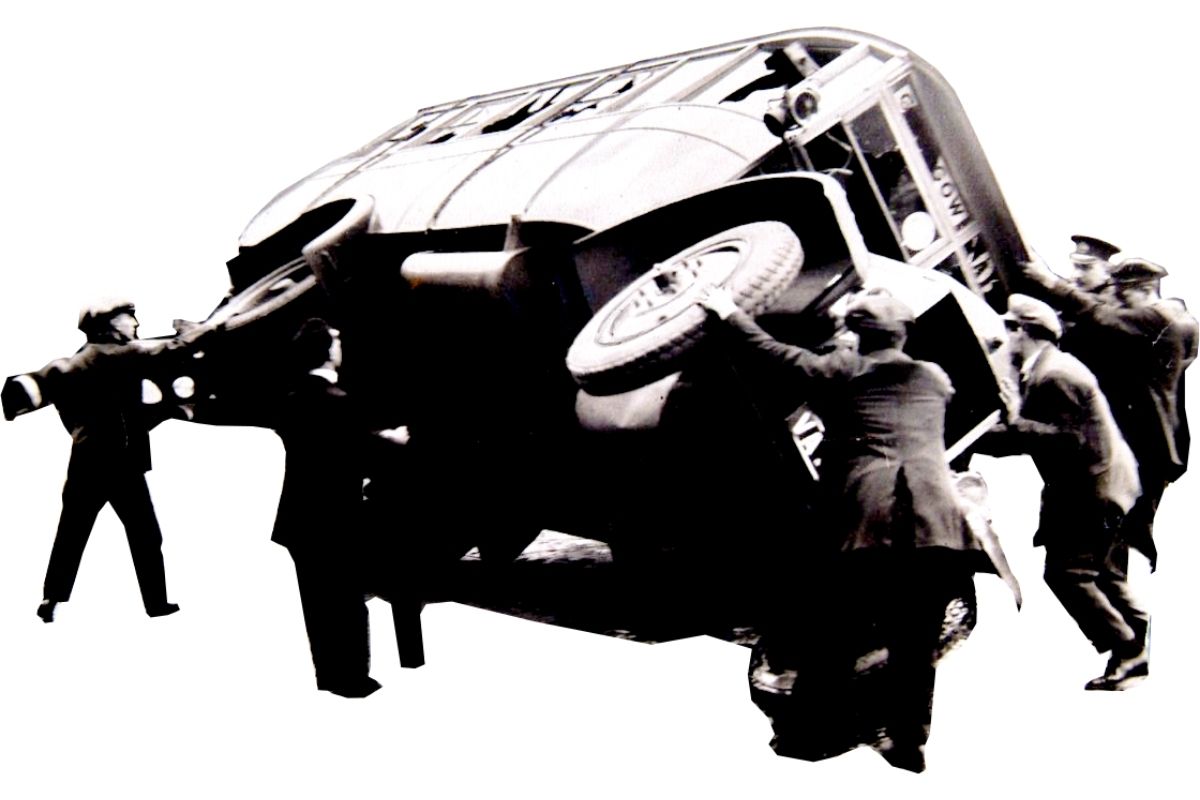
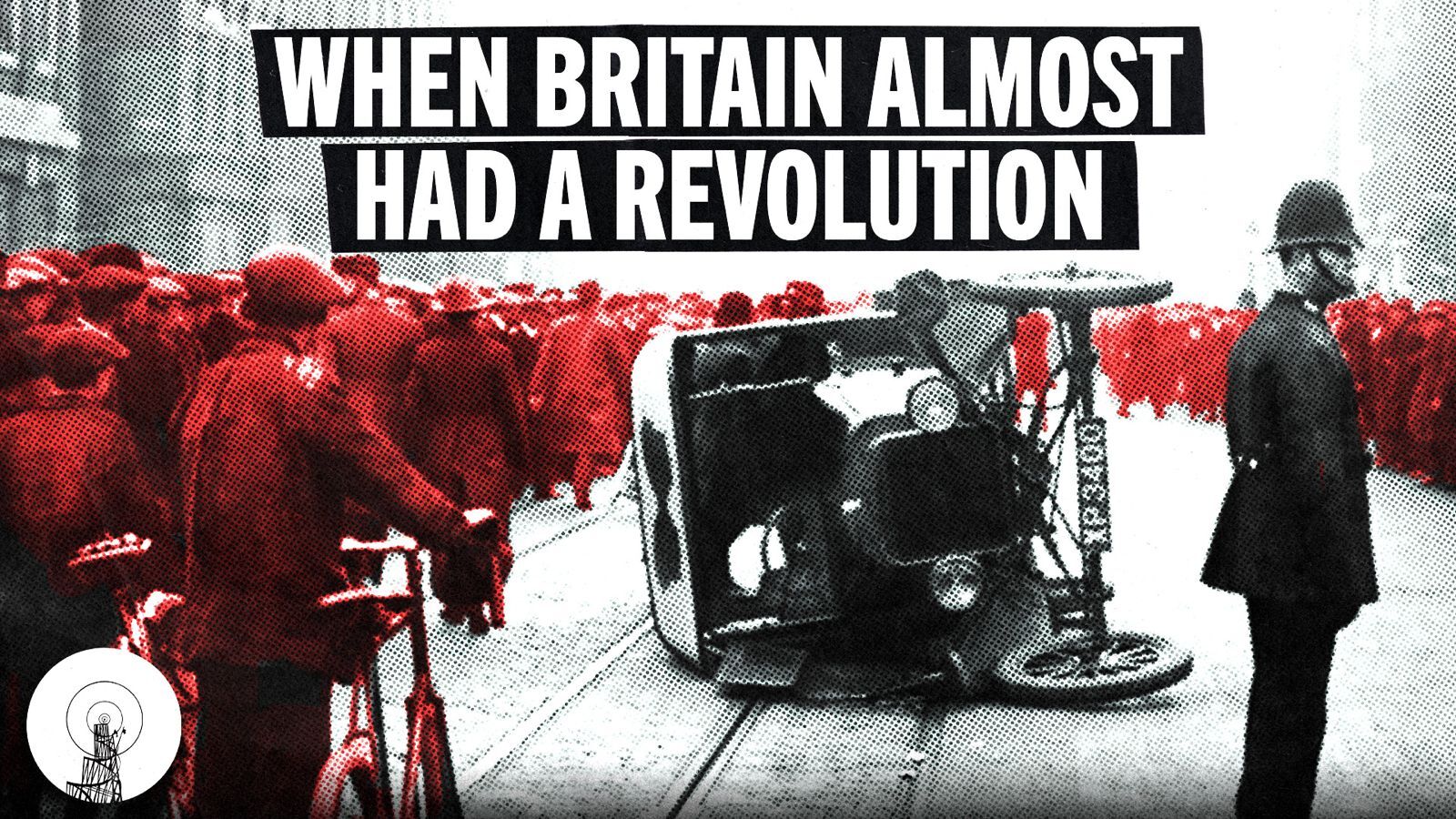
The government was also ramping up efforts to get public transport back underway. Volunteer scab labour installed wire meshing around the drivers’ seats of trams and buses, and were accompanied by policemen or soldiers in an attempt to protect them from the pickets.
At Elephant and Castle in south London, crowds attempted to interfere with transport and were met by mounted police. The police also charged strikers in Tooley Street leading to 32 arrests.
This day also saw the first fatality of the strike, when a London bus mounted the pavement in response to a crowd of picketers, and in doing so it hit a man who died soon after.
In Aberdeenshire the council attempted to restart the bus service. Angry picketers harassed the scab labour and attacked the first bus down Belmost Street. By the afternoon the police had gathered, coal was thrown at a bus, lorries had their windows smashed, and the police attacked picketers with a baton charge.
There were clashes in Glasgow as workers attempted to convince two student scabs to join the strike. The police attacked the workers and 66 were arrested.
In Middlesbrough a crowd of 4,000 chained lorries to the railway tracks, occupied the train station, and were attacked by police.
While heroic acts of solidarity and class struggle were taking place all over the country, the Labour Party leader Ramsay MacDonald met with the miners’ leaders. Instead of supporting them, he traitorously asked them to work out a compromise deal with the bosses to end the strike.
Meanwhile, as Baldwin took to the airwaves with his inflammatory statements, the trade union leadership followed MacDonald’s lead and struck a conciliatory tone. The Trades Union Congress (TUC) made a statement begging the government to come to the negotiating table.
Up and down the country workers knew the government was at its wits’ end attempting to break the strike. Instead of pressing their advantage, the TUC and Labour leaders were desperate to reach a settlement with the bosses. In the end, it was that compromising attitude which would be fatal.
Find more articles in our series ‘The 1926 General Strike as it happened‘