“ALL’S WELL!” declared the front page of the British Worker on the evening of 10 May. The General Strike had now entered its second week and workers’ spirits across the country remained high.
Telegrams from local branches reported unwavering solidity and determination, “All solid – spirit of members splendid”, “Solid to a man – no trains at all”, “Cut to a man”, “Determined to fight on”.
A message from the General Council of the TUC commended workers for their loyalty and discipline and instructed strikers to “Stand firm. Be loyal to instructions and Trust Your Leaders.” Behind the scenes however, the TUC leadership were plotting to end the strike. They had resolved to leave the miners, whose conditions were the reason for the strike, to their fates at the hands of the mineowners.
Only now, on the seventh day of the strike, did the TUC leadership bring out its “second line” of workers (mainly shipping workers). The second line came out enthusiastically, Hamilton Fyfe, editor of the TUC’s British Worker newspaper, noted “The men, so the General Council reports, have awaited the instructions impatiently and all over the country they have received their ‘marching orders’ with enthusiasm and a sense of relief.”
Despite the eagerness of the workers who had not yet been called out to join the strike, at no point did the TUC General Council consider bringing out its most powerful weapons, the complete shutdown of electricity and power (it only ever sanctioned a partial shutdown).
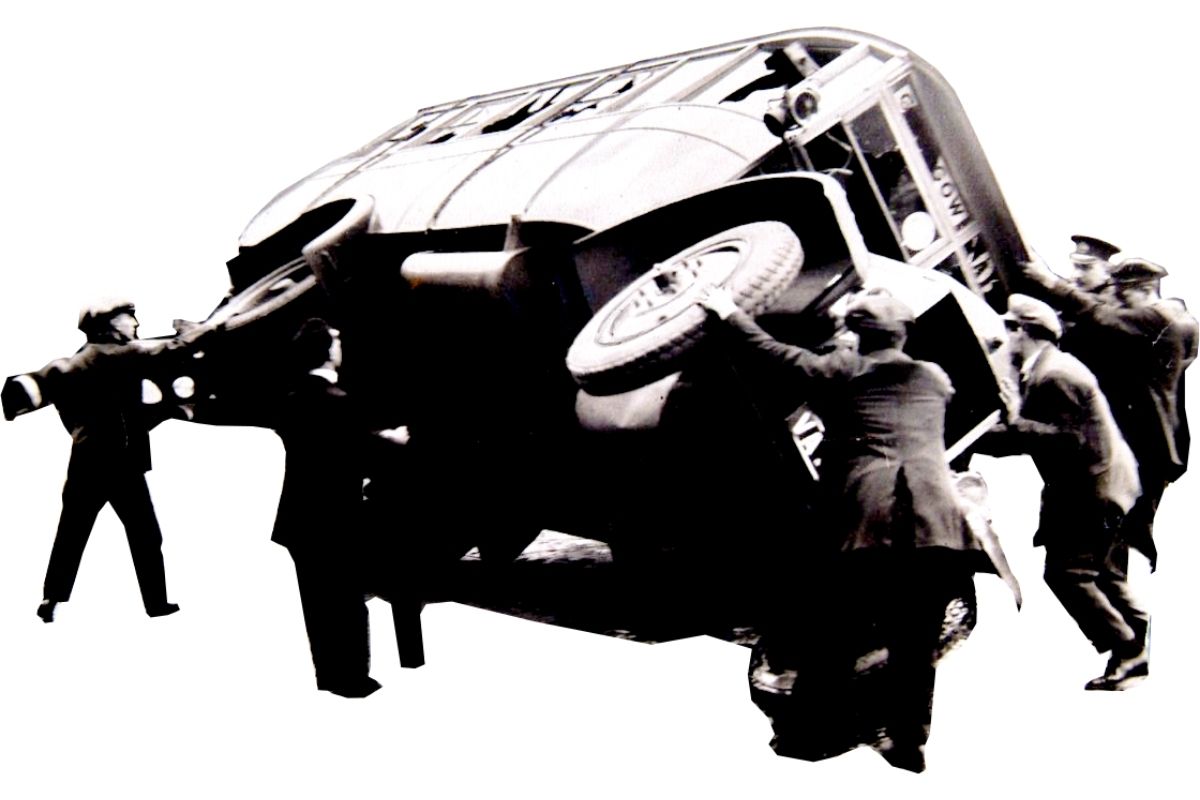
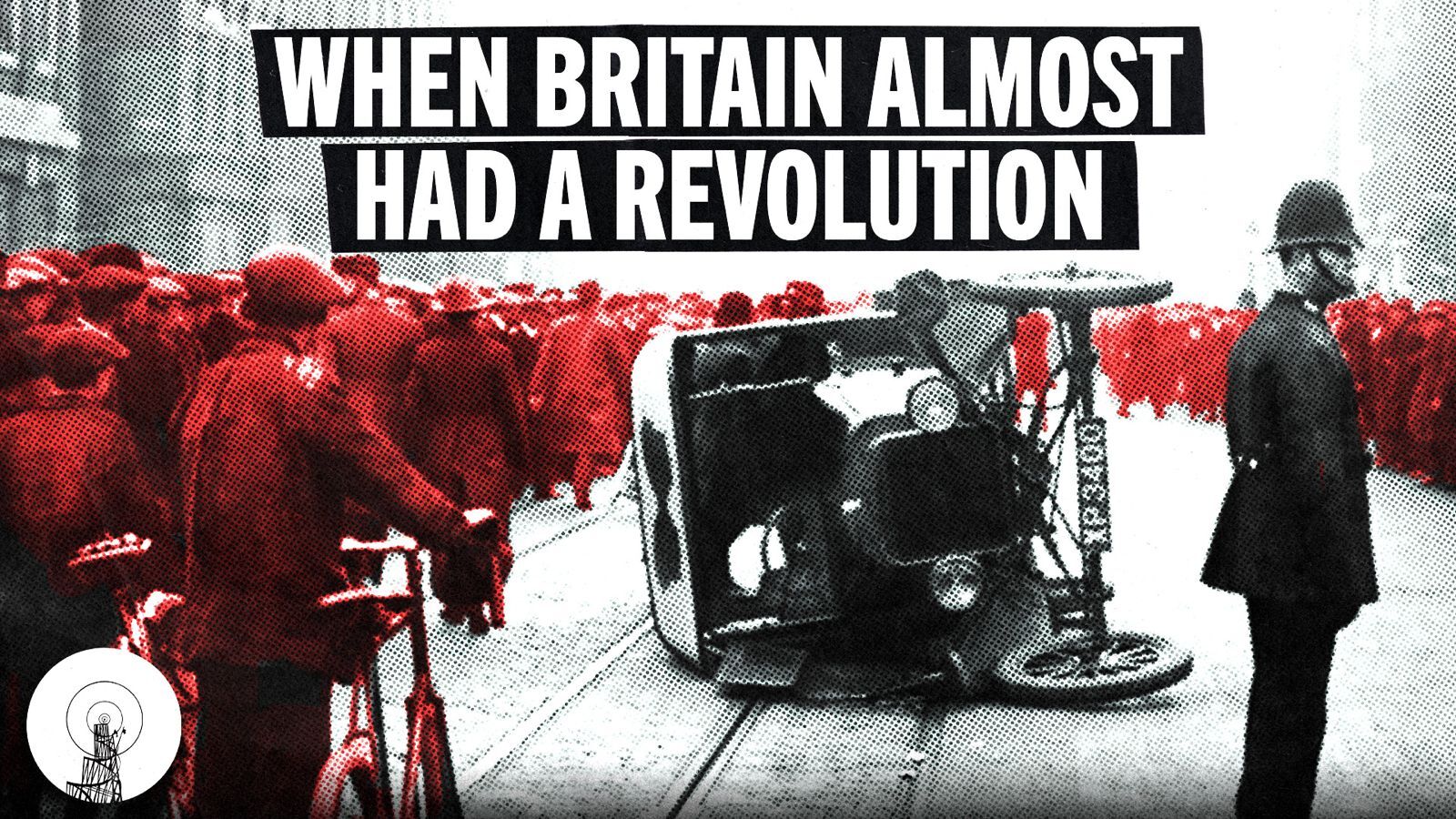
10 May would also see three serious rail accidents resulting in four deaths due to the sloppy operation of OMS volunteers. The express train to Edinburgh, the Flying Scotsman, was derailed near Newcastle, after a section of track had been removed by pickets and the volunteer driver failed to brake in time. Three were killed in a train accident when a passenger train ran into a goods train between Berwick and Edinburgh. And a goods train ran into a passenger train at Bishop’s Stortford derailing two carriages and killing one man.
The British Worker, reporting the following day, commented “These accidents – all within the space of 24 hours – are a grim commentary on the claim of the companies and the government that something like a “normal” train service is being restored.”
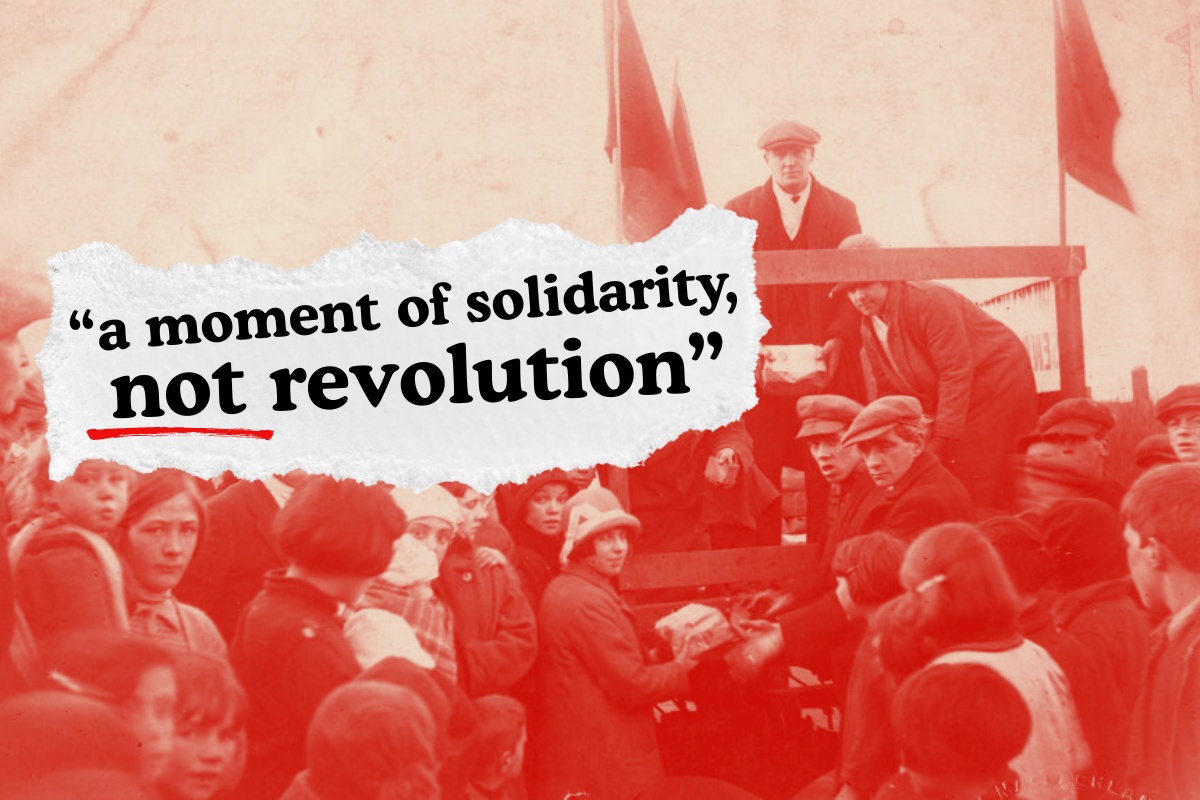
Despite the enthusiasm and determination of the strikers, the overwhelming mood amongst the trade union leadership was one of resignation and desire for a surrender. For the TUC leadership, who had never wanted a strike in the first place, the movement was threatening to move far beyond their control. The pages of the British Worker insisted again and again that the strike did not seek to challenge the constitution and was purely an industrial dispute over the conditions of the miners, the very miners they were negotiating to betray!
Miners’ secretary A. J. Cook recalls of the negotiations “The TUC Negotiating Committee continued in their feverish desire to lift the General Strike without securing protection for the miners. And, as has since been learnt, without even securing protection for their own members against victimisation.” This crisis of leadership would soon burst to the surface.
Find more articles in our series ‘The 1926 General Strike as it happened’.