Between August 1925 and May 1926, battle lines were drawn on the field of class war.
On one side stood the owners of capital, with the might of the British state behind them. On the other stood a powerful organised labour movement, albeit with a hesitant and compromising leadership.
On 1 August 1925, British miners threatened to trigger a general strike in the face of wage cuts and longer hours. The bosses backed off and granted the miners a temporary reprieve: a workers’ victory that became known as Red Friday.
The bosses’ attacks were suspended for nine months. The government subsidised miners’ wages, while an investigation known as the Samuel Commission evaluated the mining industry.
The Commission was a stitch-up. Populated by a ‘who’s-who’ of the British establishment, keen to extract as much profit from the mines as possible, its report would inevitably favour wage cuts. Nevertheless, the naïve trade union leaders put their full faith in it.
The threats of bosses’ cuts and workers’ strikes that had led to Red Friday did not disappear in the following nine months. In fact, they grew.
The government subsidy for wages would run out on 1 May 1926. The date approached with the explosive expectancy of a ticking time-bomb.
Throughout this time, the Trades Union Congress (TUC) leaders invested their time, not in preparing for battle, but in trying to convince the Samuel Commission that wages should not be cut. They failed miserably.
In March 1926, the Commission demanded the subsidy ended, wages cut, and working days lengthened. This should have come as no surprise, but it hit the labour leaders like a bolt from the blue.
To enforce this, the mine owners announced a lockout for 30 April to coincide with the end of the subsidy, leaving miners without work until they accepted wage cuts. The miners flatly refused, and appealed to the rest of the labour movement for support. Talk of a general strike was once again in the air.
The government had spent months preparing for battle. Throughout April, it assembled an army of scabs disguised as the Organisation for the Maintenance of Supplies (OMS) to break a general strike.
Meanwhile, the TUC leaders tied themselves up in fruitless negotiations with the bosses and the government. They refused to commit to a policy of strike action because the crisis (apparently) wasn’t serious enough!
But the situation had a logic of its own. The first stumbling, irresolute step forwards was taken when a Special Congress of the TUC was called on 29 April. Still haunted by the spectre of compromise, the Congress continued to equivocate.
But by 1 May the real situation could no longer be ignored. The TUC voted to back the miners with a general strike.
The hopelessness of the TUC leaders was shockingly revealed the very next day. They went behind the backs of the miners and attempted a further negotiation with the government, with the aim of calling off the strike before it had even begun!
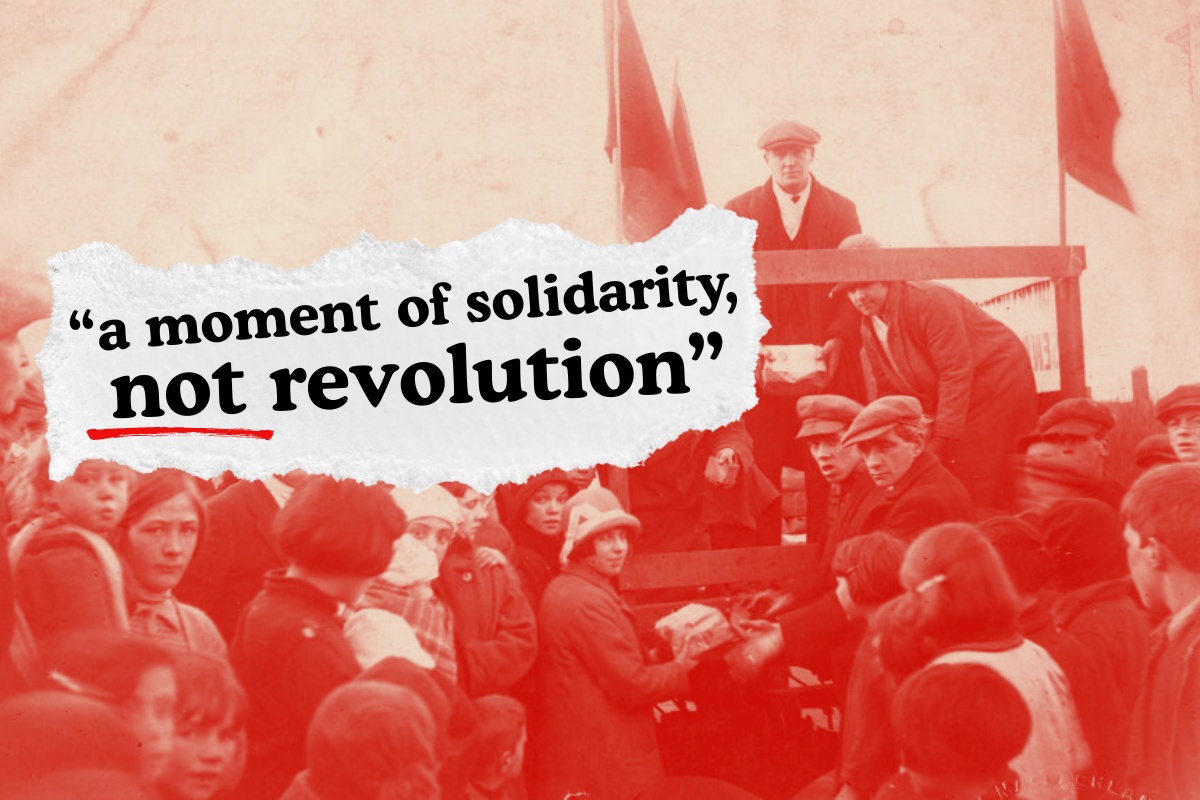
Whilst the labour leaders whispered behind the scenes, the London printers dispelled the anxious tension with an act of spontaneous solidarity. They refused to print the Daily Mail editorial, ‘For King and Country’, which endorsed strikebreaking.
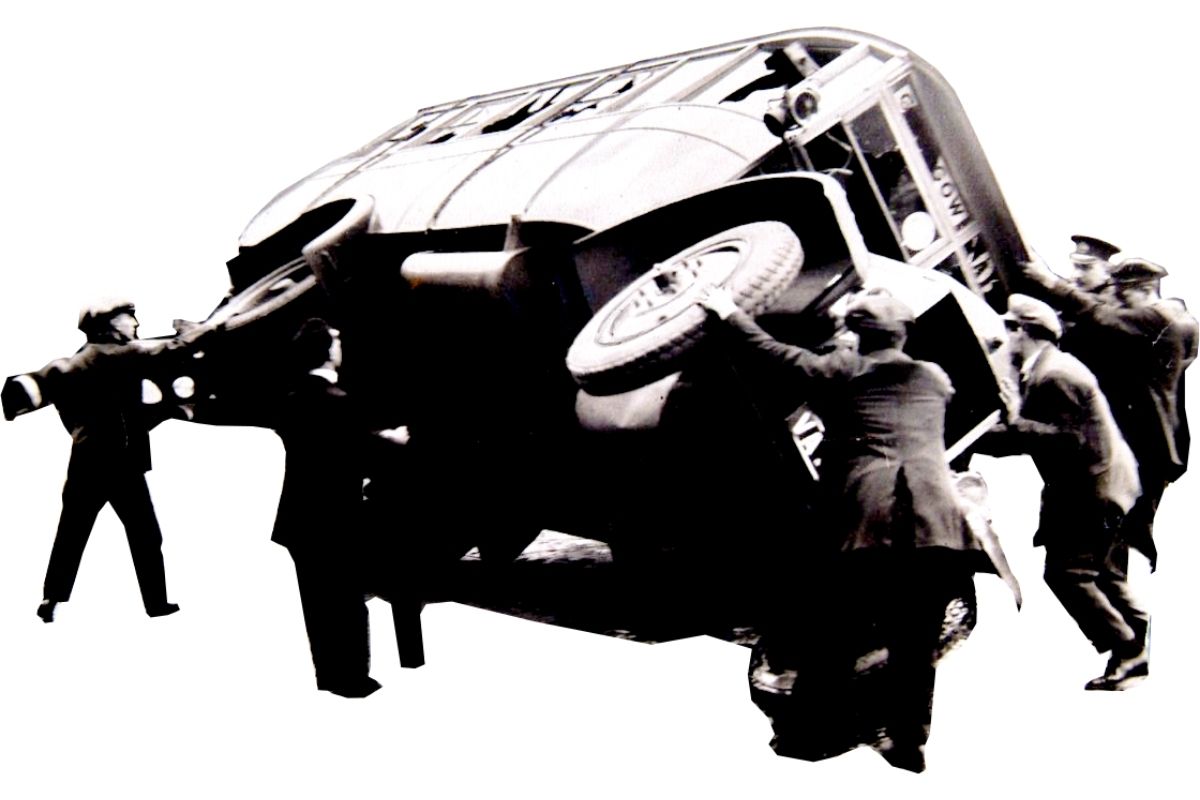
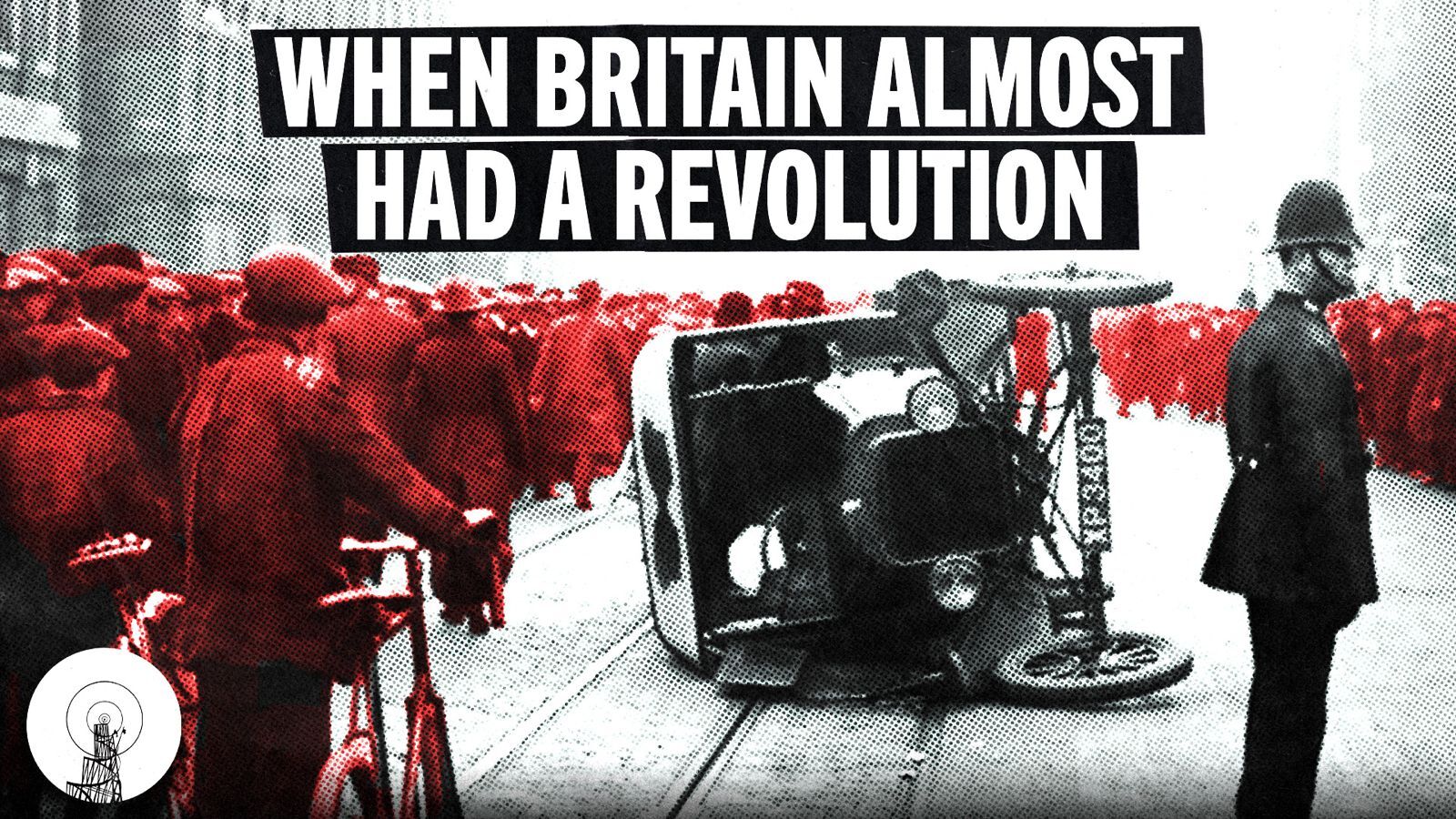
The situation leapt over the heads of the cowardly trade union leaders who had been trying to avoid a confrontation. The heroic printers were the first domino. Millions of workers followed them into action. The General Strike had begun.
Find more articles in our series ‘The 1926 General Strike as it happened‘