
Kenny McGuigan
It is with great sadness that we have to report the death of comrade
Kenny McGuigan following a long struggle against an increasingly
debilitating illness. We will post a full tribute to him shortly but in
the meantime we join with many others in expressing our condolences to
his family and friends at this dificult time. He was a great and much
loved comrade, Marxist and class fighter who truly will be missed.
Bolshevism and Stalinism
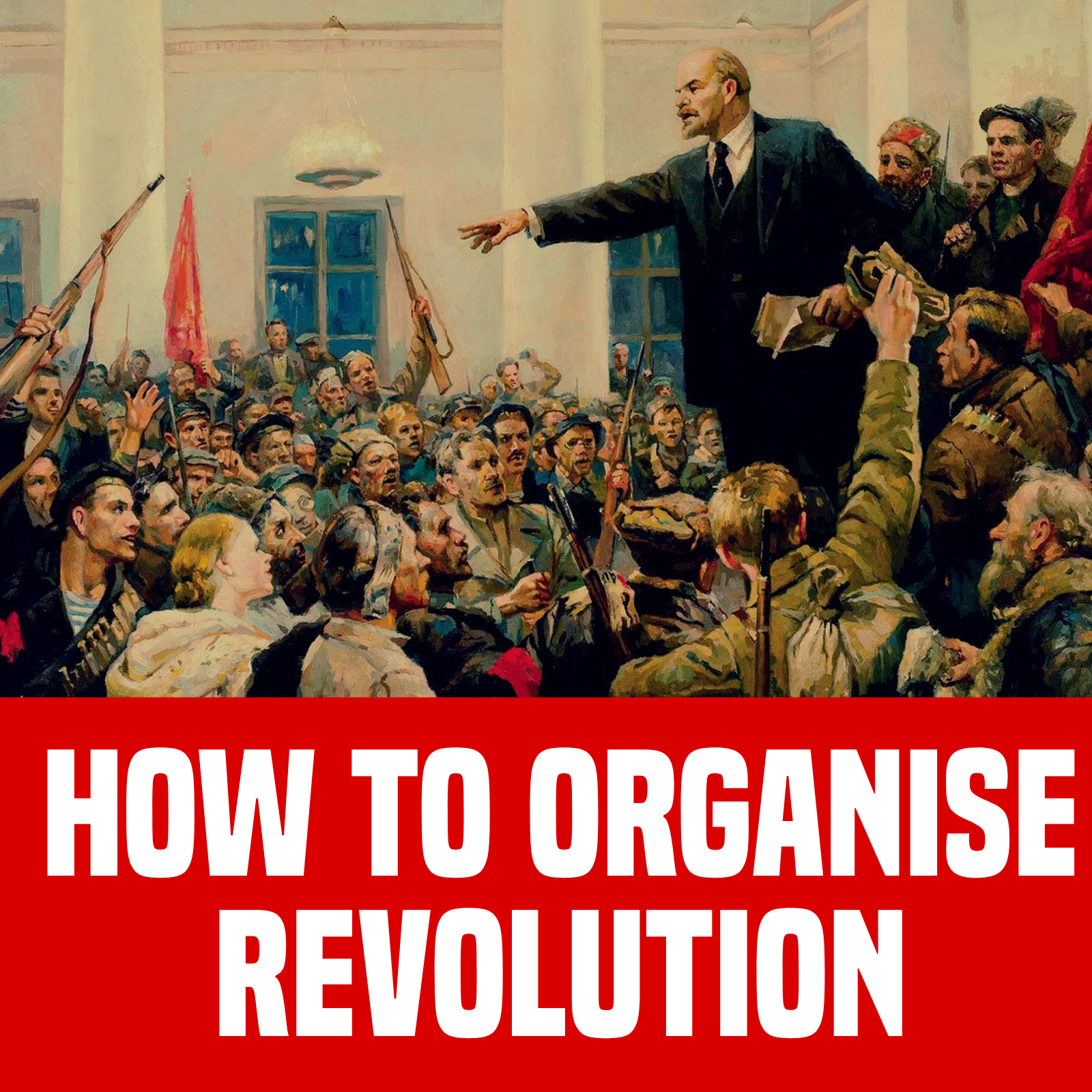
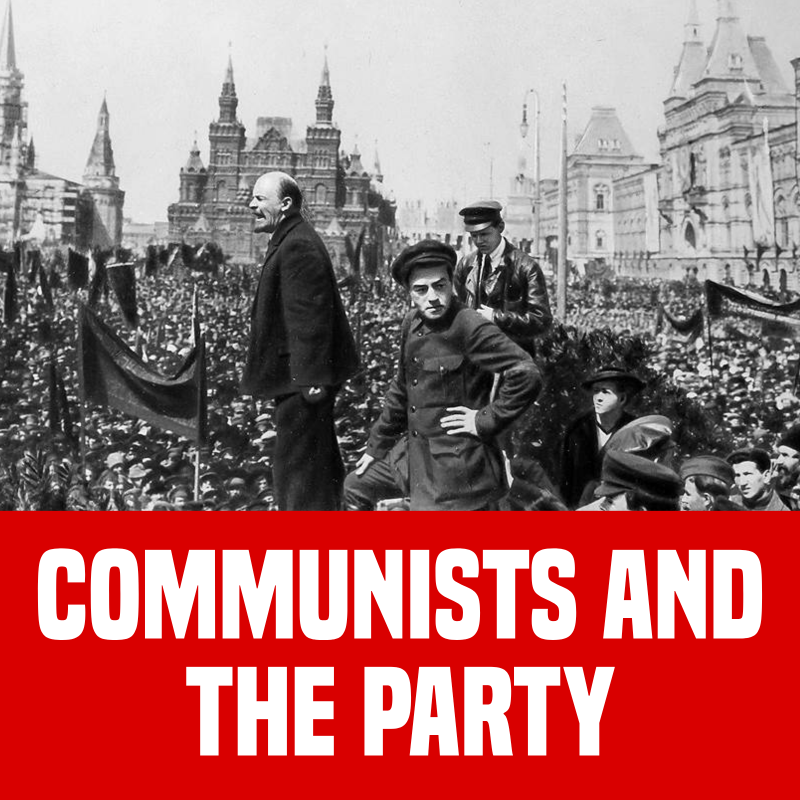
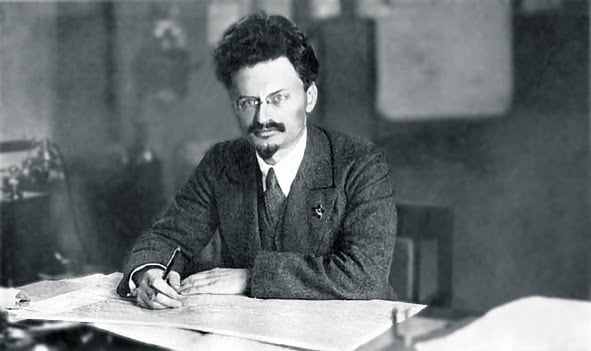
The history of the Russian Revolution is intimately associated with the names of Lenin and Trotsky, its two great leaders. They attracted all the praise and they bore all the hatred. The reason for this is not difficult to understand. The October Russian Revolution, led by the Bolshevik Party, was the greatest event in history. For the first time, the workers and peasant took power into their hands, swept aside the landlords and capitalists, and proceeded to organise a democratic workers’ Soviet Republic.
The authority of the new Soviet government rested upon a congress of soviets (workers’ committees) elected from factories and barracks.
Bill Landles: 65 years a revolutionary … and counting!
Comrade Bill Landles is 85 on October 26th. By
coincidence, in the old Russian calendar that is also
the date of Trotsky’s 130th birthday and the
anniversary of the Russian revolution. This is highly
appropriate because Bill has devoted the whole of his
thinking life to the cause of the October Revolution
and the ideas of Lenin and Trotsky.HAPPY BIRTHDAY BILL!