
The recent political theatre from Channel 4’s investigation into Reforms dodgy dealings has led to a doubling down in support from Farage’s crypto and property billionaire pals.
£36 million each was pledged by crypto billionaires Ben Delo and Christopher Harborne to support Reform. These are the two largest political donations in British political history.
These ultra-wealthy donors plan to increase their influence over Reform by helping to build the party’s infrastructure – while likely hoping to keep Farage out of any more dodgy dealings for the foreseeable future.
Establishment turns the screws on Reform – but is Farage finished?
Establishment hypocrisy
These hefty donations have caused an outcry in the liberal mainstream media about the ‘injustice’ of rich individuals donating large sums to political parties.
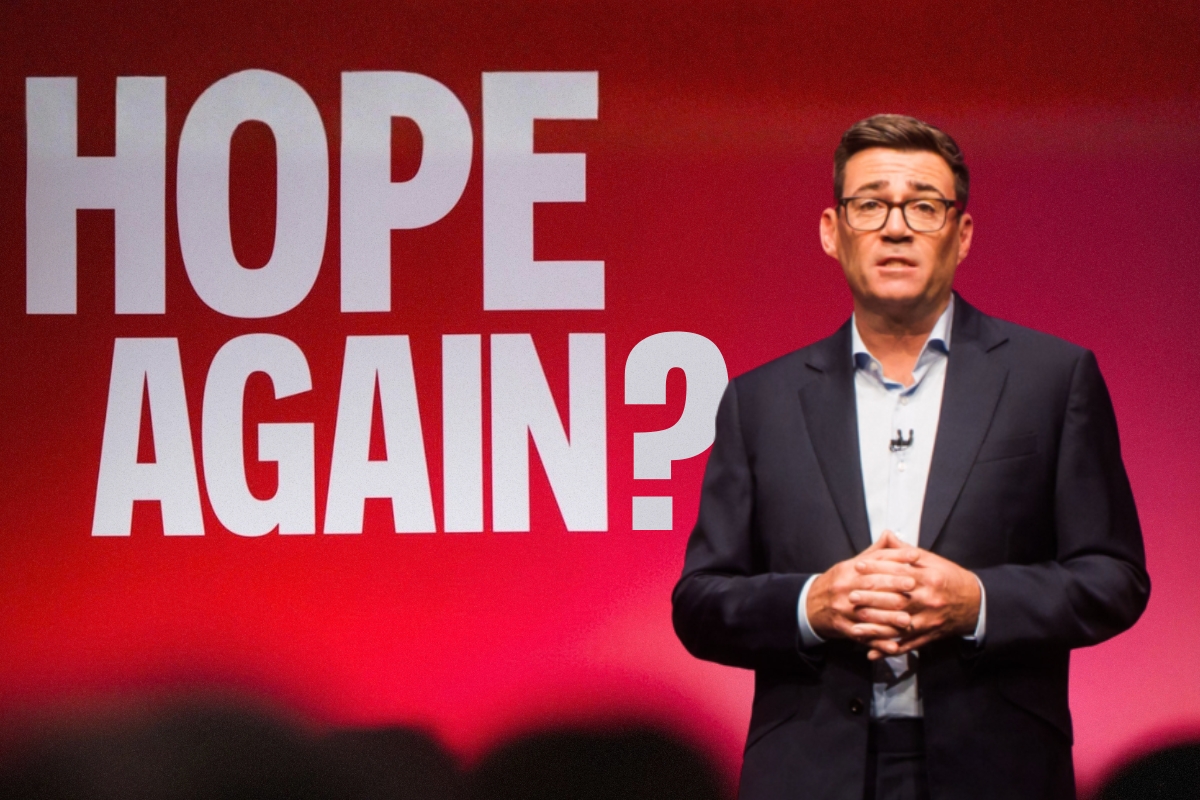
We might ask where this outrage was when billionaires Lord Sainsbury and South African businessman George Lubner donated six-figure sums to Andy Burnham over the summer, or when Wes Streeting received up to £200,000 in donations from private healthcare companies, Palantir lobbyists, and arms-industry investors?
The Labour Party seized on this latest debacle to try and nullify Reform’s donations – but without injuring their own party finances in the process.
In particular, Labour put forward the ‘Representation of the People Bill’ after the review conducted by Phillip Rycroft on the illegitimacy of particular kinds of funding, in the interests of “countering foreign financial influence”.
The strategy adopted by Burnham’s government has been to try and block Harborne’s £36 million donation by making it illegal for British citizens living overseas to donate more than £100,000, and then applying this law retrospectively. But this won’t prove so simple.
The bill may stop Harborne’s donation, but only for a limited time. There is a fairly simple workaround: if Harborne changes the address on his voter registration form to being within the UK – which he has already done a few months back – registration officers will likely have little power to stop any other donations coming through. Even if Harborne stays in Thailand, they can only use bank statements or utility bills to determine his primary residence.
Labour in a bind
This latest measure hasn’t settled the debate around political donations, however. Pressure is growing within the Labour Party for more legal regulations.
One Labour backbench MP tabled an amendment to the aforementioned Bill, proposing a blanket cap (i.e. on domestic donors, as well as foreign) for individual donations at £100,000 per person per year. Labour peers, meanwhile, suggested a more modest sum of £50,000.
Stella Creasy, “Reform UK has accepted £9 million in donations this year alone”
“If we wish to defend our democracy and make sure all voices can be heard equally, we need to make sure that it’s not money that talks”
Andy Burnham, “We do need to go further” pic.twitter.com/EMLDjXgPJ8
— Farrukh (@implausibleblog) September 1, 2026
But the government has so far declined to back these measures, given Labour’s own reliance upon large donations from both business leaders and the unions. Such a response might risk Labour shooting itself in the foot, financially speaking.
Paul Nowack, general secretary of the Trades Union Congress (and a newly-made director of the Bank of England, in case anyone missed it) was also critical of the idea of a cap, claiming it would be a “step backwards”, as it would reduce the influence of the union leaders over Labour.
BOUGHT AND PAID FOR: Why did Andy Burnham back unlimited political donations? 💸👇
When crypto-billionaires poured £14 million into Nigel Farage and Reform UK, Labour promised the Representation of the People Bill would finally clean up dark money in Westminster.
Instead, the… pic.twitter.com/HxMoqK5Mgo
— Canary (@TheCanaryUK) August 27, 2026
Built on corruption
Even if such regulations were introduced, the toothless regulatory bodies would be powerless to do anything about any infractions.
James Orr, one of the men exposed facilitating Reform’s dodgy donations, reassured the undercover investigators that the Electoral Commission is “useless” and “so dumb and ineffective”. And it’s true!
Time and time again this has been proven to be the case. Whether it’s Dan Jukes bragging about lists of names of people who donate illegally to Reform; or Nathan Gill’s Russian bribe scandal; or the expenses scandal, Starmer’s freebies, or the Paterson affair: any corruption that does come to light is rarely met with more than a slap on the wrist.
Why is Labour sidestepping any real action to stem political corruption? Because they know that they also need the rules to be flexible in order to function – just as much as Reform does.
One recent article from The Economist shed light on this conundrum, candidly pointing out that “impoverished British parties [!] are barely able to prepare for power… Politics would benefit from a wider pool of public-spirited donors to fund the lawyers and wonks who prepare parties for office.”
Cash-strapped workers will rightly feel little sympathy for Britain’s “impoverished” parties. But this bourgeois journal is expressing something true, from the point of view of the capitalist class: politics relies on donations – alongside lobbying, ‘gifts’, and other means – to ensure that the establishment parties will carry out the interests of the big business.
Ultimately, therefore, any efforts to curb corruption on a capitalist basis will be toothless, ineffective, and doomed to failure.