The significance of the Premier League (PL) for the British economy can hardly be overstated.
The PL draws in almost two billion global viewers annually; has a broadcasting revenue equivalent to the rest of the UK’s TV sector combined; and is projected to generate £33 billion between 2025 and 2028.
On top of that, the PL supports over 107,000 full-time jobs across the UK.
However, the biggest scandal in English football history threatens to rock the league to its core – causing yet another headache for its billionaire owners, and even the British government itself.
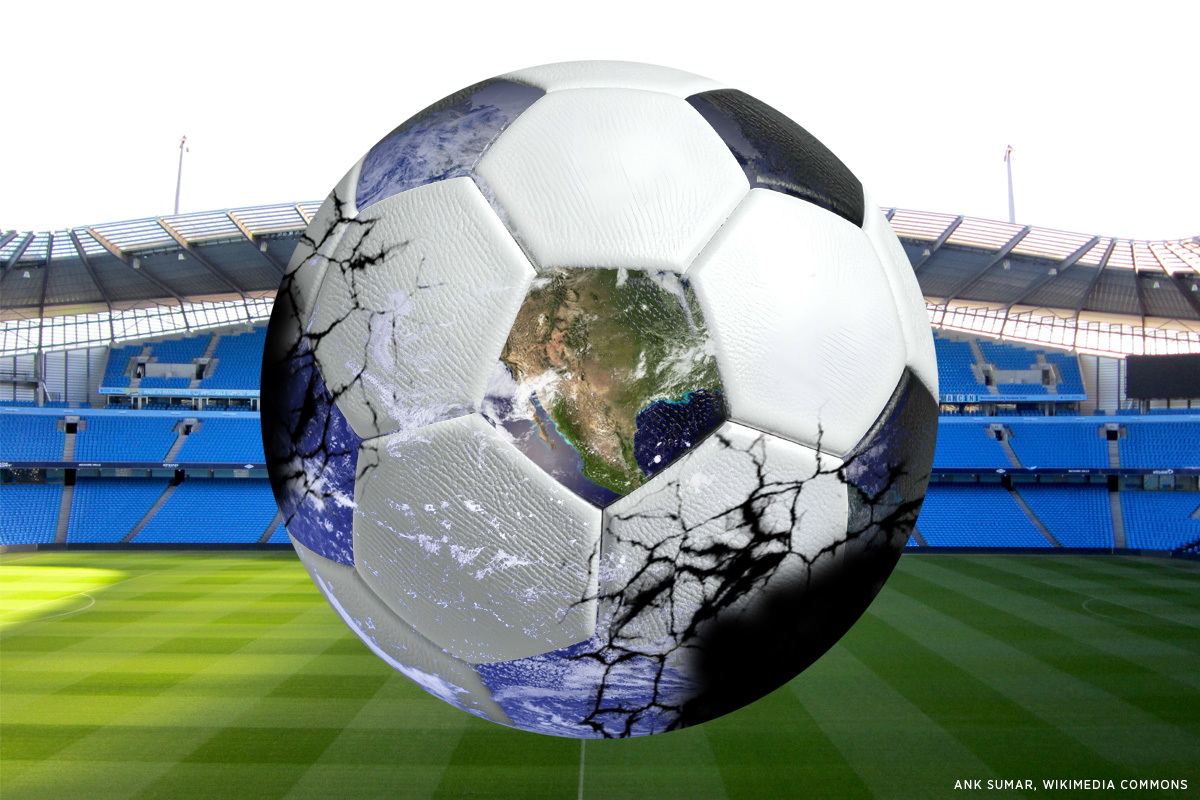
The league’s most successful club in recent years, Manchester City, was found guilty in late September of 114 breaches of PL financial regulations.
The charges included disguising £900 million in direct funding as sponsorship revenue, through ‘sham’ contracts.
The irregular money came from UAE Vice President Sheikh Mansour bin Zayed Al Nahyan, who bought Manchester City in 2008 through the Abu Dhabi United Group for £200 million.
This was part of a broader strategy by the Emirati ruling class to invest their oil wealth across the world – including into sports – to create a more sustainable portfolio.
They followed in the footsteps of the Russian oligarch Roman Abramovich, who had bought Chelsea FC for £60 million in 2003.
The rise of Man City
The Emiratis knew they had to invest massive sums of money into Manchester City in order to compete in the Premier League, and so they did.
City’s enormous new budget allowed them to buy new players who helped win the FA Cup in 2011 and the Premier League in 2012.
This success sounded alarm bells for the footballing establishment, which had initially set up the Premier League precisely to protect the interests of the highly-profitable handful of top clubs.
As a result, in 2013, the Premier League introduced extra measures to restrict clubs directly spending their owners’ wealth, and to curb the rise of clubs like Chelsea and Manchester City.
These measures had nothing to do with ‘levelling the playing field’, as the league’s owners might claim, and everything to do with protecting the more established clubs.
Today, those restrictions also prevent the billionaire owners of Aston Villa and Newcastle United from spending their money, as other clubs’ owners had done in the past.
The new ‘Financial Fair Play’ (FFP) legislation served to restore the balance in favour of the old order – formerly dominated by Manchester United, Liverpool, and Arsenal – which had been disrupted by the Russian and UAE-backed ‘nouveaux riches’.
Those ‘vieux riches’ clubs – together with Everton and Tottenham Hotspur – were originally part of the ‘big five’ that spearheaded the creation of the Premier League as a limited company in 1992.
The Premier League
Far from representing a ‘free market’, the Premier League was characteristic of British capitalism’s senile decay.
The old Football League, which had operated since 1888, was hijacked and broken apart so that the owners of its most successful clubs could keep TV earnings for themselves, rather than distributing it among the lower divisions as was done before.
Tottenham’s then-chairman Alan Sugar encouraged Rupert Murdoch – through his BSkyB media empire – to blow ITV “out of water”, with a huge £304 million bid for broadcasting rights which were retained exclusively until 2006.
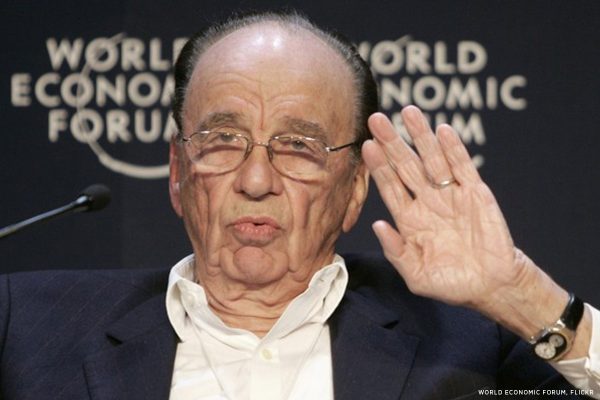
The idea was that English football’s elite would band together to consolidate their position and protect their interests: cashing in on Britain’s shift towards media, services, and finance; and working alongside the likes of Murdoch and Sugar.
But City’s recent dominance in English football – in particular between 2016 and 2026 when the club won 20 major trophies – put a spanner in the works for the PL’s ‘cartel clubs’.
In the end, the PL had to make an example out of City and their Emirati owners, and thus undertook its largest-ever disciplinary proceedings against them.
International shockwaves
The results of those proceedings have sent shockwaves throughout international football. Once you start poking at the dirty tactics of one the biggest players in the game, who else might you find rolling in the mud?
Every football league has financial rules in place to ‘level the playing field’. But the reality is that the 20 biggest football clubs in the world – which are all valued at £1 billion to £10 billion each – can easily crush their competition through 101 dodgy deals, and the sheer volume of their revenue and transactions.
In 2022, for example, the European football governing body (Uefa) fined Paris Saint Germain (PSG) €10 million for breaking FFP, with a pending €55 million if the club did not comply (which was never charged).
But €10 million is only about 1.2 percent of PSG’s annual revenue. For PSG’s owners, Qatar Sports Investments, it is just part of the cost of doing business.
Every fan knows that the recent allegations regarding City are just the tip of a very big iceberg.
Political ramifications
In the case of Manchester City, however, the matter may yet go beyond fines. Relegation, and a ban on signing on new players (if the uncertainty even allows them to) are all on the cards.
These potential sanctions, however, have opened up a can of worms in British politics and international relations. The club has launched an appeal; and its sponsors, such as Etihad Airways, have threatened their own legal action.
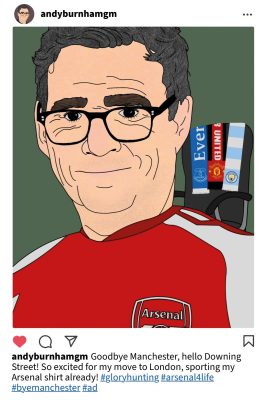
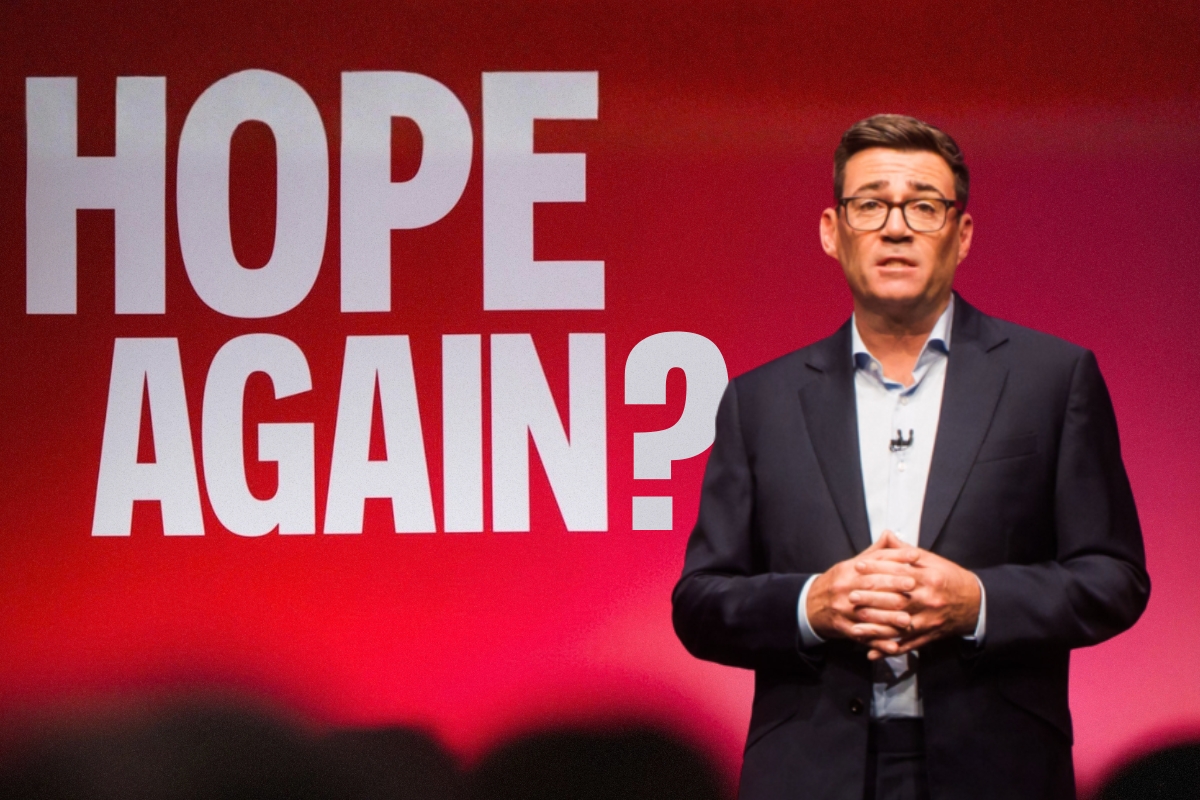
Even UK-UAE relations are under threat, as the Emirati ruling class has threatened to pull billions of pounds in investment from Britain. For the British ruling class, however – and its political representative in Andy Burnham, who promises magical economic ‘growth’ – any loss of investment presents a major problem.
Burnham himself has ties with City’s owners thanks to his previous position as Mayor of Greater Manchester. Emirati money is part of what created the mythical ‘Manchesterism’ – the supposed ‘economic rejuvenation’ of the city – on which the ‘King of the North’ built his reputation.
Justifiably, therefore, football fans have attacked what they call Burnham’s “extraordinary intervention” in favour of the club’s billionaire owners, in which he commented that he would be “really concerned to lose them”.
As usual, therefore, the Prime Minister will be ‘damned if he does, damned if he doesn’t’ – squeezed on all sides by international relations; by different factions of the ruling class; by different football teams; and most importantly, by the antagonism between billionaires and workers.
This crisis is yet another indication of the volatility of the political situation – where even commenting on football can create major complications.
The floodgates are open
The Abu Dhabi United Group may be forced to sell. But they will be well aware of corruption in the rest of the Premier League, which they may attempt to expose in order to discredit it.
More shocks and revelations are inevitable, and Burnham’s government will be pulled into this sleazy tit-for-tat.
The rot in English football runs deep, and this legal battle may open the floodgates – causing significant collateral damage for one of Britain’s last major exports.
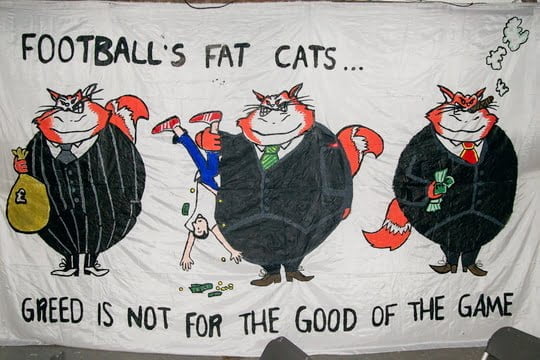
Until fans own and democratically run their clubs, there will be countless more examples of abuses and corruption by the billionaire owners – whether British, Emirati, American, or otherwise.