‘The Mountain’: Gorillaz celebrate internationalism
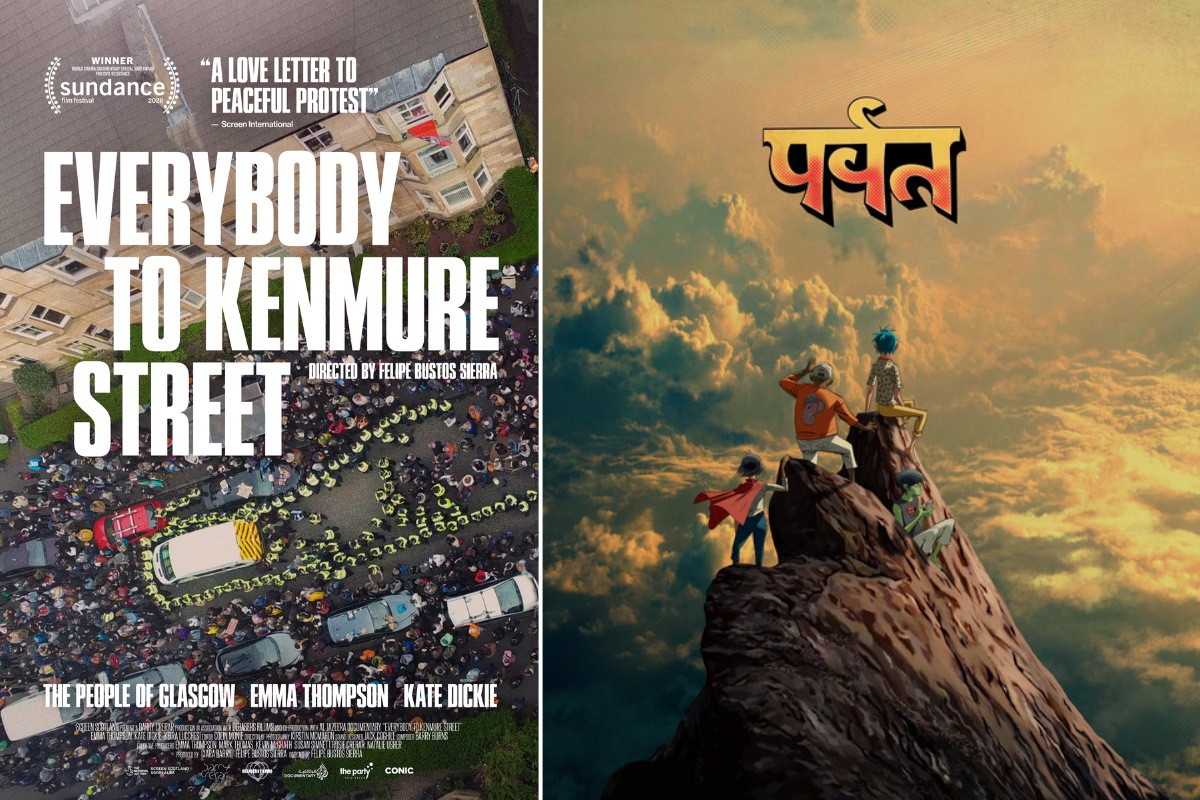
The virtual band Gorillaz delivers a vibrant and truly international celebration of life, death and rebirth with The Mountain: an album that melds western pop and India’s rich musical tradition with the greatest success since George Harrison first picked up a sitar.
Fans of modern Indian music will be delighted to hear Ajay Prassana playing the bansuri (flute) on the sublime instrumental opening track, while the sitar work of Anoushka Shankar, daughter of the great Ravi Shankar, is all over the project.
There are other influences as well, including Latin hip-hop on ‘The Manifesto’ and Syrian dabke on ‘Damascus’. A spirit of internationalism animates the record, which features no fewer than six languages: English, Hindi, Arabic, Spanish, Yoruba, and Russian.
Political ruminations about demagogy are evident on ‘The Happy Dictator’ and ‘The Plastic Guru’, while ‘The Sad God’ takes the perspective of a deity lamenting man’s potential being perverted by war and greed.
But the main theme of the album is human and universal: grief, with Gorillaz composer Damon Albarn and illustrator Jamie Hewlett having been inspired by the near simultaneous passing of their fathers.
Posthumous appearances from former collaborators like Mark E. Smith and Bobby Womack underscore the idea of cherishing and immortalising what people leave behind, rather than simply lamenting their absence.
The album’s accompanying short film The Mountain, The Moon Cave and The Sad God, was meticulously animated over a period of 18-months, in a deliberate assertion of the superiority of the human touch over vacuous, AI-generated slop.
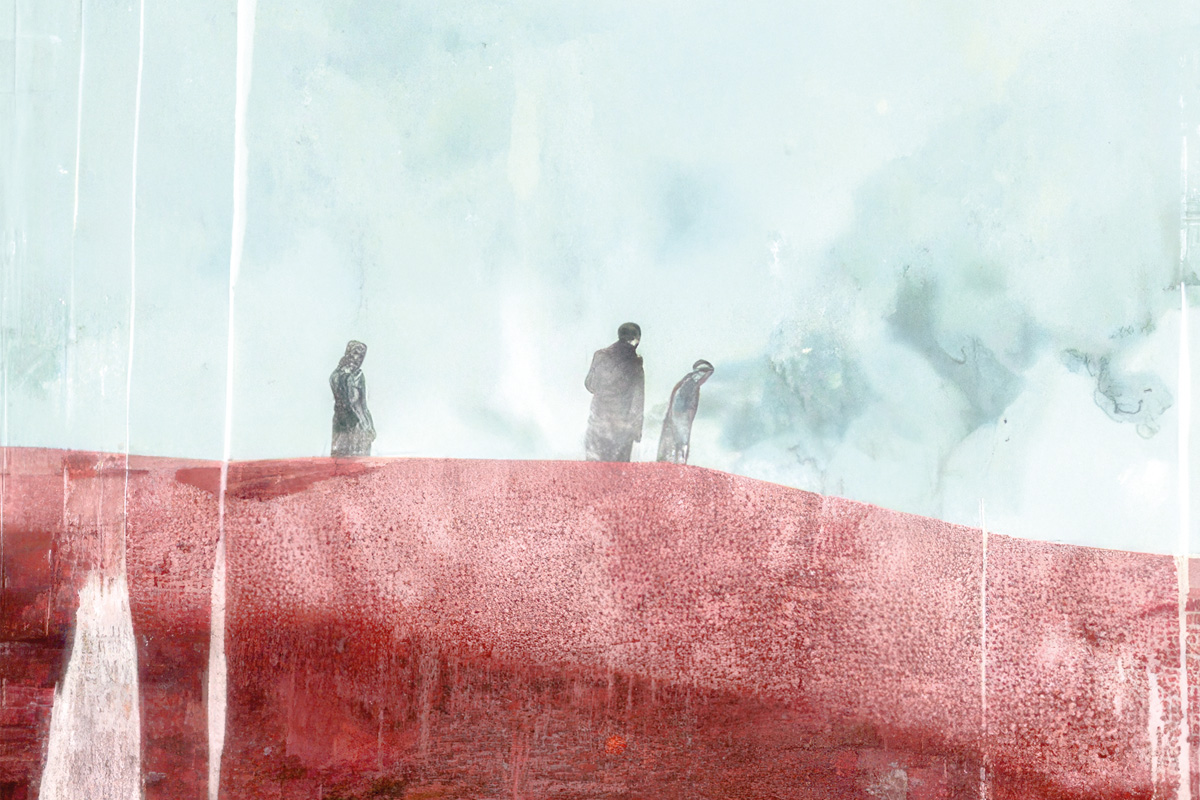
The film depicts the fictional band members on a surreal journey across India, passing such locations as Varanasi, a city where the dead have been prepared for cremation for over 3,000 years; culminating in the Ganges, where their ashes rest. It’s a beautiful visual poem which, paradoxically, feels very life affirming.
In a time where a handful of vicious parasites are tearing the world apart, The Mountain is a testament to the beauty and insight that can arise from the interaction between artists from diverse traditions, exploring experiences that unite us all.
‘Fall of Eagles’: Monarchies, Marxists, and the masses
Maeve Hanley, Sheffield
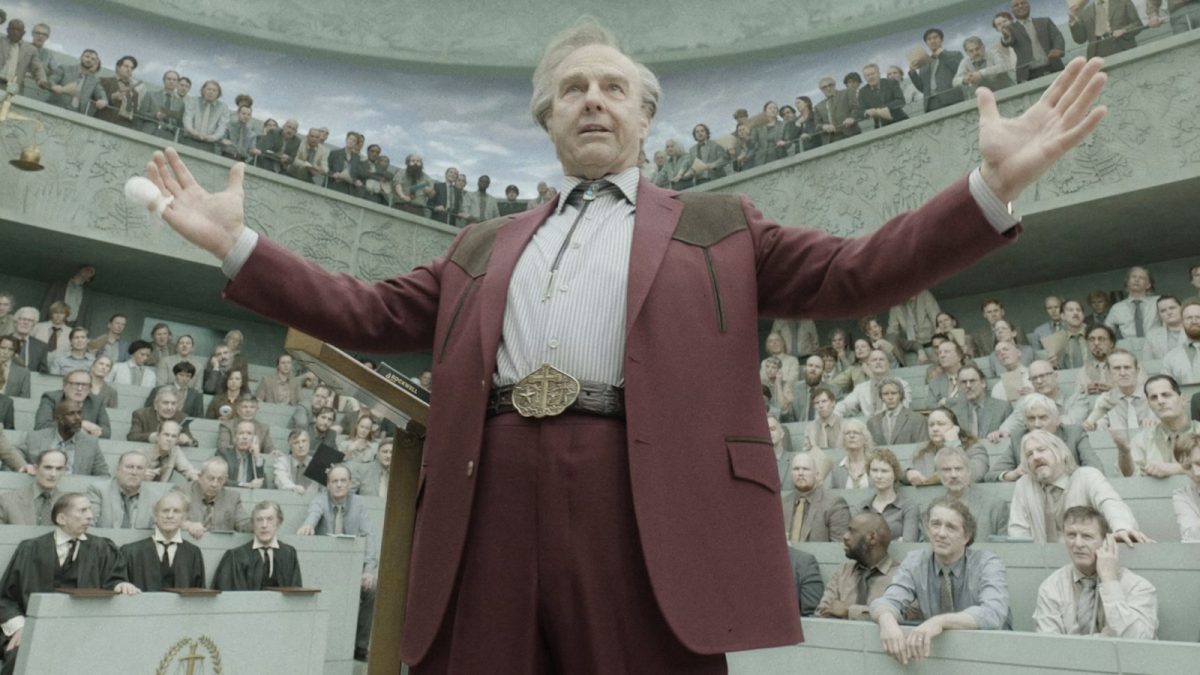
I recently watched Fall of Eagles, a British historical drama from the 1970s that follows three monarchies – the Austrian, the German, and the Russian – through their last years and subsequent downfall.
I’m sure some comrades might already be aware of it since it has Patrick Stewart playing the part of Lenin!
The drama takes place in what is mostly a series of rooms containing very few people – and yet it manages to give a great sense of events unfolding beyond these settings.
The magnitude of these events, unfolding dynamically beyond the room’s walls and the scope of the camera, presses in and subjects the characters to their logic.
To my knowledge it is mostly faithful to the events it covers; frequently, the fictionalised characters will directly quote their real counterparts. In particular, it covers Father Gapon’s accidental rise to the head of the 1905 Revolution in Russia very well.
When it comes to Lenin and the Bolsheviks, it has to pick and choose what to cover.
Starting with Lenin’s involvement in the early Marxist circles and the RSDLP, it moves to Trotsky first meeting Lenin in London, and runs all the way to Lenin arriving back in Petrograd by train in 1917, welcomed by red banners. This is the last scene he is in but really drives home the feeling of history being made.
Lenin is depicted as a firm and decisive man – not the brutal caricature we’re so used to hearing about in the capitalist press (although there are some hints to such depictions that slip through the cracks).
Despite some minor inaccuracies, I think it could be an entertaining watch for comrades looking for a drama which deals with this important period of history.
My main takeaway from the series was that it portrays fairly well this idea that Trotsky once explained:
“The office of kingship is an interrelation between people. The king is king only because the interests and prejudices of millions of people are refracted through his person.”
‘Fall of Eagles’ is available to watch for free on YouTube.
‘Everybody to Kenmure Street’: A story of Glaswegian class struggle
Ami, Edinburgh
Felipe Bustos Sierra’s new documentary Everybody to Kenmure Street tells the story of how Glasgow’s Pollockshields neighbourhood resisted a Home Office ‘dawn raid’ during Eid in May 2021.
What began as a single man delaying the police by placing himself beneath their vehicle soon grew to a large crowd which could push demands upon the police – and which successfully prevented the arrest of two long-term residents.
Sierra intertwines footage taken by protestors on the day with retrospective interviews of different participants, and places these alongside montages of Glasgow being built and its history of resistance.
Social media plays a central role – not only in providing the necessary footage for the documentary itself, but as a tool to get the word out in the heat of the struggle. This sheds light on a different element of social media’s part in the class struggle to those emphasised in other contemporary documentaries like Louis Theroux’s Manosphere.
In the interviews, the residents’ pride in their collective action shines through. A father describes his children’s excitement to hear again the fairytale of when their neighbourhood sent the “baddies” home.
Here, the documentary is able to capture the importance of not just the event itself, but how it continues to shape the consciousness and confidence of its participants and the community.
And ultimately the documentary’s powerful re-telling is driven by its construction of this multitudinous voice – entirely unlike the media’s sterile coverage of the event at the time.
The result is an excellently layered portrayal of the spontaneous, organic action of neighbours who did not expect to confront the police on a peaceful Eid dawn. Grounded in the rich soil of a wider Glaswegian class struggle, Everybody to Kenmure Street offers an account of struggle both human and heroic.
‘Everybody to Kenmure Street’ is being screened at select cinemas.