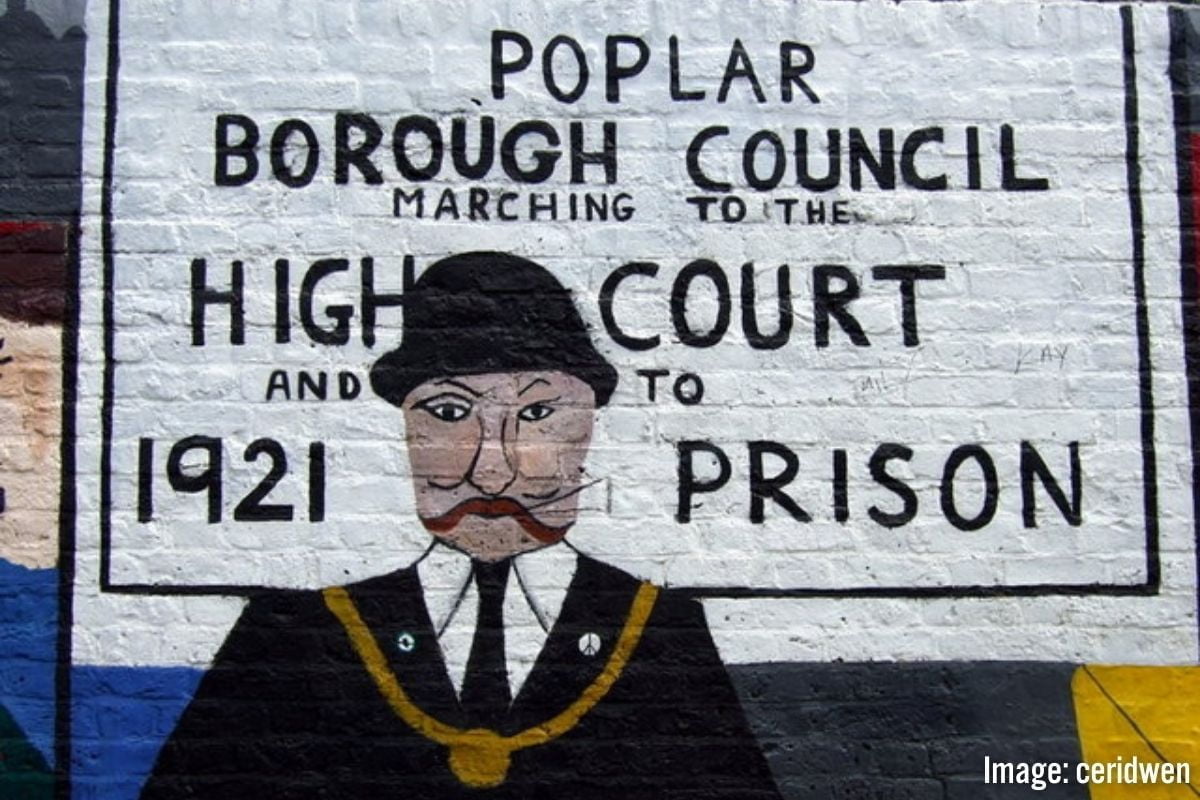
The Stand In Poplar 1921
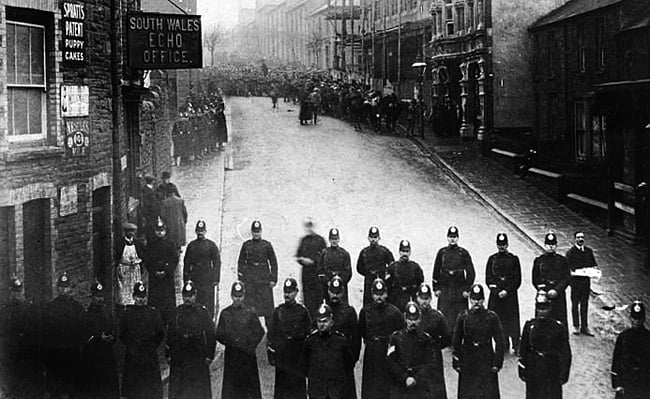
As councils meet to vote through cuts, Ben Peck looks back ninety years to the heroic example of the Poplar councillors.
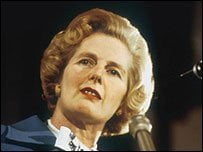
The Tory government headed by Margaret Thatcher was elected in May
1979, faced by the most serious crisis British capitalism had seen
since the Second World War – untill now. Thatcher was determined to
confront the working class and put the burden of the crisis on their
shoulders. That is exactly what the Tories want to do now.
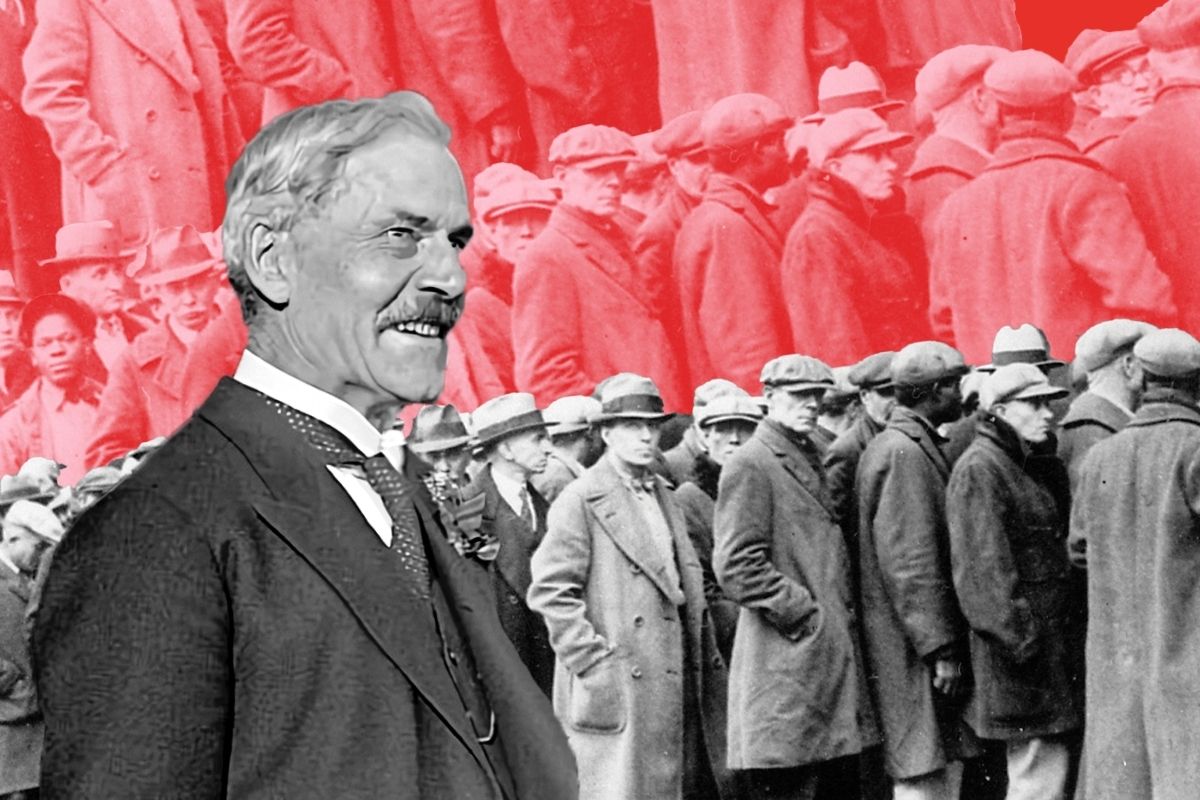
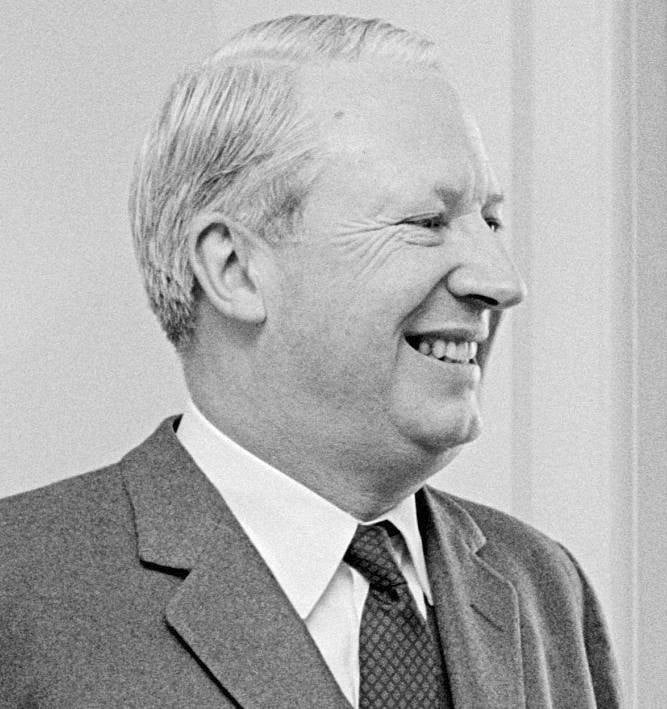
Ted Heath’s plans went very "agley" in the early 1970s, and he had a Tory
parliamentary majority that Cameron can only dream of. The volatility
of the world in 2010 means that this new Tory/Lib Dem government will be a
government of crisis. Certainly the story of Ted Heath’s demise has a
lot of lessons for trade unionists and socialists today.
After the Second World War the advanced capitalist world went through a prolonged period of boom, rising working class living standards and relative class peace. By 1970 it was clear that the boom was coming to an end. The ruling class saw the need to confront the working class and drive down living standards in order to restore their profits. Their chosen instrument in Britain was the Tory government under Heath, elected in 1970.

Over the last 40 years we have had two periods of Tory rule; one was
Thatcher and Major’s period in office from 1979 to 1997. But there was
another period between 1970 and February 1974 when Ted Heath was
installed in Downing Street. The Tory attempts to attack the working
class and attack the workers’ organisations rebounded badly then.
Should Labour lose the next election, it’s clear that an incoming Tory
government would be a government of crisis. An industrial and, at a

later stage, a political response to their attacks from the working
class would be on the cards.
1980 saw the steelworkers become one of the first group of workers to
take on the new Thatcher Tory government, which had been elected in
1979. A union member involved at the time looks back at the action
which marked the start of the new decade.
The following letter from a Socialist Appeal reader was published in The Times
letters page for May 5th as part of a series of responses to an article
on Thatcher’s legacy in a previous issue of the newspaper. We are
reproducing it here for those who missed it.
In 1983 Labour lost the election by a landslide. This gave the right wing in the Party their opportunity to fight back. The New Labour cry that the 1983 Labour Manifesto was the “longest suicide note in history” is utter nonsense. If anything the manifesto was less radical than the 1974 manifesto. There was a huge amount of Tory luck in the 1983 general election, Thatcher had managed to pull off a military victory and the SDP traitors had divided the Labour vote.
"Where there is discord may we bring
harmony…" said Margaret Thatcher 30 years ago this May when she was
elected as British Prime Minister in 1979. Some politicians are remembered for
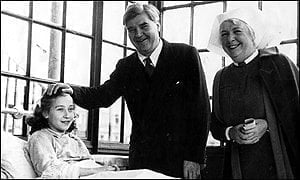
their achievements, in Aneurin Bevan’s case the founding of the NHS; others
like Tony Blair will be remembered as warmongers and traitors to the ideals of
the Labour movement. Meanwhile John Major will be remembered, if at all, for
his ineffectual personality and his blandness. But very few will have been
hated by working people with such intensity as Margaret Thatcher.
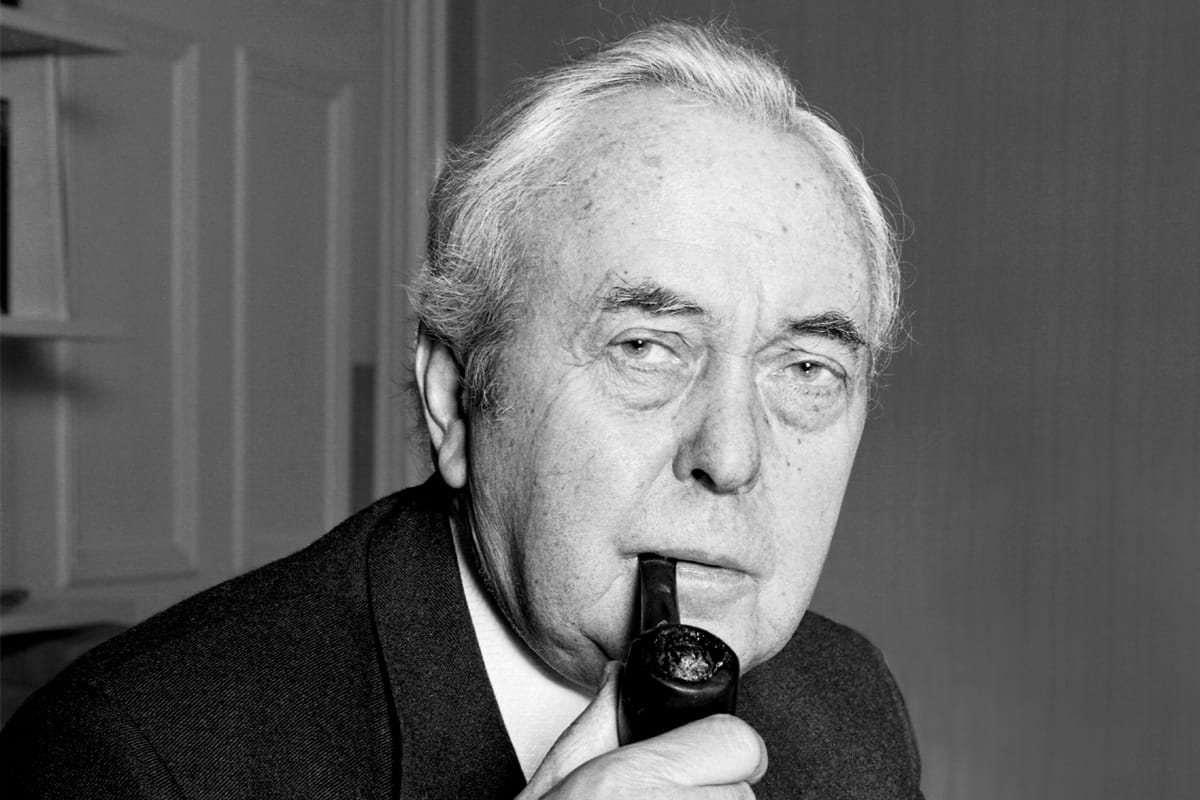
Ted Grant seizes on evidence of a plot against the right wing Labour Prime minister Harold Wilson to show the real nature of the capitalist state. Behind the democratic façade the state is an organ of capitalist class rule. The establishment will strive might and main to preserve their privileges and will resort to whatever undemocratic measures are necessary to preserve the capitalist system.
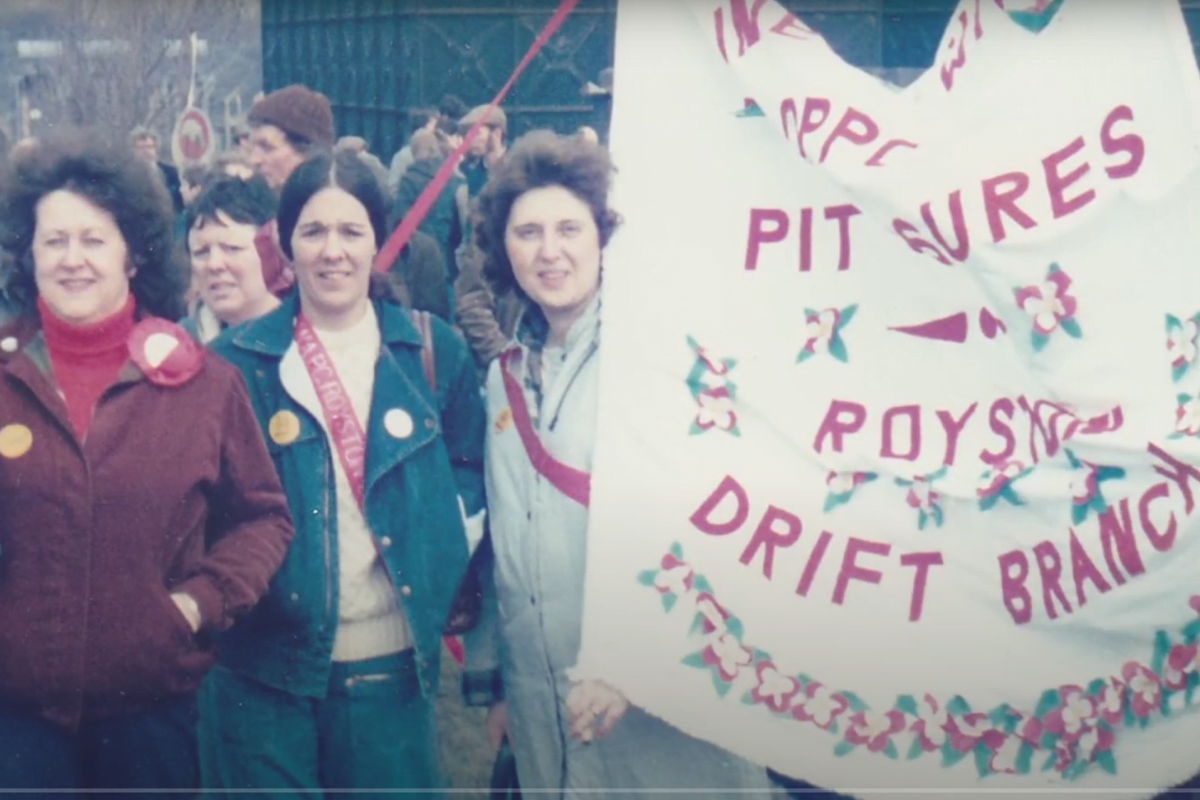
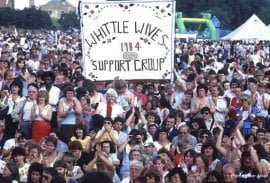
An essential lesson to draw from the miners’ strike is the vital role of leadership. The miners’ leaders stood head and shoulders above the majority of British trade union leaders at this time. Arthur Scargill in particular demonstrated an unbending will to struggle in the face of the most appalling personal abuse and character assassination. In this sense the leaders of the union were a source of inspiration for the miners in the areas. At the same time these leaders were inspired by the courage and determination of the rank and file miners, of their wives and their communities. Unfortunately courage alone is not enough to win such titanic battles.
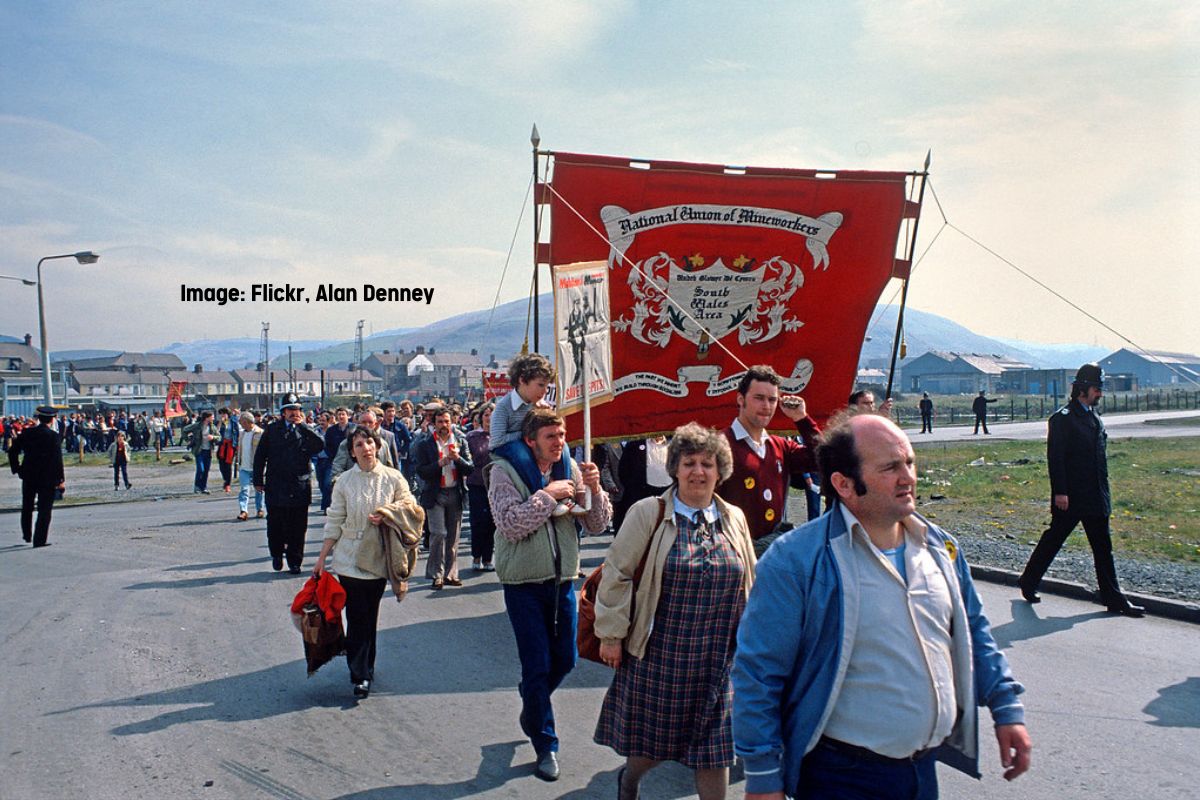
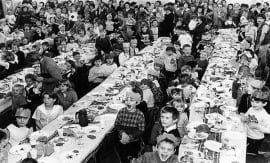
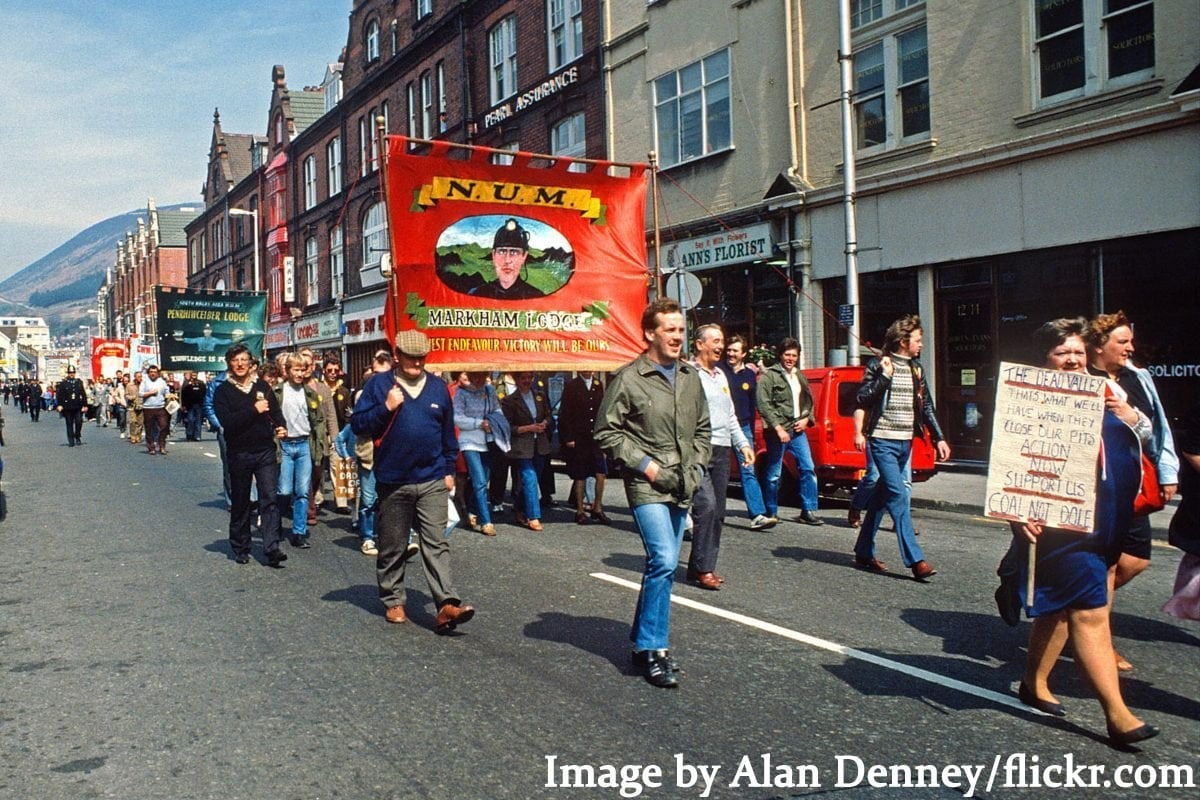
Twenty-five years ago on March 5, 1984 the National Union of Mineworkers (NUM) embarked upon the most important class struggle in Britain since the general strike of 1926. A ferocious battle ensued. Billions of pounds were spent by the ruling class to crush the miners’ militancy. More than ten thousand miners were arrested; two were killed on the picket lines and countless others injured. Decades of so-called consensus were obliterated and the real and ugly face of British capitalism was exposed for all to see.