Myths of Marxism: is neoliberalism different to capitalism?
Sam Tollitt discusses the definition of neoliberalism and explains what relationship this ideology and programme has with the wider capitalist system.

Marxist theory is our sharpest weapon in the class struggle. Here, you can find our most recent theoretical and historical articles. For news and analysis, click here.
You can also visit our education hub to find a selection of articles, books, talks and reading guides.
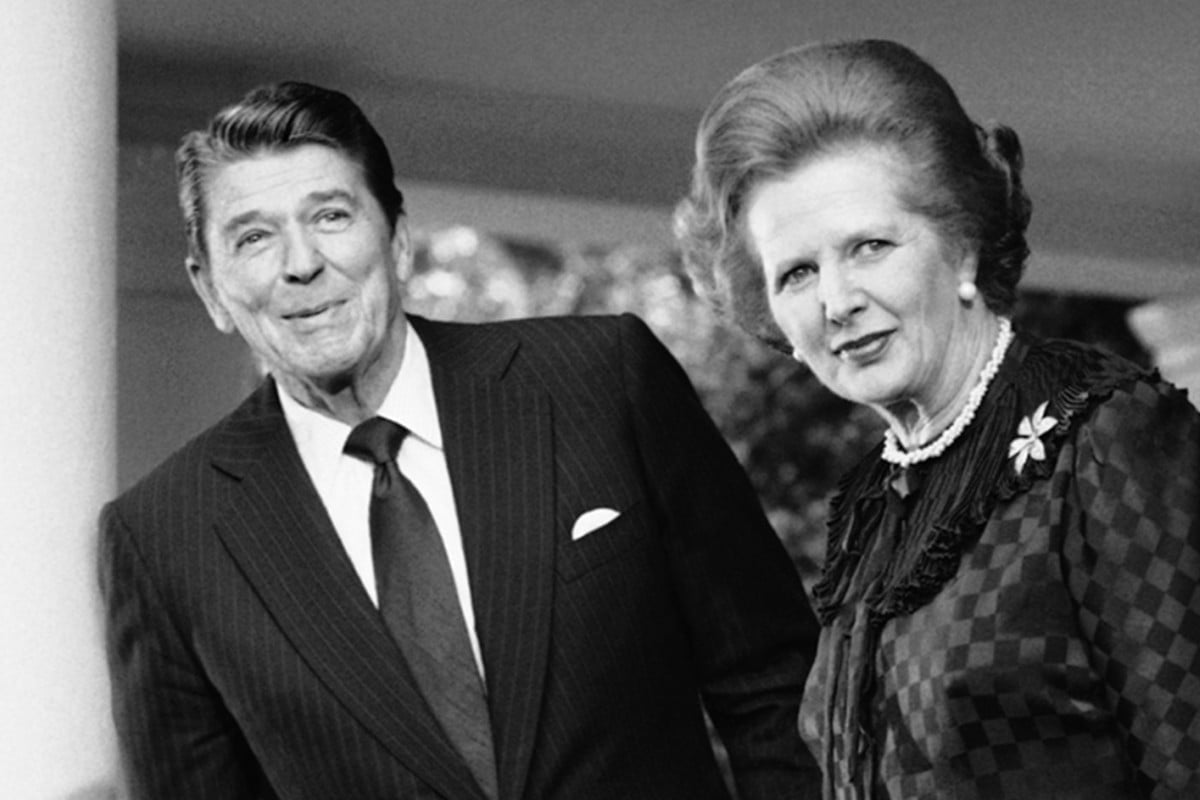
Sam Tollitt discusses the definition of neoliberalism and explains what relationship this ideology and programme has with the wider capitalist system.
We must arm ourselves with the arguments needed to confidently defend and explain Marxist ideas. Here, we answer some of the frequent questions asked about Marxism, socialism and communism.
Ravi Mistry explores the origins of racism within class society and explains the way forward in the fight against oppression and discrimination.
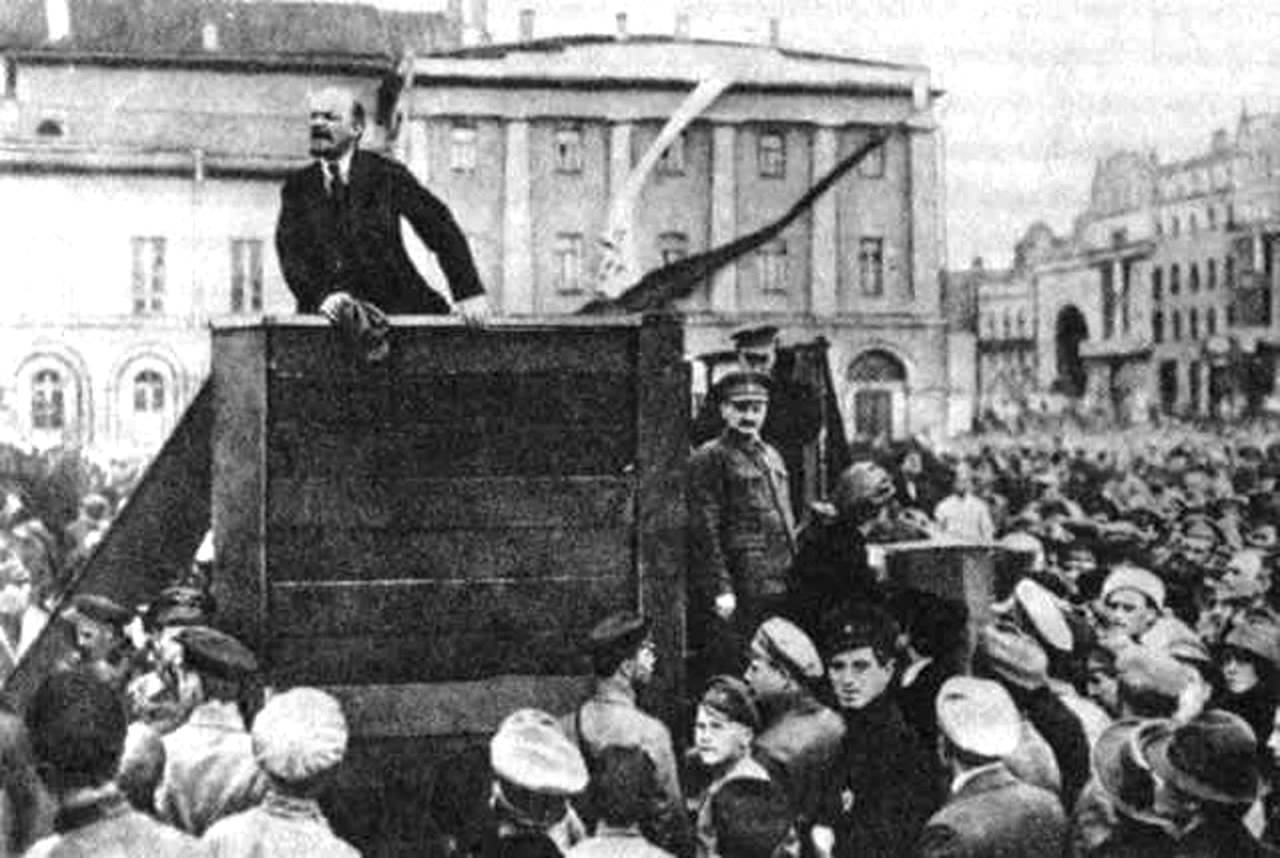
We publish here the second part of Adam Booth’s article about the role of the individual in history. In this second half, Adam examines the pivotal role played by Lenin and Trotsky in the 1917 Russian Revolution, and the dialectical relationship between leaders and the masses. The real lesson of history is that a revolutionary leadership is vital in order to transform society.
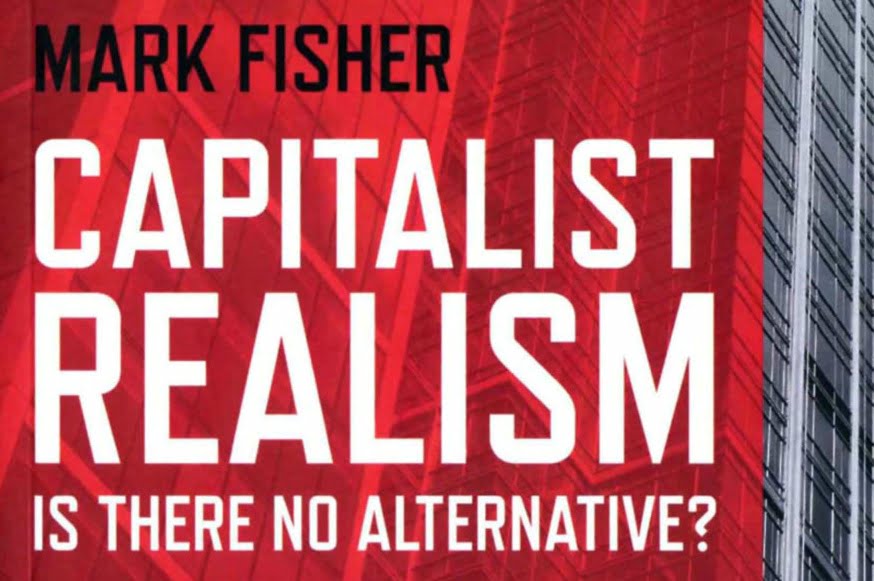
Ben Gliniecki reviews the late Mark Fisher’s influential and acclaimed – but ultimately confused and overly-academic – book, “Capitalist Realism”: a confused jumble of academic jargon which barely manages to describe phenomena first explained by Marx over 170 years ago.
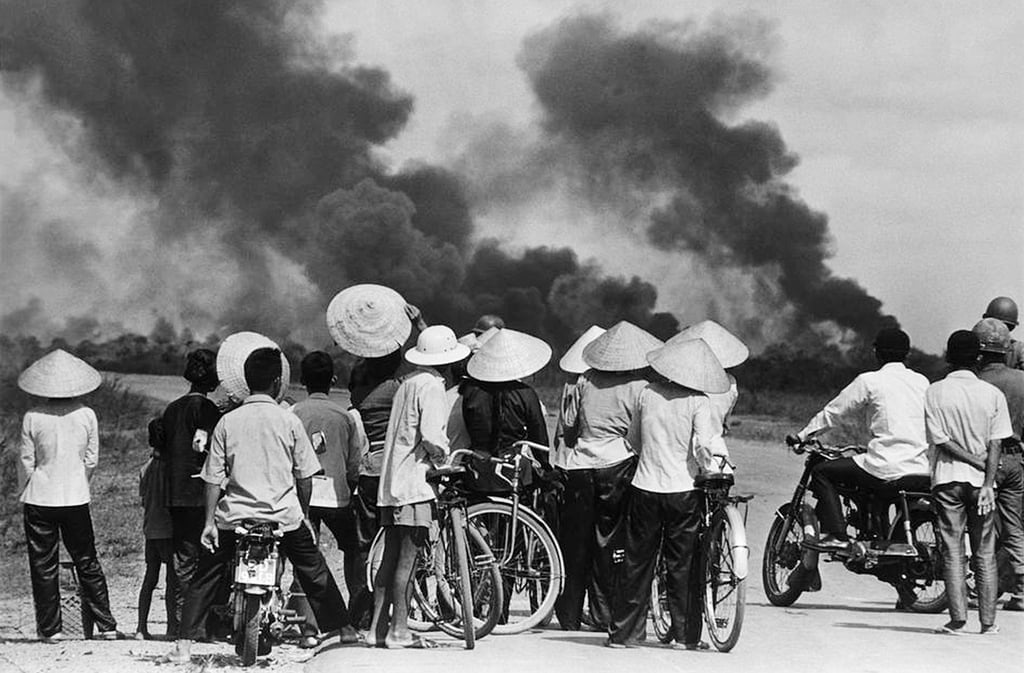
The Vietnam War – a 17-hour documentary recently broadcast on the BBC – may well be the best such film yet produced on this still-controversial subject. Steve Jones reviews this incredible new documentary and the graphic account it provides of one of imperialism’s most brutal wars.
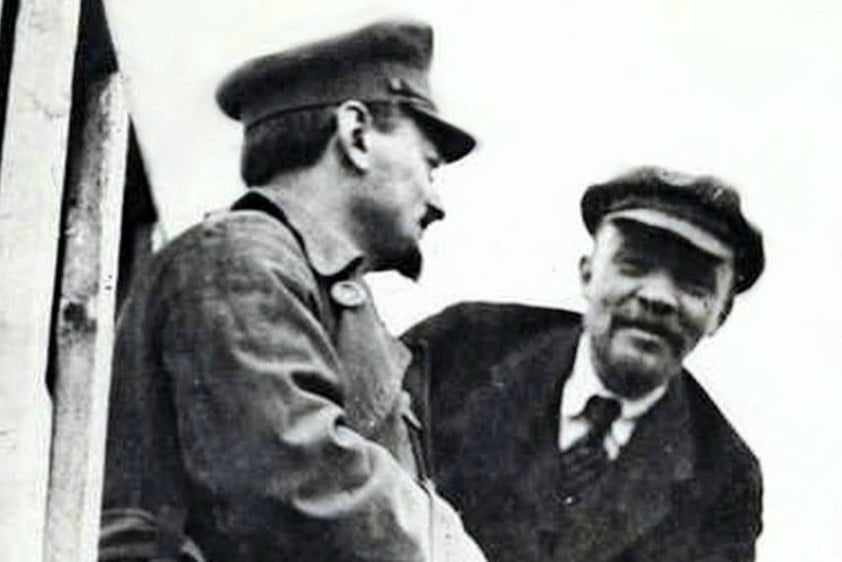
100 years ago, the masses in Russia took power. This revolutionary event, however, would not have been possible without the bold leadership of Lenin and Trotsky. In this sense, the role of the individual at certain points in history is vital. Adam Booth explores the Marxist view of history and the role of individuals in determining the course of historical events.
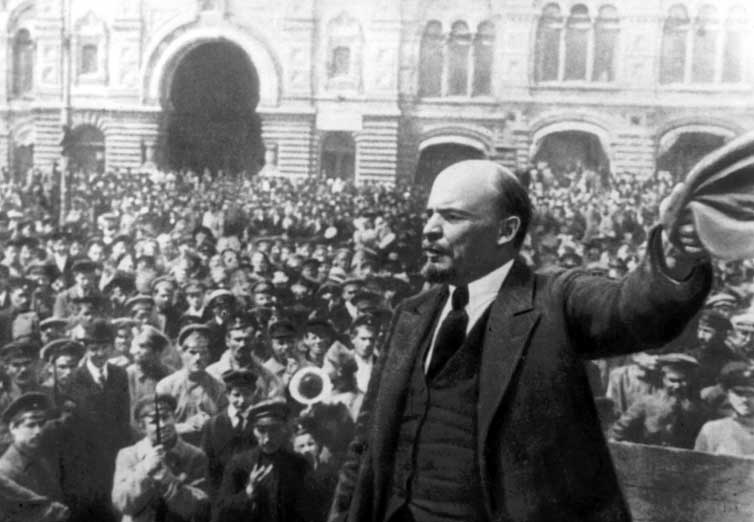
The first few months following the 1917 October Revolution in Russia were a frantic period for the new Soviet government of workers and peasants. Lenin and the Bolsheviks spent much of this time issuing decrees and appeals, designed to put their programme into effect and further win over the hearts and minds of the masses. James Kilby looks at the opening months of Soviet power.
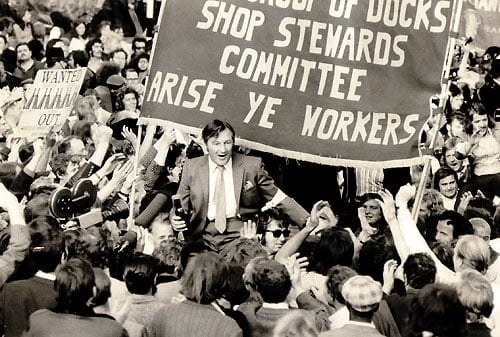
On Friday 1st December, dozens of trade union activists gathered in the East Ham Working Men’s Club to commemorate the 45th anniversary of that famous labour movement victory, the Pentonville Five. Ben Gliniecki reports on the contributions made, including by speakers such as Len McCluskey, and the lessons of this historic struggle for today.
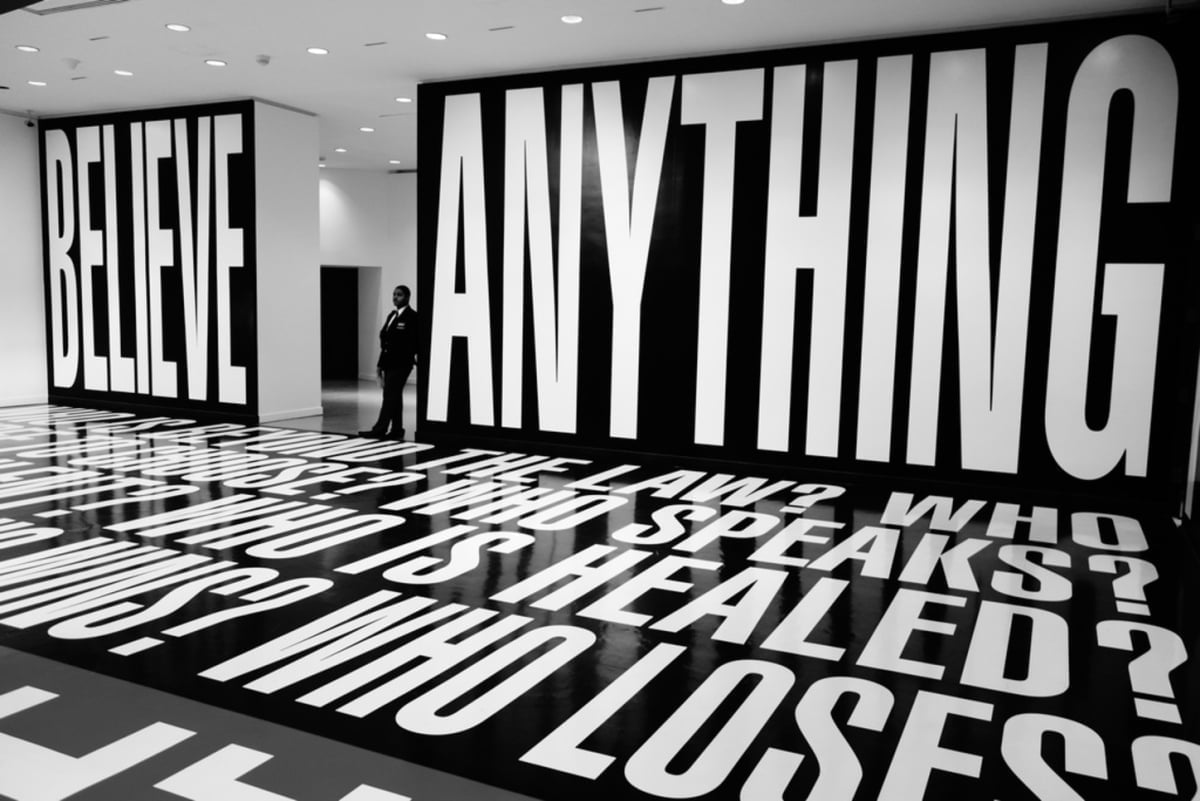
In this recent video from the October Revolution festival, Daniel Morley (of the Socialist Appeal Editorial Board) discusses the theoretical differences between the philosophies of Marxism and postmodernism.
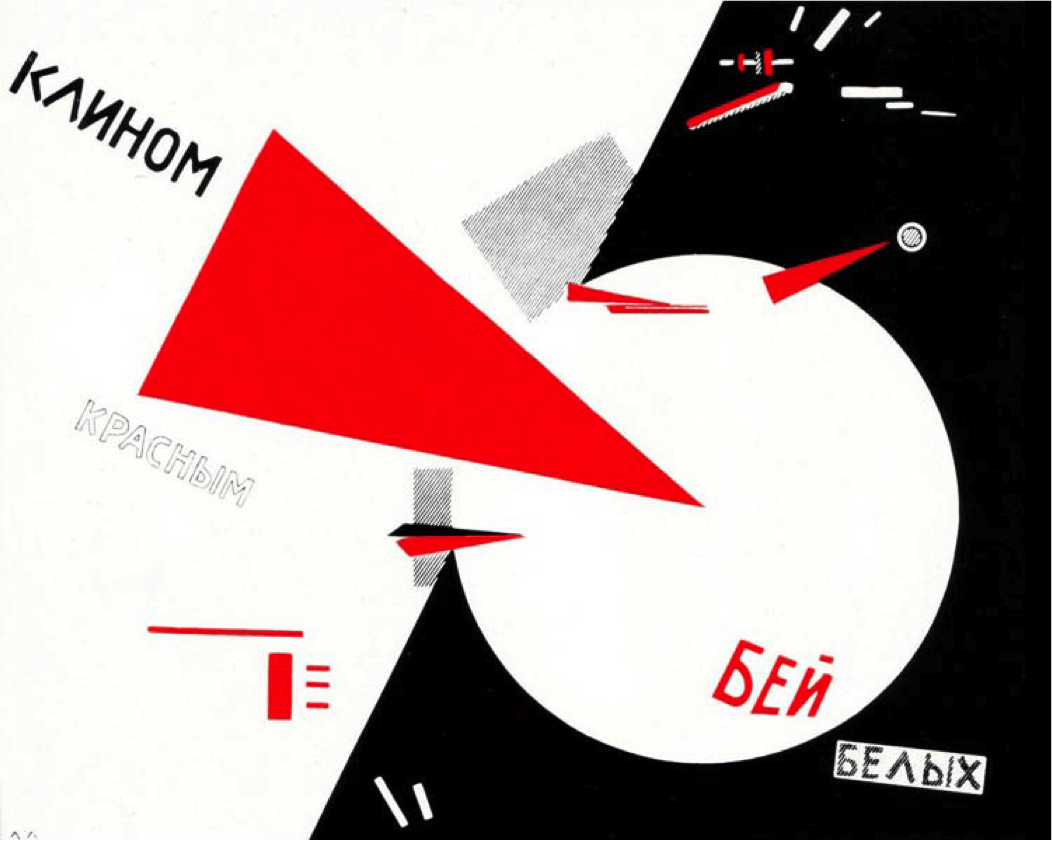
The “Red Star Over Russia” exhibition, which opened at the Tate Modern earlier this month, is the latest in a number of exhibitions marking the 1917 Russian Revolution centenary. Ben Curry reviews the fascinating collection of artwork, photography, and propoganda contained within this latest showcase.
Continuing our series of articles and videos celebrating the 100th anniversary of the Russian Revolution, Rob Sewell, editor of Socialist Appeal, answers the myths and distortions put forward by bourgeois academic and historian Orlando Figes in his recently re-released book, A People’s Tragedy.