



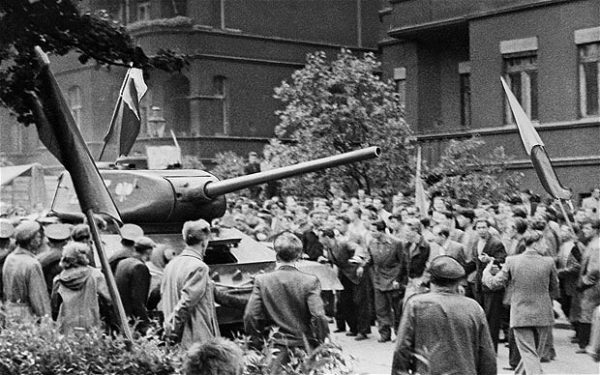
Poznań 1956: The first workers’ uprising in Stalinist Poland
Poland’s 1956 Poznań uprising saw tens of thousands of workers rise up against the Stalinist bureaucracy. Although brutally crushed, this revolt shook the Moscow and Warsaw regimes, and precipitated revolutionary struggle across the Eastern Bloc.
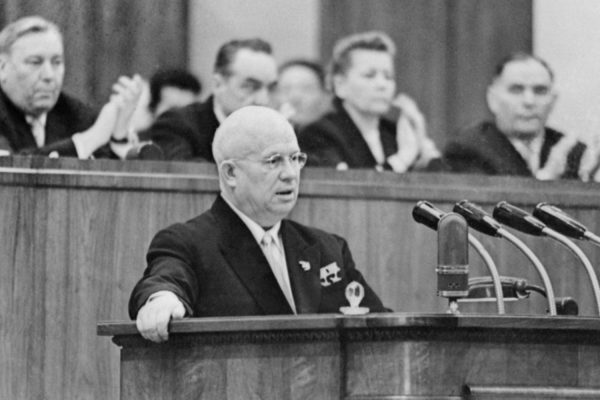
Khrushchev’s secret speech – the dam begins to burst
70 years ago, Soviet leader Nikita Khrushchev delivered a speech which posthumously accused Joseph Stalin of repression and murder. This repudiation reverberated around the USSR and the Eastern Bloc, sparking debate, dissent, and revolution.
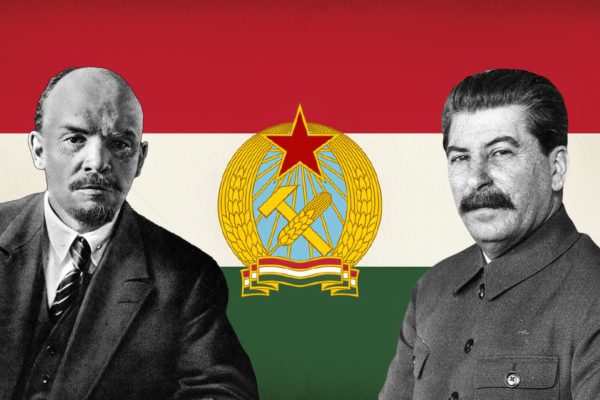
Lenin vs Stalin on the national question: Lessons from Hungary
In part five of our Hungarian Revolution series, Maya Khan discusses how the Hungarian masses’ struggles against national oppression and bureaucracy were inseparable. The Stalinists’ approach to the national question was the antithesis of Lenin’s.
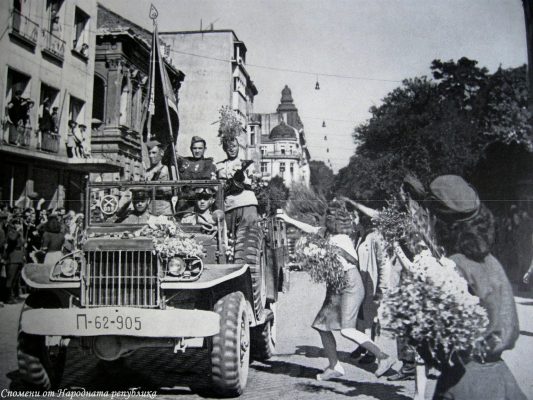
How the ‘Eastern Bloc’ was formed
In part four of our Hungarian Revolution series, Tasha Wilson explains how the Stalinist bureaucracy of the USSR was able to manoeuvre its way into dominating Eastern Europe, by balancing between the imperialists, the bourgeoisie, and the working class.
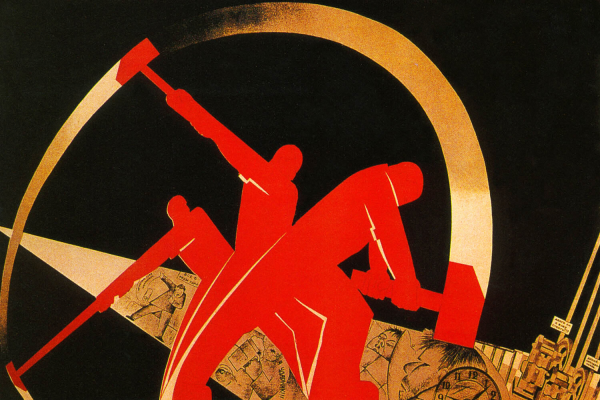
The power and limits of the Soviet planned economy
For the third instalment of our 12-part series marking the 70-year anniversary of the Hungarian Revolution, Stan Laight analyses the achievements and shortcomings of the Soviet economy, and its distorted, top-down expansion into Eastern Europe.
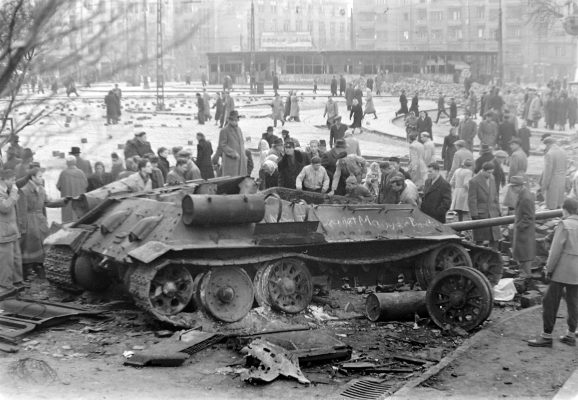
Hungary in retrospect
As part of our fortnight series commemorating the Hungarian Revolution, we republish Peter Fryer’s retrospective, written in 1957. Fryer was an eyewitness, and the CPGB’s correspondent. He answers the lies and slanders thrown against Hungarian revolutionaries.