Joe Biden: Myths and reality
Joe Attard exposes US president Joe Biden as nothing but a spineless representative of a decaying capitalist system.

The RCP has two podcasts: Marxist Voice (education, theory, and history) and A World On Fire (current events and analysis).
We also encourage our listeners to subscribe to the podcasts of the Revolutionary Communist International: Spectre of Communism (Marxist theory and analysis) and Against the Stream (current events).

Joe Attard exposes US president Joe Biden as nothing but a spineless representative of a decaying capitalist system.
Lubna and Natasha discuss the role of women in various revolutionary struggles throughout history.
Laurie O’Connel uses the historical materialist method to trace the roots of women’s opression, and explain what we must do to fight it.

Jorge Martin explains the nature of the conflict in Ukraine, and why Marxists must stand for an independent class position.
Fiona Lali explains how the struggle for women’s liberation is intrinsically linked with the fight for socialism, and how only Marxism can provide a way forward.

Ben Gliniecki outlines the possibility of a Third World War in our current day.

Andrea Patane explains the differences between Marxism and anarchism, and how we can fight against our common enemy in the form of capitalism and the capitalist state.

Yola Kipcak combats the reactionary ideas of postmodernism, which rejects the possibility of understanding the world, emphasises the need for a rational, scientific approach in the form of Marxism.

Hamid Alizadeh traces the development of the dialectical method, and how Marx placed the systematic approach of Hegel on a materialist basis in order to trace the development of human history.

Andy Southwark exposes the rotten institution of the monarchy and the role that it plays against socialism.

Rob Sewell discusses the life and ideas of Vladimir Lenin, and what revolutionary Marxists can learn from them.
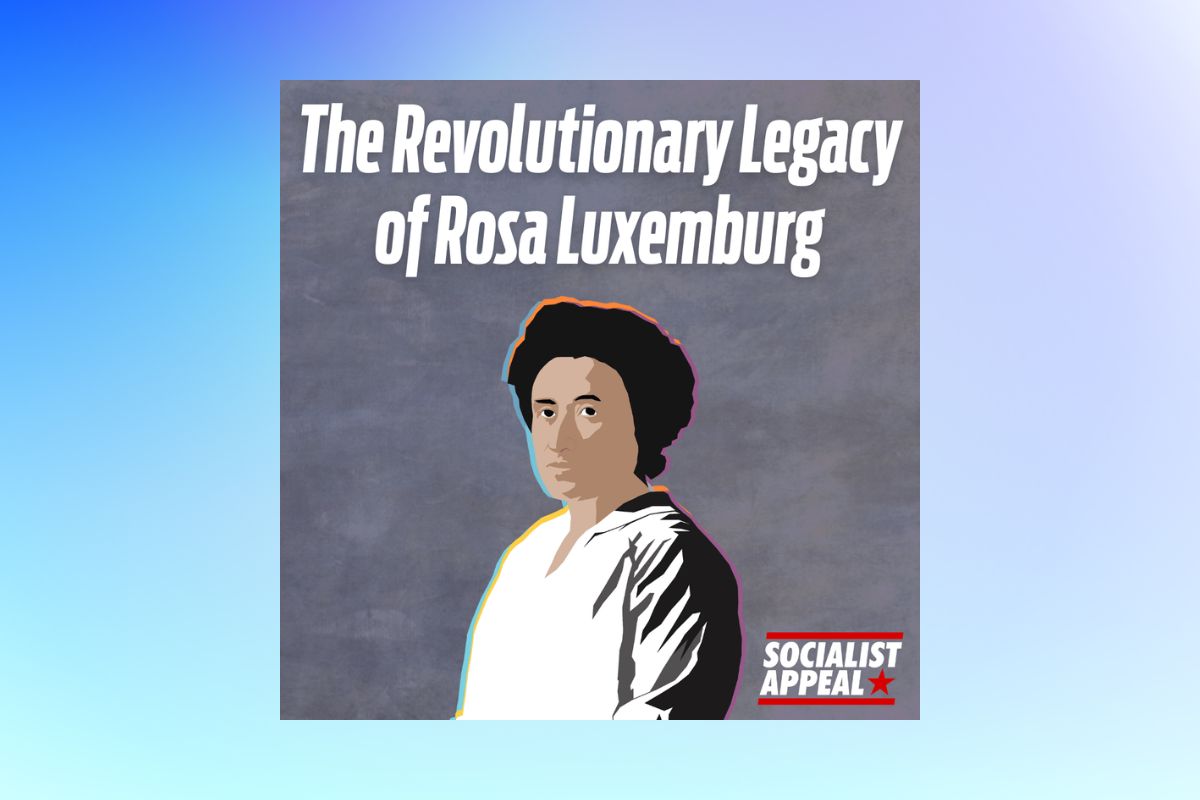
Marie Frederiksen dispells the myths surrounding Rosa Luxemburg, and defends the revolutionary legacy she left behind.