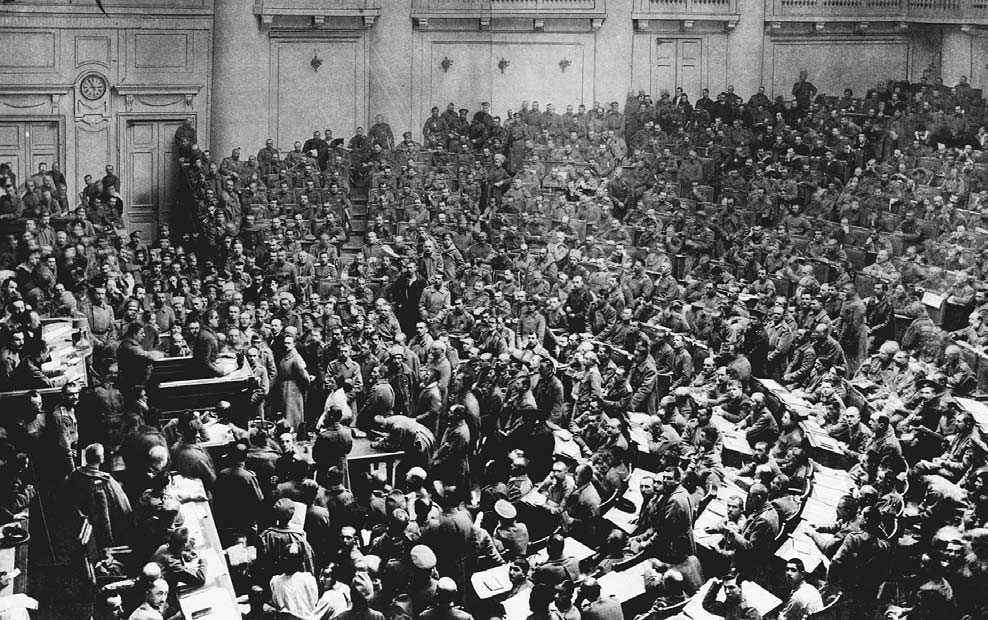
The October Revolution: the masses take power
In his latest video outlining the key events of 1917, Alan Woods – author of Bolshevism: the Road to Revolution – discusses the October Revolution, when the workers and peasants of Russia seized power.
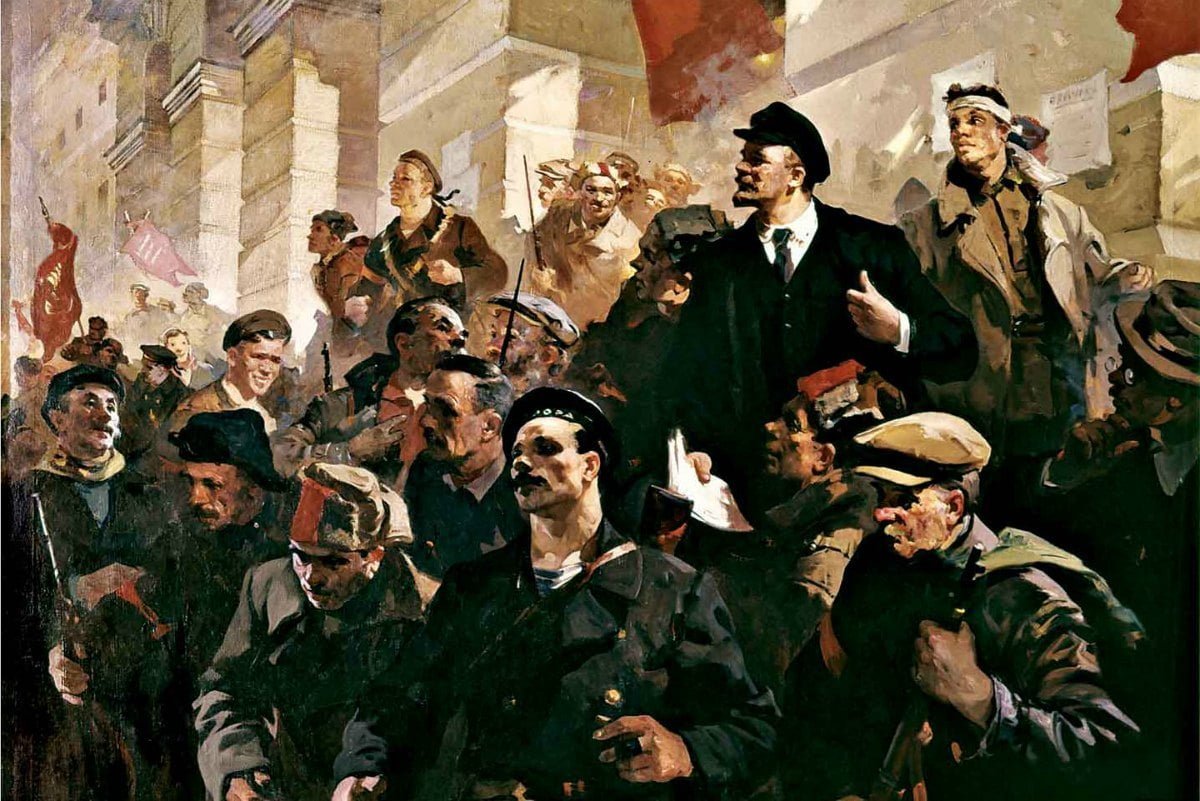
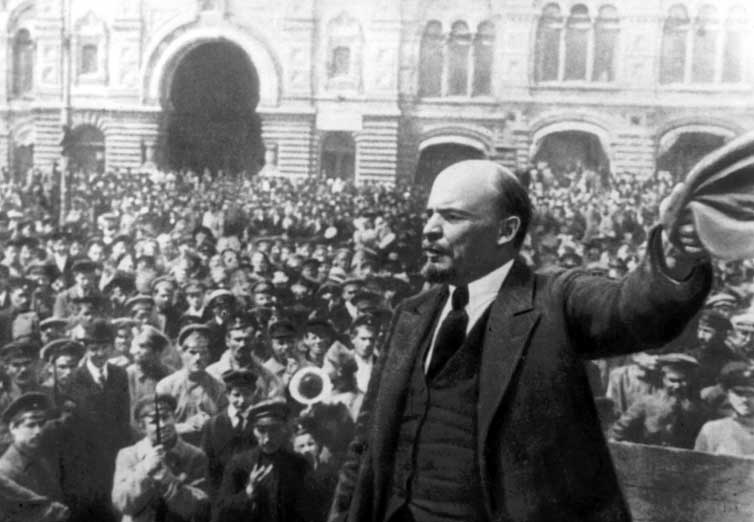
Continuing our week of articles and videos celebrating the centenary anniversary of the 1917 October Revolution, Ben Curry discusses the build up to the insurrection on 25th October (7th November in the new calendar) and the decisive role played by Lenin in the debates surrounding the question of whether the time was right for the soviets to seize power.
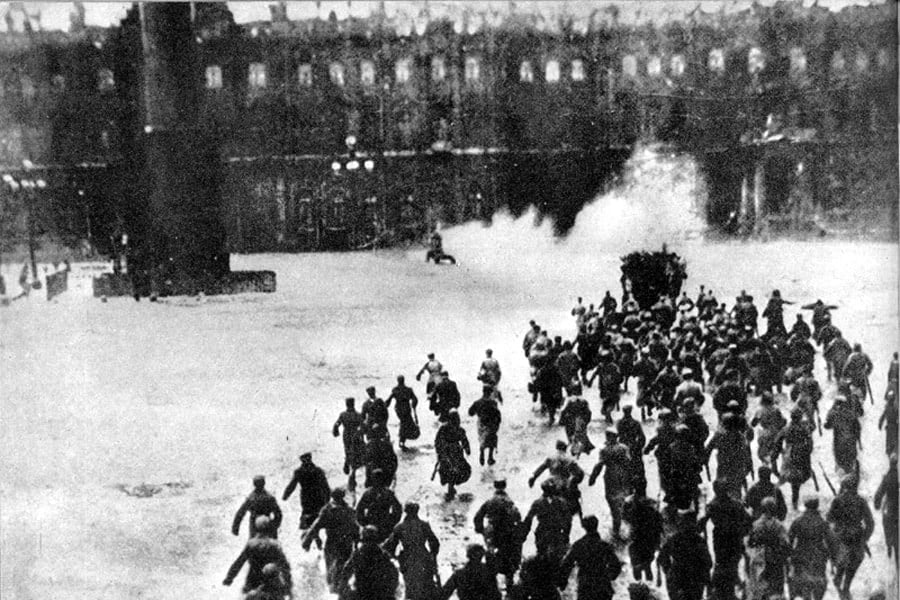
This week marks the 100th anniversary of the 1917 October Revolution in Russia, which took place on the night of 7th November (25th October in the old calendar). To mark this great historic event, we are publishing articles and videos all week looking at different aspects of the Revolution. To begin, we publish here an account of the insurrection as it happened.
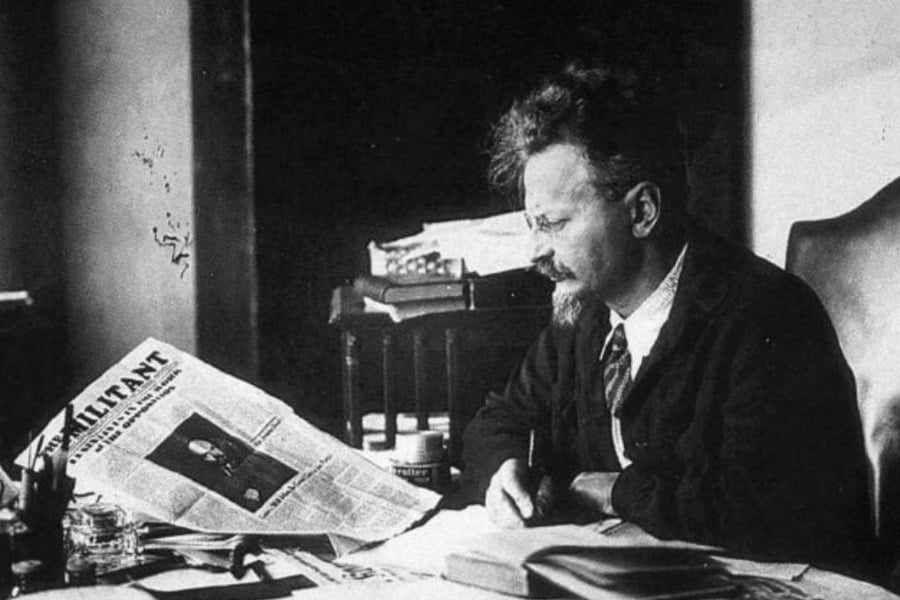
To mark the centenary of the Russian Revolution, we present this original documentary by the IMT celebrating the life and accomplishments of one of the revolution’s main leaders: Leon Trotsky.
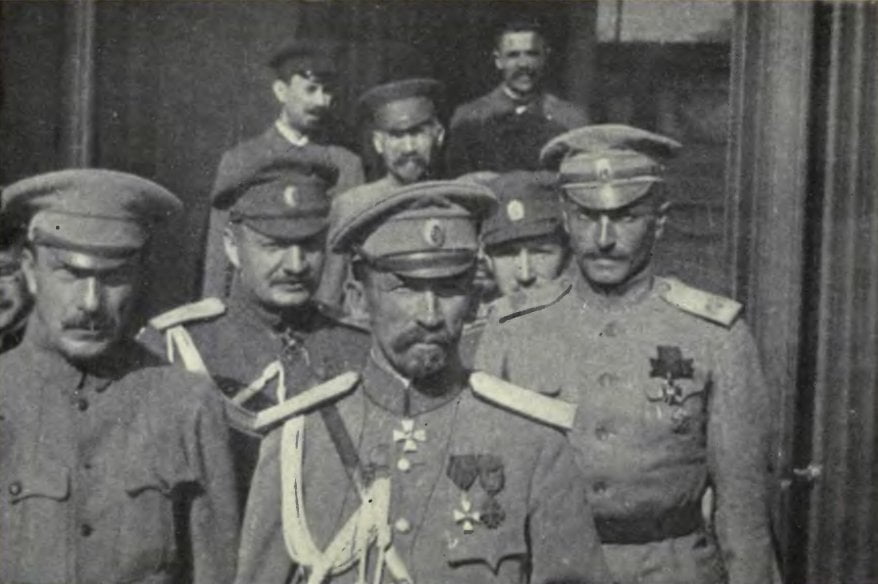
In this latest video from our series on the 1917 Russian Revolution, Alan Woods – author of “Bolshevism: from Revolution to Counter-Revolution” – discusses the failed coup attempt by General Kornilov and the impact this had on the political consciousness of the masses.
This week marks 100 years since the attempted coup by General Kornilov in Russia, the aim of which was to completely crush the revolution. Dejan Kukic examines the events leading up to the Kornilov affair and explains how the working class, headed by the Bolsheviks, was able to defeat this counter-revolutionary putsch.
Continuing our commemorations of the centenary anniversary of the Russian Revolution, we republish here extracts from Leon Trotsky’s History of the Russian Revolution, in which the author explains the events surrounding the attempted – and failed – coup by General Kornilov and the forces of reaction surrounding him.
Niklas Albin Svensson of the International Marxist Tendency discusses the events of the 1917 Russian Revolution: from its opening scenes in February; through the return of Lenin in April; to the suppression in July.
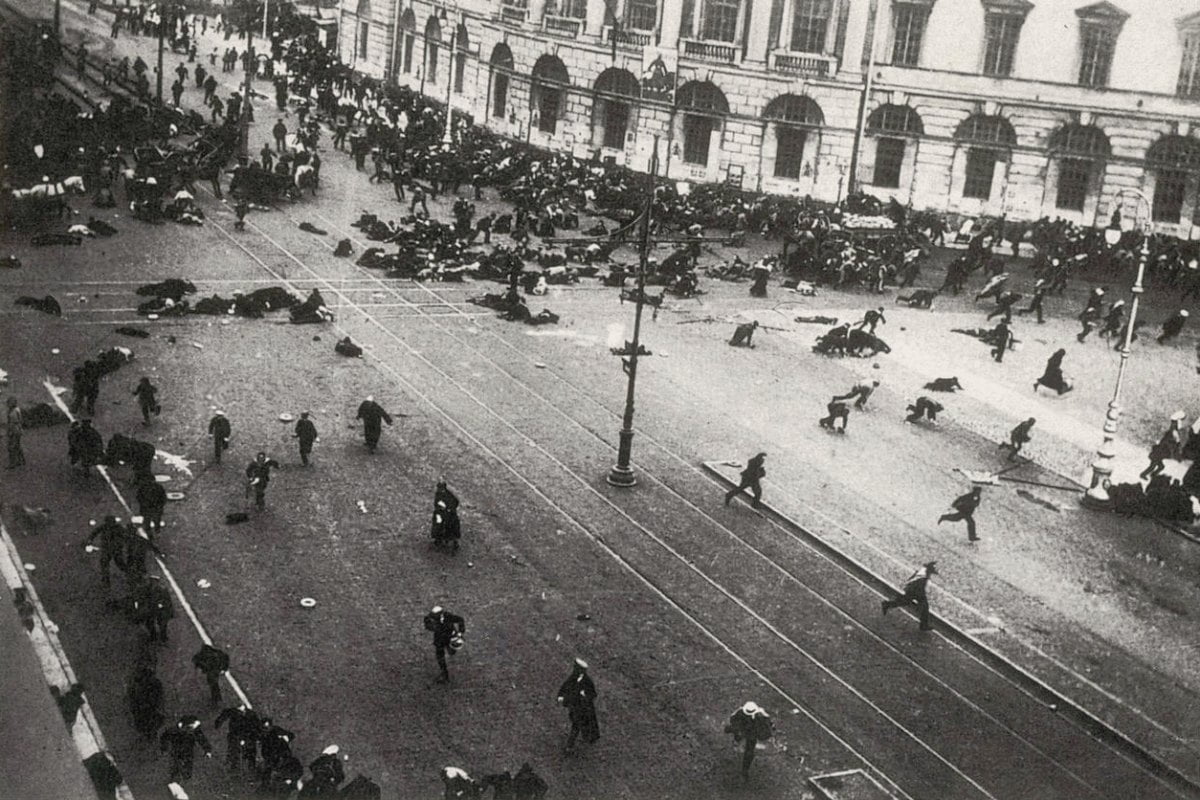
Alan Woods, author of “Bolshevism – the Road to Revolution”, discusses the “July Days” of the 1917 Russian Revolution. These events marked a turning point in the revolution. From this moment on, dual power had ended. Only two options remained: either the forces of reaction would crush the revolution, or the Bolsheviks would lead the masses to take power.
The “July Days” of 1917 (3-7th July, or 16-20th July in the new calendar) marked a turning point in the Russian Revolution. A series of spontaneous armed demonstrations alarmed the Provisional Government leaders, who acted to repress the Bolsheviks and drive Lenin into hiding. After this point, it was a question of revolution or counter-revolution.
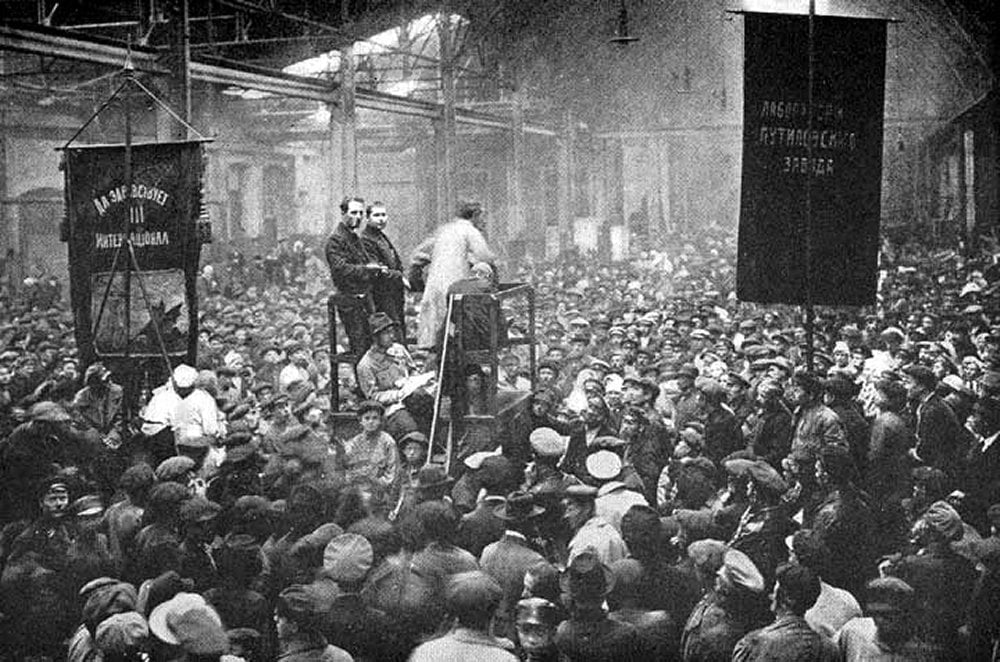
Alan Woods, author of “Bolshevism: the Road to Revolution”, discusses the “June Days” of the 1917 Russian Revolution, when tensions in Petrograd began to rise and the masses turned towards the Bolsheviks and their slogan of “All Power to the Soviets!”
R.H. Bruce Lockhart was a British Government agent in Russia before and after the Bolshevik Revolution of 1917. His first-hand experiences and lucid observations, published in 1932 as a book entitled Memoirs of a British Agent, provide a fascinating account of the Russian Revolution and its key characters.