On the second day of the strike the government rolled out its carefully prepared plans to crush it. Warships lurked ominously on the Mersey. Submarines slunk up the Thames. Troops were stationed in Cardiff, Liverpool, and on the Scottish Border.
Churchill was itching to send tanks against the pickets at London’s docks. He spat venom against the strikers in the government’s newspaper, the British Gazette.
Parliament passed a new Emergency Act allowing them to search any premises “suspected of being used for illegal or seditious activities”. In Manchester a man was sentenced to two months in prison for attempting to take leaflets to Glasgow.
The Home Secretary gave a speech encouraging people to join the special constables – offering hooligans a chance to attack workers without consequence. Over 1,400 stockbrokers “answered the call with great vigour”.
Police raided the offices where the Trades Union Congress (TUC) strike paper, the British Worker, was being printed. A crowd came to defend the building and pushed the mounted police back, allowing the paper to be published.
In its pages the class balance of forces were revealed. 30,000 strikebreaking volunteers had been mobilised, but 3 million workers were on strike.
Across the country reports of total stoppage were streaming in. Wolverton reported “all Trade Union men (numbering 4,500) out in the Railway Work Shops except one who is a Fascist.”
The McCourquodales Printing Works in Merseyside reported that of the few non-union men who had initially gone into work, all had now agreed to join the strike and the union.
The front page proclaimed that not a wheel turned in South Wales.
Already the heights of government were affected. In Parliament, due to the printing hold up, only 20 copies of Hansard were available in the House. The Speaker suggested that only items of extreme importance should be discussed due to the constraints.
Staff of the Independent Labour Party gave 10 percent of their wages to the strike fund and encouraged their members to do the same. Non-striking unions offered to levy themselves in support.
Representatives of the French unions covering miners, railwaymen, dockers, and seamen met to plan how they could aid the Strike. The Dutch transport workers union issued an appeal to its members not to ship coal to England. Messages of support came in from America, Canada, India, Japan. The Irish TUC and the German coalminers were ready to strike in solidarity, as soon as the British TUC gave the word.
Spurred on, strikers took on the blacklegs and the police who were trying to break the stoppage.
In Leeds a crowd of 3,000 stopped the blackleg trams by force, pelting them with coal and rocks, breaking their windows. The police responded by charging them with batons.
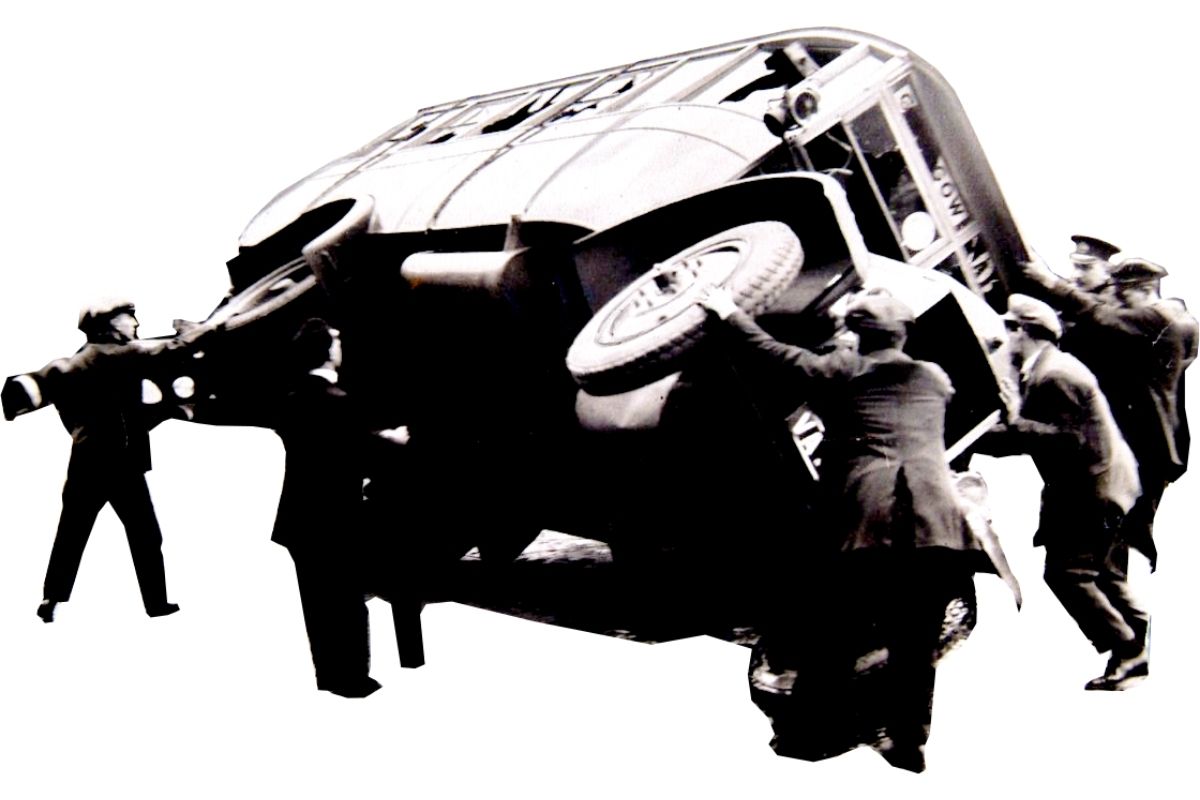
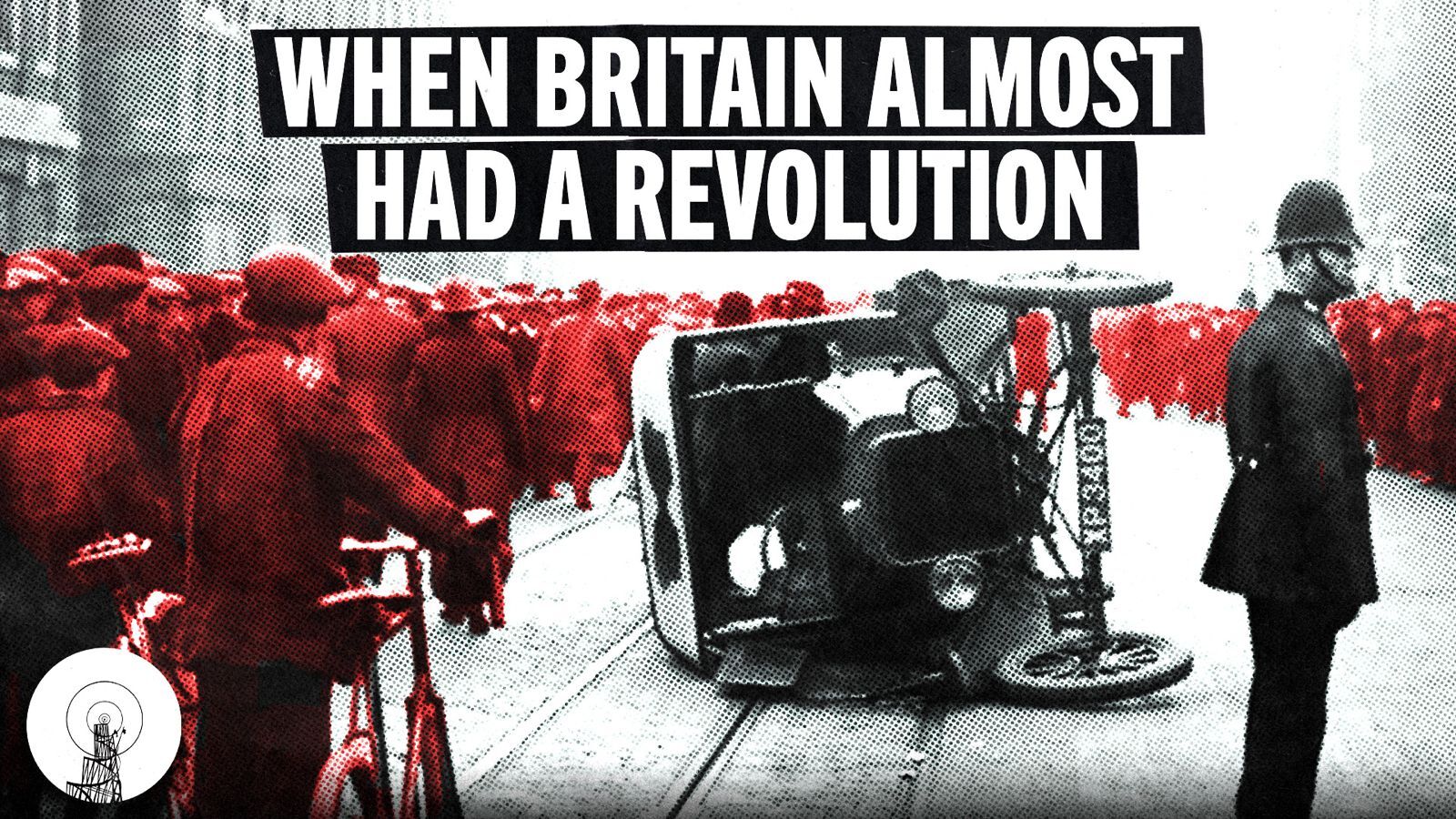
Around 70 blackleg workers returning from the shipyard in Sunderland found their coach stoned by a crowd of 300 near the tramshed at Byker, Newcastle. In London crowds forced buses down side streets, removed vital engine parts and kept them labelled under lock and key until the strike was over.
The TUC leaders were shocked and afraid at the power of the forces they themselves had conjured up. They sent no word for international solidarity action, denounced violent disturbances, and implored in their bulletins for strikers to play sport, give concerts or attend the cinema rather than demonstrate.
The strike’s own leaders were trying to dampen its enormous power, which would only grow as the action continued.
Find more articles in our series ‘The 1926 General Strike as it happened‘