
Tuesday 4 May was the opening shot of a titanic class battle.
For those who worked, it was clear that living a decent life meant a decisive struggle with the employers and the government.
For the bosses, to maintain profitability and keep the sinking ship of British capitalism afloat meant breaking the back of the organised labour movement, cutting wages, and lengthening hours.
Like the government, the Communist Party could see what was at stake. The day before the strike began the Communist MP for Battersea North, Shapurji Saklatvala, was gearing up workers for the struggle.
He gave a tub-thumping speech, in which he declared the army should not attack workers during the strike and declared that, for generations, the Union Jack had protected nothing but fools and rogues! For this, the government arrested and imprisoned him for the duration of the strike.
Unlike the government and the Communists, the TUC leaders made no serious attempt to rise to the challenge. After months of under-preparation, the TUC acted cautiously at the outbreak of the strike. They issued a tepid callout, cherry-picking specific sectors to join the action and leaving the rest at work as a ‘second line of defence’.
Despite this, the response was overwhelming. As of midnight on 3 May 1926 as many as 1.75 million workers – union and non-union – downed tools and formed pickets in solidarity with the million miners who had been locked out.
The response took the General Council of the TUC by surprise. It was far greater than they had anticipated. The union leaders issued a bulletin, commenting with noticeable unease that the “difficulty has been keeping men at work who are in the trades that make up the second line of defence”. Even those not formally on strike wanted to join the action.
Bit by bit, during the night of 3 May, the arteries of economic life in Britain were methodically shut down as the workers answered the TUC’s call. For the government and the bosses, despite all their best laid plans, nothing had prepared them for the completeness of the stoppage.
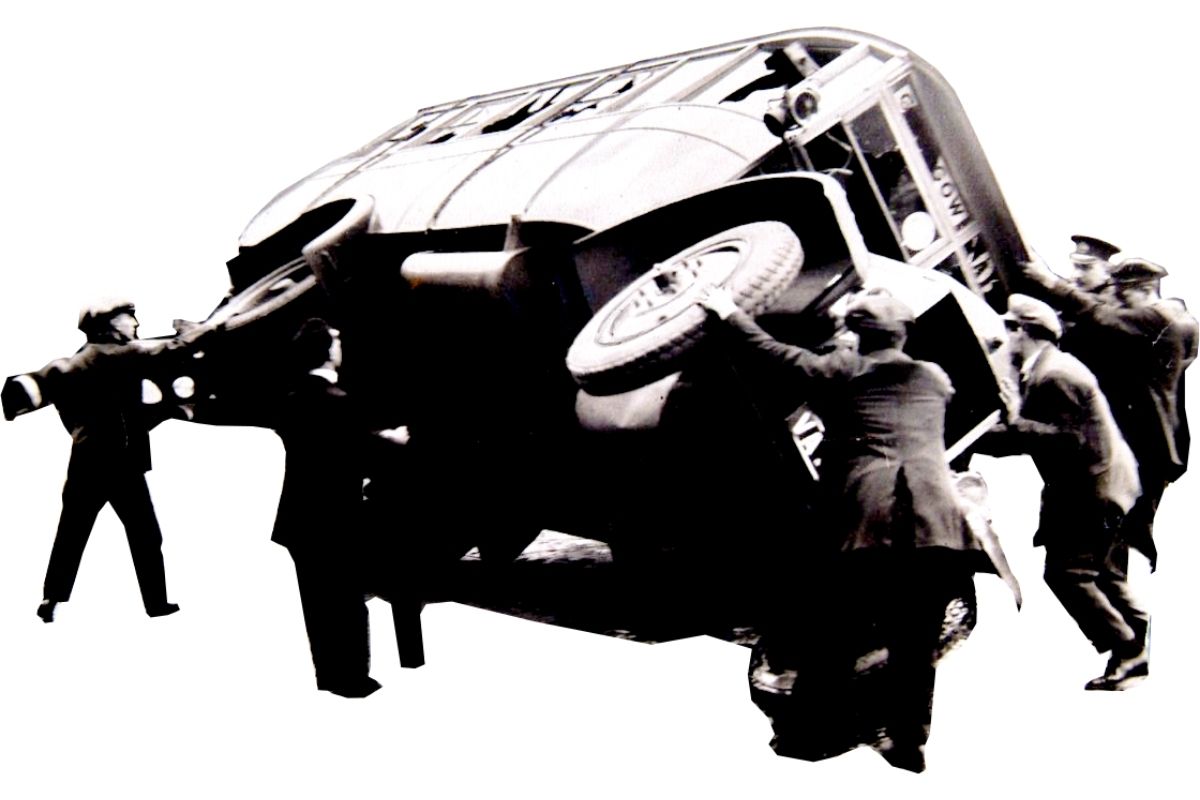
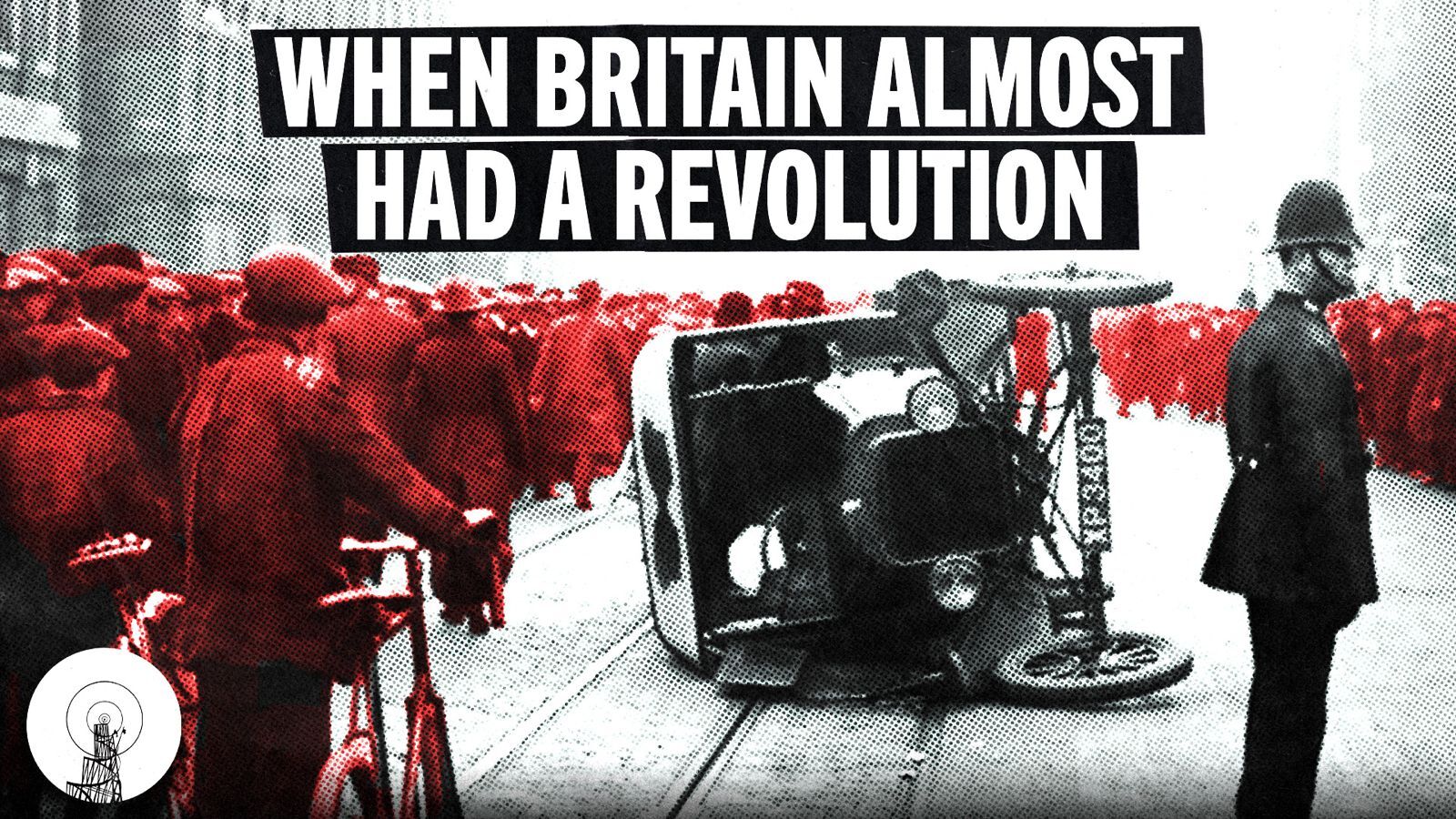
During the night, tram drivers in Manchester drove their trams as close to their homes as they could and simply left them there. The signalmen on the railways switched every signal to ‘Danger’ leaving a logistical nightmare for the government’s scab labour to get the trains running again.
Nationally just nine out of 2,000 trams would run on the first day and not a single London bus would make its rounds. The London Docklands were bought to complete standstill with 50,000 picketing dockers blocking every possible route to the docks.
The Clydeside Shipyards fell silent. Every major steelworks, factory and pit was closed down. Every artery that kept the blood of the British economy pumping was stopped. Adherence to the strike was almost universal. Overnight, from Lands’ End to John O’Groats, those who laboured to run the country withdrew that labour.
The result was silence in the industrial districts of all major cities. The former workshop of the world was at a complete standstill. Despite the cowardice that pervaded the labour movement’s leadership, adherence to the strike was astonishing. The workers, largely spontaneously and of their own accord, shut Britain down.
Find more articles in our series ‘The 1926 General Strike as it happened‘