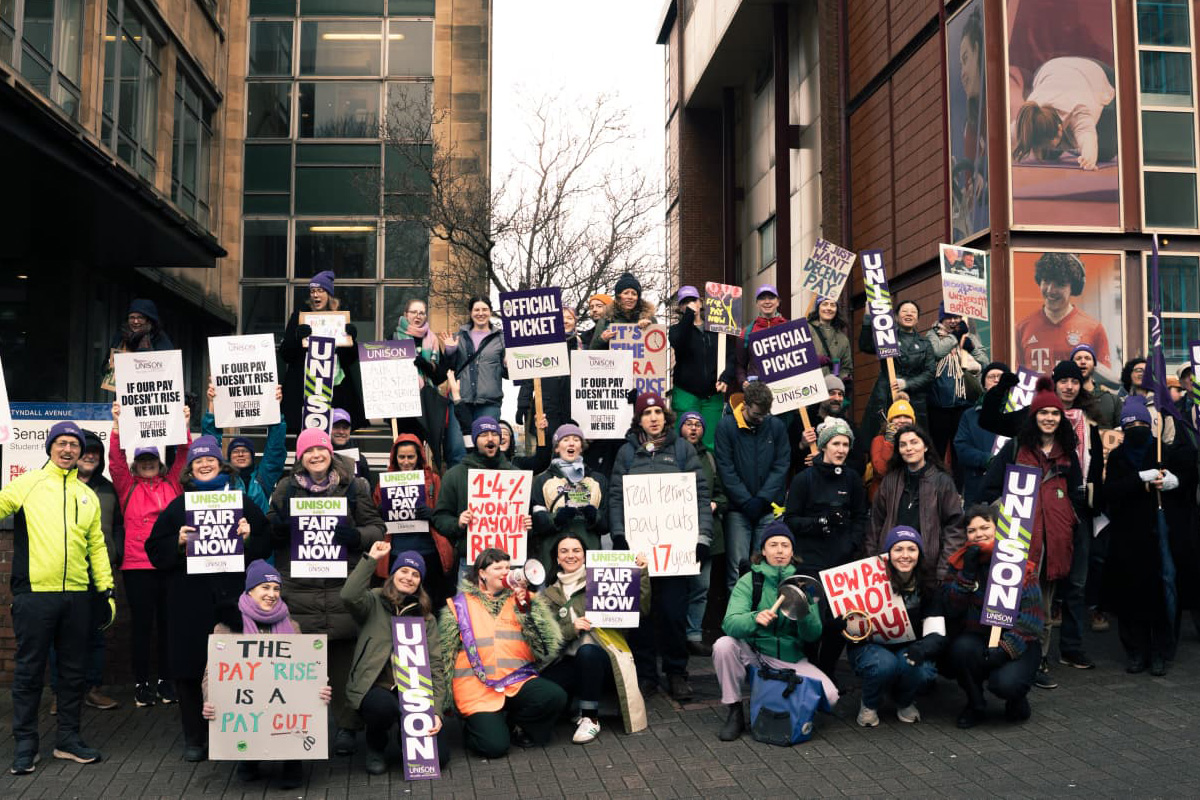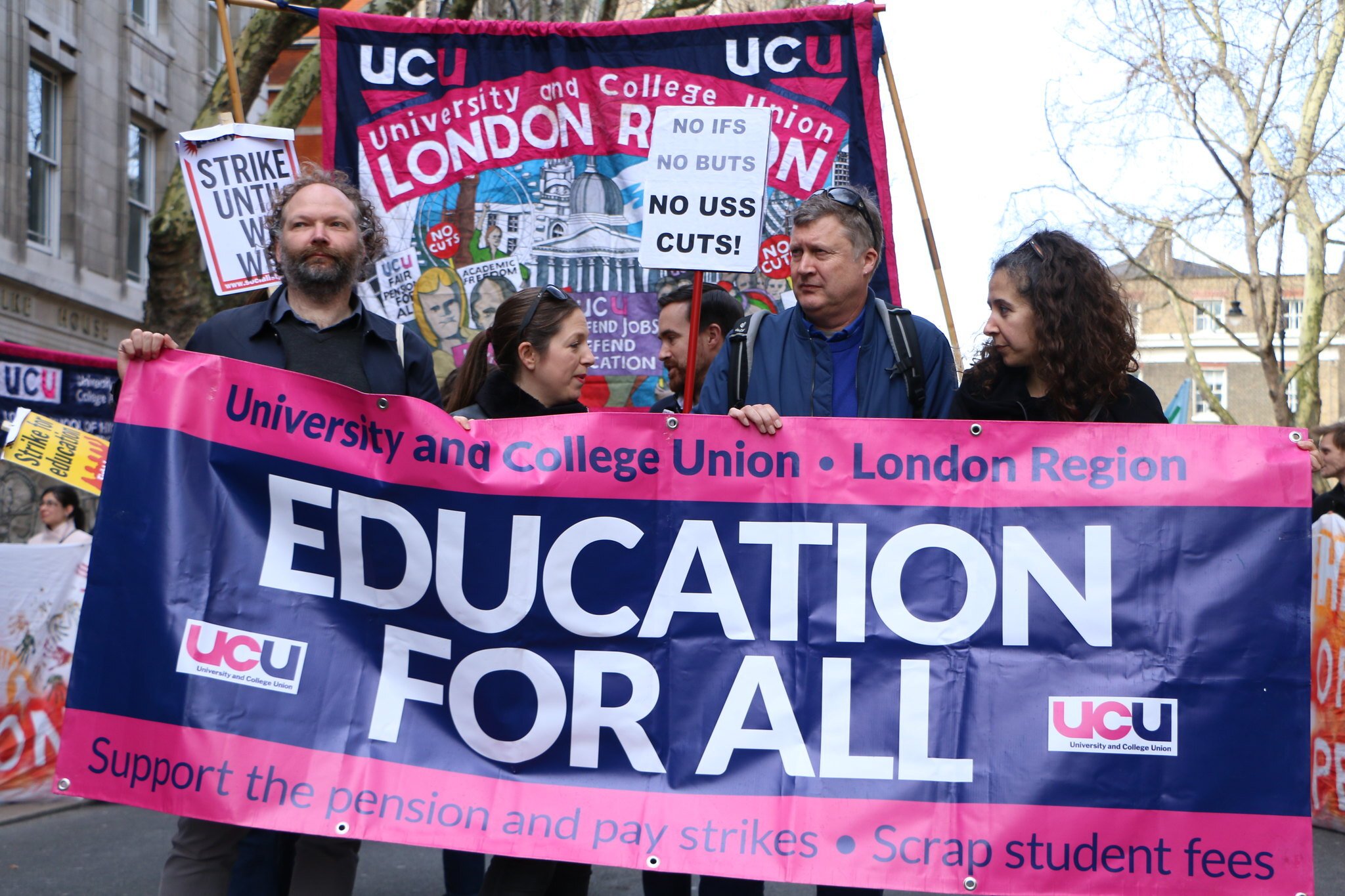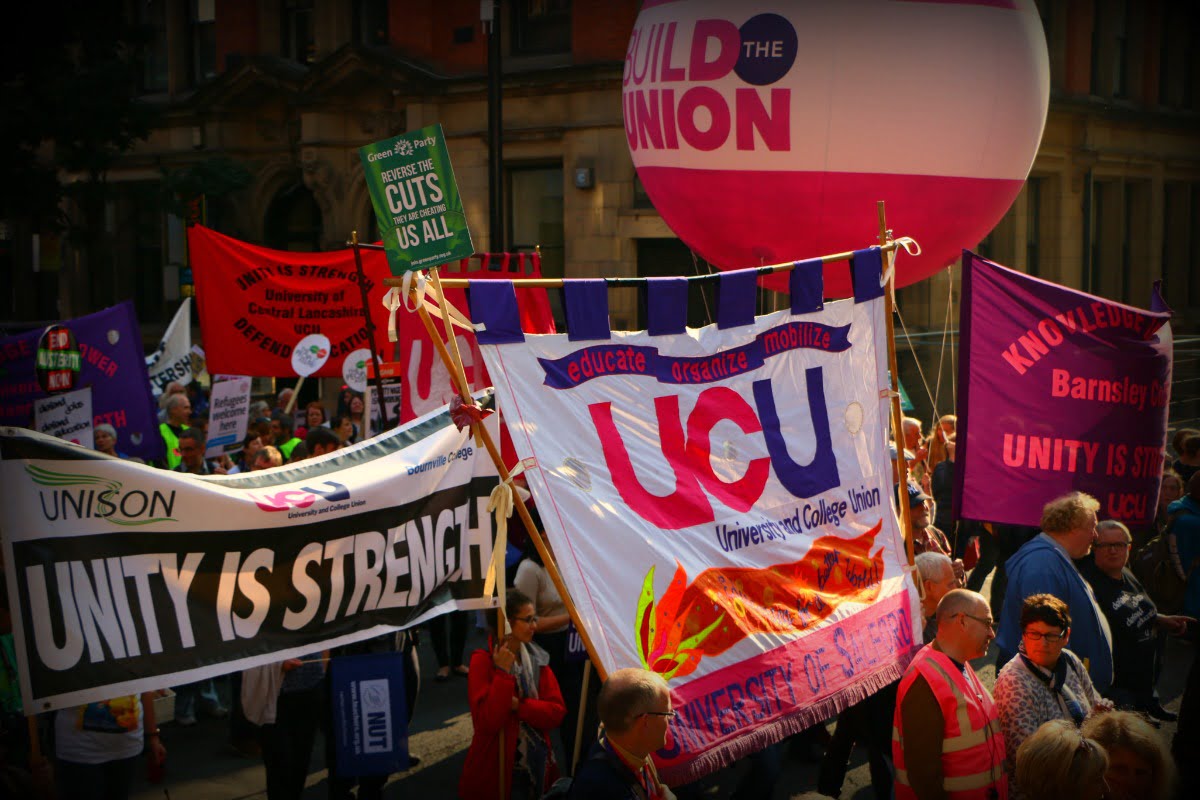

Despite weeks of active campaigning by local reps, the UCU ballot for industrial action in 2026 fell short. While nearly 70 percent voted in favour of strike action, the low turnout of 39.4 percent failed to pass the legal threshold for strike action.
After years of real-term pay cuts, casualisation, workload increases, and the prospect of nearly 20,000 job losses (including hiring freezes), this is a severe setback not only for the UCU but also for the other unions on campus, such as Unite, Unison, and EIS.
When the ballot was called it seemed that a militant mood existed in the union, even despite a certain demoralisation after general secretary Jo Grady sold the movement out in 2023.
The UCU congress this year demanded resumption of the fight, and its broadening out against not only the bosses, but the Labour government itself.
Many are left wondering, therefore, what happened for the ballot to fail.
Vibes or strategy?
While several motions calling for industrial action passed on the congress floor, the union’s leadership has failed to translate that into a vision and strategy for struggle. Without that, union activists have been hesitant to vote for another industrial dispute.
Year after year the UCU has taken strike action, only to reach a stalemate due to a lack of strategy. That’s why today we see many local union activists searching for ‘alternative methods of struggle’ such as legal challenges, art projects, or even appeals to tax people without a university degree. It’s not a sign of conservatism among the rank-and-file, it’s frustration with the lack of direction from the top.
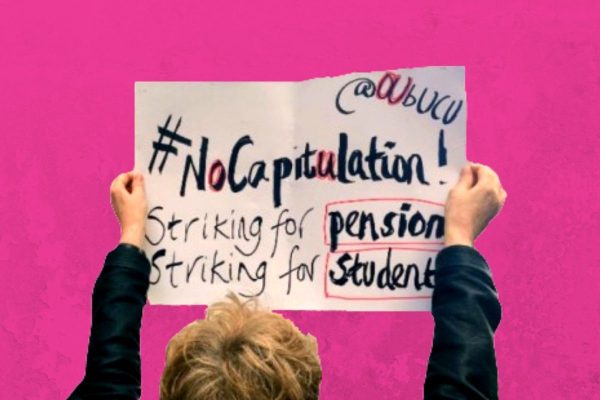
The strategic failures of the UCU leaders have been on full display since the congress. All they’ve done is issue vague demands in the direction of the University and College Employer Association (UCEA), which is a boss’s union. They want the UCEA to join the UCU in lobbying the Labour government for a “fair pay offer”, and for the protection of “existing national agreements over terms and conditions.”
In fact, the UCEA has already been petitioning for more money from the Labour government since it came into office. But Labour cannot deliver – despite its desire to avert class struggle – due to the pressures exerted by the bond markets on the budget.
The union did correctly point out that there is money in society to fully fund higher education. But the idea that this can be won through discussions with MPs over beer and sandwiches (or, more likely, herbal tea and biscuits) is completely utopian.
In fact, Labour’s current precarious situation leaves it vulnerable, and major concessions could very well be won – but only if they are fought for through militant industrial action.
Rather than fostering illusions in Labour (who have become hated by the rank-and-file), the UCU leadership should have used this hatred and the government’s weakness to bolster the confidence of its membership.
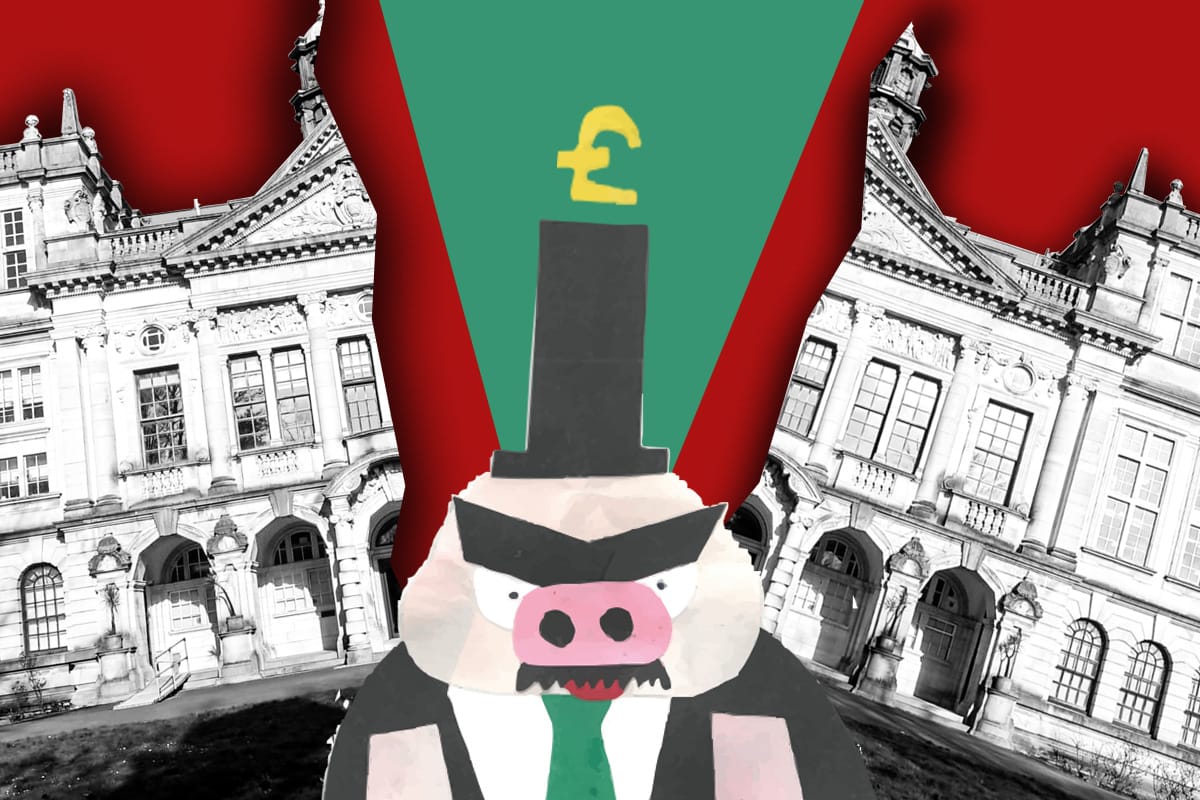
To prepare for the ballot, the union should have called for a united struggle with other public sector unions, under the slogan ‘for welfare, not warfare – for books, not bombs’: to draw out the hypocrisy of Starmer’s attacks on the working class at the same time as he is ramping up military spending, and demand instead that the billionaires pay for the crisis.
A strike is not a romantic affair – it is a battle in the class war. It costs time, energy, wages; and if it fails, the repercussions will fall on the very workers struggling for better conditions.
Why should union members be prepared to throw themselves into a struggle blindly, with no clear strategy or tactics, while the union leaders will continue to enjoy job security and six-figure salaries whether the battle is won or lost?
Why should we strike if our leaders simply plan to beg at the feet of this Labour government of the billionaires and war criminals?
These are the questions that needed answering and the hesitancy that needed overcoming to get this ballot over the line. But the leadership could only respond with a deafening silence, leaving local reps and activists alone to build for the vote without any meaningful support.
The fight ahead
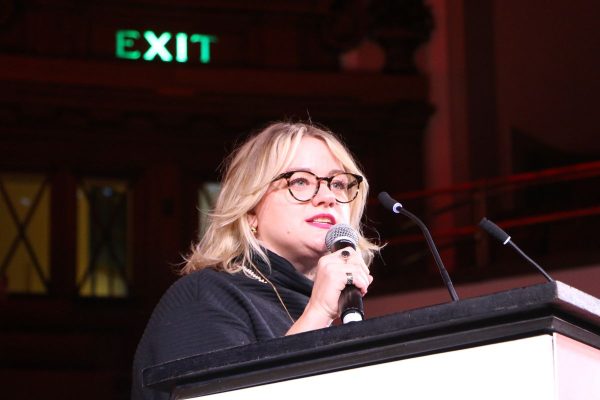
The truth is, the UCU’s current leadership and union bureaucrats are in no mood to fight. This is nothing new for Grady, who tweeted in 2023: “Our members don’t want to be on strike. Students don’t want us to be on strike. The employer must now step up immediately or see yet another academic year blighted by industrial action”. Hardly fighting words.
For this lot, talk of national strikes and taking the fight to Labour are just that: talk.
Jo Grady has proven herself bankrupt. Though no one is yet ready to take her place, there is great potential for such a leadership to emerge from the battles ahead. Most importantly, any new leadership must provide a vision of what can and must be won, and how to win it.
For our part, members of the Revolutionary Communist Party, both inside and outside the union, will continue to fight for the workers and students of every university, college, and workplace, and struggle to arm the broader labour movement with the revolutionary ideas needed to fight for the future that has been denied us.