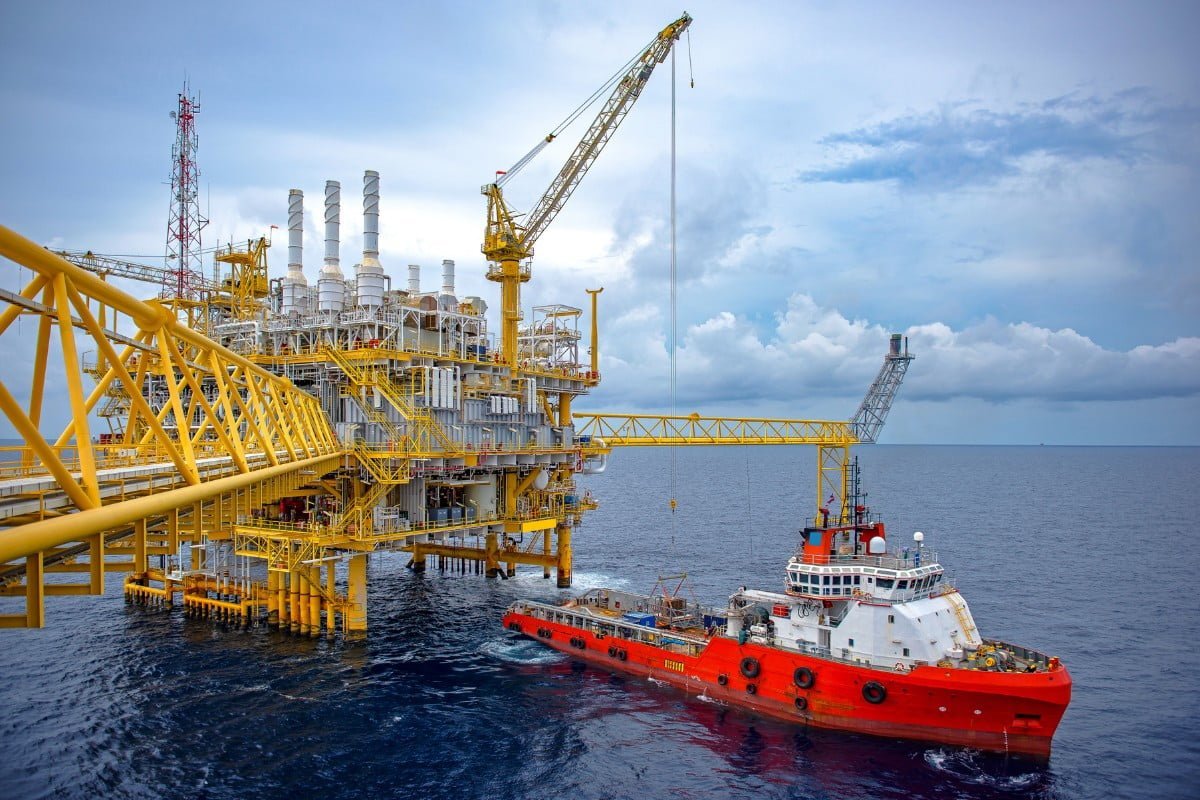

In recent weeks, Offshore Energies UK (OEUK), the main lobby group for the oil and gas companies in the UK, has ramped up its pressure on the government to expand North Sea oil production, citing the economic impacts of the Iran war.
These companies claim that Britain needs to protect itself from external threats to its economy. But are these companies really concerned about the safety of British people, or are they just in it for their bank accounts?
These companies argue that oil and gas expansion would lower bills. But when these companies effectively hold a monopoly position, then what is their incentive to offer a significant reduction to their prices?
Just look at the United States: a country that is self-sufficient in energy, yet where prices are continuing to rise for petrol and other other oil derivatives.
In fact, there isn’t much oil left in the North Sea, with reports saying that 90 percent of the oil has already been extracted. This remaining 10 percent would be more tricky and expensive to extract, and would also have no longevity as a resource. And that’s before we even get to the environmental damage caused by such projects.
Ed Miliband, the Minister for Energy Security and Net Zero, entered Starmer’s government on the promise of making Britain a ‘clean energy superpower’ and to lead a green transition. He has not come anywhere close to achieving this.
Energy bills are falling today as a result of action we have taken on the cost of living.
The route to energy security and lower bills for good is through clean, homegrown power that we control.
My latest for the @DailyMirror👇https://t.co/Nkzmhynte9
— Ed Miliband (@Ed_Miliband) April 1, 2026
He is expected to approve the first oil and gasfield project in over ten years at Jackdaw, which would only lower UK gas imports by a measly two percent.
This is in line with Labour’s utopian ‘securonomics’ policy, which entails them trying to revive British industry – what’s left of it, anyway – to offset Britain’s reliance on foreign imports, in an increasingly unstable and fractured world. If the closure of Tata Steel and the Grangemouth refinery is anything to go by, this policy has totally flopped.
And even this proposed oil and gas expansion would be a drop in the ocean compared to nationwide demand.
The previous Tory government handed out hundreds of licenses to fossil fuel companies between 2010-2024, and they were only able to produce an extra 36 days-worth of gas! They are quite literally scraping the bottom of the barrel.
Revolving door
So, if the opening up of new oil and gas fields isn’t intended to lower Britons’ energy bills, as the government claims, what are the real reasons behind this move?
What we have seen since Labour came into power is that the oil and gas lobby has essentially been sitting in government, they have given a ‘backstage pass’. They met with Ed Miliband 91 times in the government’s first year, which amounts to a third of all of his meetings.
It is not only that the oil and gas lobby sits in on policy meetings behind the scenes, but the revolving door between business and government is continually spinning. Over 100 figures from the oil and gas sector have taken up senior government positions, and even dozens of spots within the oil and gas watchdog – a supposedly ‘independent’ regulatory body.
When asked whether the plans for new gasfields should go ahead, the former chief executive of British Petroleum, Lord Browne said:
“Absolutely, because they’re investments which have been partly made. And I think stopping investments halfway through is not a good sign to the market to have confidence in the investment environment in a country.”
It was even reported that the energy companies would invest £150 billion into the stagnant British economy if Labour got rid of the ‘windfall tax’. This would allow these companies to make super-profits from the increase in oil and gas prices, like the record profits made at the start of the Russia-Ukraine War. These monopolies are essentially holding the government to ransom to make enormous tax-free profits.
None of these people can be trusted to transition to cleaner energy, as long as bumper profits can be reaped out of fossil fuels. Nor are these companies going to abandon fossil fuel extraction when they have already sunk large amounts of capital into their North Sea sites.
Fossil fuel usage is surging globally, due to everything from AI datacentres to the rising demand for air conditioning, itself a product of climate change. Oil and gas companies, meanwhile, only contribute one percent of the total clean energy investment worldwide.
The opening up of new oil and gas fields is not a plan to help ordinary people with their bills, nor is it a plan to transition to cleaner energy to prevent climate catastrophe. This is a plan by the fossil fuel giants to eke out as much profit as possible.
It is clear that the climate crisis cannot be resolved by the cabal of monopolists, lobbyists, and paid-for politicians looking out for their own self interest.
We must nationalise the energy companies, and plan the economy in the interests of people and planet – not profit.