


Three trade union leaders killed in Venezuela
We
have received news of the assassination of three prominent trade union leaders
in Venezuela. Their comrades point the finger at the bosses in the Colombian
owned Alpina factory, where the workers are on struggle and where the three
killed comrades were coming from. They also point out the responsibility of
Didalco Boliviar, former governor of Aragua, defeated in the regional elections
last week. Didalco, was elected on a Bolivarian ticket but then joined the
opposition, and was known for his support for the bosses and the use of the
regional police against the workers.

World capitalism looks into abyss
Five
years into the occupation of Iraq
and seven years after the war in Afghanistan started the Americans
and their allies are bogged down in an unwinnable situation. Even if they
withdraw from Iraq
in the medium term future, the political and social repercussions of the war
will go on for decades. The attempt to carve out a new sphere of influence in
the Middle East, and thus guarantee oil
supplies has proven to be a lot more difficult than the American Imperialists
imagined, and serves to demonstrate the limits to the power that they can
wield. The New World Order has become disorder and the economic and financial
crisis in America
brilliantly confirms Trotsky’s analysis when he explained that the cost of the
growth of American Imperialism was to accumulate “dynamite in its foundations”.
US elections: Welcome to the “School of the Democrats”
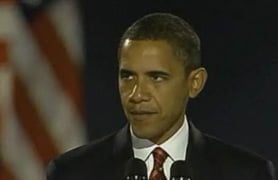
The U.S. has elected a new president,
Barack Hussein Obama. Along with the dramatic turn in the economic situation,
this marks a definite turning point in the history of the country and of the
world. Big illusions have been created that Obama will provide “change”. What
American workers have voted for is an end to policies that benefit the rich,
but Obama does not represent real change. In the coming years workers will
learn from real life experience that what is required is a genuine voice of the
US working class, and that can only be a mass party of labor.