‘Recession indicators’
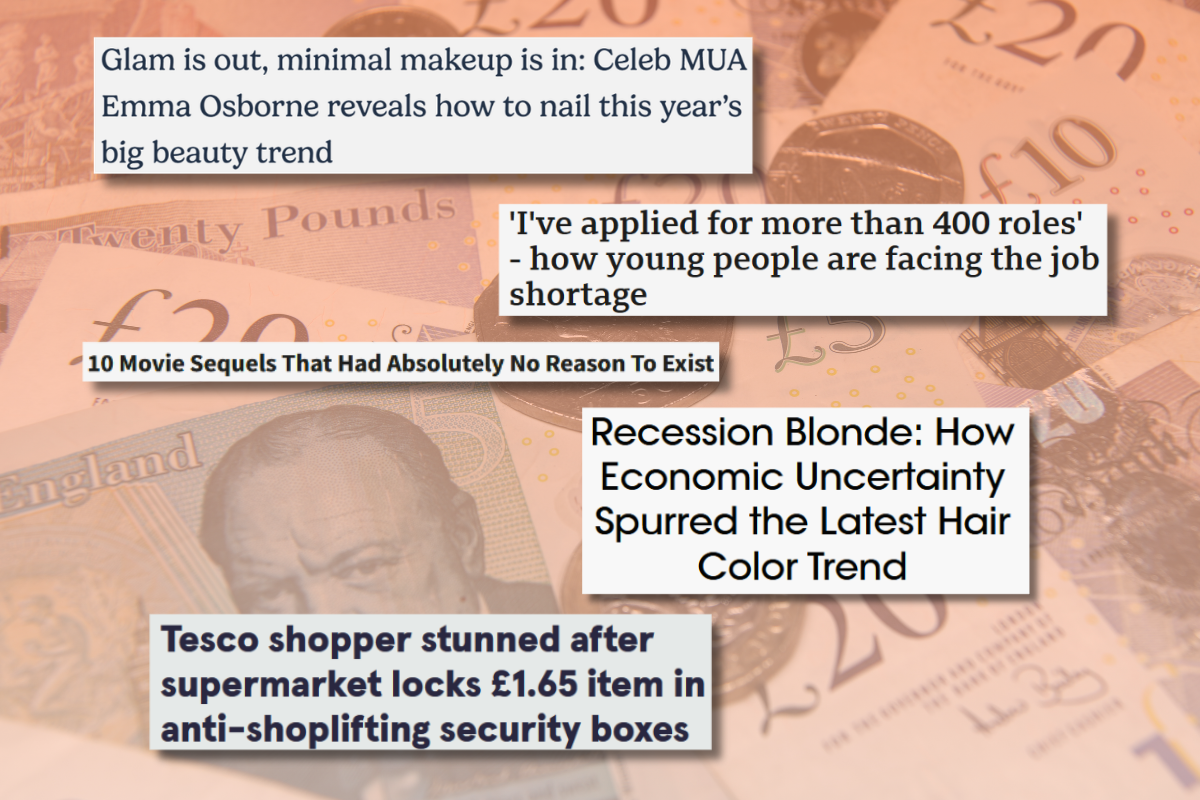
Recently, numerous online videos have gone viral with the caption “recession indicators”.
Usually, they are depicting things like supermarket security cases locked onto goods that cost less than £5; people showing their thousands of job applications whilst still remaining jobless; and jabs at film franchises that are resurrected in sequels or remakes for no reason other than to eke out profit.
According to these videos, these ‘indicators’ that the economy is nosediving really exist everywhere, if you care to look – from costly, high-maintenance hair styles being ‘out’, to the fact that make-up trends have shifted towards looking ‘natural’.
What these viral videos reflect is that young people feel the crisis of capitalism deeply in all aspects of their everyday lives – whether the economy is technically in recession or not. They see its impacts everywhere – in fact, they’re looking out for them. They’re connecting the dots.
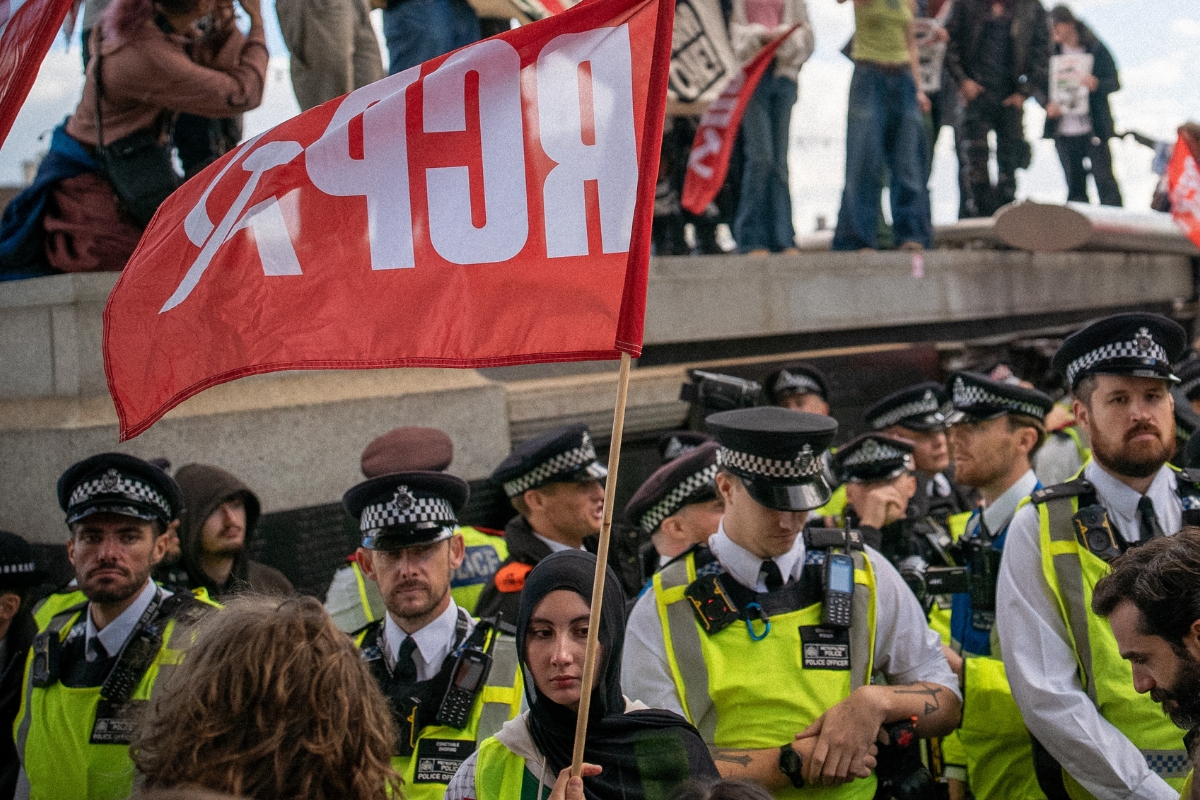
What will happen when these same young people see more of the Epstein files released, more of the billionaire paedophiles walking around untouched by the ‘authorities’, while their nan was arrested for having pro-Palestine sympathies?
Soon enough, instead of ‘recession indicators’, we’ll be talking about ‘revolution indicators’!
Netta Hociej, Leeds
The reality of a student’s summer ‘break’
I work mornings cleaning the Student Union, so I’m up at 6am. It pays well but it’s ‘zero-hours’, and I often get shifts changed with short notice. On the way out I pass my flatmates, returning from their night shifts working in fast food.
During work, I get a grade released. I check it after reading about a ceasefire violation, a natural disaster, and another government scandal. I go back to work.
After work, I pick up my prescription. The NHS refuses to cover it, so I’m forced to go private, meaning an entire paycheque gets eaten up for three months of meds.
I get assigned more shifts after clocking out: now my weekend with my long-distance partner has been cut drastically.
I get back and work on my summer research project. After a year of relentless study for my physics course, I’m researching between the academic years, desperate to try and be employable when I graduate.
Another news notification. Youth unemployment has climbed again.
View this post on Instagram
I sweep up yellow-sticker meals from the local shop for my food. It still chews through another week’s pay.
I get a wave of toothache for an issue I’ve had for four months. Lincoln has some of the worst dental cover nationally – if I don’t go private, the tooth will die and be removed. I’ve just turned 21.
The RAF’s red arrows practice in the skies overhead, while I look at another closed high street shop – the fifth or sixth this year by my count.
I use my evening to cover its windows with communist posters. We deserve a future so much better than this: one with no more billionaires, and no more suffering.
Scarlet, Lincoln
Gifts from the unkind
Working in a charity shop, I receive parcels from the anarchy of the market through the door every few weeks. They come in boxes marked ‘gift in kind’ – donations of unsold stock from large corporations, mostly Amazon.
It’s not all bad: we can sell the glue guns, sunglasses, copper wire, and jigsaws. But we also get hundreds of rolls of stickers saying “thank you for supporting my small business” (fuck you, Jeff!), and all kinds of crap that will never sell, but nonetheless take up our shelf space.
The point is that it doesn’t matter to Amazon what they give us – they’re just clearing their own shelves of what won’t sell.
Still, Bezos is richly rewarded for his shelf-clearing. Last year, Amazon was handed £7.6 million in tax credits, including for its “charitable donations”. Meanwhile, hundreds of charity shops are closing their doors – and the issues these charities try to address are getting worse.
I work for a charity dealing with child poverty. 15 percent of Amazon workers in the UK, including those with young children, have to use food banks because of Bezos’ poverty wages.
He gets £7.6 million of public money – we lost 45 stores.
No charity can fix Britain under these conditions, no matter what donations we receive. We need to take the fight to the parasites at the top, sweep them off the shelves, and use the wealth we produce to provide a decent standard of living for all!
LS
‘NHS’: No Help Service
Getting help from the NHS used to be relatively painless – but today it’s the opposite.
I’ve had severe chronic pain for months, which was diagnosed under a known disability.
Initially, the pain was written off due to me being more active than I used to be: “Oh, it’s just your body getting used to you being up and about again”. I was told to get back in contact if it got worse.

I reached out to my GP in December. I assumed (wrongly) that I could get an appointment, start some of the recommended medications I’d been told about – that kind of thing.
What I got instead was a recommendation for ‘laughter yoga’ or to take paracetamol. Attempts at getting a further appointment have been met by a veritable brick wall!
My experience is not unique. Recently, a poll revealed that 33 percent of people had a negative experience with their GP, and only 26 percent are satisfied with the NHS overall. Another study found the UK now ranks among the lowest in wealthy nations for avoiding premature death from “treatable mortality”.
This is the ‘healthcare’ provided to the workers: being ignored, shunted away, and left to writhe in pain or die. All whilst staff within the NHS are overworked and spread thinner and thinner.
The NHS is fundamentally broken. There is no other way to fix it than expropriating the billionaires’ wealth to fund it, and putting it under workers’ control.
James Sunderland
Careless capitalism
I regularly see overstretched careworkers doing 12-hour shifts more than four times a week. For most careworkers, there is no system like a ‘four on, four off rota’ in sight.
These crushing conditions bring forth the question: “how does all this affect the quality of care being given?” Even though these workers try to give the best care they can with the resources they have, it’s no wonder care quality is slipping. It’s bound to happen.
It’s clear these staff are burning out. They get little to no support for their duties.
When they need time off, they either have to jump through ridiculous hoops, or bargain with each other to swap shifts. Often, they’re left just having to take the day off unpaid, which most can’t afford to do.
Working such long hours, day in and day out, they start to feel disconnected from their work – the work becomes a means to survive, rather than fulfilling a purpose. The quality of care starts to slip even further. Again, it’s bound to happen.
The bosses have shown they won’t ever prioritise wellbeing over profits – neither the wellbeing of workers providing the care, nor those being cared for. It’s well past time for them and their system to go!
Sophie, Newcastle
British capitalism is out of pressure valves
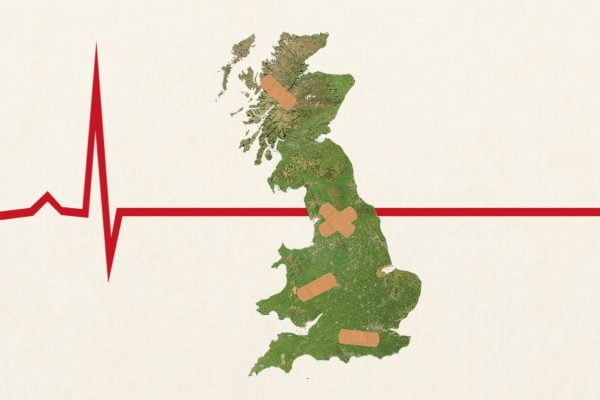
I work in a factory that manufactures pressure valves. You would think that an enterprise which specialises in safety valves would make sure that their quality standards are of the highest level, right?
Wrong! Customers frequently send back the valves due to them either not working or being damaged.
This is because the company has completely neglected reinvesting into their own production. Our decaying CNC machines are from the 1970s, spending most of their time breaking down or producing faulty parts.
Our tools don’t work and there is barely any assembly documentation. I had been provided more training on how to pour a Guinness at Wetherspoons!
A bad valve makes just as much money as a good valve. Why waste money on improving manufacturing technique, when you can make more money mass producing what is essentially scrap metal? British manufacturing didn’t die, it committed suicide.
Doc, Bristol