Growing up in a working class, conservative, and predominantly white village, I was barely exposed to people of any other cultures.
I listened to the beliefs about immigration that were being constantly parroted by those in my right-wing household. Now, I realise I was essentially listening to the views of the ruling class.
I supported Reform at the last general election. I didn’t read their manifesto, and I didn’t particularly care for their policies – I just felt a deep unfairness.
I didn’t understand why the government was able to take in refugees while my living conditions were crumbling. I was pushed to believe in ‘two-tier policing’, having been failed by the police force myself.
But then, I remember the views of people around me shifting even further right.
My dad started to spew Islamophobia under the guise of ‘protecting women’ – while, ironically, openly supporting predators such as Russell Brand. The far right is full of unsavoury characters, some of them previously convicted of violent and sexual crimes.
Right-wing accounts constantly share obvious misinformation, too – it became clear these people were not offering real solutions to the problems of working people, they were just full of hatred and xenophobia.
As I moved away from Reform, I looked to the Greens initially. I felt like Polanski was the best option we had with his policies around social reforms and “taxing the rich”. However, despite all the things he said, I still felt that he was detached from working people’s reality.
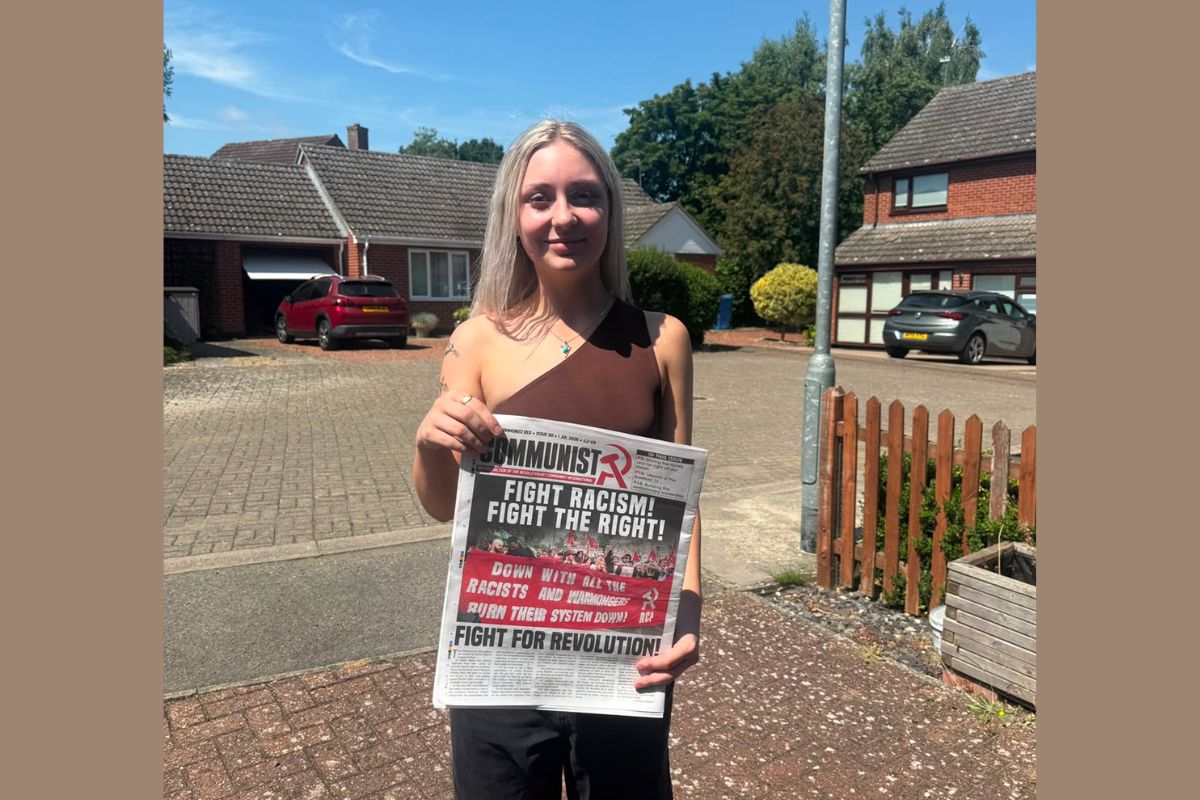
At first, I felt a similar way about communist ideas too. It was regular conversations with a friend from the RCP, who patiently explained communism to me, that truly convinced me of the possibility a communist future.
Now, for the first time since becoming socially and politically conscious, I no longer have that constant sense of dread when I think about what the world could be like.
My experience becoming a communist
Helena White, Hull
There is a photo of me at eight years old, standing in my grandma’s kitchen wearing a homemade red, white, and blue tutu. I’m clutching Union Jacks as I smile for the camera.
I was dressed up for my primary school’s celebration of ‘British pride’. Like many families, ours could not afford all new clothes for a single day.
Although years had passed since the 2008 crisis, its effects lingered – my parents regularly went without comforts to make ends meet.
In the years that followed, the far right became increasingly visible in my hometown.
In 2024, this culminated in violent riots. On my way home one day, I walked through a car park in which, just half an hour later, a mob would drag the father of an immigrant family from his car while his children sat inside. Chants of “kill them” and “get them out” filled the air before the car was set alight.
Saturday 3 August 2024
Bristol, England pic.twitter.com/d7OyjWCOqX
— Claudia Webbe (@ClaudiaWebbe) August 3, 2024
The image of Britain I had cherished as a child collapsed. Pride was replaced by shame as I watched far-right groups weaponise patriotism against migrants and divide working people.
Increasingly, my peers are now reaching their own conclusions about class and the connection to the hardships they experience – we can’t find jobs, or homes, and this is rightfully radicalising individuals like myself across the country.
Events like these solidified my identity as a communist. I saw how the same system that had pushed my family into poverty also created the conditions in which hatred could flourish.
Joining a branch of the Revolutionary Communist Party has given me a way to organise against all of this exploitation and division. Despite everything, I remain hopeful – I am committed to building a movement capable of transforming society and the collective struggle for a better future through the RCP.
Hope not hate?
Ben Cownley, Manchester
‘Hope not Hate’ is ‘Britain’s leading anti-fascist and anti-racist organisation’ – at least, according to their newspaper that they put through my letterbox.
Their paper aims to keep locals informed of their campaigning, which sounds like a good idea. But in practice, after giving it a read, it just reveals how they don’t have anything like a plan.
The majority of the paper is news about local volunteering and events. Rather than discussing the emergence of groups like Britain First, and how we can sweep them away, they want to ‘bring communities together’ by showcasing the people who ‘make the streets better’. They want to look on the bright side of life, basically.
One page out of eight in total is about Reform. And then they put stock in Burnham because he has done a “good job” for Manchester – but conveniently ignore how he shares Farage’s views when it comes to immigration. Why let facts ruin a lovely story.
I think using a newspaper to coordinate and educate the movement against the far right is a good idea — but Hope not Hate’s ‘help your community’ outlook is not something people can build around.
It’s the austerity cuts required by the capitalist system which are tearing down communities and creating the fertile soil for Farage’s reactionary, anti-migrant ideas to grow. But there’s no mention of these in this newspaper; no tools to understand and fight back against the capitalist class’ attacks; no explanation for who is responsible for the state of things.
We won’t defeat these thugs by just refusing them our attention and thinking positively, or encouraging people to ‘get along together’.
What we need is to stop these goons in the streets, sweep out the system that whips up this violence, and organise society around a socialist programme that ensures working class communities aren’t divided, but united!