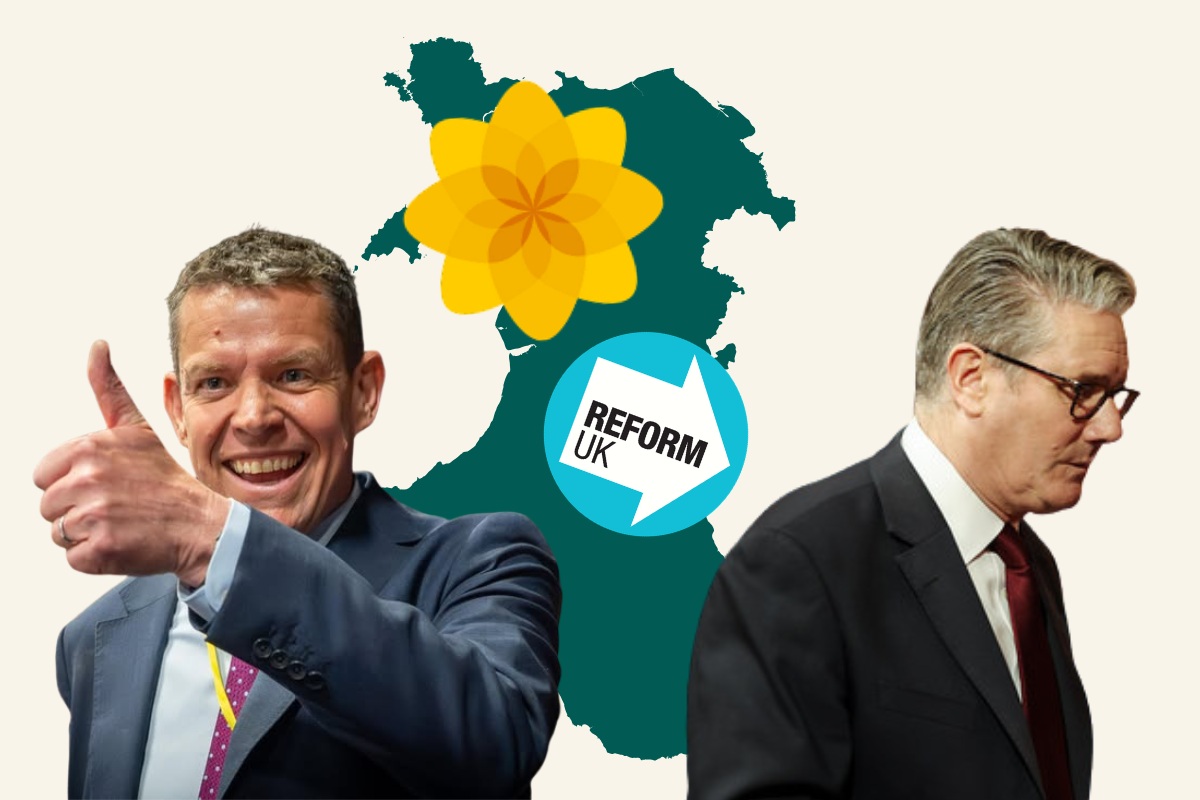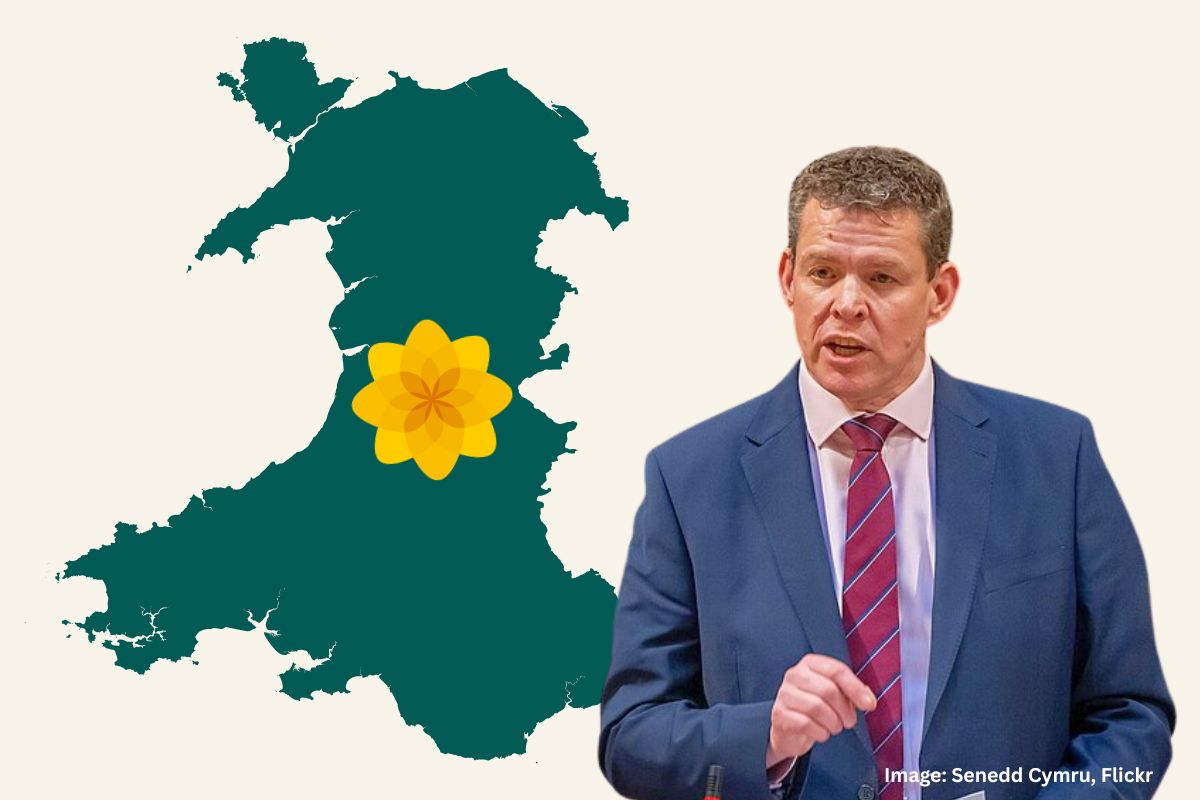
A full 101 years after its founding, 2026 saw Plaid Cymru – the Welsh nationalist party – finally have its chance at governing Wales. Unfortunately for Plaid, its first chance at leading the nation coincides with the deepest crisis British capitalism has ever faced.
With economic stagnation, austerity, and ballooning debt bearing down on Britain, Plaid faces serious headwinds in trying to carry out its programme of national economic development and investment in public services.
No progress made on austerity
We’re currently one third into Plaid’s first year in office, and there is little positive to show for it. Plaid is no closer to achieving its headline promise of eliminating two-year NHS wait times in its first year.
Another promise made in Plaid’s 2026 manifesto was the introduction of ‘transformative’ free childcare. This was one of the key promises that propelled Plaid to power.
View this post on Instagram
Childcare in Wales is in a dire state. Resources are facing critical constraints thanks to a prolonged lack of funding for training new staff. At the same time, existing providers are able to gouge working class families in desperate need of these facilities.
A single nursery spot can cost as much as £400 a week – or more, depending on the location and demand. This is simply unaffordable for working-class families, forcing many mothers in particular to abandon their hopes of a career.
Four months in, and this is now the issue stripping the shine from Plaid, which evidently made this promise without any real plan of how it would carry it out.
Cabinet Minister Dafydd Davies was recently grilled on this question in an ITV interview. His response was, “we’ve engaged consultants and experts” to help plan the programme, and “approached colleges” on increasing placements and training for more childcare staff. But when pushed on numbers and timeframes, the Cabinet Minister was unable – or unwilling – to give any concrete answers.
Militarism, culture wars, and devolution
In another disappointment for the voters who backed Plaid in the recent elections, the Welsh government is using public funds to support arms fairs in Wales.
The Defence Security Resilience Cymru Summit brought together bloodstained war profiteers and suppliers of the genocidal Israeli state. Whilst claiming to be neutral in words, Plaid Cymru is actively supporting the UK’s drive towards militarism.

On top of arms fairs, Wales has three universities now taking part in the Defence Universities Alliance, a programme designed to turn universities into recruitment and research centres for the British war machine.
And despite promises to build a ‘strong and inclusive Wales’, Plaid has joined the establishment’s culture-war bandwagon in attacking some of the most vulnerable groups in society, including trans people.
Plaid has continued to back the recent controversial changes to the Equality and Human Rights Commission on single-sex spaces in England and Wales. On top of this, Wales has paused surgeries for gender-affirming care over supposed ‘concerns’ over the number of referrals.
Plaid’s policy claims to focus on expanding rights and healthcare access, but its actions speak louder than the hollow words they proclaim.
Finally, with Andy Burnham shrugging off the First Minister of Wales’ calls for a ‘new deal’ to put Wales on an equal footing to Scotland, further devolution – let alone independence – seems like a remote possibility.
How will voters respond?
Nearly half a million people voted for Plaid in 2026, in the hopes of seeing a change in direction for Wales. The death of Labour’s majority in Wales was seen as an opportunity for a different path. Yet so far, despite the promises made, the Welsh nationalist party has simply delivered more of the same.
For some voters, disappointment over questions like childcare has already set in – they feel like the rug has been pulled from under them. For more enthusiastic Plaid supporters, the attitude is, ‘it’s still early days, we need to give them time’.
But as with the rest of the UK, most people didn’t really expect much better from any politician or party. Many voted for Plaid – and Reform – simply to give Labour a good kicking.
With Burnham’s Labour unlikely to claw back much support in Wales, where people feel a burning sense of betrayal after decades of austerity and decline, Plaid will likely continue to enjoy a certain level of public support for the foreseeable future. But, as with the SNP in Scotland, this will hardly be based upon genuine enthusiasm.
The reality is that the capitalist system in Wales, Britain or anywhere in the world, can offer no improvements to the lives of working people. Only with the workers in power can we meet the needs of all of society, providing childcare, jobs, and the healthcare people desperately need and deserve.