




Bangladesh: Facing the Rice Crisis
In Bangladesh politics revolves round
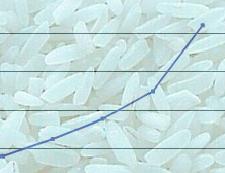
the prices of staple foods. The price of rice in Bangladesh has a correlation with
poverty, economic and political stability. In 2000, a wage labourer could buy
6-7 kg of rice with his daily income (Taka 60 per day, about 43 p). Now, less
than half of that can be bought, even though the income has risen over time. Rising food prices stand out as a problem that, if left
unresolved, could derail all political predictions and spell disaster for the
country in 2008.

Thoughts on the dawn of a New Year
As the New Year begins Alan Woods comments on the state of world
affairs, highlighting the impasse facing humanity, a direct consequence of
capitalism in its phase of senile decay. At the root of the present world
turmoil is private property of the means of production, a system based on greed
for profit. In the next period the workers of the world are faced with the task
of removing the system.

More Reality Strikes Hollywood!
The Writers Guild of America strike continues in the US, winning
an important victory with the cancellation of the Golden Globe awards show through union solidarity. The strike shows that it is not only industrial workers who are able to organise effectively. How this strike unfolds will have implications for unions throughout the US.