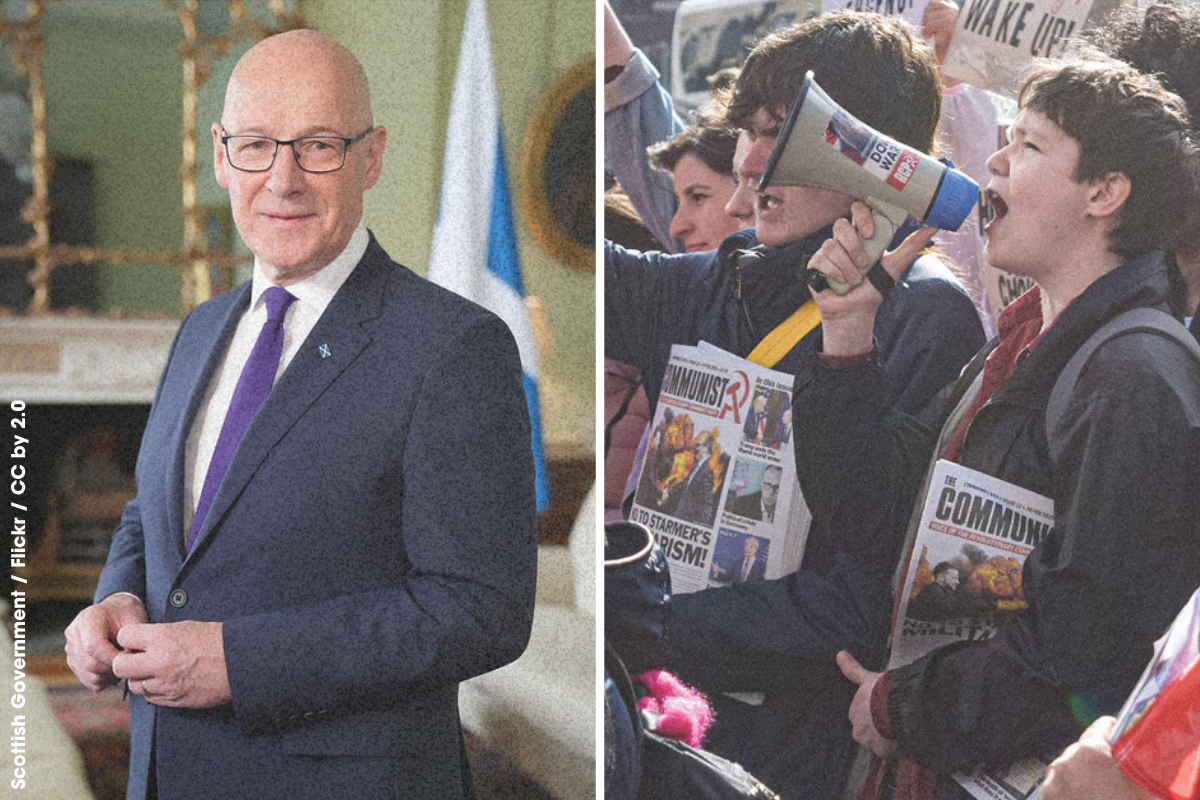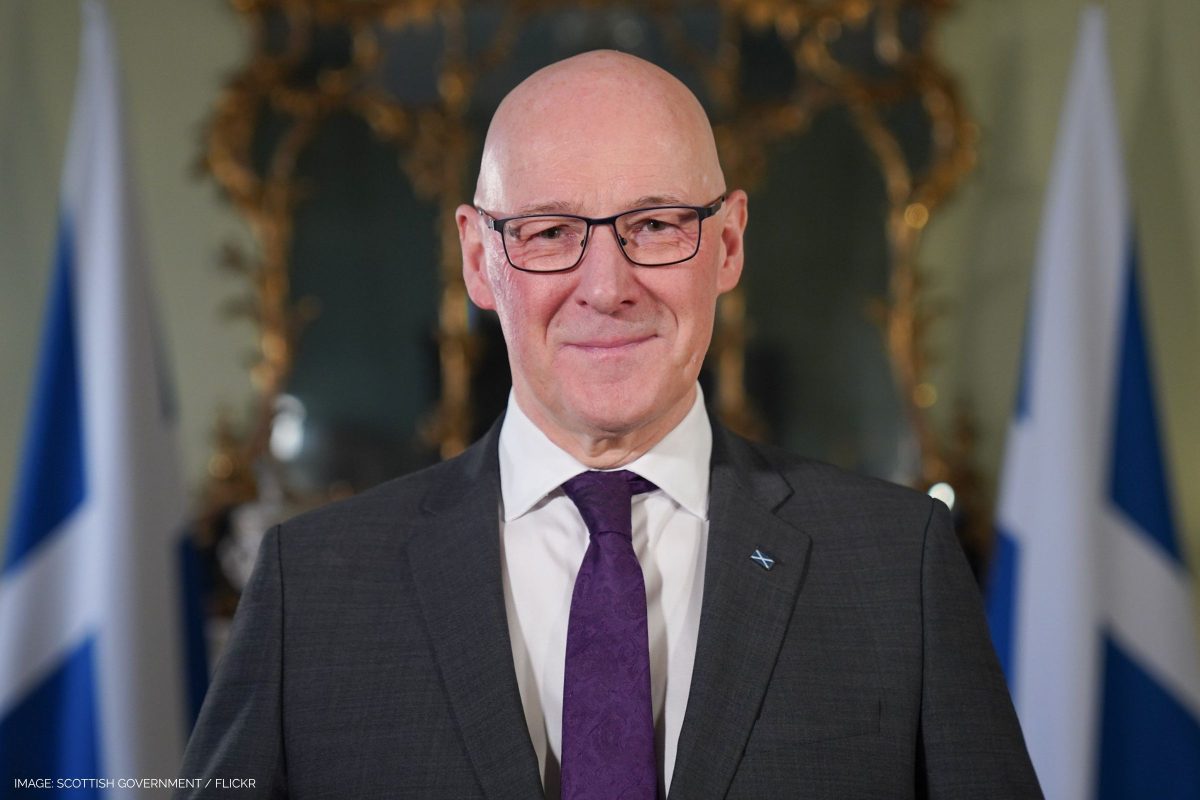
As the Scottish government returns from its summer recess with its ‘Programme for Government’ announced, SNP leader John Swinney is facing heat from both his opponents and his own supporters.
One of the most anticipated parts of the Programme was the SNP’s plans for AI data centres. However, all Swinney could proclaim from atop his fencepost was that there will be an announcement of a plan… at some point.
Whilst opposing the UK’s AI-bubble frenzy may be an opportunity for Swinney to undercut Andy Burnham and win some favour back from voters, it would anger the other pillar of SNP support: Scottish big business and foreign capital. This is what is leaving Scotland’s First Minister flip-flopping on what he wants to do.
The North Sea oil debate seemed like another opportunity for Swinney to swipe at Burnham, with the Prime Minister set to announce plans to open up the Jackdaw oil field, despite previous challenges from the Scottish courts. But again, Swinney can be found sitting pretty upon the fence.
If he opposes Westminster’s plans, he might get some clout for appearing to uphold net zero, but he would also get a beating from workers and communities who depend on the oil and gas sector, who are being given no say in the so-called ‘just’ transition.
Most importantly, such opposition would upset the very AI investors that Swinney has been trying to court, due to the sky-high energy needs of data centres.
Independence tiff
It’s no surprise that with all of this confusion, last week Swinney picked a battle with Westminster that comes completely free of charge, by capitalising on Burnham’s recent blunder on Scottish independence.
Swinney and the ‘pro-indy’ media played up an off-hand comment by Burnham into a claim that a Scottish independence referendum could be triggered if a majority of Scots favour one. Burnham later clarified his position that a referendum remains “off limits”.
This tiff is ultimately an inconsequential distraction. A referendum is not forthcoming: Westminster is not obliged to give one; the SNP unwilling to fight for one.
Continuing the charade, three nationalist First Ministers – from Scotland, Wales, and the North of Ireland – held their summit on the constitution this week. This was nothing but a talking shop, which Swinney will use to quiet SNP members who are continuously pushing him for a more definite road to independence.
A conference bringing together the leaders of the nationalist first ministers of Scotland, Wales, and Northern Ireland is underway in Cardiff.
They are signing a commitment to work together on areas of shared interest. pic.twitter.com/msCUbRALa1
— Sky News (@SkyNews) September 14, 2026
What is fast approaching, however, is opposition to the SNP’s plans to cut welfare and open Scotland up to the big-tech parasites. The fault lines of the SNP’s model – relying on class anger to gain votes, whilst pleasing the Scottish bosses and bankers – are widening into fissures.
For example, one voter interviewed at an anti-data centre protest said that she would not vote SNP in future if Swinney didn’t stand up for Scotland on the issue.
Within the SNP itself, the party’s national council has opposed Swinney’s position on data centre planning, and NEC members are taking to the opinion pages of The National to beg ‘scunnered members’ to attend conference.
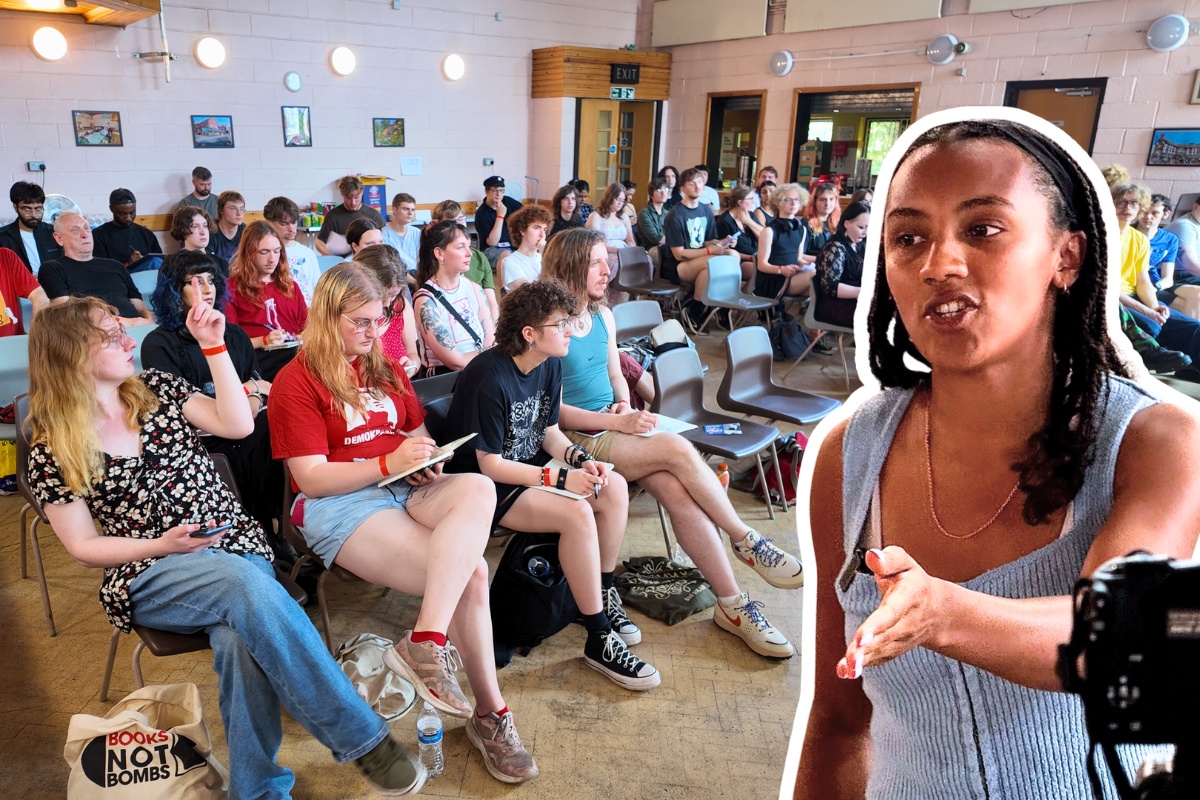
The SNP’s crisis has been a long time in the making. When you promise everything to everyone you can be popular for a period, but this can quickly turn on its head. Radical youth in Scotland are already looking far beyond the SNP – and we intend to meet them there.