The Lessons of Chile 1973
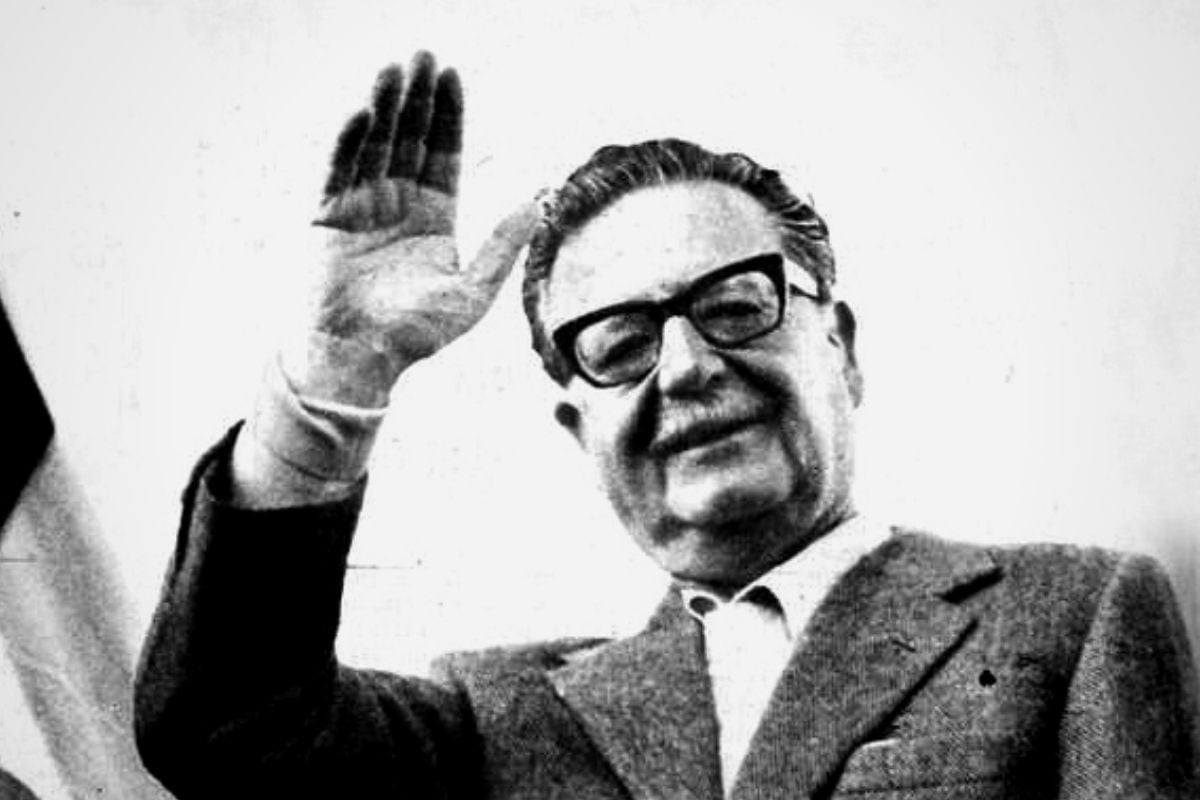
Who was behind Pinochet’s coup? What interests was he defending? What were the policies of the Allende government and why was he unable to prevent the coup?
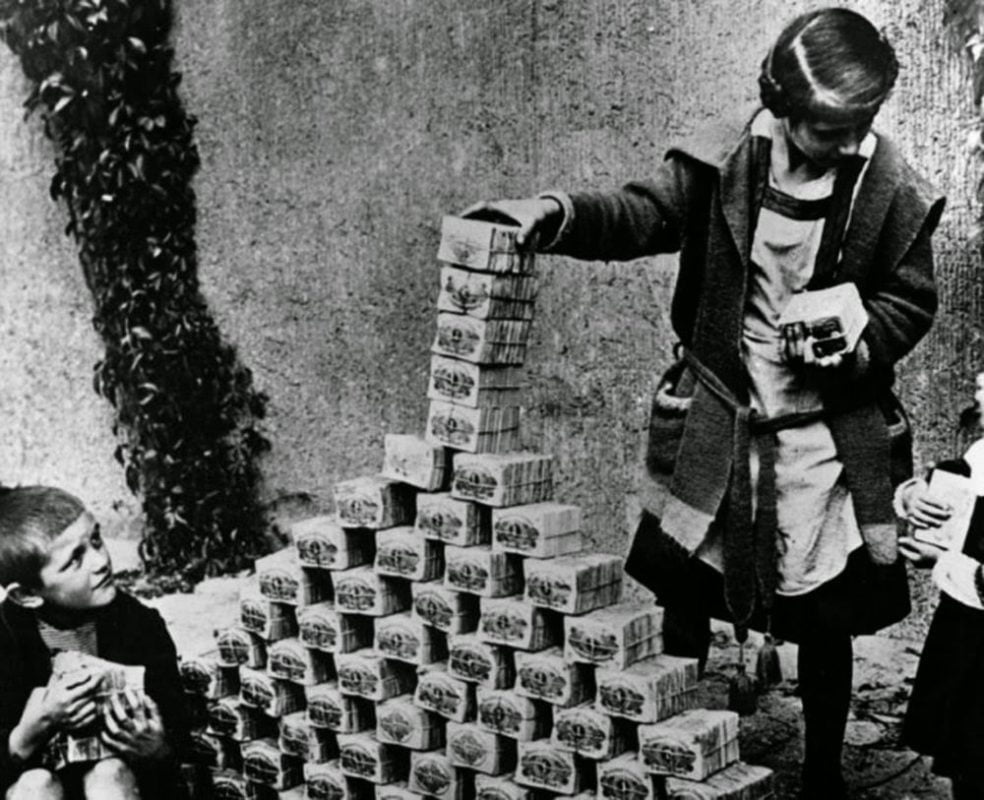
This year marks the 90th Anniversary of the German Revolution of 1923. The tragic failure of this revolution marked a turning point and represented the end of the revolutionary wave that had swept Europe from 1917 onwards. It is no exaggeration to say that the consequences of the failure of the 1923 revolution determined the fate of Europe. A victory for the working class in Germany would have prepared the way for the European socialist revolution and would have changed the course of world history.
Today (March 18th) is the 140th anniversary of the start of the Paris Commune of 1871. We mark the event by re-publishing Greg Oxley’s account of this important event, first published in 2001. Greg is a supporter of La Riposte, the French Marxist paper.
This year marks the hundredth
anniversary of one of the great events in modern history. On November
20th of 1910 Francisco I. Madero denounced the electoral fraud
perpetrated by President Díaz and called for a national insurrection.
This marked the beginning of the Mexican Revolution. Today, the
conditions have matured for another revolution, this time with a mighty
proletariat at its head.
Ninety years ago, on the morning of 13th March 1920, a brigade of
soldiers marched into Berlin and declared the German government of the
Social Democrats to be overthrown. Not a shot was fired by any side and
the response of the leaders of the government was simply to flee. The
very forces which the Social Democrats had place so much trust in had
turned against them. The Kapp Putsch, as it has become known as, was
challenged instead by the workers.
Ninety years ago, on the morning of 13th March 1920, a brigade of
soldiers marched into Berlin and declared the German government of the
Social Democrats to be overthrown. Not a shot was fired by any side and
the response of the leaders of the government was simply to flee. The
very forces which the Social Democrats had place so much trust in had
turned against them. The Kapp Putsch, as it has become known as, was
challenged instead by the workers.
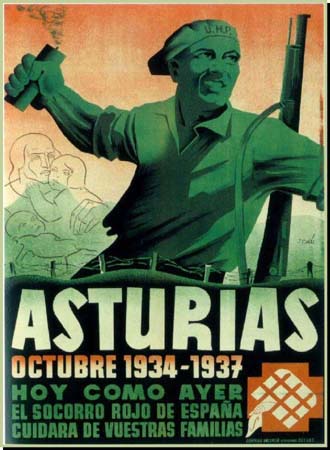
Yesterday (Monday 5th Oct) marked the
75th anniversary of the
Asturian Commune. The mining and industrial region of Asturias in Spain
witnessed one of the key revolutions of the 20th century. We want to
bring to the attention of our readers an article by Ramon Samblas
written in 2004 for the www.marxist.com website and Socialist Appeal.
Here is part two of Alan Wood’s article on the history of the French Revolution, first published in 1989 to mark the 200th anniversary of the storming of the Bastille
In 1919, the workers of Limerick undertook a two-week long general strike, in which a strike committee or ‘soviet’ made steps to establish workers’ control. However, due to the betrayals of the reformist labour leaders and petty bourgeois nationalists, this inspiring episode proved to be short-lived.
Thirty years ago the overthrow of 2500 years of monarchy brought Iran to the attention of the world. However, what many experts, journalists and academics concentrate on is that the Shah left the country forever on January 16 1979, and that on February 1 Ayatollah Khomeini returned to Iran and was greeted by over three million people. This has helped to create the big myth that this was an ‘Islamic revolution’ and a rejection of modernity.
In November we wrote about how the German Revolution ended
World War I in November 1918. After 4 years of intense warfare, the
German workers and soldiers ended the war that had cost millions of people their lives. The
emperor fell and a Social Democratic government came to power. This was
Germany’s own equivalent of the Russian "February Revolution" of 1917
that overthrew the Tsar.
The workers and soldiers had taken power into their hands but also
handed it over to the very same people who so shamefully supported the war in
1914. Right wing Social Democrats Ebert, Scheidemann and Noske were catapulted
into power and Liebknecht and Luxemburg, who
had opposed the war, were left
with a small group of 3,000 revolutionaries in the Spartacus League.
On the eleventh hour on the eleventh day of the eleventh month of 1918,
the armistice took effect on the Western front. One year after the
victory of the Russian Revolution, the German proletariat had entered
the scene of world history and brought an end to "the Great War".
Austria-Hungary soon followed suit and the "old regime" had collapsed.