30 years on: Why we fought
Ian Isaacs, author of the book “When We Were Miners” and former Executive Council Member of the South Wales NUM, outlines the background to the Great Miners’ Strike, which began 30 years ago on March 6th 1984.

Marxists must study the history of the class struggle, so that we can apply the lessons in the struggle for communism today. Here, you can find our most recent historical articles. For theoretical articles, click here.
You can also visit our education hub to find a selection of articles, books, talks and reading guides.
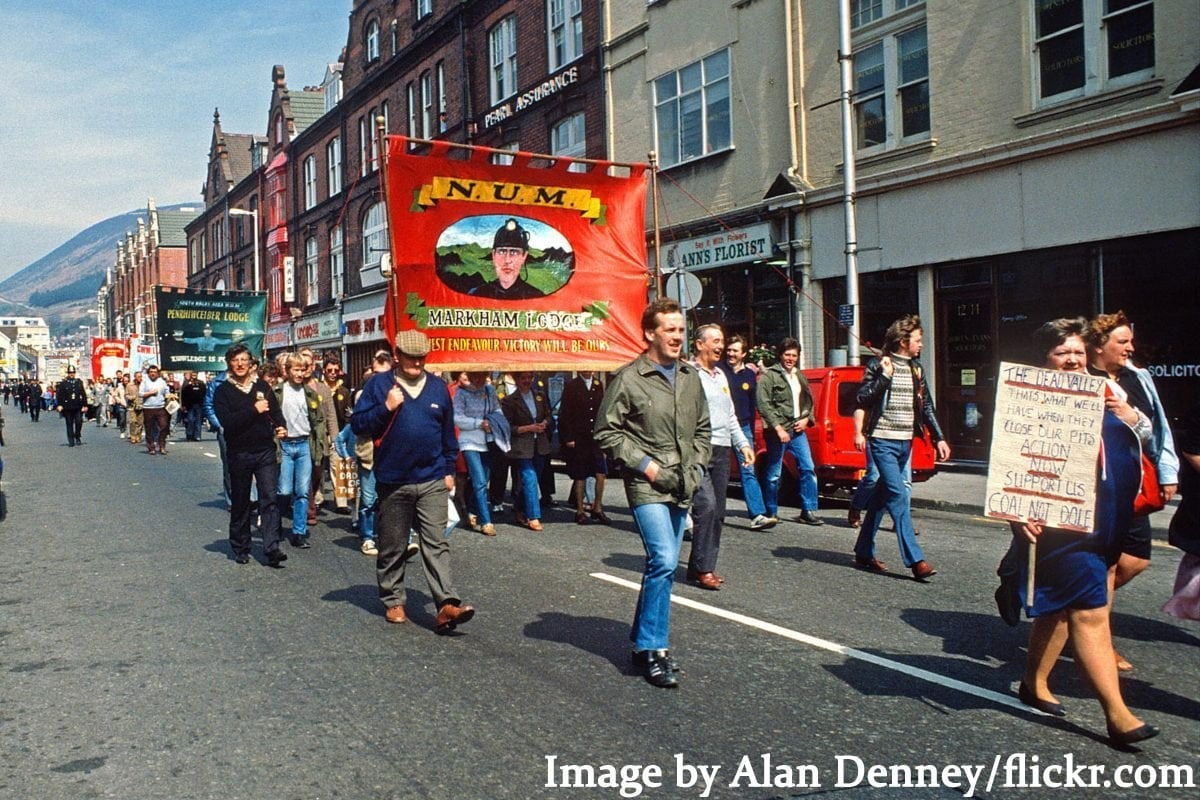
Ian Isaacs, author of the book “When We Were Miners” and former Executive Council Member of the South Wales NUM, outlines the background to the Great Miners’ Strike, which began 30 years ago on March 6th 1984.
30 years ago, in March 1984, strikes began at coal fields across the country. This marked the beginning of the Great Miners’ Strike of 1984-85, one of the most inspiring class struggles in British history. We will be remembering this historical movement with a series of articles, starting with this extract from Rob Sewell’s book, “In the Cause of Labour”.
We publish here a personal recollection of the Great Miners’ Strike of 1984-85 by Dave Platts, a construction worker from Rotherham and Socialist Appeal supporter, who was working at the Drax B power station 30 years ago at the time of the strike. Dave recalls the heroic struggle of the miners and the profound impact that it had on his political consciousness and on the lives of many others.

For millions of people around the world, the United States represents the ultimate citadel of reaction: imperialism, sanctions, war, drones, anti-communism, discrimination, and exploitation. Many people — even on the left — imagine that the US is immune from class conflict. However, the United States is in fact a society riven with deep class contradictions. It has an enormous and powerful working class and an inspiring revolutionary past — and future.
Ninety years ago, on 21st January 1924, Vladimir Lenin, the leader of the Russian Revolution, died from complications arising from an earlier assassin’s bullet. Rob Sewell looks back at the life and ideas of Lenin, the great Marxist and revolutionary leader.
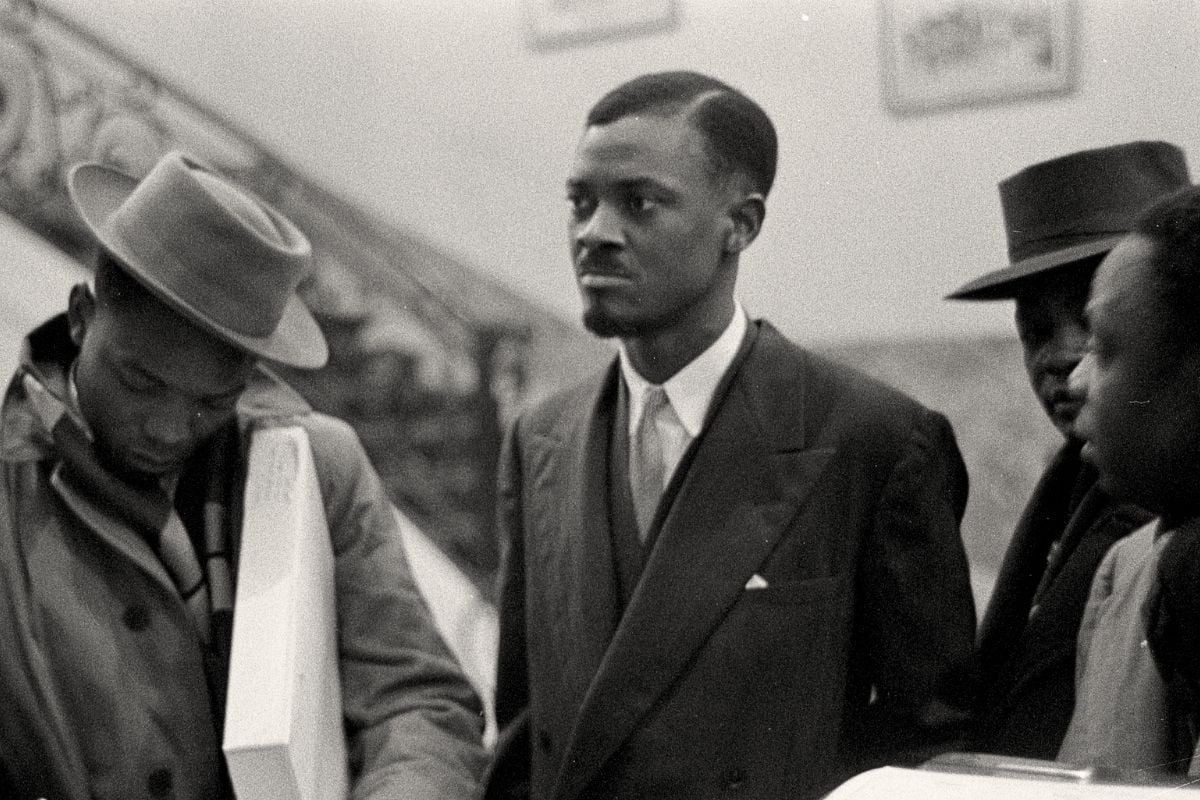
Friday 17th January 2014 marked the 53rd anniversary of the assassination of the Democratic Republic of the Congo’s first democratically elected Prime Minister, Patrice Lumumba, who after being beaten and tortured for days, was finally shot. Nelson Wan of the QMUL Marxists looks back at the life and revolutionary ideas of this historic Congolese leader.
As the New Year dawns, memories are reawakening of another New Year, exactly a century ago, the dawn of 1914 when millions of people were drifting towards the abyss as if in a dream. Alan Woods looks back at the beginnings of the First World War and examines the possibilities of world war today.
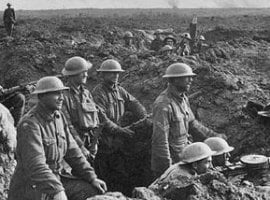
Tory Education Secretary Michael Gove, on account of the approaching 100th anniversary of the First World War, has taken the opportunity to denounce what he has claimed are attempts to write out the glory and heroism of WW1 in the education system. Ajmal Waqif provides a Marxist analysis of the real history behind the First World War.
Friday 3rd January saw the release of previously secret Cabinet documents from the Tory government relating to the Great Miners’ Strike of 1984–85. John Dunn of the Justice for Mineworkers campaign remembers the real heroic history of the strike and looks at the lies and distortions of the Thatcher government, which used every trick in the book to vilify and defeat the miners.
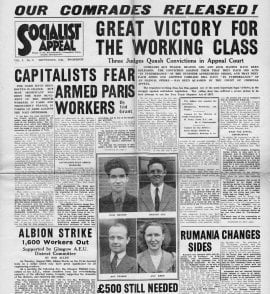
In the second part of our article on the 1944 apprentices’ strike, we publish a short question and answer session between Socialist Appeal supporters and Bill Landles, dealing with the Worker’s International League and its involvement in the apprentices’ strike, and the trial which followed.
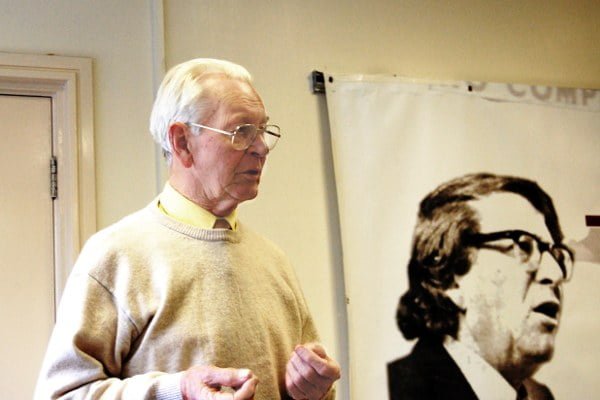
26th October 2013 marks the 89th birthday of comrade Bill Landles, a longstanding supporter of Socialist Appeal whose activity goes right back to the days of the Revolutionary Communist Party during the Second World War, where he played a role in the apprentices’ strikes. To celebrate Bill’s birthday, we are publishing (in two parts) a transcript of a speech by Bill on the apprentices’ strikes of 1944.
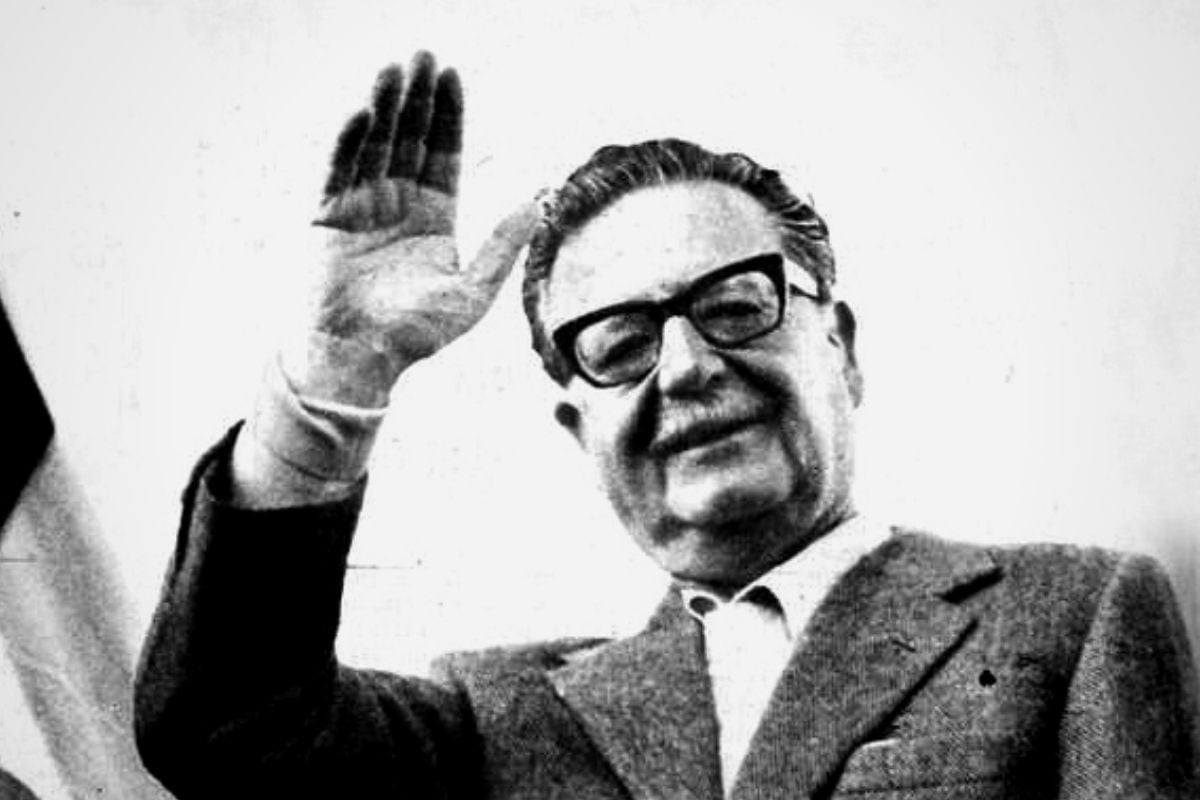
Who was behind Pinochet’s coup? What interests was he defending? What were the policies of the Allende government and why was he unable to prevent the coup?