The 1925-27 Chinese Revolution and the role of Stalinism
In this discussion, Daniel Morley talks through the 1925-27 revolution in China.

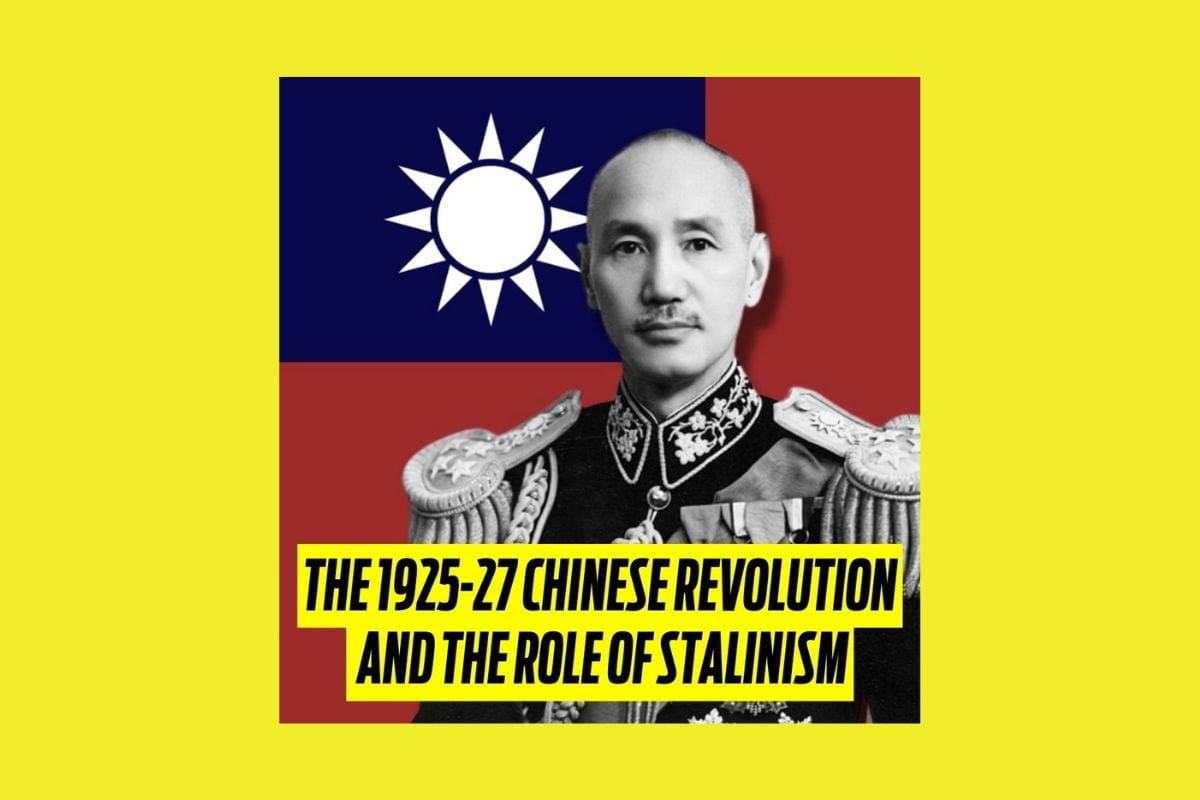
In this discussion, Daniel Morley talks through the 1925-27 revolution in China.
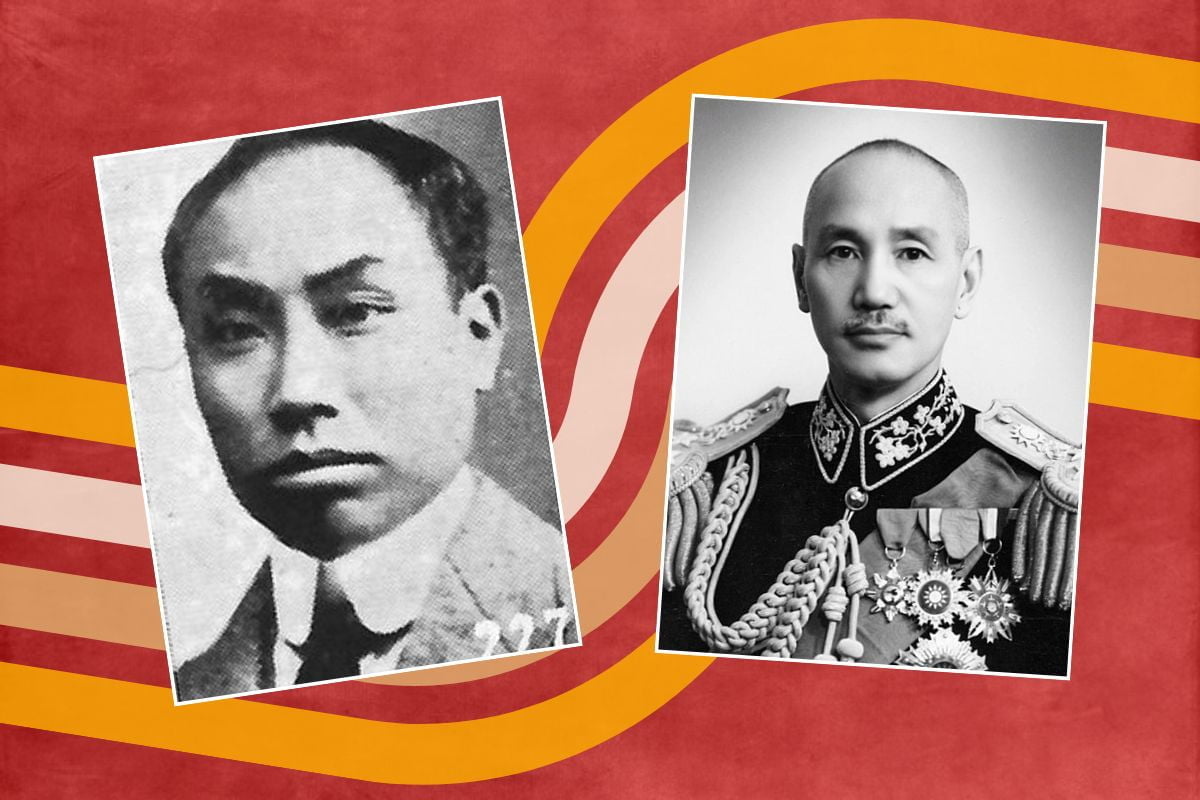
Today marks 100 years since the foundation of the Chinese Communist Party. Daniel Morley examines the history of the CCP, its role in the Chinese revolutions of the 1920s and 1949, and the party’s conversion to capitalism in recent decades.
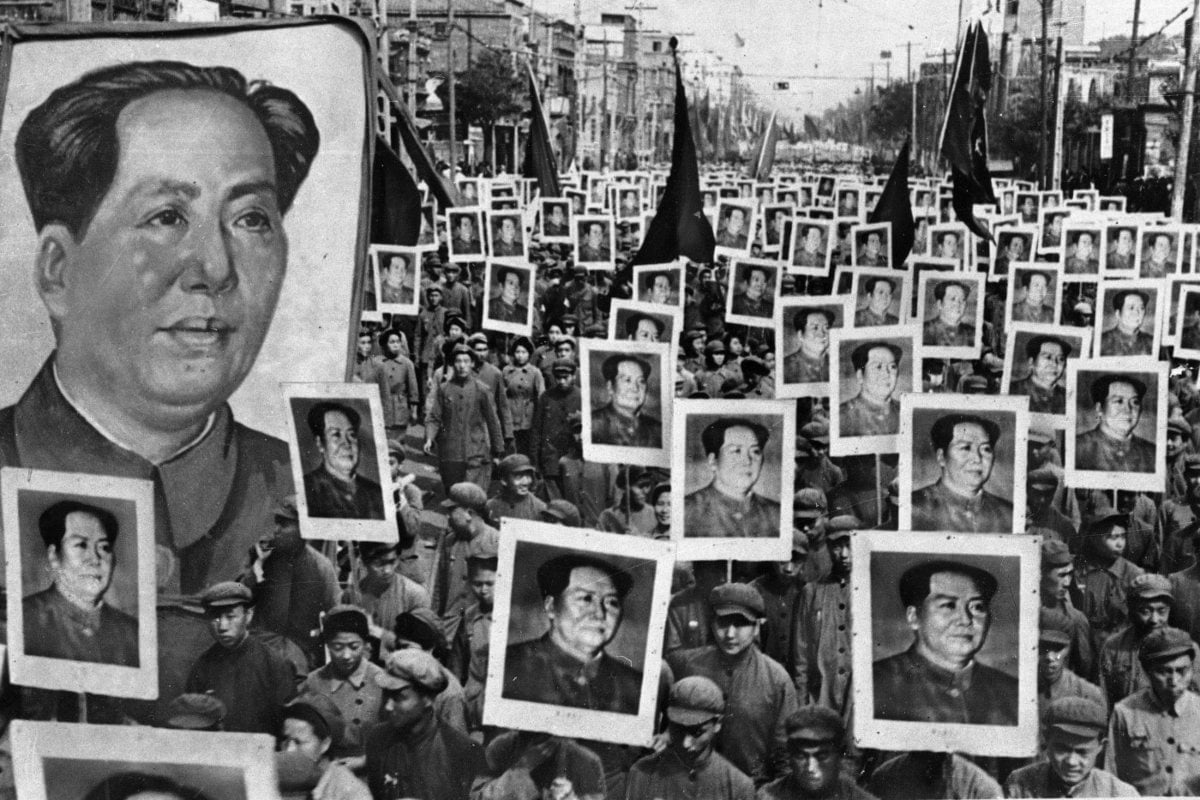
In this talk from last year’s Revolution Festival, Daniel Morley (writer for Socialist Appeal) looks back at the events leading up to the 1949 Chinese Revolution, explaining why the revolution played out as it did, and discussing the process that has unfolded since: from revolution to Tiananmen to capitalism.
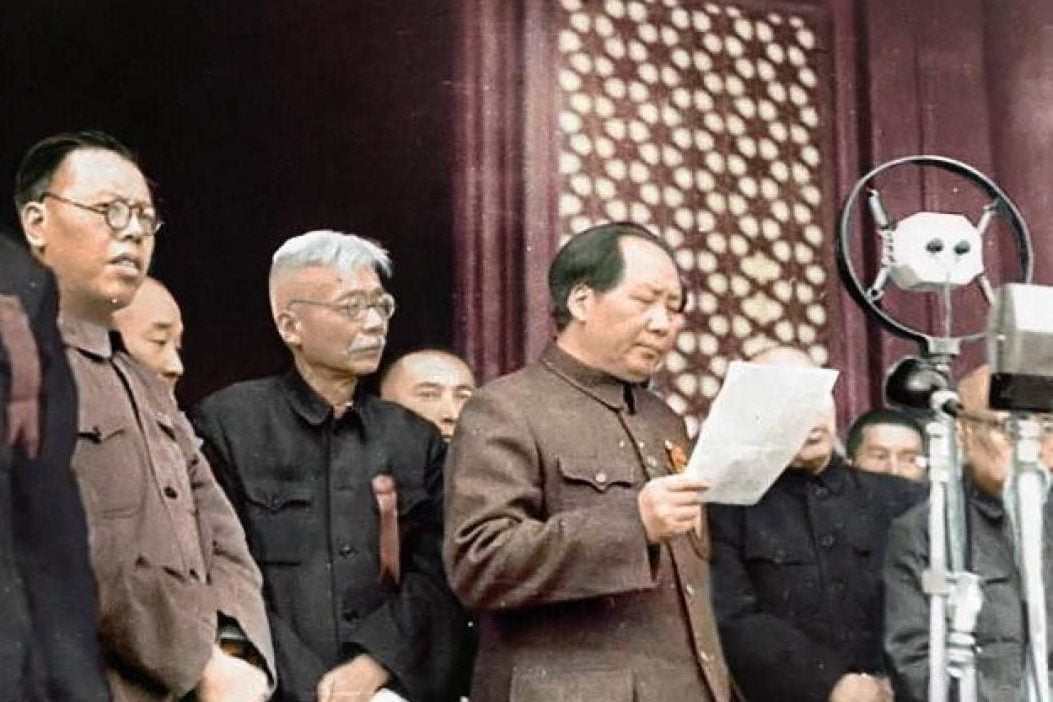
Today marks the 70th anniversary of the 1949 Chinese Revolution – when millions of peasants and workers rose up to overthrow the landlords and capitalists. This inspiring revolutionary movement provides many important lessons for today.
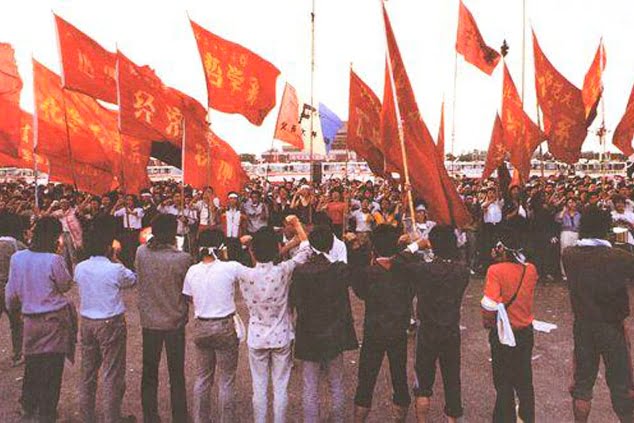
On 4th June 1989, the mass movement of students and workers in Tiananmen Square that had shaken the Chinese regime was repressed into submission. Daniel Morley looks at the lessons of these titanic events.

China, from Permanent Revolution to Counter Revolution, a new book written by John Peter Roberts and published by Well Red books, charts the development of the Chinese Communist Party from its founding to the reintroduction of capitalism. We publish here the foreword to the book by Fred Weston of the IMT.
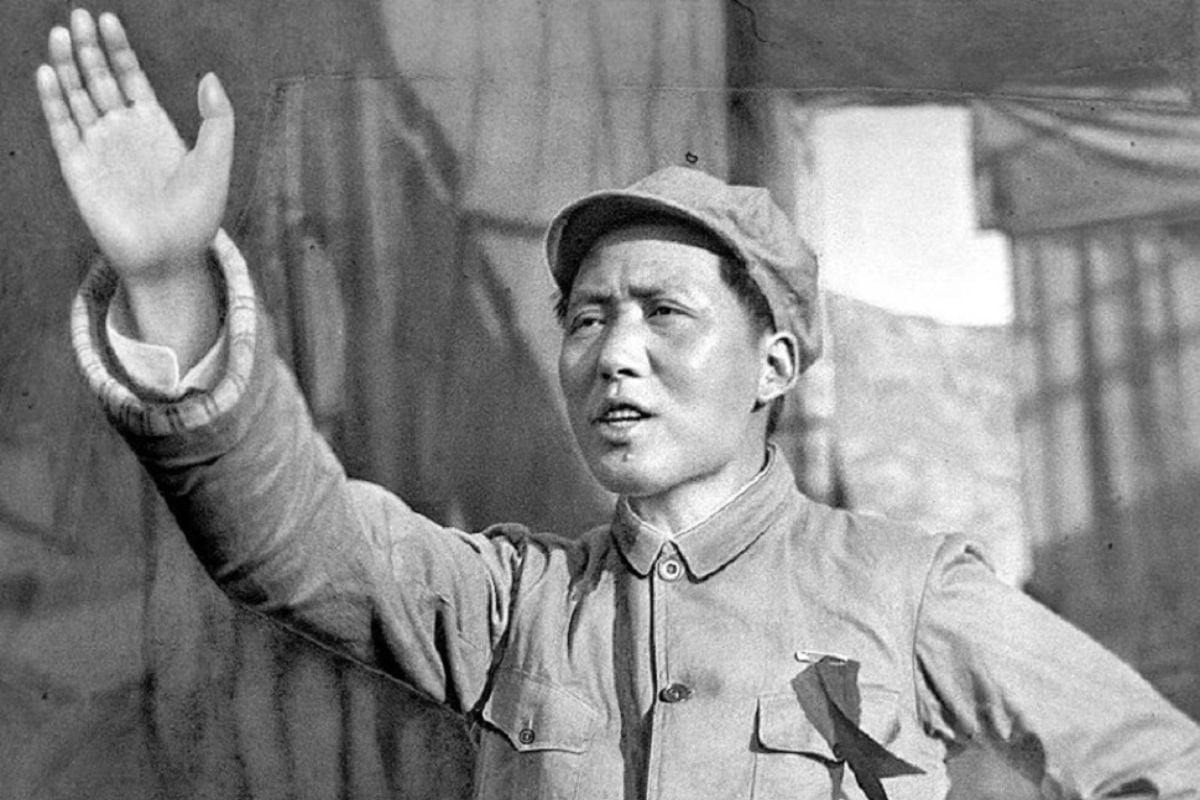
As the Chinese Communist Party gathers for its 18th Congress, we look back at the 1925-27 revolution, which was a heroic attempt of the Chinese workers to follow in the footsteps of the October 1917 Russian Revolution. However, due to its unprepared and irresolute leadership, it went down to a tragic defeat. Failed revolutions are always the greatest of tragedies. However, the only way of really honouring the many victims of the counter-revolution that ensued is to study the revolution and learn from its mistakes.
Had the Chinese Communist Party(CCP) leadership been fully conscious of
what their conquest in Shanghai in 1927 really meant, there would have
been no stopping them. The example of Shanghai being taken by the
organised working class, rather than the military forces of the
Guomindang, could have been spread around the country through the CCP
party structures and their network of commanders in the Northern
Expedition from Guangzhou up to Wuhan, Nanchang, Nanjing and Shanghai.
On March
20th, 1926, another event similar to the assassination of Liao Zhongkai
took place. It laid the basis for the violent coup of Chiang Kai-shek in
Guangzhou, when his mask of democratic revolution slipped. The uneasy
tension between the Guomindang right wing and the CCP comrades inside
the Guomindang broke out into the open.
The period between 1918 and 1939 was the most revolutionary in world
history. It was touch and go for the survival of capitalism. A
devastating blow could and should have been inflicted against global
capitalism in China in 1925-7, instead the opportunity was frittered
away.
As the Chinese revolution approached in the mid-1920s, Stalin’s
leadership of the Comintern imposed on the young Chinese Communist Party
a policy of subordination to the bourgeois Guomindang, thus stifling
the Chinese Communists’ ability to bring together the workers and
peasants under the banner of social revolution. In Part Two, Daniel
Morley looks at the background to this situation.
On
the ninetieth anniversary of the founding of the Chinese Communist
Party, we begin the publication of a series of articles that trace the
origins and subsequent development of this party, which has played a key
role in world history. In this first part Dan Morley outlines the
conditions in China that led to the foundation of the party as part of
the Communist International. The founders of the party looked to the
October revolution in Russia as their model, with the working class
playing the leading role.