
Music industry: an era of crisis or opportunity?
The House of
Lords has just approved the Digital Economy Bill. It has caused ripples
across
the technology world, most notably because of its proposals regarding
the
suspension of repeat file sharers’ internet connections, and gives the
courts
power to issue injunctions against websites accused of hosting
copyright-infringing material. Internet freedom campaigners have reacted
with
dismay.
Corporate Media: A Ruling Class Tool
In the society in which we currently
find ourselves, class society, a small minority of the population holds
ownership and control over industry, banks and all major means for
producing wealth. Because we, the workers, do not get to enjoy this
wealth, although we create it, our lives are reduced to working for
wages that disappear when we pay the bills. How does the ruling class
keep us putting up with such a lifestyle? One way is the fact that the
ruling class’s ideology permeates contemporary culture and dominates
the media.
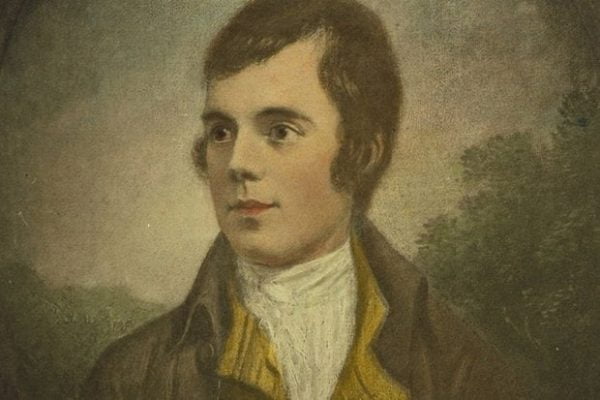
Robert Burns – Man, poet and revolutionary
Robert Burns (1759-1796) the poet needs no further introduction. But Robert Burns the revolutionary democrat is another matter. It is a matter of great regret that nowadays it seems to have become the fashion among certain left circles in Scotland to renounce Burns. To some degree this is understandable. After his death, Burns was hijacked by the Scottish Establishment, who turned him into a harmless icon. On Burns’ night each January, upper class Scotsmen in kilts (!) make use of the great man’s anniversary to eat and drink to excess, declaim poems to the haggis, and generally make fools of themselves. This grotesque parody would, of course, have had Rabbie Burns splitting his sides with laughter. His poems, his politics, his philosophy, his life and his death – all bear witness against these stage Scotsmen and hypocritical Pharisees.