
Women and the vote
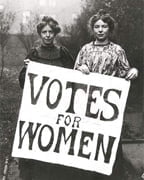
December 14th 2008 marks the 90th anniversary of a landmark election in
Britain. Following the end of World War I it was the first election in
which women were entitled to vote. The Representation of the People Act
which became law in February 1918 had granted the right to vote on a
restricted basis to women. Only women over 30 would be entitled to
vote. Voting rights for all women aged over 21 did not come until ten
years later, in 1928.
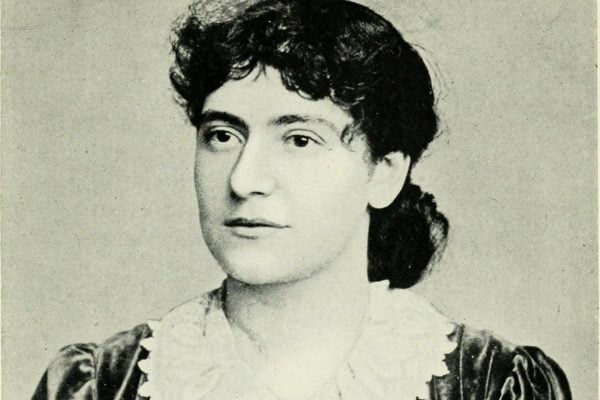
Eleanor Marx – an inspiration to socialists
Eleanor Marx was the youngest daughter of Karl Marx. But her place in history isn’t because of her name and who she was related to. Her work, commitment to the cause and self sacrifice earned her that place in her own right.
Gay liberation – the long battle
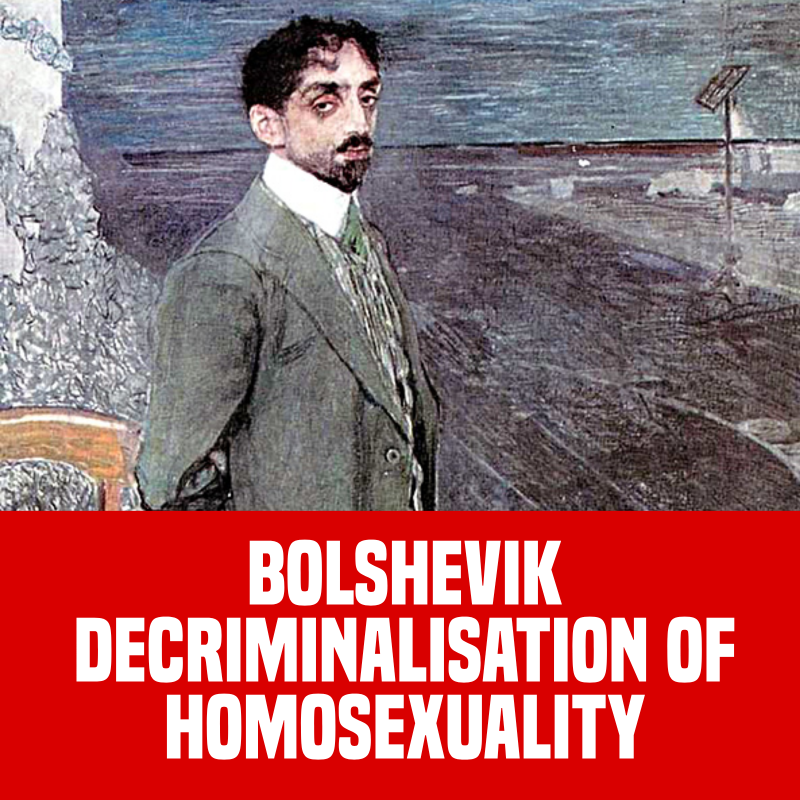
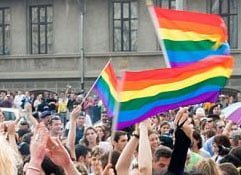
Last year saw the fortieth anniversary of the decriminalisation of male homosexuality in England and Wales – it took over a decade for Scotland and Northern Ireland to catch-up. Gay people had won the right to have sex: as long as you were both over 21, the curtains were shut, the doors closed, there was nobody else in the house and you weren’t in the armed forces. Oddly enough heterosexuals have never had to fight for this very limited privilege.