
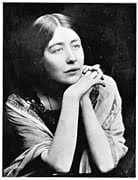
Sylvia Pankhurst: Suffragette and class fighter
The life of Sylvia Pankhurst is rich in experience for all activists in
the labour movement. The names of the Pankhurst family are synonymous
with the struggle to win the vote for women, but what distinguished
Sylvia Pankhurst’s approach from that of her mother Emmeline and her
sister Christabel were class issues.

On International Working Women’s Day – Fight Back Against Women’s Oppression
The present economic crisis, through its sheer scale and reach, is bringing about a wholesale change in the consciousness of working people the world over. It is the poor, the oppressed, and the workers who shoulder this weight in order to hold up the privileges of the rich. There is no portion of the working class that has so greatly and extensively borne this affliction than working women.
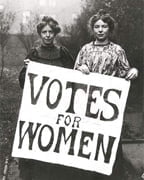
Women and the vote
December 14th 2008 marks the 90th anniversary of a landmark election in
Britain. Following the end of World War I it was the first election in
which women were entitled to vote. The Representation of the People Act
which became law in February 1918 had granted the right to vote on a
restricted basis to women. Only women over 30 would be entitled to
vote. Voting rights for all women aged over 21 did not come until ten
years later, in 1928.