Marxism 101
We must arm ourselves with the arguments needed to confidently defend and explain Marxist ideas. Here, we answer some of the frequent questions asked about Marxism, socialism and communism.

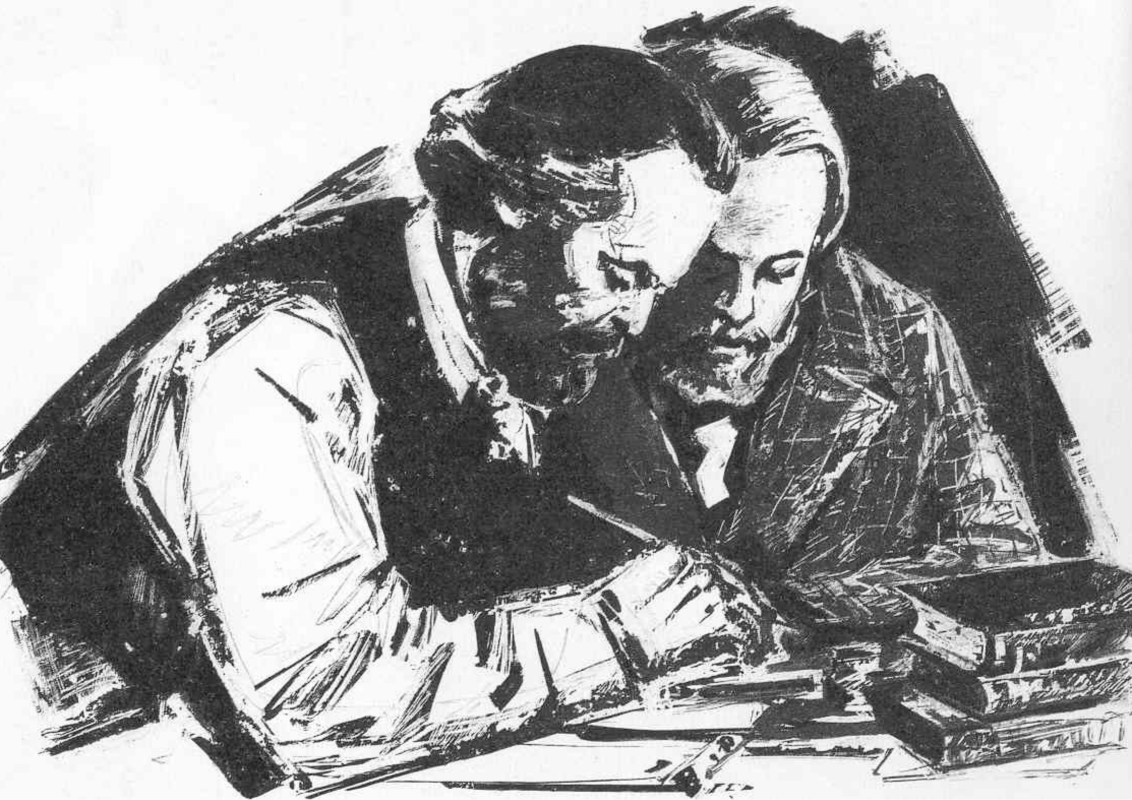
We must arm ourselves with the arguments needed to confidently defend and explain Marxist ideas. Here, we answer some of the frequent questions asked about Marxism, socialism and communism.
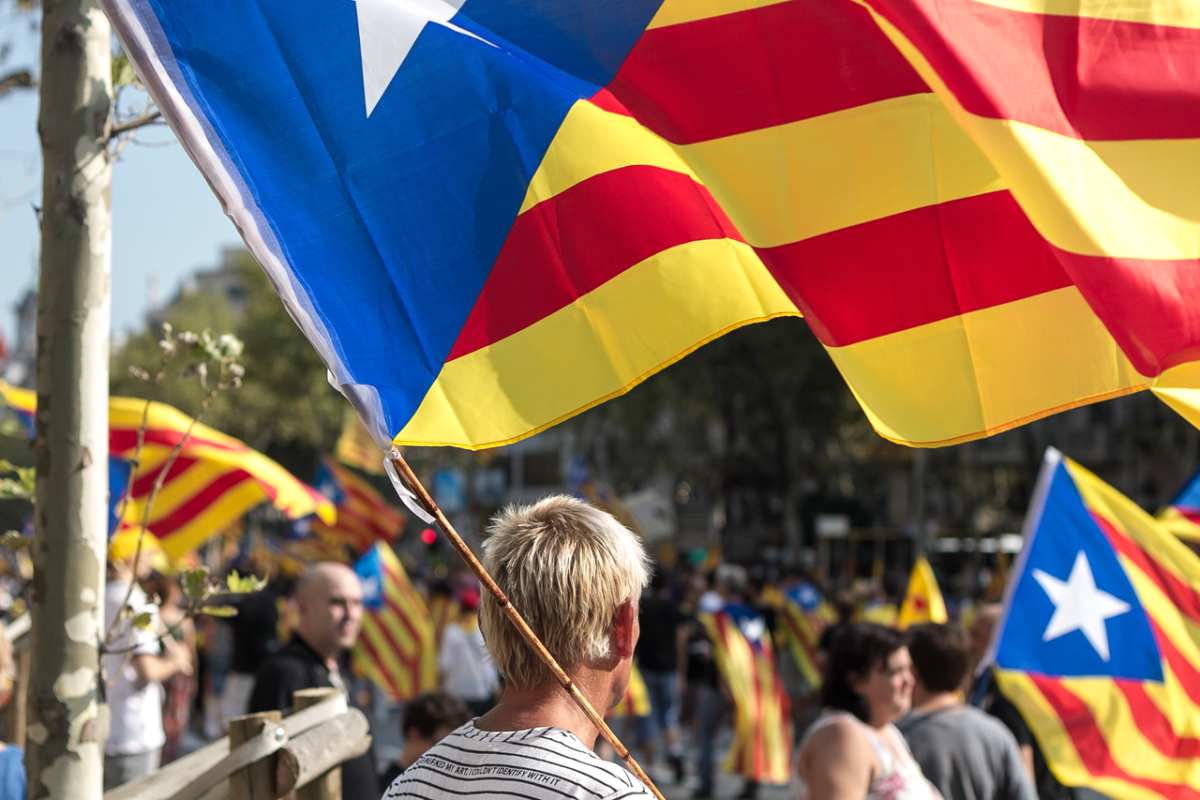
The results of the 21st December Catalan elections represent a slap in the face for the strategy of the Spanish government and their efforts to introduce direct rule and smash the independence movement. Jorge Martin outlines the lessons from these elections results – and the movement seen over the past few months – in the struggle for a Catalan Republic.
Ravi Mistry explores the origins of racism within class society and explains the way forward in the fight against oppression and discrimination.
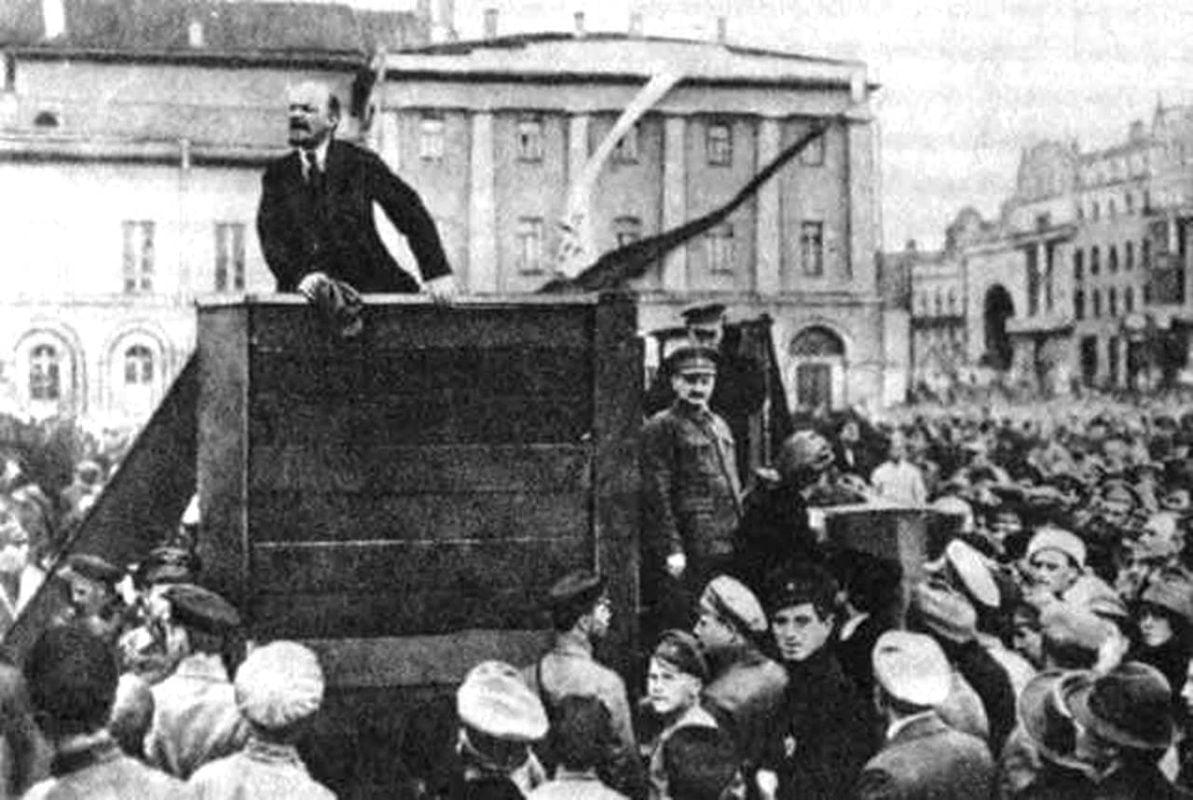
We publish here the second part of Adam Booth’s article about the role of the individual in history. In this second half, Adam examines the pivotal role played by Lenin and Trotsky in the 1917 Russian Revolution, and the dialectical relationship between leaders and the masses. The real lesson of history is that a revolutionary leadership is vital in order to transform society.
Ben Gliniecki reviews the late Mark Fisher’s influential and acclaimed – but ultimately confused and overly-academic – book, “Capitalist Realism”: a confused jumble of academic jargon which barely manages to describe phenomena first explained by Marx over 170 years ago.
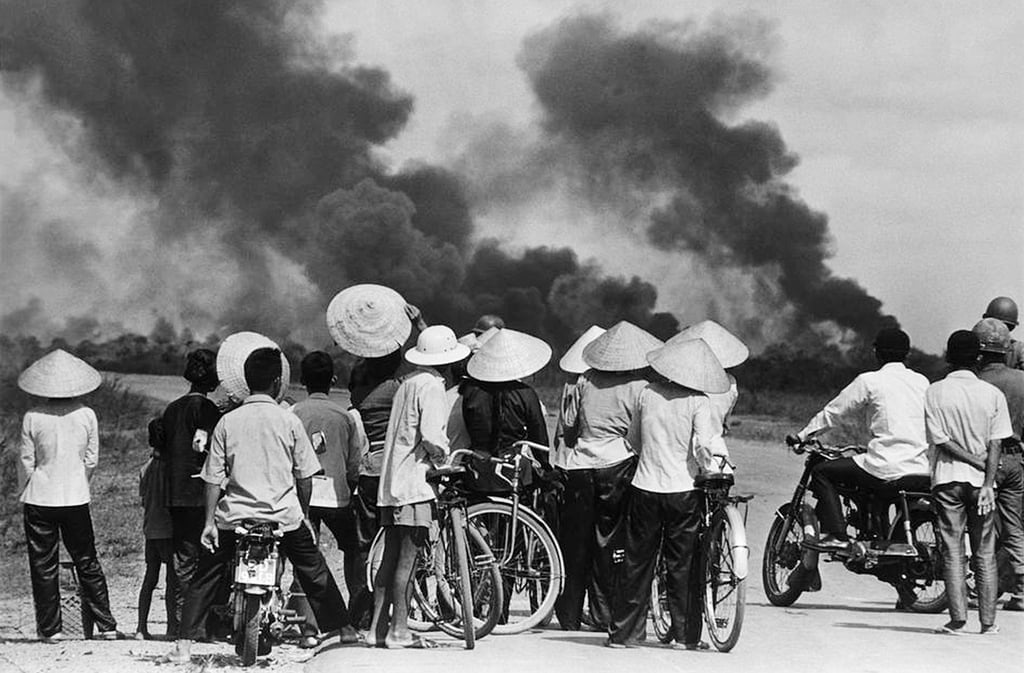
The Vietnam War – a 17-hour documentary recently broadcast on the BBC – may well be the best such film yet produced on this still-controversial subject. Steve Jones reviews this incredible new documentary and the graphic account it provides of one of imperialism’s most brutal wars.
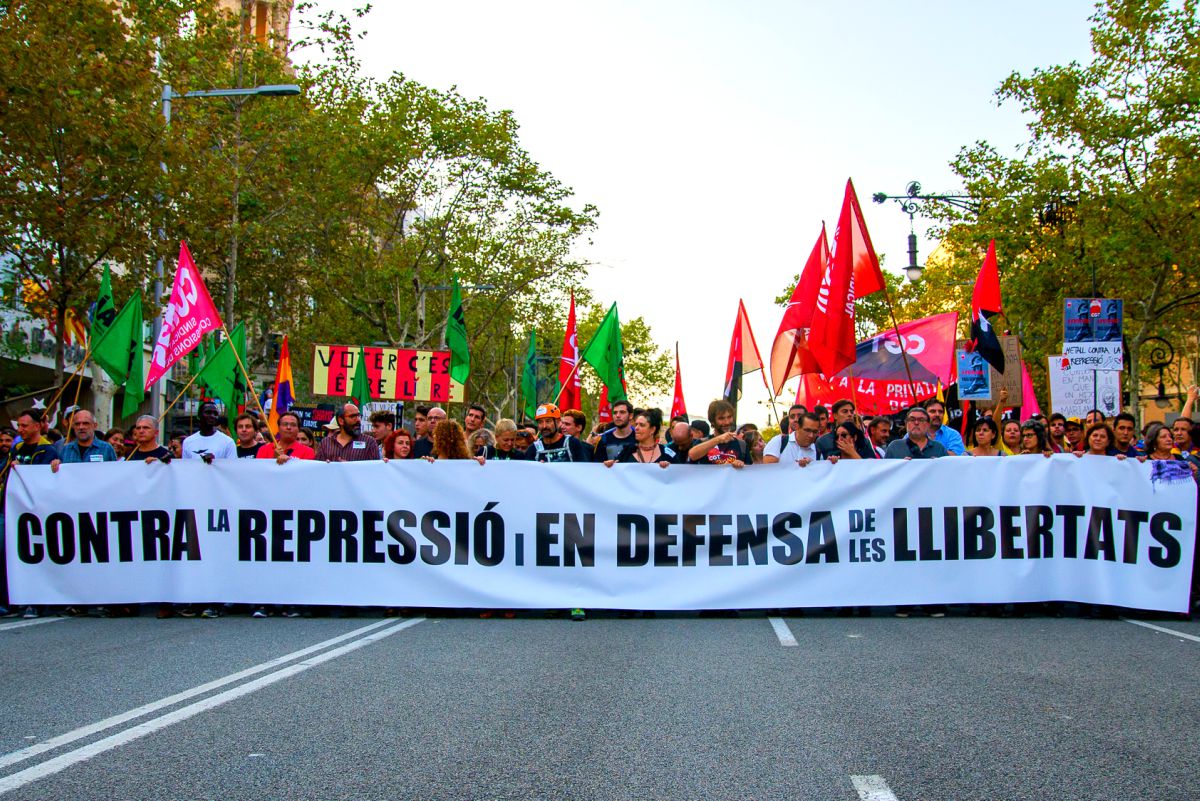
Catalonia goes to the polls tomorrow in elections imposed by the Madrid government as part of the Article 155 measures. As Jorge Martin explains, this vote takes place in exceptional conditions of repression and the curtailment of democratic rights. With one day to go, the result of the elections is hard to predict.
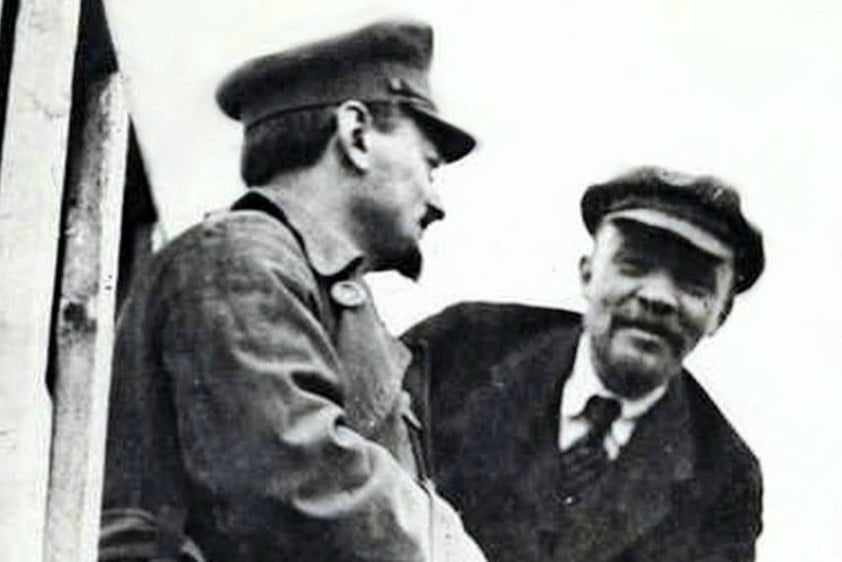
100 years ago, the masses in Russia took power. This revolutionary event, however, would not have been possible without the bold leadership of Lenin and Trotsky. In this sense, the role of the individual at certain points in history is vital. Adam Booth explores the Marxist view of history and the role of individuals in determining the course of historical events.
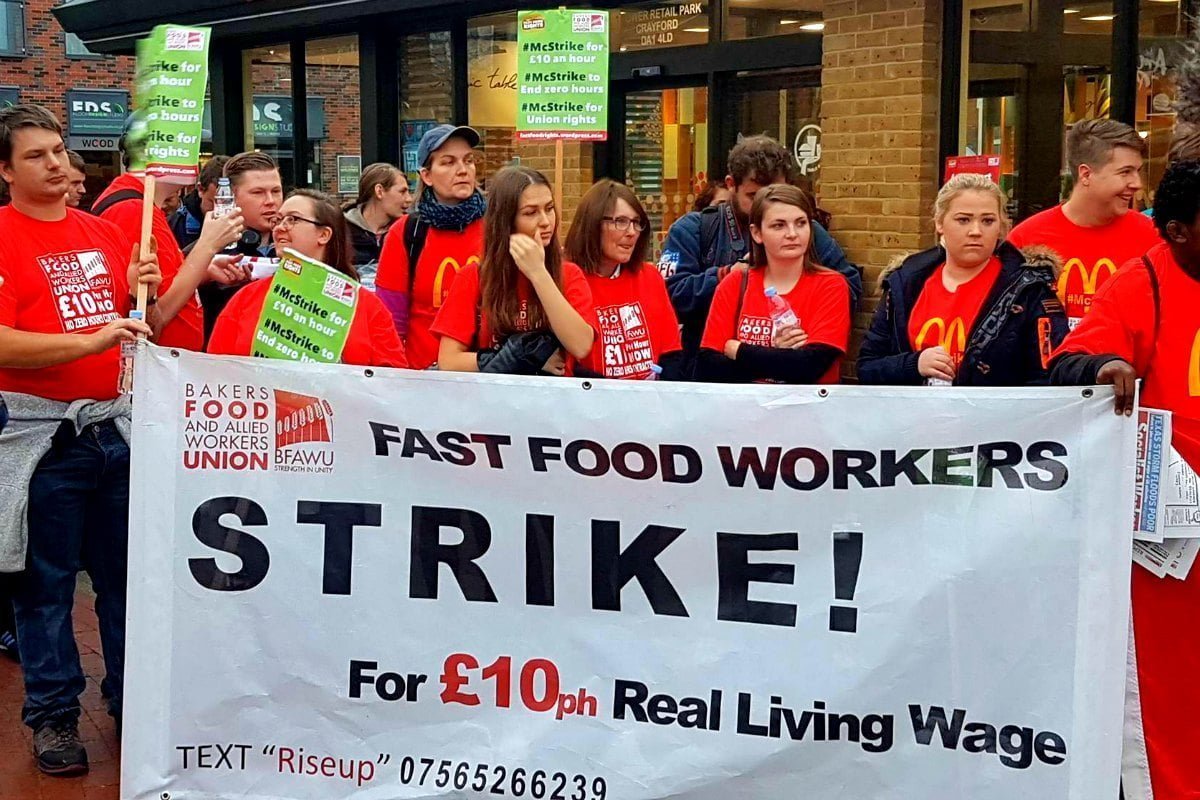
The Fabian Society and Community trade union – both well known for their “gradualism” and willingness to compromise with the bosses – recently released a report entitled Future Unions, which seeks to dilute down the role of the unions in an age of zero-hour contracts, precarious work, and the gig economy. But, as Terry McPartlan explains, the way to fight these problems is through militancy and organisation.
We publish here two articles about the latest events in Catalonia, which this week sees a regional election imposed by the Spanish state as part of their Article 155 repressive measures. The first article is a statement by the Catalan section of the IMT about the upcoming elections. The second is a summary of the struggle for a Catalan Republic by Jorge Martin.
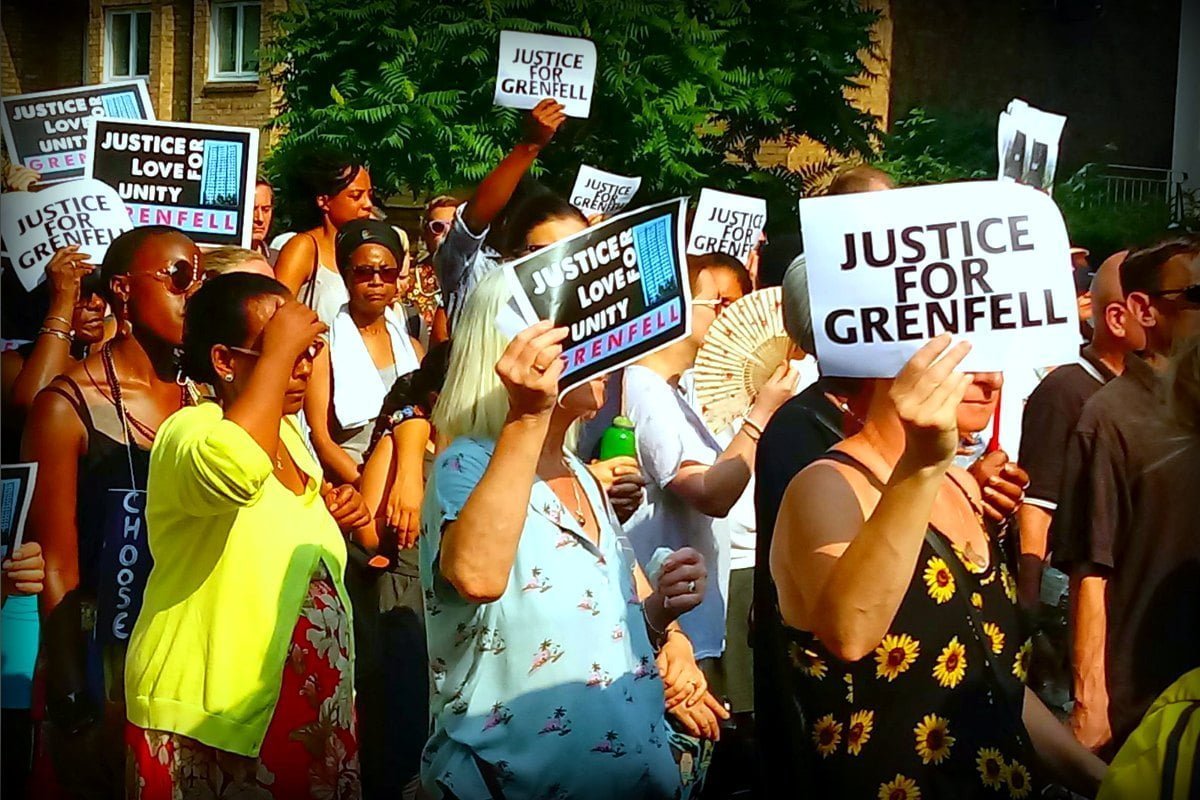
In the immediate aftermath of the tragic Grenfell fire, Theresa May promised that all families would be housed within three weeks. But six months have now passed and 4 out of 5 families made homeless by the disaster still do not have permanent homes at all. Moses Levi looks at the chaotic and inadequate response of the Tories to a disaster that they helped to create.

In a major U-turn, Ryanair this morning declared it would agree to engage with unions after some of its Dublin-based pilots voted in favour of strike action ahead of Christmas. The low-cost airline claimed it had written to pilot unions inviting them to recognition talks. As pilot Martin Swayne writes, this marks a major victory for the flight crew.