
2026 has already been marked by titanic events that are shaking the world: from the US’s kidnapping of Maduro in Venezuela, to the inspiring mass movement against ICE in Minneapolis, to the Epstein scandal, and now the imperialist war on Iran.
All of these events – on top of the wave of Gen Z revolutions which spread across the world last year – are having a huge impact on the consciousness of workers and young people in Britain.
At the moment, however, there is no one who can answer the questions people have about these developments – who can connect with the growing anger at the recklessness and warmongering of the ruling classes everywhere, and show the way forward.
The building of a revolutionary party capable of this is therefore the most important question posed by history. That is why we are building the Revolutionary Communist Party.
Third Congress
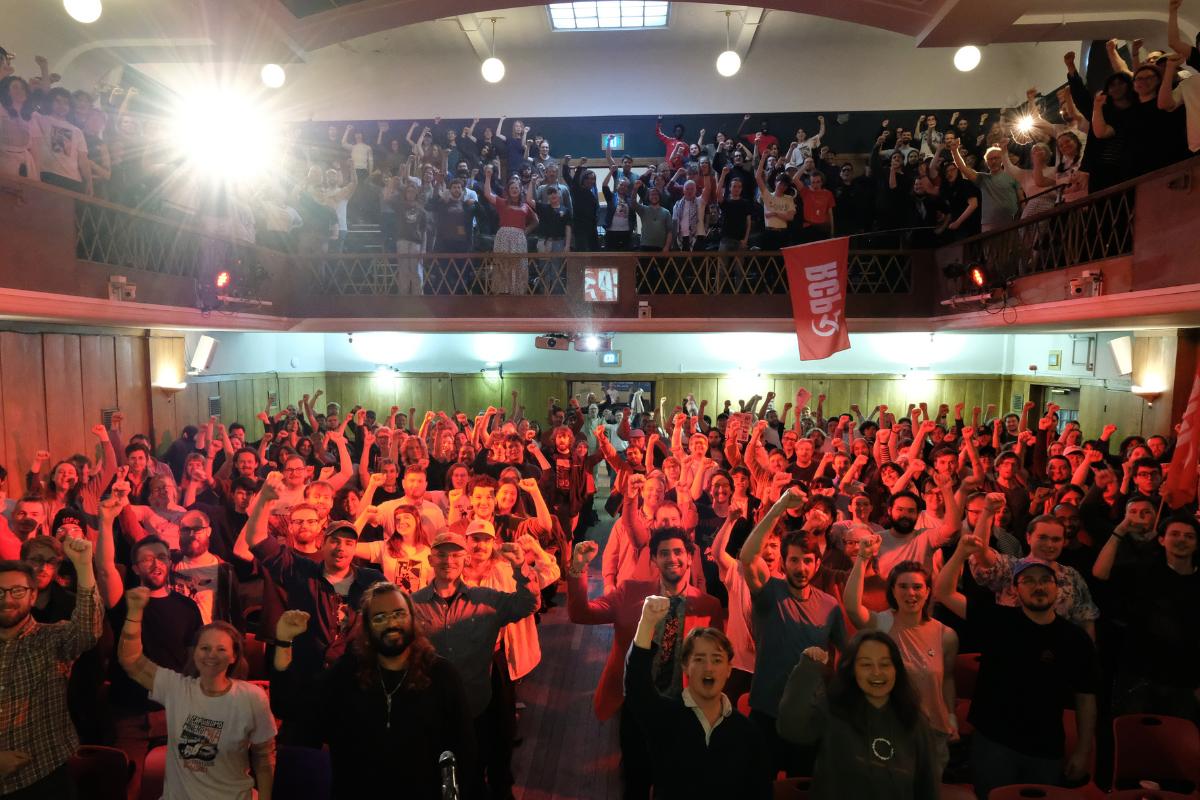
In seven weeks’ time, the RCP will be holding its annual National Congress: the highest decision-making body of the party.
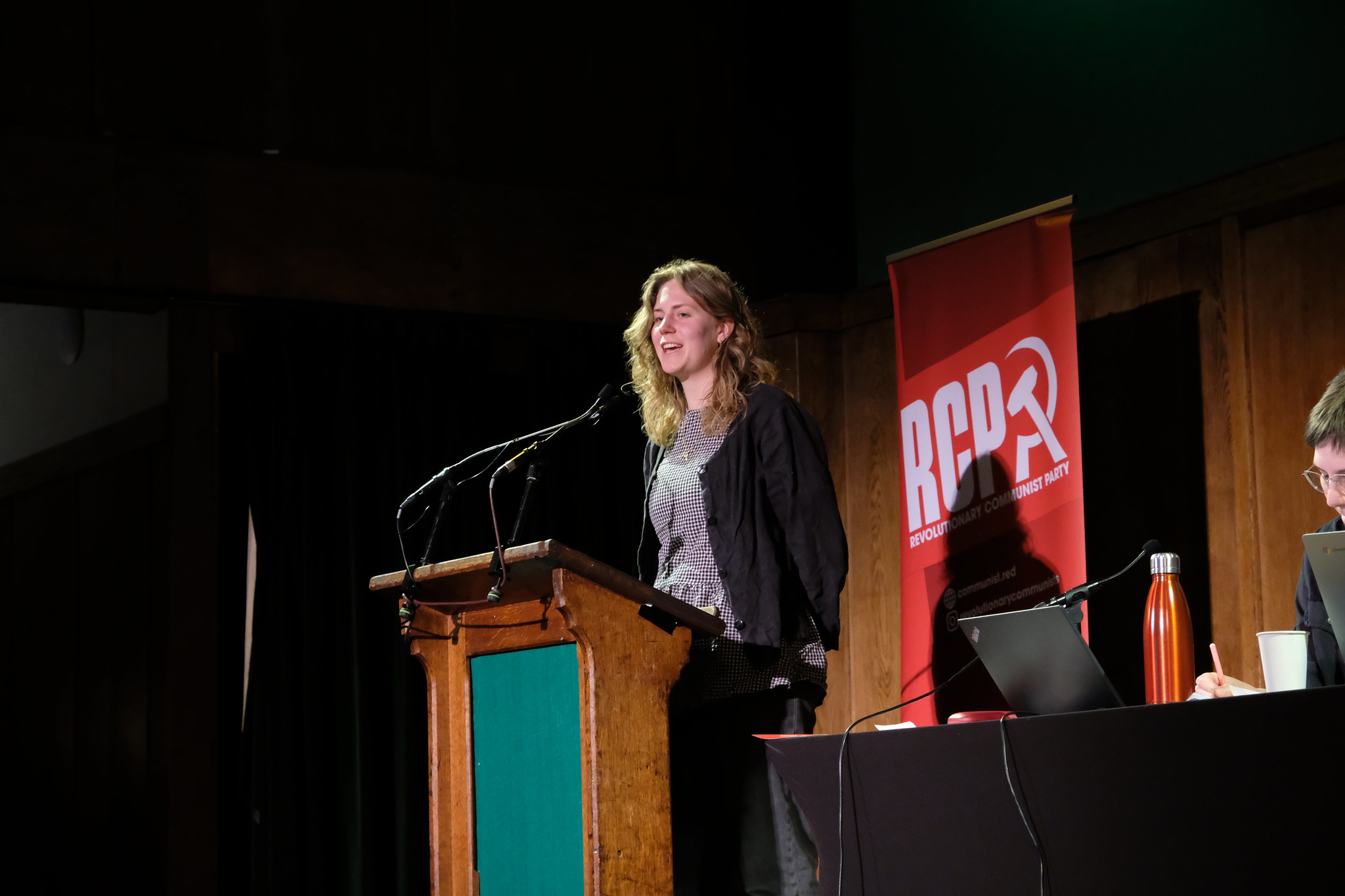
Hundreds of delegates from branches across the country will meet together to discuss and vote on our political perspectives and tasks for the coming year.
Last weekend, the leadership of the RCP met to finalise the Congress document drafts, which have now been sent to all branches.
In the coming weeks, all members will read, debate, and discuss the ‘British Perspectives’ document and the ‘Organisational Resolution’, as well as having the right to propose amendments.
This process is much more than simply a democratic exercise. The aim of the pre-Congress period is to ensure we clarify our ideas and perspectives, raise the political level of all members, and set clear priorities for our political and organisational work.
Perspectives and tasks
The RCP has big ambitions: building a leadership capable of leading a successful socialist revolution.
Marxist theory is therefore not something that we take lightly – for us, it is a guide to action and must therefore be studied closely.
The leadership of the RCP therefore spends a considerable amount of time developing our perspectives on the situation in Britain today, how this fits into world events, and what the coming developments are likely to be.
At the most recent Central Committee meeting, a full day was dedicated to these questions. The main takeaways were:
- We are living through a period of extreme turmoil.
The current period is characterised by sharp and sudden changes in the world situation.
The rise of figures like Donald Trump reflect these crises and contradictions of world capitalism. He is both a product of this crisis and a factor that intensifies it.
The United States is experiencing relative decline as a world imperialist power, forcing it to recalibrate its global position and prepare for strategic confrontation with China.
Conflicts in the Middle East illustrate this instability. The escalation involving Iran is not a sign of US strength, but of weakness and loss of control, with their regional puppet, Israel, setting the agenda.
Such conflicts risk spiralling beyond the control of the ruling classes. They already threaten global trade and energy supplies – rising oil and gas prices could provoke a serious economic downturn.
This comes when already the world economy is extremely vulnerable, marked by the reversal of globalisation, increased protectionism, slow growth, and mountains of debt building up. Europe in particular faces a severe energy crisis, and increasing political fragmentation.
At the same time, the Epstein files are completely exposing the rottenness of the ruling class and will continue to further erode confidence in the establishment.
These developments are all deepening the global crisis of capitalism – which forms the backdrop to the developments in Britain.
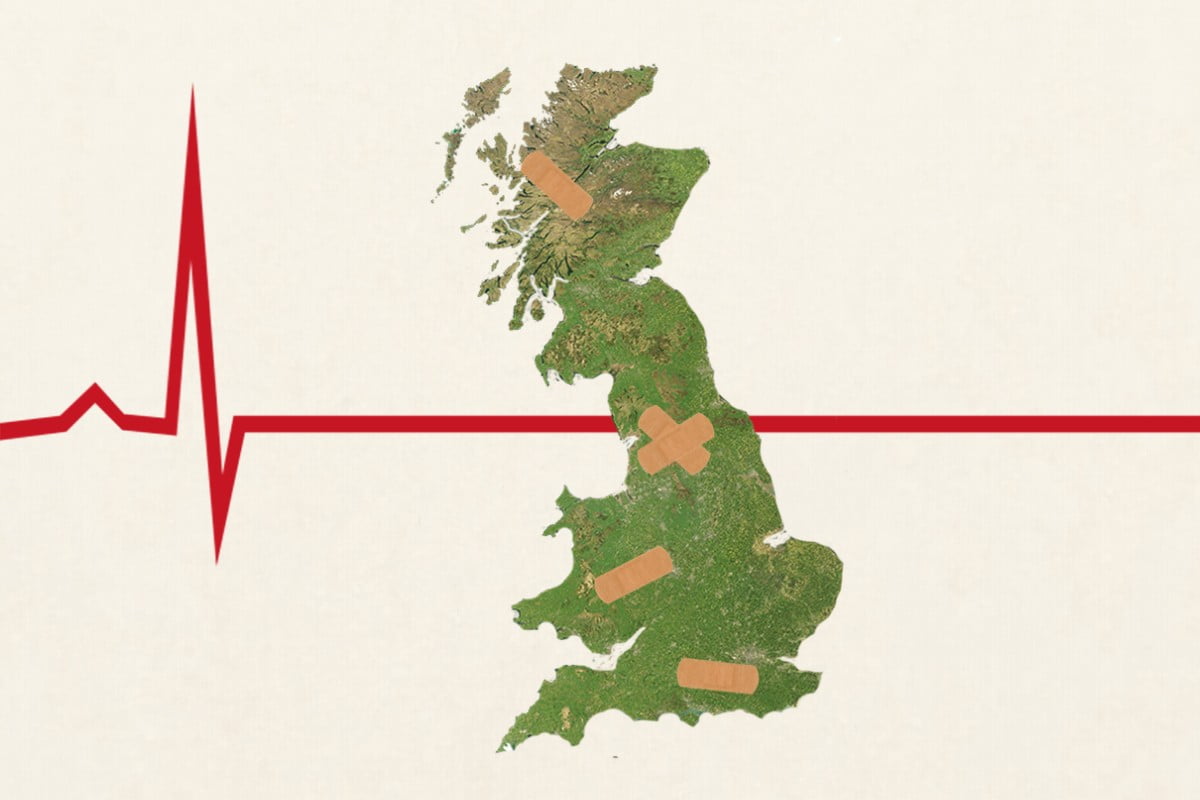
- British capitalism has reached an impasse.
The British economy, heavily dependent on the world market, is particularly vulnerable to global turmoil. Britain, once seen as the workshop of the world, has now been reduced to a country that produces almost nothing.
Instead, the economy mainly is focused on financial services and speculation on the market. The long-term decline of British capitalism and the destruction of its industrial base has produced a profound economic and political impasse.
The working class continues to face worsening living standards after years of austerity. Inflation in Britain is already higher than in much of Europe – rising energy prices will further squeeze households. This will deepen the anger, bitterness, and distrust toward the capitalist system and its institutions.
Industrial struggles are also likely to return as workers respond to inflation and declining living standards.
On the political front, the traditional Labour-Conservative two-party system is breaking down. The Tories – once a pillar of stability for the ruling class – are completely discredited, while the Labour government under Keir Starmer is almost universally despised, despite its large parliamentary majority.
Disillusionment with the establishment is growing, as people watch Labour aid war crimes abroad while intensifying the Tories’ austerity attacks on workers at home.
Parties such as Reform UK and the Green Party are gaining support largely because they have tapped into the anti-establishment mood in society.
These developments reflect a deep polarisation in society – but neither Reform or the Greens will be able to break out of the dead end British capitalism finds itself in.
- We need to urgently build the revolutionary party.
While these objective conditions for heightened class struggle and revolution are maturing in Britain, the decisive problem remains the subjective factor: the absence of a strong revolutionary organisation capable of leading the working class in a struggle to overthrow capitalism.
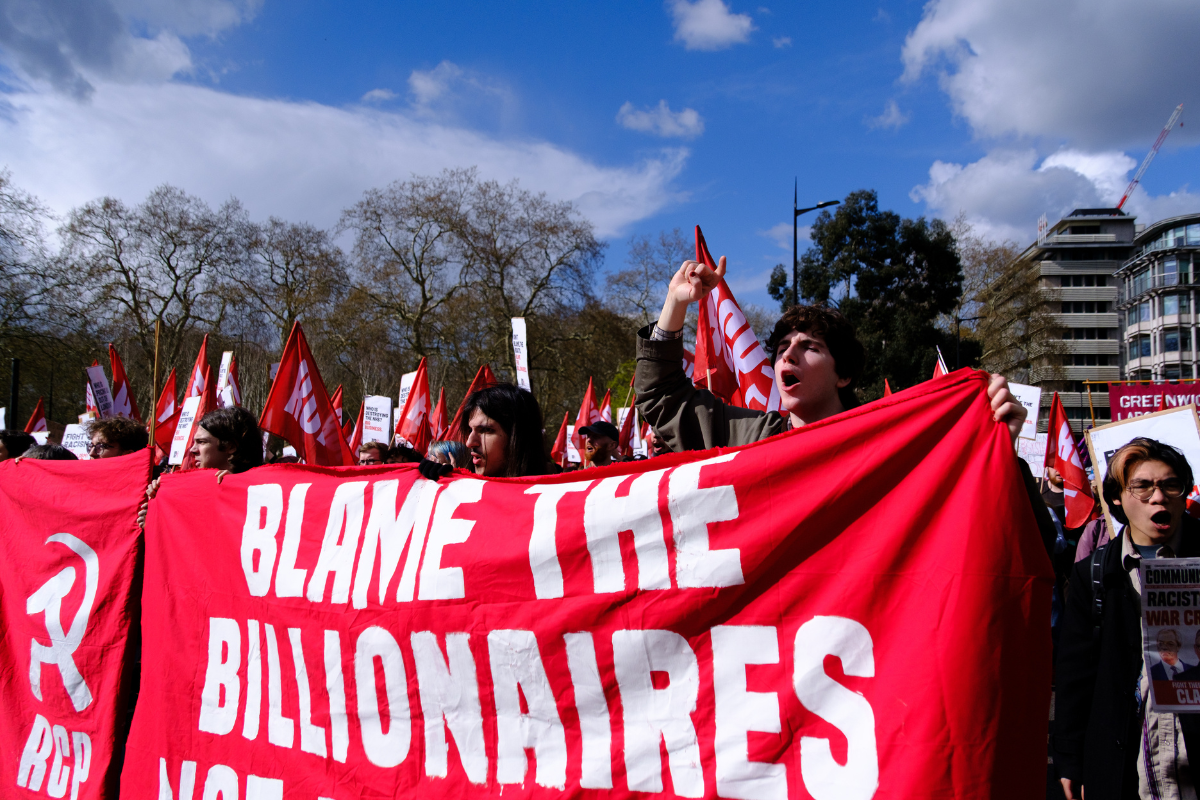
Large numbers of people, especially young workers and students, are questioning the capitalist system. Everywhere they look they see austerity, war, political corruption, and global crises. Many are searching for alternatives and are increasingly open to radical ideas.
The central conclusion that comes out of our perspectives for Britain today is the urgent need to build up our forces: reaching out to these radical young workers and students, and turning them into class fighters for the battles to come.
Growth is therefore the number one priority for the RCP this year. It is an absolute necessity for us to become a bigger organisation, if we want to be able to effectively intervene in the class battles that will inevitably break out in the coming period.
No one else is going to do this for us.
1,400 members by Congress!
We have two missions to achieve in the next seven weeks.
First, we must conduct a political campaign throughout the whole party. By the end of Congress, every single member should have read and discussed our British Perspectives document. This discussion will allow us to fully grasp the significance of the political situation we are living through – and the tasks that flow from it.
Second, we must ensure that every comrade sees it as their personal responsibility to grow the party through recruitment. We have set a goal of reaching 1,400 members by Congress – which will set us up for continued growth throughout the summer months.
Voir cette publication sur Instagram
Look at the growing radicalisation in society! Look at the number of new people being drawn towards us! Hundreds of people participated in our open meetings at universities in the last few months alone.
This target is entirely achievable. But meeting it requires that all of our branches develop a strategy in their area, to meet young people and convince them of our political ideas.
Politically, there has not been a more important time to get organised. And with our National Congress approaching, this is also the best period to get the full picture of what the RCP stands for, and what it means to be a revolutionary in Britain today.
We would like to send an open appeal to those who are ready to get organised in the fight against capitalism: join the ranks of the RCP today!