
It is another feast of crumbs for working people in Scotland, as the Scottish National Party (SNP) put forward their tax and spending proposals for the year ahead.
With the economy stagnating, living standards slipping, and problems piling up in public services, the Scottish government spreads its finances thinner and thinner each year, as they are increasingly forced to carry out austerity measures.
Though this year’s budget brings some marginal improvements, dark clouds lie just beyond the horizon.
Managed decline
With an unusually contentious Scottish Parliament election on the calendar in a few months, it is not surprising that a few progressive measures have been put front-and-centre by finance secretary Shona Robison – in the hopes that it will be enough to rally SNP voters.
To save low-paid workers from Labour’s ‘stealth tax’, the income tax thresholds at the bottom end have been raised – though many estimates say that will credit us only about £30 a year – while higher rates have remained frozen.
Much commotion has also been made in the press about the proposed ‘mansion tax’ on homes valued over £1 million, and extra higher council tax rates on valuable properties – which has horrified the allegedly ‘middle-class’ millionaires living in Edinburgh’s most exclusive postcodes.
Then there are a few cheap gimmicks, like the fatuous ‘private jet tax’, and a boost to international aid spending – no doubt designed to appeal to liberal voters, but leaving many workers scratching their heads.
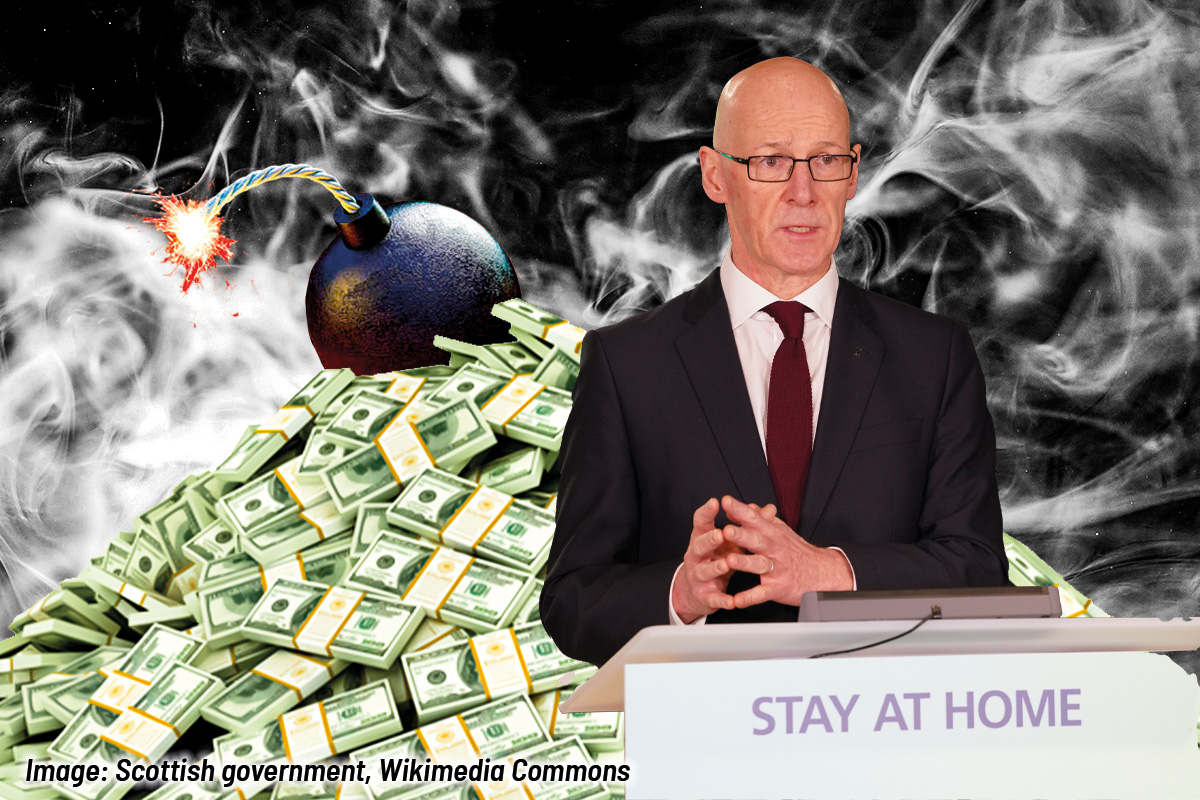
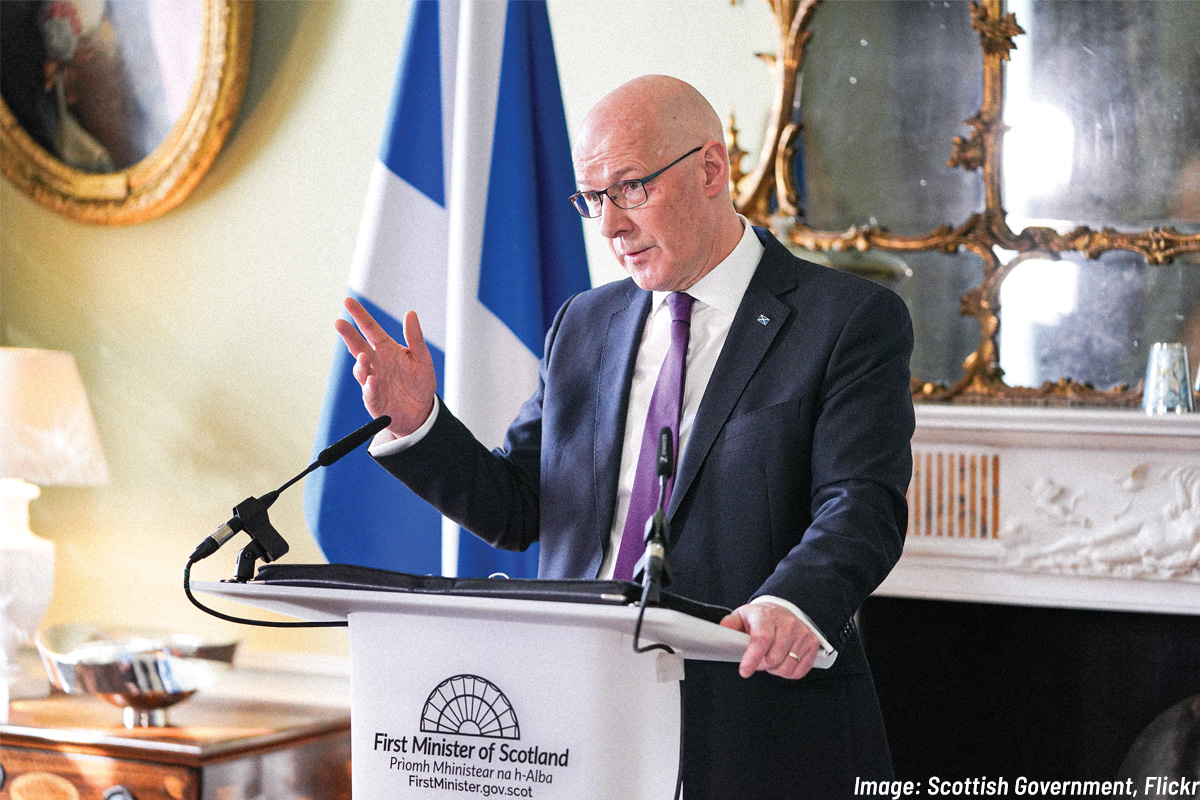
The more serious end of the spending plans are focussed on the SNP’s main priorities as previously outlined by first minister John Swinney: dealing with NHS waiting times, and reducing child poverty.
On these questions, the SNP’s record is abysmal, with health services never recovering from the disastrous lockdowns and rates of child poverty drastically increasing to almost a quarter of all children. In both these areas, Scotland used to be better than England, but has fallen behind.
The Scottish government proposes to increase the unique Scottish Child Payment benefit to £40 per week, and open free breakfast clubs for all primary school children by next year.
For the NHS, meanwhile, billions will be spent on opening walk-in clinics, and expanding hospital capacity. But plans to build specialised treatment centres have been postponed.
The main losers will be local councils, as always, who are facing a dire financial situation. Despite a 2 percent increase in central funding, many councils have already begun to hike council taxes, sell off assets, and burn through reserves to meet even minimal needs.
Also bearing the brunt will be thousands of jobs in the Scottish civil service, where the SNP propose to cut £1.5 billion in efficiency savings.
Much of this will come through “natural attrition”, Robison says, as older workers retire and departments downsize. Despite pledges to not issue compulsory redundancies, however, staff at publicly-funded colleges and universities have faced job cuts like this over the past year, provoking trade union fights.
In the long-term the Scottish Government still faces a growing deficit worth billions of pounds, which the SNP have only been able to put off through modest cuts, tax increases, and growth in UK government funding.
This year, the Scottish government also promises to start borrowing more, with the launch of its bond scheme. Like Labour’s chancellor Rachel Reeves, the SNP are pining all their hopes on economic growth picking up at some point in the indefinite future.
Overall, this points to a dire financial situation creeping up on the SNP, which they have been fully aware of for a number of years, especially since the 2022 ‘reset’ spending review.
Since then, the party’s internal turmoil, and its need to arrest its decline in popularity, have driven their short-term political decisions around the budget. Calls to abandon the tax-and-spend policies have been waved off.
SNP in a blind alley
In all likelihood, facing a divided parliamentary opposition, the SNP will again form the next government after the May elections.
The absolute calamity of Keir Starmer’s government will likely increase polarisation in Scotland between the SNP and Nigel Farage’s Reform UK, which looks set to win more than a dozen seats in Holyrood (the Scottish Parliament).
In such circumstances, the SNP would be emboldened in their liberal anti-Farage crusade, while using this as cover to push through a sharp austerity agenda.
The SNP will increasingly present themselves as explicit defenders of the liberal status quo ante, and proponents of fiscal stability against the rising menace of right-wing populism.
We have here a picture of continued managed decline – which is precisely what the Scottish government budget this year amounts to. After a decade and a half in power, the SNP’s radical, anti-Westminster sheen is wearing off; the party has squandered a great deal of the support they once enjoyed.
The working class is being ground down by this situation, with a mood of despondency spreading as defeats and setbacks accumulate on its back, while conditions get worse.
As Communists we say: the longer you keep your head down, the sooner you’ll be on your knees. Now is the time to dig in and prepare the class-independent organisation and militant leaders needed for renewed battles.